

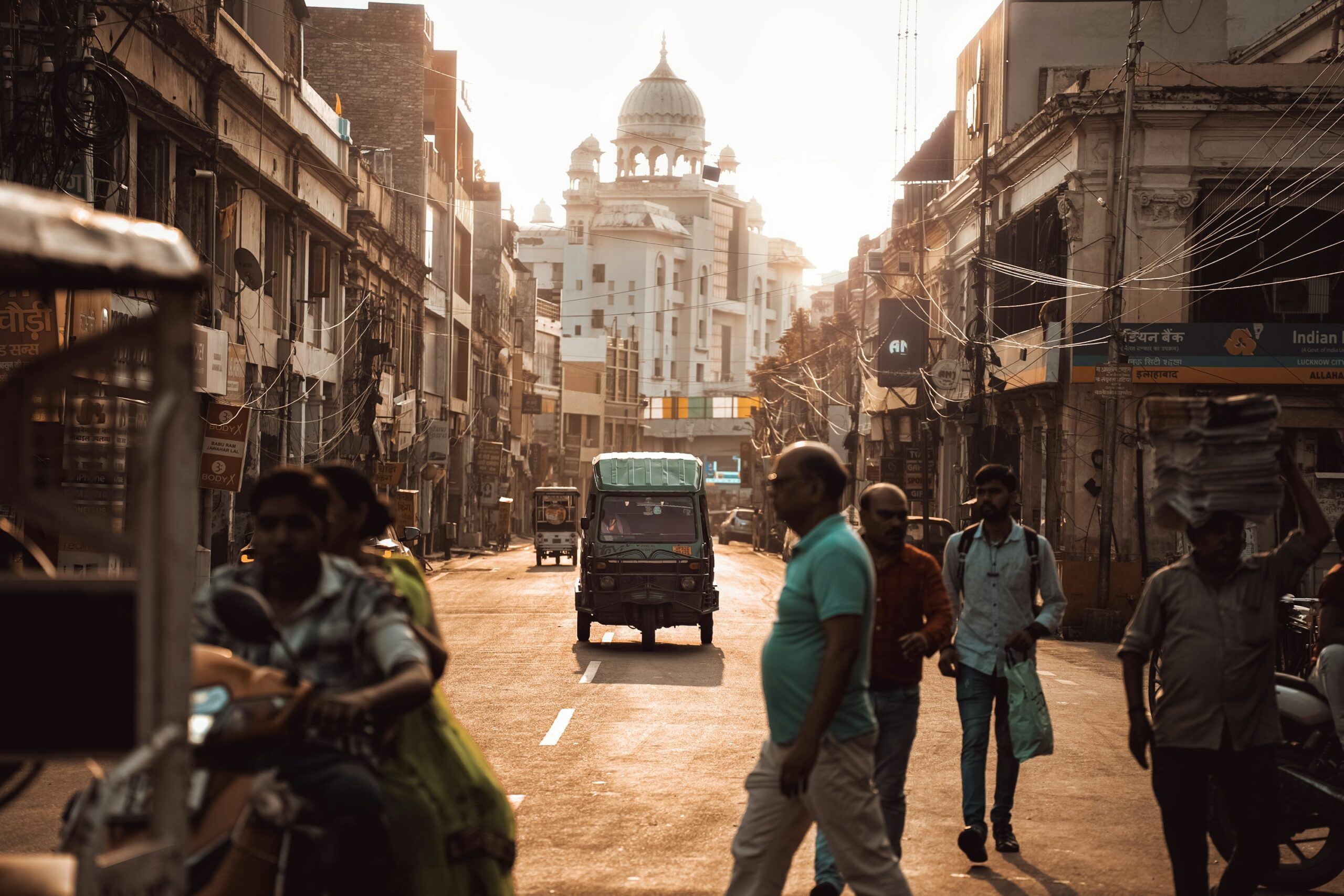
New Delhi, India — February 28, 2026 — Parliament News — Rising temperatures India are forecast to shape the month of March this year, with the national weather office projecting above normal daytime readings across large parts of the country. As winter recedes and the pre summer season begins to unfold, rising temperatures India are already drawing attention from agricultural planners, health officials, and energy providers preparing for early seasonal stress.
The India Meteorological Department has indicated that northern plains, central belts, and portions of western India may experience noticeable warmth compared to long term averages. While March typically signals gradual warming, the expectation of rising temperatures India this year suggests a sharper seasonal transition.
Forecast Details and Atmospheric Patterns
Meteorologists attribute the expected warmth to a combination of reduced western disturbances and prevailing high pressure systems. These conditions limit cooling rainfall and cloud cover, allowing daytime heat to build more rapidly.
Recent data shows deviations of one to three degrees Celsius above historical averages in several districts. Rising temperatures India in March do not necessarily indicate an extreme heatwave, but sustained departures from normal can have meaningful consequences.
Weather experts continue analyzing oceanic influences and upper air patterns that may shape temperature progression throughout the month. Continuous monitoring ensures timely advisories if the warming trend intensifies.
Why March Matters More Than It Appears
March occupies a pivotal space in India’s seasonal cycle. It bridges the comfortable chill of winter and the intense heat that often dominates April and May. Crops approach harvest maturity, schools operate full schedules, and construction activity increases.
When rising temperatures India emerge during this sensitive window, the effects ripple through daily routines. Farmers may accelerate harvest timelines. Urban residents adjust commuting hours. Families begin relying on fans and air conditioning earlier than expected.
These changes may appear subtle at first, yet they accumulate quickly across a population exceeding one billion.
Agricultural Sensitivity and Food Security
Agriculture remains particularly vulnerable during late winter and early spring. Wheat, mustard, and pulses depend on moderate temperatures during final growth stages.
Agronomists warn that rising temperatures India could shorten grain filling periods, potentially reducing yield quality. Even slight heat stress during flowering stages can influence output.
Farm advisory networks are encouraging proactive irrigation management. Regions already experiencing below average rainfall may face added strain if rising temperatures India persist beyond March.
However, experts caution against alarm. Modern irrigation systems and resilient seed varieties offer tools for adaptation. Preparation, rather than panic, remains the prevailing message.
Urban Heat and Public Health Preparedness
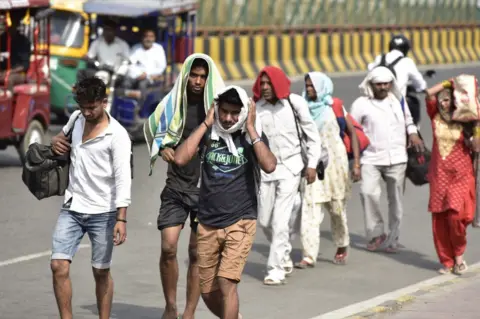
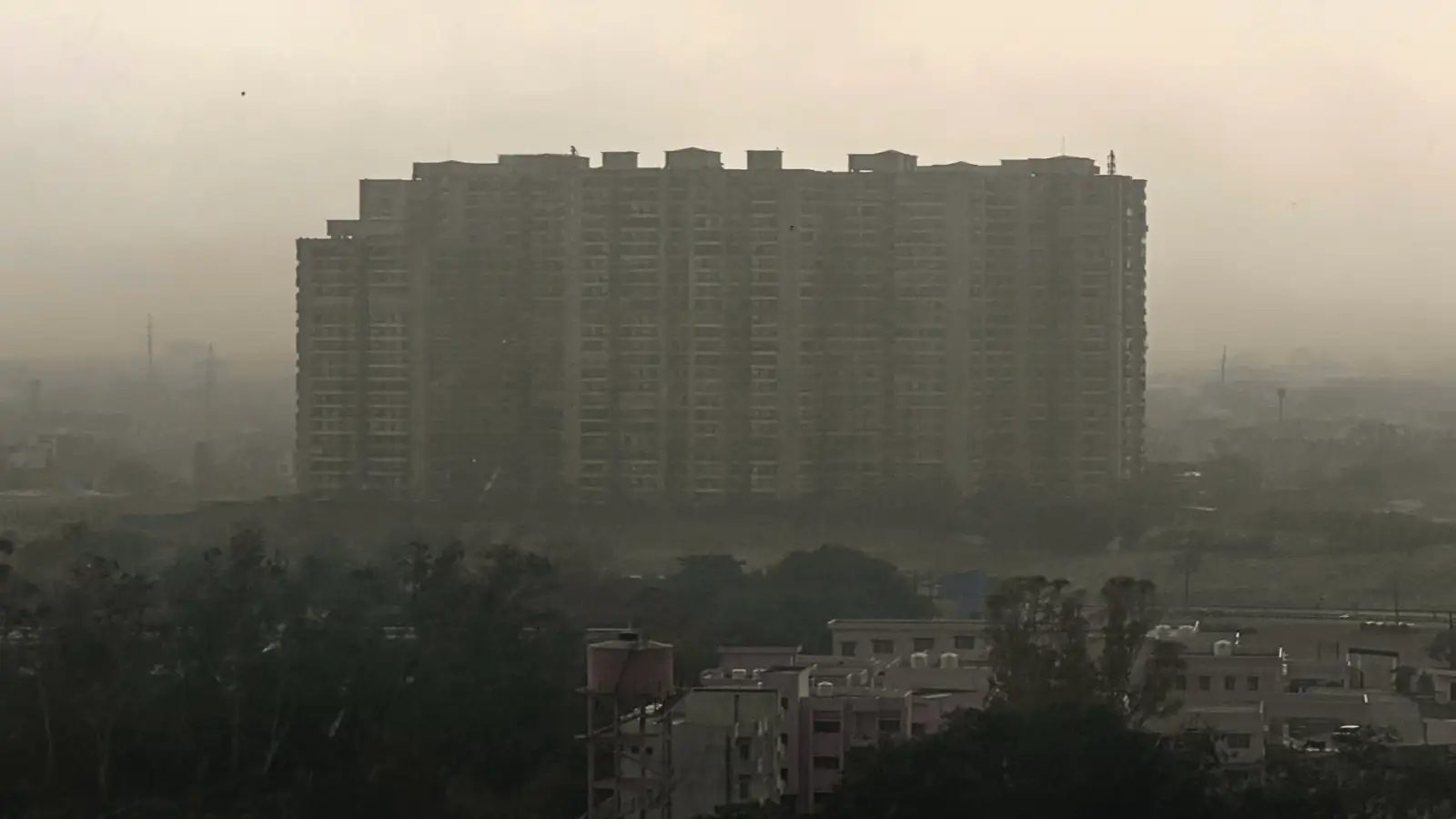
Cities tend to amplify heat due to concrete infrastructure and limited green cover. Rising temperatures India in metropolitan areas may intensify the urban heat island effect, especially in densely populated neighborhoods.
Medical professionals emphasize hydration, shade, and limiting outdoor exposure during peak afternoon hours. Vulnerable groups such as elderly residents, children, and outdoor workers face higher risk during prolonged warmth.
Municipal governments have begun reinforcing awareness campaigns. Rising temperatures India can lead to dehydration, fatigue, and minor heat illnesses if preventive steps are ignored.
Public health systems are not currently under strain, but preparedness remains central to response planning.
Energy Demand and Infrastructure Readiness
A warmer March often translates into higher electricity consumption. Cooling appliances operate longer, increasing strain on power distribution systems.
Energy analysts expect rising temperatures India to produce earlier demand spikes compared to previous years. Power grids across major states are reviewing maintenance schedules and backup capacity.
Historically, short term warmth has been manageable, yet infrastructure resilience remains essential as climate variability grows more pronounced.
Water management is also under review. Reservoir levels and groundwater reserves are monitored closely to ensure supply continuity.
Climate Trends and Long Term Signals
Climate researchers have documented gradual warming trends over the past decade. While annual fluctuations occur naturally, repeated episodes of rising temperatures India suggest evolving baselines.
Scientific institutions emphasize that one warm March does not define a long term pattern. However, consistent above average months contribute to cumulative climate shifts.
Studies linking ocean surface temperatures and atmospheric circulation patterns provide insight into future variability. Policymakers increasingly integrate such findings into urban planning and agricultural strategy.
Regional Differences Across States
India’s geographic diversity ensures that warming trends are uneven. Northern plains may experience dry heat, while coastal regions encounter humidity driven discomfort.
Rising temperatures India in central regions may contrast with relatively moderate conditions in Himalayan districts. Localized forecasts remain essential for accurate planning.
State governments encourage citizens to follow district specific advisories rather than relying solely on national summaries.
Economic Ripples Beyond Weather Charts
Temperature fluctuations can subtly reshape economic activity. Construction firms adjust work hours. Retail markets observe increased demand for cooling products and beverages.
Rising temperatures India may also influence transportation patterns as drivers avoid peak heat periods. Tourism sectors monitor comfort levels, particularly in heritage cities and outdoor destinations.
Economists note that short lived warmth typically produces limited macroeconomic impact. However, prolonged high temperatures can influence productivity in outdoor industries.
Historic Comparison
India has experienced warm transitional months in previous decades. Historical records show that certain years witnessed early surges in temperature, followed by periods of moderation.
Comparing current projections to past patterns reveals both continuity and change. Technology now provides more accurate forecasting tools, enabling earlier advisories. Public awareness has also improved, reducing health risks.
Yet the frequency of rising temperatures India episodes in recent years suggests a subtle upward shift in seasonal norms. While not unprecedented, the pattern appears more consistent than in earlier decades.
This historical lens underscores the importance of adaptation. Societies evolve alongside climate realities.
Government Coordination and Response
Central and state agencies have begun coordination meetings to evaluate readiness. Emergency helplines remain operational, and advisories are disseminated through digital platforms.
Rising temperatures India highlight the need for collaboration among meteorological offices, agriculture departments, and energy providers.
Officials stress that communication remains the most powerful tool. Clear updates reduce misinformation and maintain public trust.
One Voice of Caution
A senior meteorological official said,
“We are closely monitoring temperature trends and advising citizens to stay prepared as seasonal warmth increases.”
That brief statement encapsulates the balanced tone of current guidance. Rising temperatures India warrant attention, but they do not signal immediate crisis.
The Human Side of Seasonal Change
Beyond policy discussions and data charts, warmth touches daily life in personal ways. Children return home from school with flushed cheeks. Farmers rise earlier to inspect crops before midday heat intensifies. Street vendors adjust umbrellas to shield themselves from the sun.
Rising temperatures India serve as a reminder of how closely climate and culture intertwine. Seasonal festivals, harvest rituals, and daily routines all respond to subtle shifts in weather.
Communities often adapt intuitively. Neighbors share advice, families adjust schedules, and markets respond organically to changing demand.
Looking Toward April and Beyond
Meteorologists continue evaluating whether rising temperatures India will stabilize or intensify into more pronounced heat episodes.
If the warming trend persists, April may begin with higher than average baselines. However, forecasting models incorporate dynamic variables that can alter outcomes.
Preparedness measures remain ongoing, ensuring that any escalation is met with structured response rather than reactionary measures.
When the Season Speaks Softly
Temperature shifts rarely arrive with dramatic announcements. They build gradually, degree by degree, influencing routines and reshaping expectations.
Rising temperatures India in March 2026 represent both a seasonal transition and a broader reminder of climate variability. The thermometer becomes a silent storyteller, reflecting patterns that scientists interpret and citizens experience.
As the month unfolds, vigilance and calm coexist. Farmers watch fields. City planners monitor grids. Families plan around warmer afternoons.
The narrative of this March will ultimately depend on data recorded and actions taken. Whether it becomes a footnote or a marker of broader change remains to be seen.
For now, the warmth carries both familiarity and warning — a gentle but persistent signal that adaptation is part of modern life.