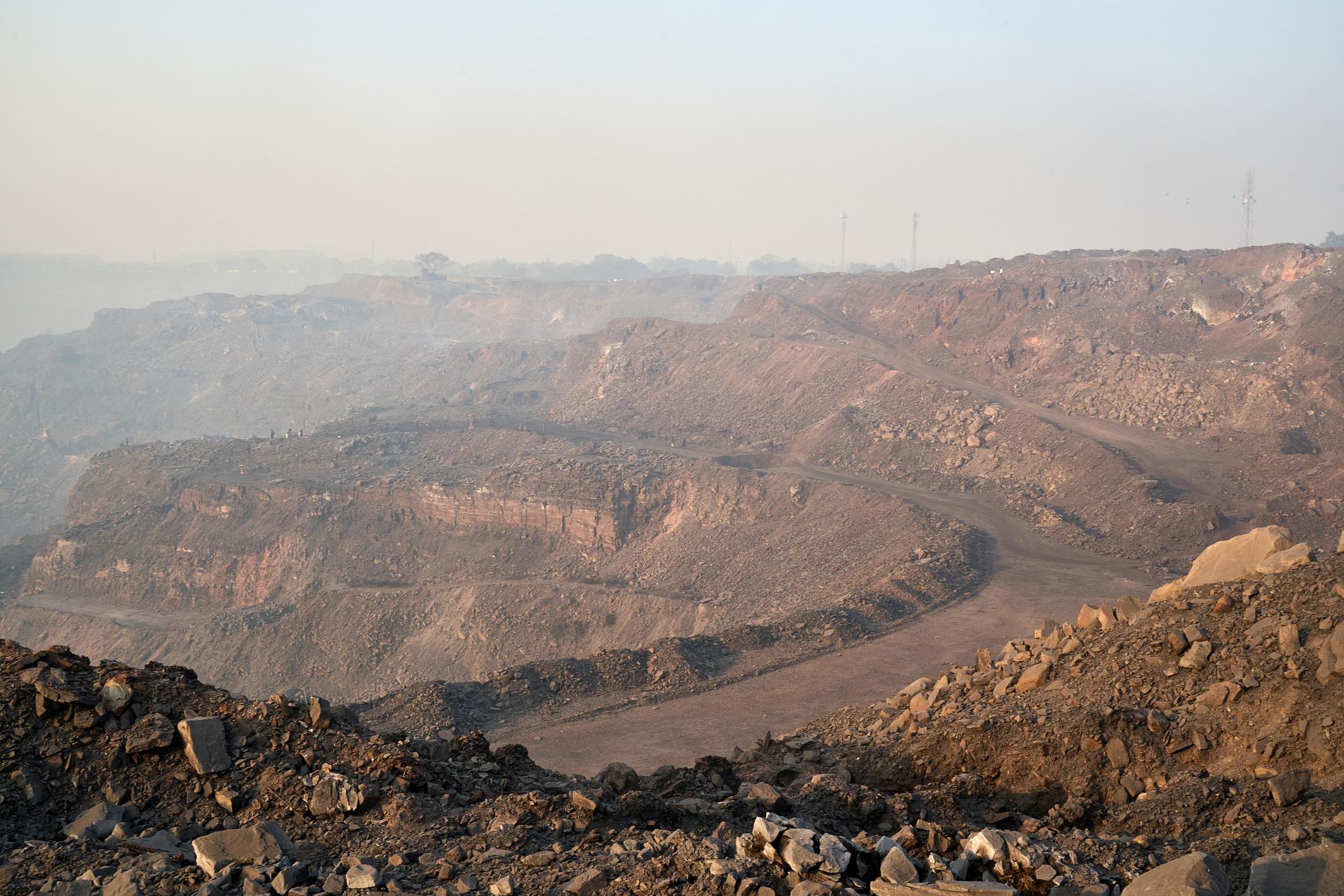
India coal imports reduction moves forward in 2026 as New Delhi targets a 30 percent cut in overseas coal purchases.
Officials say the strategy strengthens domestic mining, improves energy security, and reduces trade exposure.
Power producers are adjusting supply chains as infrastructure upgrades support the national energy shift.
India remains one of the world’s largest coal consumers, with thermal power plants accounting for a significant share of electricity generation. However, the new approach seeks to reduce dependency on foreign suppliers by boosting domestic mining capacity. The renewed focus on India coal imports reduction underscores confidence in infrastructure upgrades and regulatory reforms introduced over recent years.
The plan also reflects lessons learned from global supply disruptions and commodity price volatility. By adjusting procurement strategies, policymakers aim to safeguard national energy stability while preserving foreign exchange reserves.
Policy Framework Driving the Transition
The foundation of the India coal imports reduction initiative lies in coordinated reforms across energy, mining, and transportation sectors. The central government has expanded commercial mining participation, streamlined licensing approvals, and enhanced digital oversight of extraction processes.
Authorities emphasize that long term policy continuity is essential for success. Multi year procurement planning gives power producers clarity while enabling mining firms to invest confidently in new equipment and expansion projects. The India coal imports reduction program is not an isolated directive but part of a comprehensive energy governance strategy.
Increased collaboration between state governments and federal agencies has also improved regulatory efficiency. Clear timelines and transparent reporting mechanisms have strengthened accountability throughout the supply chain.
Economic Rationale Behind the Shift
Economic considerations remain central to the India coal imports reduction policy. International coal prices have experienced sharp swings over the past several years, exposing utilities to unpredictable costs. By increasing reliance on domestic production, India reduces vulnerability to external market fluctuations.
Reducing imports also improves trade balance management. Coal purchases represent substantial foreign currency expenditures, and limiting these transactions supports fiscal stability. Economists note that the India coal imports reduction initiative aligns with broader macroeconomic objectives focused on strengthening domestic industry.
Local mining expansion generates employment opportunities in rural regions, stimulates infrastructure development, and enhances regional economic activity. These secondary benefits contribute to national growth targets.
Power Sector Adaptation
Thermal power producers are central stakeholders in the India coal imports reduction strategy. Utilities are adjusting procurement contracts to prioritize domestic suppliers while maintaining adequate reserves to meet peak demand periods.
Energy regulators have emphasized the importance of stockpile management to prevent shortages during extreme weather events. Coordinated planning between mining companies and power plants remains critical to achieving seamless transition.
Despite challenges, industry analysts suggest that structured oversight and improved logistics can ensure reliable electricity supply under the evolving framework.
Mining Expansion and Technological Modernization
To support the India coal imports reduction objective, domestic mining operations are undergoing modernization. Automation, advanced drilling technologies, and digital mapping systems are improving extraction efficiency and safety standards.
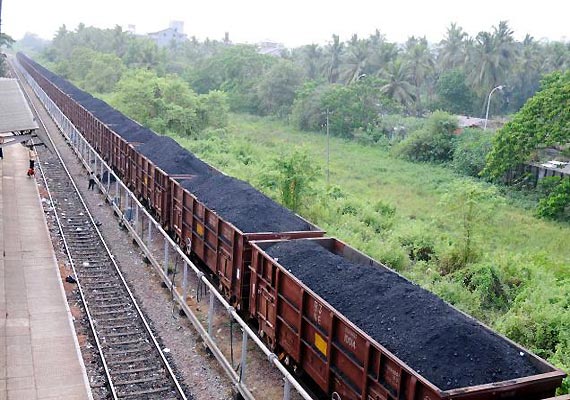
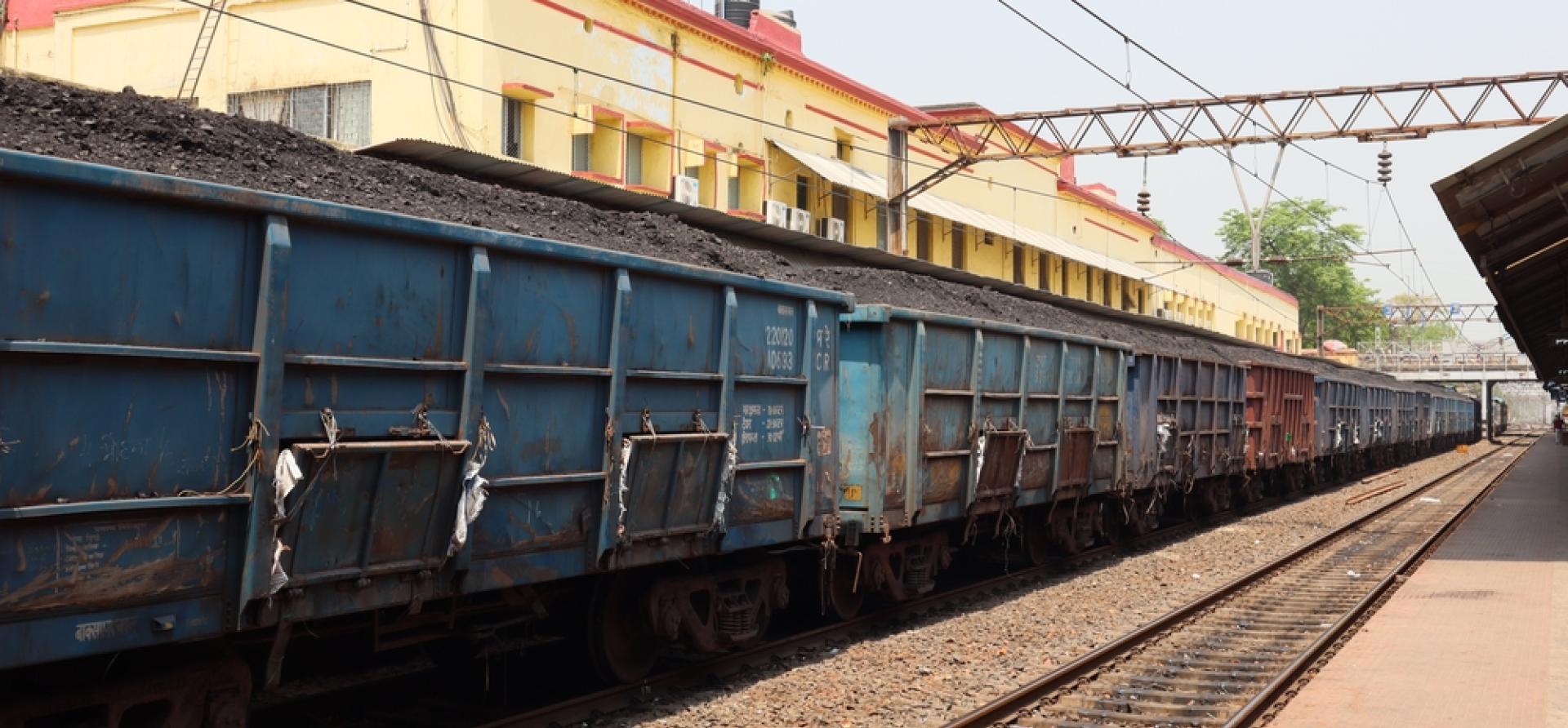
Data analytics tools allow operators to monitor output levels in real time, enhancing operational transparency. Infrastructure investments, including rail capacity expansion and dedicated freight corridors, facilitate timely coal delivery.
These improvements strengthen the operational backbone necessary for sustaining reduced import reliance.
Infrastructure and Logistics Upgrades
Transportation networks play a pivotal role in policy execution. Rail modernization projects have increased freight capacity, reducing delays that previously constrained domestic distribution.
Port facilities are also being optimized to handle remaining import volumes efficiently while prioritizing domestic coal transit routes. The integration of digital tracking systems enhances supply chain visibility.
Officials argue that infrastructure readiness is a decisive factor in ensuring the long term success of import reduction measures.
Environmental Context and Renewable Goals
India’s energy landscape is evolving rapidly, with renewable capacity expanding at record pace. While coal continues to dominate generation, policymakers emphasize that the India coal imports reduction effort complements renewable growth rather than replacing it.
Solar and wind installations are increasing across multiple states, gradually diversifying the energy mix. Balancing coal reliance with sustainability commitments remains a complex policy challenge.
Environmental analysts highlight the importance of improved emission standards and responsible mining practices within domestic operations.
Global Trade Implications
The reduction of overseas purchases may influence global coal markets. Exporting nations that traditionally supply India could experience shifts in demand patterns.
Trade experts note that diversification remains prudent even as domestic output rises. Strategic reserve planning ensures flexibility in case of unforeseen disruptions.
International energy diplomacy continues to play a role in maintaining stable trade relationships.
Financial Markets and Investor Response
Market participants are closely monitoring developments. Mining and infrastructure firms have experienced renewed investor interest linked to domestic expansion projects.
Analysts describe the India coal imports reduction strategy as a stabilizing factor for energy related equities. Predictable domestic demand supports long term capital investment.
Financial transparency and clear reporting will remain essential to sustaining investor confidence throughout 2026.
Workforce and Regional Development
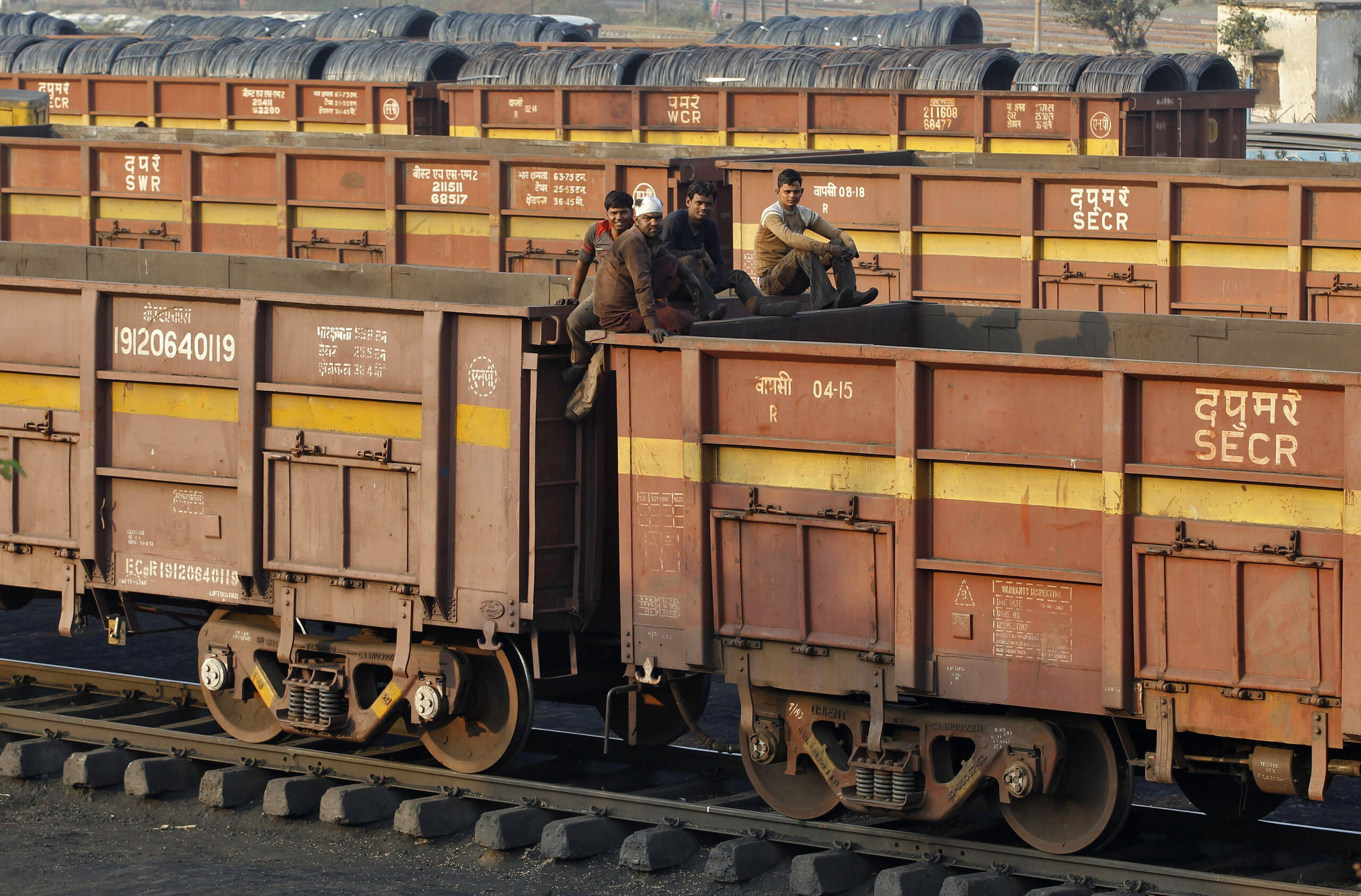
Mining growth associated with the India coal imports reduction initiative supports employment across several states. Training programs focus on enhancing technical skills and safety standards for workers entering the sector.
Community development initiatives accompany industrial expansion. Investments in housing, healthcare, and transportation infrastructure contribute to broader regional progress.
Ensuring equitable development remains an important policy objective.
Energy Security and Strategic Autonomy
Reducing dependence on external suppliers enhances national resilience. The India coal imports reduction approach reflects a broader commitment to energy sovereignty.
Strategic autonomy enables policymakers to respond more effectively to global market shifts and geopolitical uncertainties. Maintaining sufficient domestic reserves reduces exposure to sudden supply disruptions.
Energy security remains a cornerstone of long term economic planning.
Historic Comparison
The current policy direction invites reflection on earlier phases of India’s energy evolution. In previous decades, import reliance often stemmed from limited domestic capacity and infrastructure constraints.
Today’s India coal imports reduction initiative differs significantly due to technological advancements and coordinated policy frameworks. Where earlier strategies focused on meeting immediate demand, the present approach emphasizes structural reform and resilience.
The comparison highlights the transformation of governance models from reactive management to proactive long term planning.
Challenges and Risk Management
Despite progress, implementation challenges persist. Weather disruptions, regulatory compliance requirements, and land acquisition complexities may slow mining expansion.
Authorities have introduced contingency planning mechanisms to address potential shortfalls. Transparent reporting and data driven decision making help mitigate risks.
Energy analysts stress that sustained oversight is critical for maintaining supply stability.
Industry Perspective
Industry leaders express cautious optimism regarding the policy’s long term impact. One senior executive remarked,
“Reducing import dependence strengthens our domestic capabilities while supporting energy stability for the country.”
This perspective underscores confidence in the structural reforms underpinning the initiative.
Balancing Growth and Sustainability
As India pursues industrial growth, balancing environmental responsibilities remains central to policy discussions. Improved mining standards and emission controls aim to reduce ecological impact.
Renewable expansion continues alongside coal optimization efforts. Policymakers emphasize that diversified energy sources enhance overall resilience.
The transition reflects a pragmatic approach to meeting both economic and environmental objectives.
When Energy Policy Meets Economic Ambition
The trajectory of India coal imports reduction in 2026 represents more than a procurement adjustment. It reflects a comprehensive strategy to reinforce fiscal stability, strengthen industrial capacity, and enhance national energy security.
If implemented effectively, the policy could redefine India’s position within global energy markets. By combining infrastructure modernization, technological innovation, and coordinated governance, the country aims to build a more resilient energy framework.
The coming years will determine how successfully these ambitions translate into measurable outcomes. For now, the momentum behind reform signals a decisive shift toward greater self reliance and strategic confidence.