
Britain’s defense manufacturing UK sector expands in 2026 as London increases investment and strengthens industrial capacity.
Government funding, aerospace growth, and naval production are driving new contracts and workforce expansion.
Industry leaders say innovation and supply chain resilience are positioning the UK for long term strategic stability.
Officials describe this moment as a convergence of security necessity and industrial opportunity. As funding allocations increase and procurement cycles accelerate, the trajectory of defense manufacturing UK is becoming more closely aligned with broader national economic priorities. The year 2026 marks not simply expansion, but consolidation of Britain’s technological capabilities within a competitive global landscape.
Expanding Government Commitments
Public investment remains the primary catalyst driving industrial momentum. Budget adjustments over recent years have prioritized modernization programs across air, land, maritime, and cyber domains. As a result, defense manufacturing UK has benefited from predictable multi year contracts that enable long term planning and capital investment.
Strategic documents released by policymakers emphasize deterrence, readiness, and technological superiority. These objectives translate directly into manufacturing contracts for aircraft components, armored vehicle systems, naval propulsion platforms, radar technologies, and digital command networks. The expansion of defense manufacturing UK reflects a coordinated effort to align industrial output with evolving national defense strategies.
Financial analysts note that clear funding pathways reduce volatility and increase investor confidence. With stable procurement cycles extending into the next decade, industrial firms are investing in infrastructure upgrades and workforce expansion.
Workforce Development and Skills Investment
A defining challenge for the sector in 2026 is the need to cultivate skilled labor capable of supporting advanced production. Companies operating within defense manufacturing UK are partnering with universities and technical institutions to expand apprenticeship pipelines and engineering programs.
The modernization of defense systems demands expertise in robotics, data analytics, materials science, and artificial intelligence. To address these needs, industry leaders are increasing funding for research chairs and practical training initiatives. The sustainability of defense manufacturing UK depends not only on capital investment but also on the continuous renewal of technical talent.
Regional governments have also introduced incentives encouraging young professionals to pursue careers in engineering disciplines. By strengthening educational partnerships, the sector aims to secure long term competitiveness.
Technological Innovation and Digital Integration
Innovation is central to maintaining strategic advantage. Across Britain, firms engaged in defense manufacturing UK are incorporating automation, digital twins, additive manufacturing, and advanced simulation tools into production processes.
Digital modeling allows engineers to test components virtually before physical assembly, reducing errors and shortening delivery timelines. Artificial intelligence systems monitor performance data, improving predictive maintenance and lifecycle management. These innovations increase efficiency while enhancing reliability.
The integration of cyber resilience measures further underscores the technological evolution shaping defense manufacturing UK. As threats become more complex, secure digital infrastructure is as vital as physical hardware.
Aerospace and Naval Momentum
Aerospace remains a flagship segment within defense manufacturing UK, supported by domestic and allied procurement orders. Engine systems, structural assemblies, avionics, and surveillance technologies continue to drive industrial output.
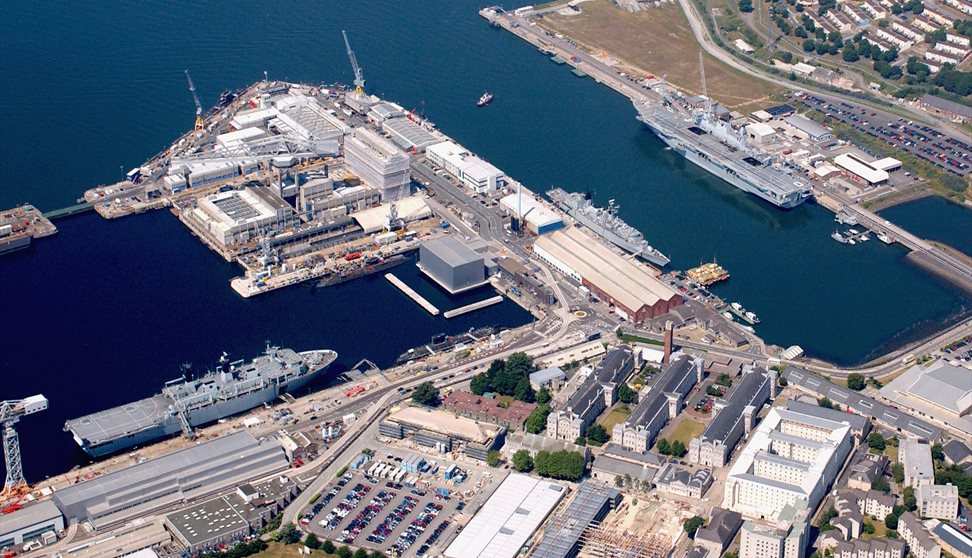
Naval programs are equally significant. Shipyards across the United Kingdom are constructing submarines, frigates, and patrol vessels equipped with advanced detection systems. These initiatives generate supply chain activity that extends beyond primary contractors.
Export opportunities reinforce domestic production. Collaborative projects with allied nations have expanded Britain’s footprint in global defense markets, supporting the continued relevance of defense manufacturing UK within international security frameworks.
Supply Chain Resilience and Strategic Autonomy
The lessons of recent global disruptions have reshaped supply chain strategies. Firms are increasingly emphasizing domestic sourcing to reduce vulnerability to external shocks. Strengthening local supply networks has become integral to the resilience of defense manufacturing UK.
Critical materials and components are being stockpiled or sourced through trusted partners. This shift toward strategic autonomy reflects broader geopolitical awareness. By reinforcing domestic industrial capacity, policymakers aim to ensure readiness during periods of heightened uncertainty.
Resilient supply chains also contribute to economic stability, safeguarding employment and production continuity.
International Collaboration and Trade
Global alliances remain vital. British firms actively participate in joint ventures, research partnerships, and co production initiatives that expand technological capabilities. Through these collaborations, defense manufacturing UK gains access to broader markets and shared innovation platforms.
Trade agreements facilitate export growth while maintaining compliance with international regulations. Ethical oversight mechanisms ensure that transactions align with national values and security considerations.
These partnerships strengthen Britain’s position as a reliable contributor to collective defense systems.
Investor Perspective and Market Stability
Financial markets have responded positively to the sustained expansion of government contracts. Analysts view defense manufacturing UK as a relatively stable sector within a volatile global economy.
Long term order books and consistent policy direction enhance predictability. Institutional investors are drawn to firms with diversified portfolios and exposure to both domestic and international clients.
The sector’s stability contrasts with more cyclical industries, positioning it as a strategic allocation within broader investment strategies.
Regulatory Oversight and National Security Review
Acquisitions and foreign investments involving strategic assets often prompt regulatory evaluation. Authorities remain vigilant in reviewing transactions connected to defense manufacturing UK to protect sensitive technologies and infrastructure.
The review process balances openness to global capital with safeguarding national interests. Clear guidelines provide transparency to investors while ensuring critical capabilities remain secure.
This measured approach reinforces confidence in Britain’s regulatory environment.

Regional Economic Impact
Facilities supporting defense manufacturing UK operate across England, Scotland, Wales, and Northern Ireland. These hubs generate substantial economic activity, supporting thousands of high skill jobs.
Local suppliers, logistics providers, and service industries benefit from sustained production cycles. Infrastructure investments linked to defense projects stimulate broader regional development.
The multiplier effect extends into housing markets, education institutions, and small businesses, reinforcing the sector’s economic importance.
Environmental Considerations and Sustainable Practices
Industrial modernization increasingly incorporates sustainability objectives. Manufacturers within defense manufacturing UK are adopting energy efficient processes and exploring alternative materials to reduce environmental impact.
Sustainability strategies include waste reduction, renewable energy integration, and lifecycle efficiency improvements. These efforts align with broader national commitments to environmental responsibility.
Balancing security imperatives with ecological stewardship represents a defining challenge for modern defense production.
Historic Comparison
The current trajectory of defense manufacturing UK invites comparison with earlier industrial expansions during pivotal historical periods. In the mid twentieth century, wartime mobilization transformed Britain into a manufacturing powerhouse. Factories operated at unprecedented capacity, producing aircraft, ships, and armored vehicles at scale.
While today’s environment differs significantly, parallels can be observed in the emphasis on technological innovation and workforce mobilization. Unlike the urgent mobilization of past conflicts, modern expansion is characterized by strategic planning and international collaboration.
The evolution from mass production to precision engineering reflects the transformation of industrial priorities. Where once volume dominated, today quality, digital integration, and interoperability define competitiveness.
Cybersecurity and Emerging Threats
Modern defense systems rely heavily on digital infrastructure. Protecting intellectual property and operational data is essential to sustaining defense manufacturing UK.
Cybersecurity protocols have become deeply embedded within production environments. Firms invest in advanced encryption, intrusion detection systems, and secure communication channels.
These safeguards not only protect sensitive information but also preserve Britain’s technological edge.

Community Engagement and Public Perception
Public understanding of industrial defense activities remains nuanced. Community leaders often emphasize employment benefits and regional investment tied to defense manufacturing UK.
Transparency initiatives and outreach programs aim to inform citizens about the sector’s economic and strategic contributions. Open communication fosters trust and reinforces social license to operate.
Balancing transparency with confidentiality remains a delicate task.
Policy Outlook Beyond 2026
Looking ahead, policymakers anticipate continued modernization efforts. Long term planning frameworks suggest sustained funding allocations and research initiatives that will shape defense manufacturing UK over the coming decade.
Technological evolution, demographic shifts, and global security dynamics will influence production priorities. Maintaining flexibility will be critical to navigating uncertainty.
Industry Perspective
Industry leaders express cautious optimism regarding sustained expansion. One senior executive stated, “Our success depends on consistent investment, innovation, and the dedication of a highly skilled workforce committed to excellence.”
Such statements reflect a shared recognition that stability and foresight underpin industrial resilience.
Strategic Convergence and National Confidence
As 2026 progresses, the direction of defense manufacturing UK illustrates the intersection of national policy and industrial capability. Increased funding, technological innovation, and international collaboration have combined to reinforce Britain’s defense infrastructure.
The sector’s trajectory demonstrates that economic vitality and security preparedness are deeply interconnected. By investing in advanced systems and skilled talent, Britain strengthens both its strategic autonomy and global standing.
The decisions shaping this year will influence industrial capacity, employment patterns, and international partnerships for decades to come. Through deliberate planning and sustained commitment, the nation positions itself to navigate a complex global environment with confidence and resilience.