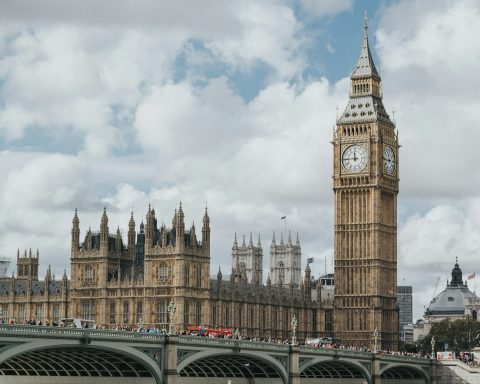
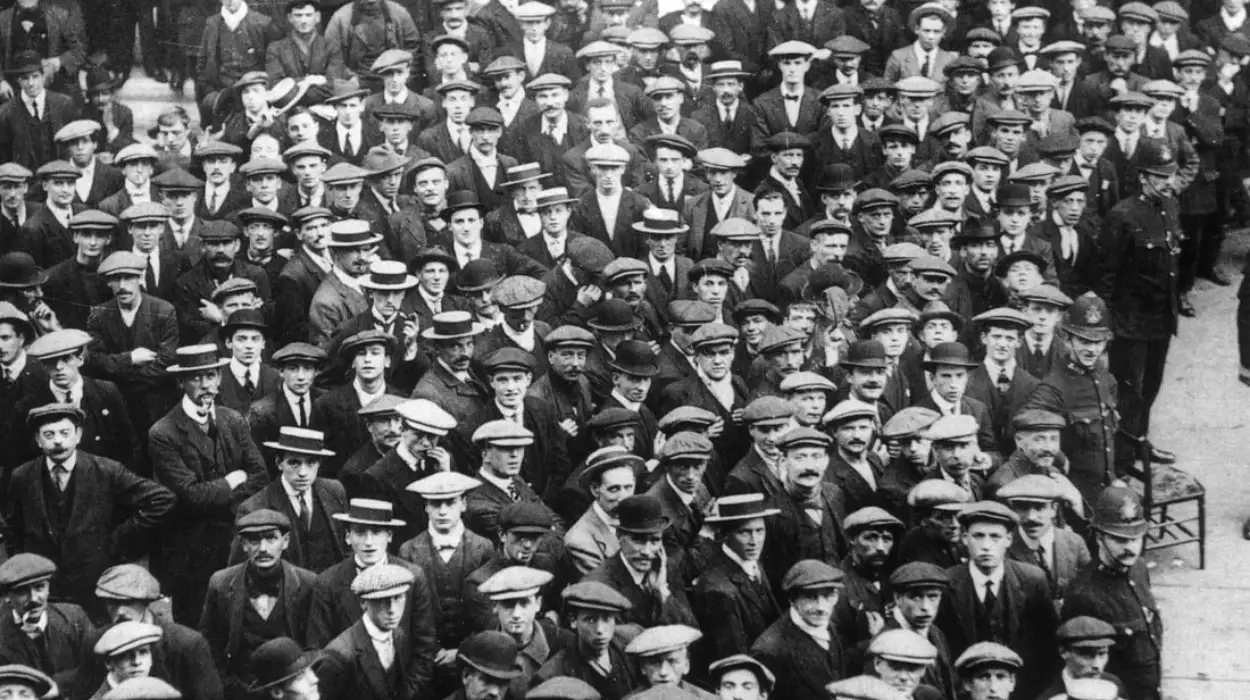
The declaration of war by Britain against Germany on August 4, 1914, marked a pivotal moment in world history, signaling the beginning of a conflict that would come to be known as World War I. This momentous event arose from a web of political alliances, territorial ambitions, and rising militarism across Europe and has left an indelible mark on global geopolitics and society.
More than a century later, the anniversary of Britain’s declaration remains a powerful occasion for reflection on the causes, impacts, and legacies of the Great War. This article explores the circumstances leading to Britain’s entry into the war, the immediate political responses, and the enduring significance of August 4 within the context of World War I history and international relations.
Geopolitical Context Preceding the War
The early 20th century was marked by intense rivalry among European powers, shaped by competing interests in colonies, military build-ups, and an intricate system of alliances. Two major blocs dominated: the Triple Alliance, consisting of Germany, Austria-Hungary, and Italy, and the Triple Entente, composed of France, Russia, and Britain.
These alliances were intended as deterrents but instead created a precarious balance that risked a domino effect in the event of conflict.
The assassination of Archduke Franz Ferdinand of Austria-Hungary by a Serbian nationalist in June 1914 triggered a cascade of diplomatic crises. Austria-Hungary declared war on Serbia, which in turn drew in allied powers. Germany’s support for Austria-Hungary led to its declaration of war against Russia and France.
The war’s outbreak was further accelerated by Germany’s implementation of the Schlieffen Plan, which called for rapid advancement through neutral Belgium to strike France.
Belgium’s Neutrality and Britain’s Ultimatum
Belgium’s neutrality had been guaranteed by the Treaty of London in 1839, which Britain was obligated to uphold. Germany’s invasion of Belgium in early August 1914 to bypass French defenses was seen by Britain as a flagrant violation of international law and treaty obligations. The British government, led by Prime Minister Herbert Asquith and Foreign Secretary Edward Grey, issued an ultimatum demanding that Germany respect Belgian neutrality.
Germany’s refusal to withdraw its forces from Belgian territory led Britain to declare war at 7 pm on August 4, 1914. The British Ambassador to Berlin was recalled, and a formal state of war was announced. This decision was deeply significant, as it not only honored existing treaties but also reflected Britain’s strategic interest in preventing German dominance of Western Europe and protecting its own empire and naval supremacy.
Public and Political Reactions in Britain
The declaration sparked a surge of patriotic fervor across Britain. Crowds gathered outside Buckingham Palace to cheer King George V and Queen Mary, an expression of national unity and resolve in the face of impending conflict.
The government quickly mobilized resources, passing a war credit of £100 million in Parliament within minutes to fund military operations.
A nationwide call was issued for volunteers, including medical practitioners, tradesmen, motorcyclists, and artisans, reflecting the comprehensive civilian effort required to sustain war. The Royal Navy was placed under the supreme command of Admiral Sir John Jellicoe, underscoring the critical role of naval power in Britain’s war strategy.
What long-term geopolitical shifts followed Britain’s declaration of war
Britain’s declaration of war on Germany on August 4, 1914, set in motion a series of profound and lasting geopolitical shifts that reshaped the global order throughout the 20th century and beyond.
First, the war fundamentally altered the map of Europe. The collapse of imperial powers such as the Austro-Hungarian, Ottoman, German, and Russian Empires led to the emergence of new nation-states in Central and Eastern Europe, redrawing national boundaries and fostering nationalist movements.
This fragmentation contributed to both opportunities and tensions in the region.
Second, Britain’s involvement helped solidify its role as a major global power and protector of Allied interests, ultimately contributing to the expansion and reorganization of the British Empire before its gradual transition toward decolonization.
The war also cemented the United States’ rise as a global power, as American entry into the war in 1917 shifted the balance decisively and laid the groundwork for U.S. political, economic, and military influence worldwide.
Third, the war triggered significant changes in international diplomacy and institutions. The League of Nations was established as the first broad-based effort to prevent future conflicts through collective security, though its effectiveness was limited.
The Treaty of Versailles and other postwar agreements attempted to enforce new norms but sowed grievances that contributed to future conflicts.
Finally, the declaration and the war accelerated technological, military, and societal transformations, including mechanized warfare, total war mobilization, and shifts in social roles. These changes influenced geopolitical strategies in the decades that followed, setting the stage for World War II and the Cold War.
In essence, Britain’s declaration marked the beginning of a century of upheaval that redefined borders, alliances, and the very nature of global power dynamics, with effects still reverberating today.
Military and Strategic Developments
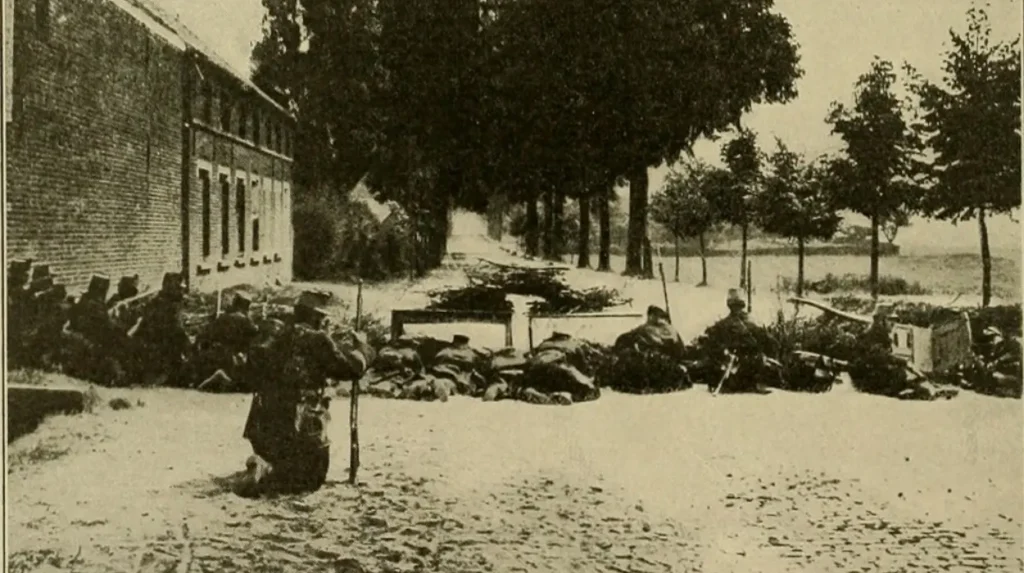
Germany’s initial military offensives included the invasion of Belgium and Northern France, prompting British and French troops to engage rapidly. The Battle of Belgium saw fierce resistance, but German forces advanced, demonstrating the war’s brutal and mobile nature.
Germany’s assault was not only a military tactic but also a test of alliances and international law, which Britain responded to by full-scale mobilization.
Efforts were made to secure supply lines and infrastructure with the government taking control of Britain’s railways to facilitate troop movements and logistics. The war announcement marked Britain’s entry into a global conflict involving allies and colonial possessions, setting the stage for massive mobilization of human and material resources.
Broader Impact and Legacy
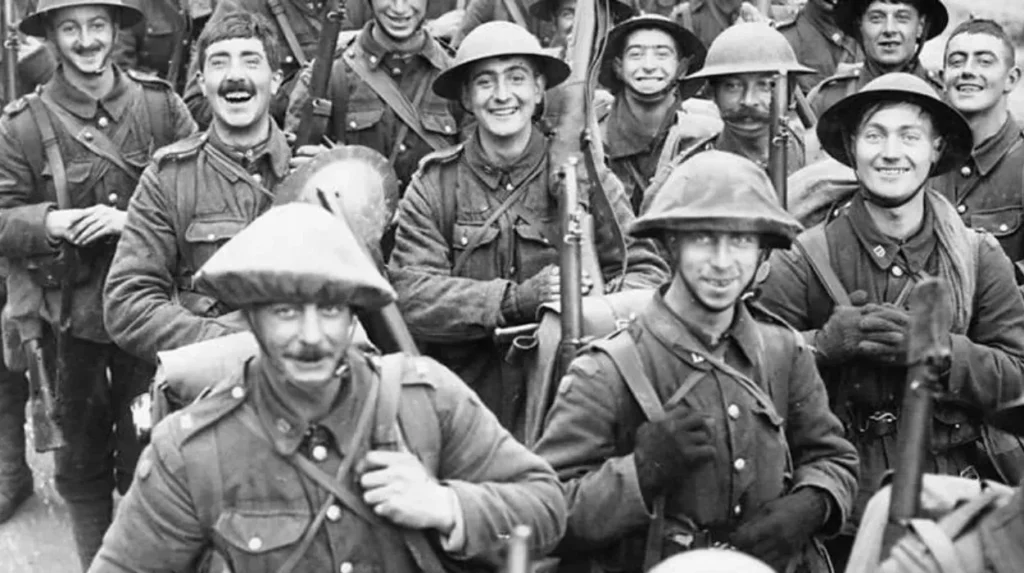
Britain’s declaration of war shaped the trajectory of World War I, which lasted until 1918 and resulted in unprecedented casualties, social upheavals, and geopolitical transformations. The war introduced mechanized warfare, trench combat, and total war mobilization, profoundly altering societies and international relations.
The anniversary of August 4 serves as a reminder of the costs of conflict, the complexities of alliance politics, and the consequences of violations of neutrality and international agreements. It compels reflection on the mechanisms of diplomacy, the importance of collective security, and the aspirations for lasting peace.
Essential Facts About Britain’s 1914 Declaration of War
- Britain declared war on Germany on August 4, 1914, following Germany’s refusal to respect Belgian neutrality guaranteed since 1839.
- The declaration was announced after a British ultimatum expired without a satisfactory German response, leading to a formal state of war.
- Public support in Britain was overwhelming, with enthusiastic crowds and rapid government mobilization including financial appropriations.
- The declaration initiated Britain’s involvement in World War I, which expanded into a global conflict involving multiple continents and millions of soldiers.
The anniversary of Britain’s declaration of war on August 4, 1914, remains a pivotal historical event that illustrates the fragility of peace and the profound impact of international diplomacy failures. It marks not only Britain’s entry into one of history’s deadliest conflicts but also highlights broader lessons about treaty obligations, national honor, and the global interconnectedness of security.
Reflecting on this anniversary enriches our understanding of 20th-century history and reinforces the importance of vigilance and negotiation in maintaining peace.