

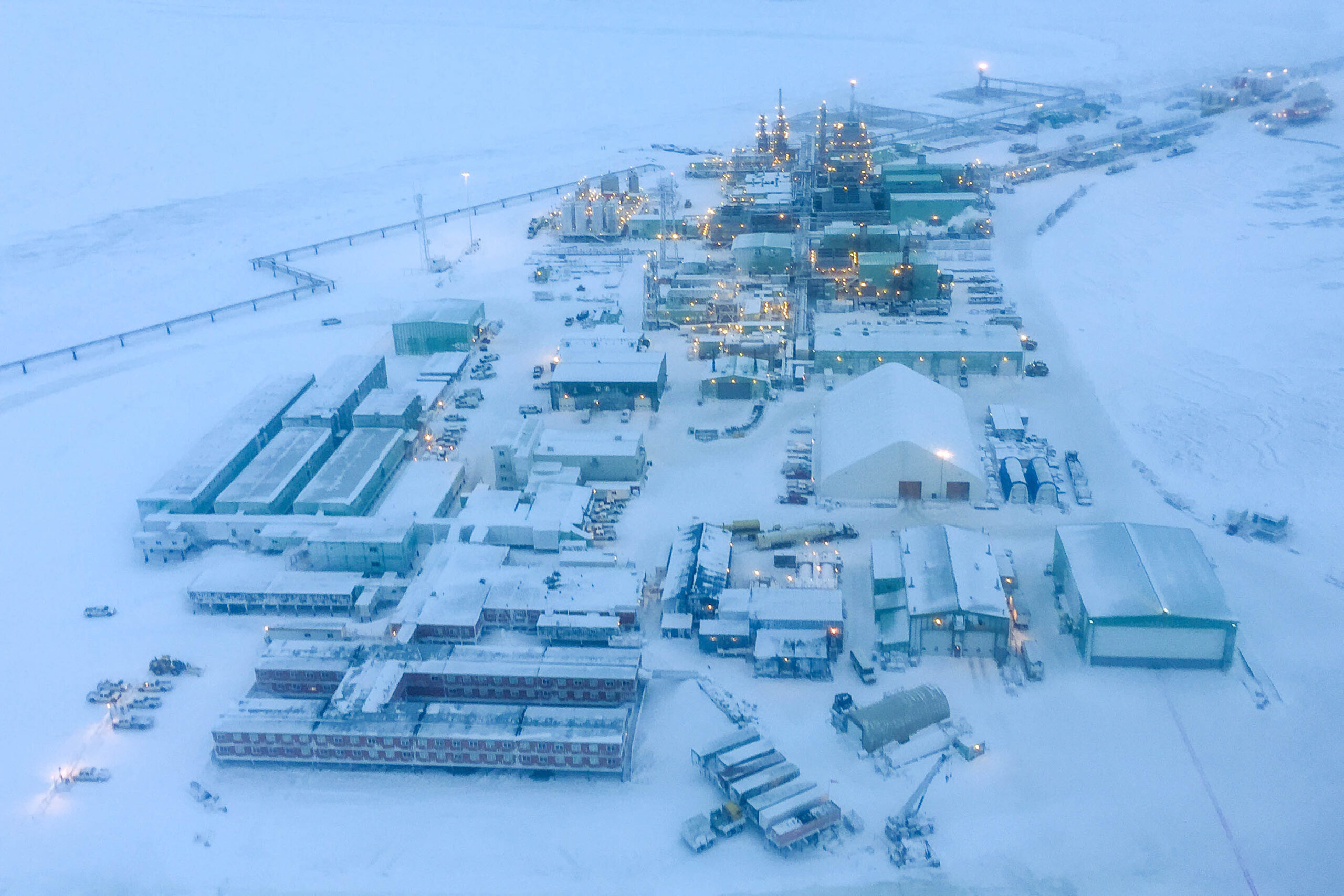
Anchorage, Alaska – February 20, 2026 — According to Parliament News, Alaska energy development is once again at the forefront of economic and geopolitical discussion as state officials, federal policymakers, and global investors evaluate the future of Arctic natural gas. With worldwide demand for liquefied natural gas rising and supply chains under renewed scrutiny, Alaska energy development is being viewed as both an economic catalyst and a strategic national priority.
In recent months, renewed dialogue has emerged surrounding infrastructure expansion, LNG export facilities, and long term pipeline commitments. Supporters argue that Alaska energy development could unlock billions in investment while strengthening American energy positioning in the Pacific market. Critics urge caution, emphasizing environmental safeguards and fiscal discipline.
The conversation unfolding in Anchorage reflects a broader shift in global energy dynamics.
Renewed Focus on Arctic Gas Potential
Alaska contains some of the largest undeveloped natural gas reserves in North America. For decades, these reserves have remained stranded due to high infrastructure costs and uncertain export commitments. However, market volatility and rising LNG demand have reintroduced urgency into Alaska energy development discussions.
Energy economists point to Asia’s expanding industrial base and Europe’s diversification efforts as major demand drivers. Alaska’s geographic location offers shipping advantages to Pacific markets, reducing transit time compared to Gulf Coast exports. This geographic reality strengthens the case for Alaska energy development as a competitive LNG supplier.
Industry analysts note that unlocking this potential requires alignment among policymakers, private investors, and international buyers.
Infrastructure and Pipeline Vision
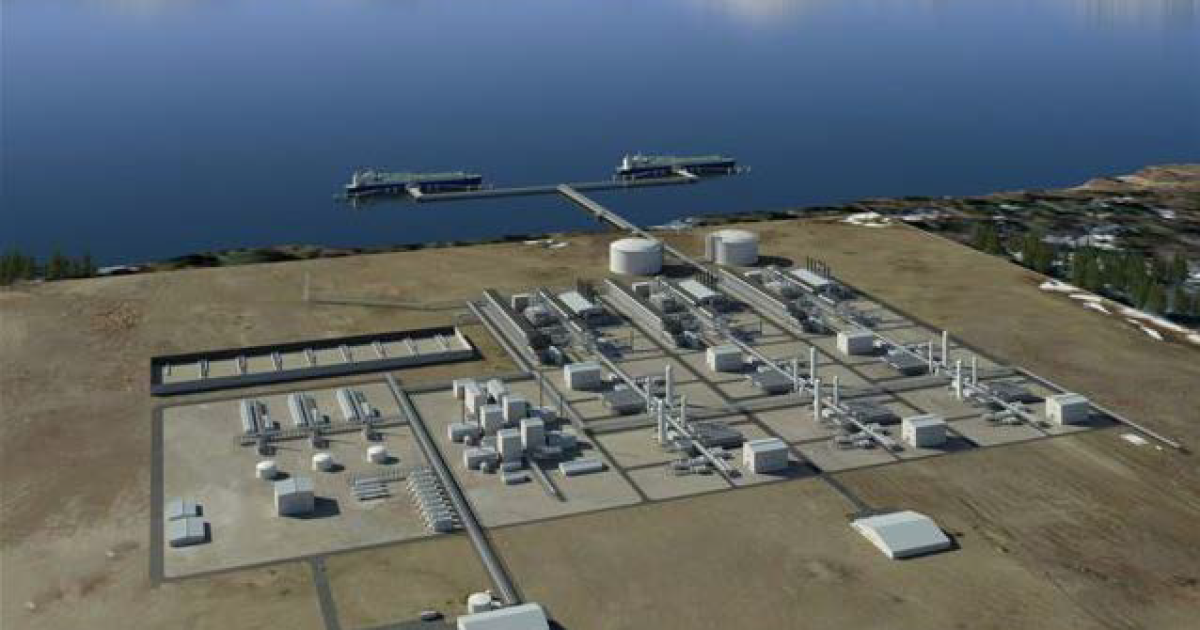
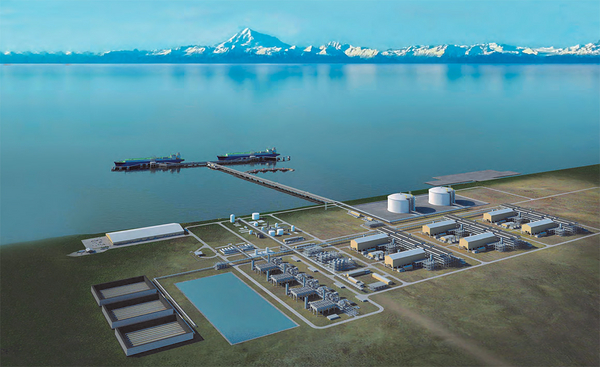
The proposed Alaska LNG project envisions an 800 mile pipeline transporting North Slope gas to a liquefaction facility in southern Alaska. Though discussed for years, financing and regulatory hurdles have delayed construction.
Advocates argue that large scale infrastructure is essential for Alaska energy development to move from concept to execution. The project would require billions in capital expenditure, but supporters contend the long term revenue stream justifies the investment.
Engineering firms have indicated that modern construction technologies can manage Arctic conditions effectively. The remaining challenges revolve around securing long term purchase agreements and establishing predictable regulatory pathways.
Market Forces Reshaping Strategy
Global gas markets in 2026 reflect heightened sensitivity to geopolitical disruptions. Supply diversification has become a central priority for energy importing nations. This environment has strengthened arguments that Alaska energy development can contribute to global supply stability.
Natural gas prices remain influenced by regional supply constraints and transportation bottlenecks. Investors evaluate not only production capacity but also political risk. Alaska’s reputation as a stable jurisdiction enhances its appeal compared to some alternative export regions.
However, market competitiveness remains critical. Producers in the Middle East and Australia continue expanding LNG output, intensifying global competition.
Financing Complexities and Capital Discipline
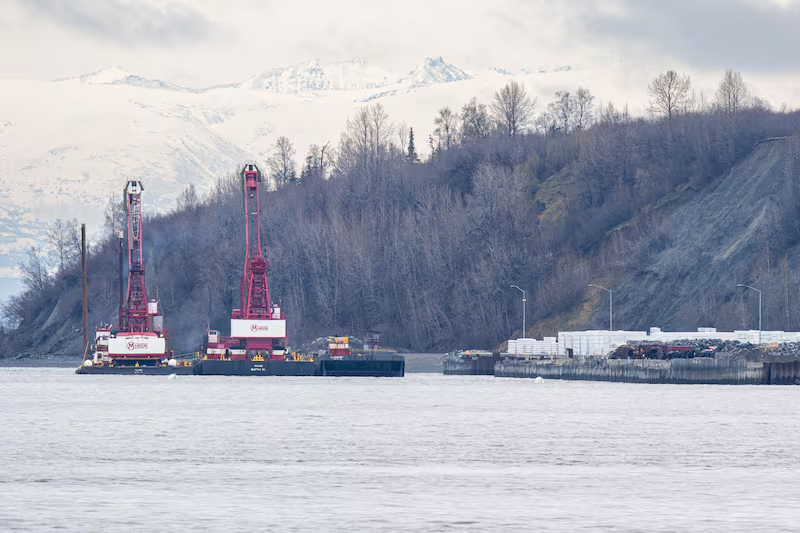
Major infrastructure projects require sustained financial commitment. Banks and institutional investors demand predictable returns before allocating capital. Alaska energy development must therefore present a clear economic case supported by long term contracts.
Public private partnerships have been discussed as potential financing mechanisms. State participation could lower borrowing costs and enhance project credibility. Still, financial analysts caution against overreliance on public funds.
Careful capital discipline will determine whether Alaska energy development transitions from strategic ambition to operational reality.
Environmental Oversight and Responsible Growth
Environmental stewardship remains central to Arctic policy debates. Any major project must navigate federal environmental reviews, wildlife protection standards, and emission management requirements.
Supporters argue that modern LNG infrastructure can reduce global emissions if it replaces coal powered generation abroad. Critics counter that expanded fossil fuel infrastructure may conflict with long term climate commitments.
Balancing economic expansion with environmental responsibility will shape the trajectory of Alaska energy development over the coming years.
Economic Impact on Local Communities
Energy investment carries significant local implications. Construction phases would create thousands of jobs across multiple sectors, from engineering to hospitality. Long term operations would generate sustained employment and tax revenue.
Anchorage business leaders emphasize that Alaska energy development could diversify the state’s economy beyond oil production. Small businesses, service providers, and municipal governments would benefit from expanded commercial activity.
Revenue generated from LNG exports could support public services, infrastructure improvements, and community programs statewide.
Federal Policy Alignment
National energy policy remains an evolving conversation. Some lawmakers emphasize maximizing domestic production to strengthen energy independence. Others focus on transitioning toward renewable energy sources.
Alaska energy development sits at the intersection of these perspectives. Natural gas is often described as a transitional fuel that can provide reliable baseload energy while renewable infrastructure scales up.
Congressional discussions have referenced Arctic infrastructure as a strategic asset. Federal permitting timelines and regulatory clarity will influence the pace of progress.
Historic Comparison
The renewed debate surrounding Alaska energy development invites comparison to the construction of the Trans Alaska Pipeline System in the 1970s. At that time, skepticism surrounded the feasibility of building large scale infrastructure across rugged terrain. Political disputes, environmental litigation, and financial uncertainty marked the early stages of that project.
Ultimately, the pipeline became a transformative economic engine for the state. The historic lesson suggests that ambitious energy projects often face resistance before demonstrating long term value. While today’s circumstances differ in environmental awareness and global competition, the parallels are instructive.
The comparison underscores that strategic infrastructure decisions frequently shape decades of economic trajectory.
Geopolitical Dimensions in the Arctic
The Arctic region has grown in strategic importance as melting sea ice opens shipping routes and expands access to resources. Economic presence often complements national security considerations.
Alaska energy development contributes to American engagement in Arctic affairs. Infrastructure investment can reinforce economic resilience and logistical capacity in northern territories.
International observers note that Arctic energy resources remain central to long term geopolitical calculations.
Investor Sentiment and Market Signals
Energy markets respond quickly to policy announcements and project milestones. Even incremental progress can influence investor confidence.
Commodity traders monitor Alaska energy development updates for signals regarding future supply capacity. Natural gas futures often reflect expectations rather than immediate output changes.
Financial analysts predict continued volatility as negotiations and regulatory reviews proceed.
Community Perspectives and Public Debate
Public opinion within Alaska reflects both optimism and caution. Many residents support economic expansion and job creation. Others express concern about environmental impact and long term sustainability.
Town hall discussions and legislative hearings have provided platforms for debate. Transparency and community engagement will remain critical as decisions advance.
Balancing diverse perspectives ensures that Alaska energy development reflects broad stakeholder input.
Long Term Strategic Implications
Energy infrastructure decisions often extend beyond immediate market cycles. Pipeline construction and LNG facilities operate over multi decade horizons.
Alaska energy development therefore requires strategic planning that accounts for global demand projections, technological innovation, and climate policy evolution.
Flexibility and adaptability will enhance long term viability.
A Defining Moment for Arctic Investment
As 2026 unfolds, Alaska energy development stands at a potential turning point. Market conditions appear more favorable than in previous cycles, yet uncertainty persists.
One industry executive summarized the stakes clearly, stating,
“Alaska has the resources and the expertise, but the window for decisive action will not remain open forever.”
That perspective captures both urgency and opportunity.
State leaders, investors, and federal policymakers now face consequential decisions. If alignment emerges among financial feasibility, regulatory clarity, and market demand, Alaska energy development could reshape the state’s economic future.
The outcome will depend on disciplined execution, transparent governance, and sustained commitment to balancing growth with environmental stewardship.
For Anchorage and the broader Arctic region, the coming months may determine whether long discussed ambitions finally transition into construction and export capacity.
The renewed spotlight on Alaska energy development signals that the conversation has moved beyond theory. It is once again active, strategic, and closely watched across global markets.