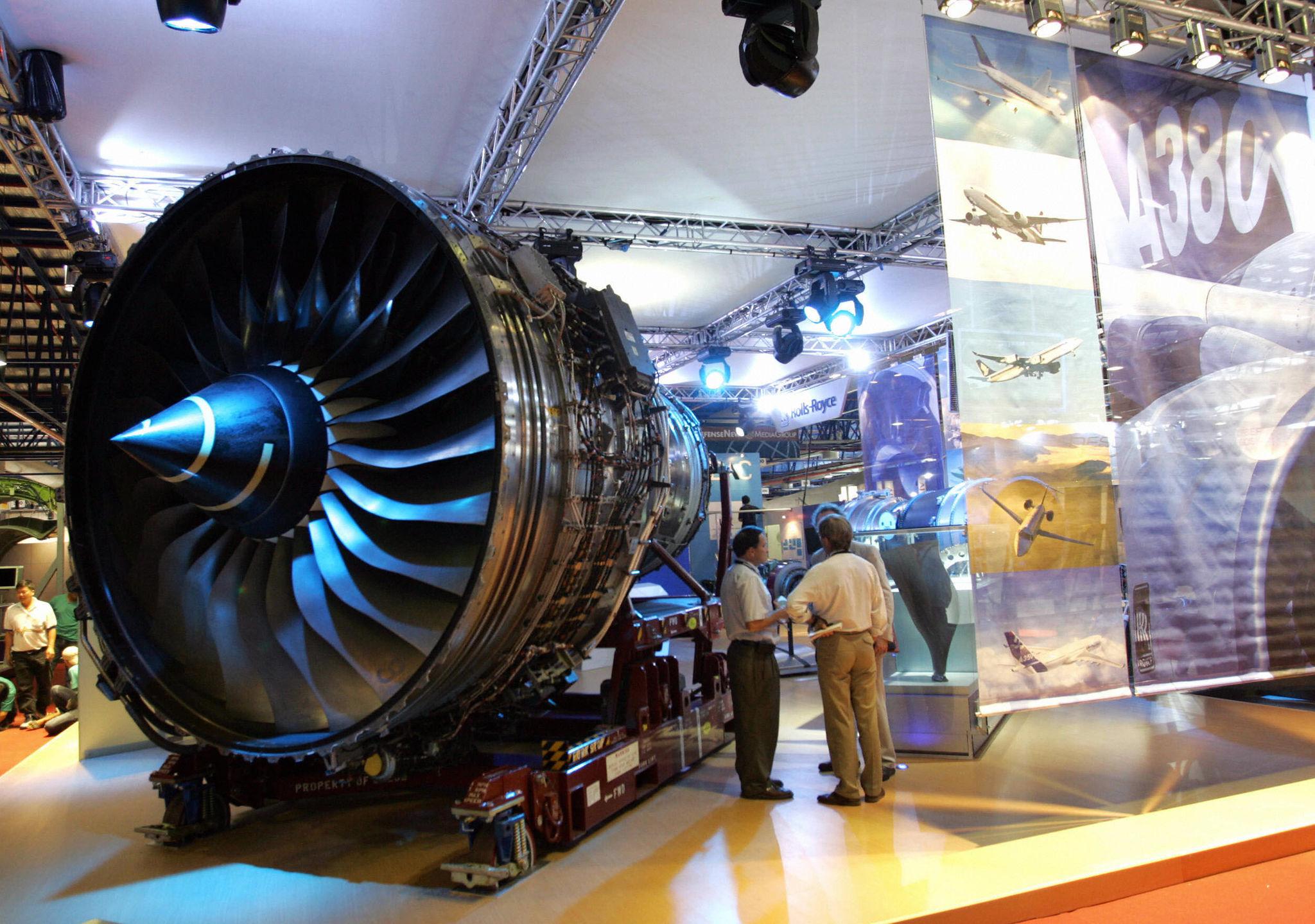
London, February 3, 2026, According to Parliament News, that The global aviation industry is navigating a delicate phase as airlines and manufacturers reassess long-term cost structures, technological investment, and supply chain resilience. At the center of this discussion are Rolls Royce aircraft engines, which have drawn heightened attention amid airline criticism over pricing, maintenance schedules, and service agreements.
The debate highlights broader challenges facing commercial aviation as carriers rebuild balance sheets while preparing for fleet expansion in an increasingly competitive and sustainability-driven market.
Airlines Push Back as Costs Remain Elevated
Airline executives across Europe, Asia, and the Middle East have expressed concern that engine-related costs are placing sustained pressure on operating margins. With fuel, labor, and financing expenses already elevated, propulsion systems have become a focal point of financial scrutiny.
Several operators argue that Rolls Royce aircraft engines account for a significant share of long-haul operating expenditure, particularly on wide-body aircraft where engine performance and maintenance cycles directly influence profitability.
Manufacturer Stands by Lifecycle Cost Model
Rolls-Royce has defended its pricing framework by emphasizing the complexity and longevity of modern jet engines. Company representatives stress that engines are not simple products but integrated systems designed to operate safely and efficiently over decades.
According to the manufacturer, the value proposition of Rolls Royce aircraft engines must be evaluated over their entire lifecycle, including performance monitoring, reliability improvements, and safety compliance rather than upfront acquisition cost alone.
Long Term Service Agreements Under Scrutiny
A central point of contention involves long-term service agreements that bundle maintenance, repair, and overhaul services into engine contracts. Airlines acknowledge that these agreements provide predictability but argue that they can restrict flexibility during downturns.
Rolls-Royce maintains that these contracts are essential to ensuring consistent performance and safety standards, reinforcing the operational integrity of Rolls Royce aircraft engines across global fleets.
Supply Chain Disruptions Add Structural Pressure
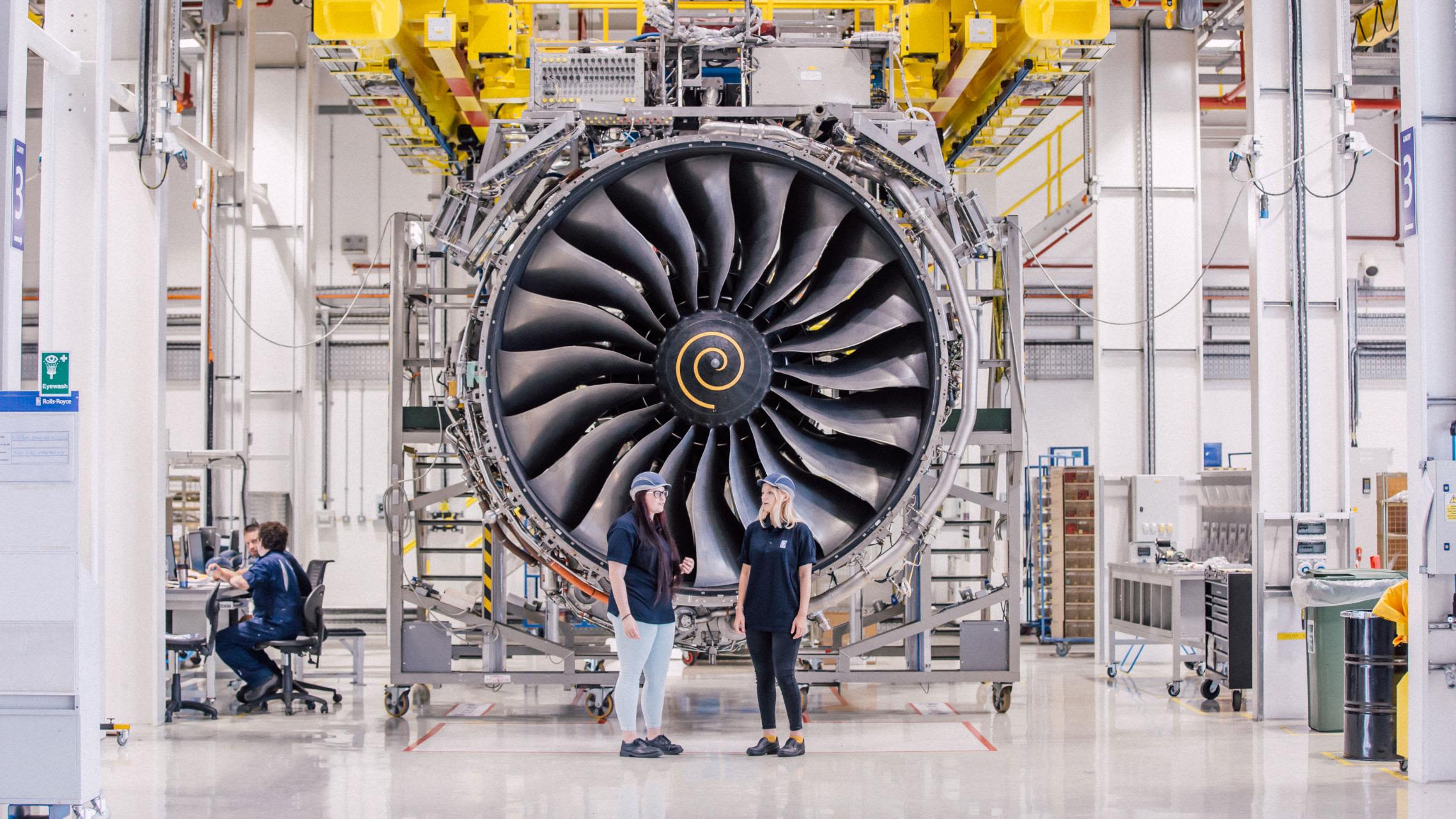
The aerospace sector continues to grapple with supply chain disruptions affecting materials, skilled labor, and component availability. These challenges have increased production and servicing costs across the industry.
Industry analysts say pricing adjustments linked to Rolls Royce aircraft engines reflect not only engineering investment but also the need to secure resilient supply networks capable of meeting strict certification requirements.
Technology Investment Remains a Cost Driver
Modern jet engines incorporate advanced materials, digital monitoring systems, and fuel-efficiency technologies. Rolls-Royce has invested heavily in improving time-on-wing performance and reducing emissions.
The company argues that pricing associated with Rolls Royce aircraft engines supports ongoing innovation, enabling airlines to benefit from lower fuel burn and improved reliability over time.
Airline Industry Calls for Greater Transparency
Despite manufacturer assurances, airline groups continue to call for clearer insight into cost structures. Operators argue that better transparency would improve trust and enable more balanced negotiations.
Some industry leaders suggest that pricing discussions around Rolls Royce aircraft engines should involve shared-risk mechanisms that align incentives between airlines and manufacturers.
One Industry Voice Captures the Tension
One senior airline executive said,
“The engine industry must recognize the financial reality airlines face and adapt pricing models that share risk more evenly while still supporting innovation.”
Competitive Dynamics Shape Negotiations
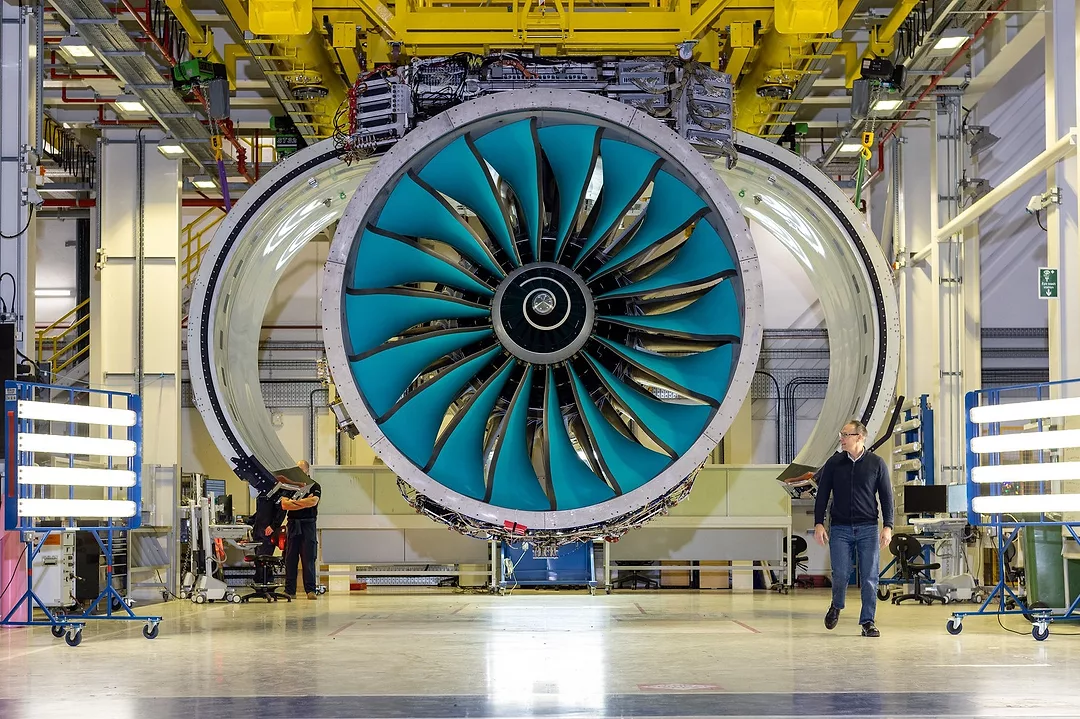
Rolls-Royce operates in a competitive propulsion market alongside other global engine makers. While airlines can choose between suppliers when ordering aircraft, switching engines later involves significant cost and operational complexity.
As a result, negotiations surrounding Rolls Royce aircraft engines often influence wider industry benchmarks and long-term fleet planning decisions.
Regulatory and Safety Obligations Remain Central
Aircraft engines are subject to some of the world’s most demanding safety regulations. Certification, inspection, and compliance requirements impose substantial ongoing costs.
Rolls-Royce emphasizes that pricing for Rolls Royce aircraft engines ensures compliance with global aviation authorities while prioritizing passenger safety above all else.
Financial Stress Across the Aviation Value Chain
The engine pricing debate reflects broader financial strain across aviation. Airlines, manufacturers, and suppliers all face pressure to invest in sustainability while maintaining profitability.
Market observers note that disputes involving Rolls Royce aircraft engines highlight structural challenges rather than isolated disagreements.
Sustainability Goals Influence Engine Strategy
Environmental targets are reshaping aircraft design and engine development. Airlines are under increasing pressure to reduce emissions, making efficient propulsion systems essential.
Rolls-Royce has positioned Rolls Royce aircraft engines as a key component of aviation’s transition toward lower emissions through efficiency gains and future technology pathways.
Historical Perspective on Engine Development
Rolls-Royce entered commercial aviation in the mid-20th century, evolving from early jet propulsion to becoming a dominant supplier of wide-body engines. Its technological milestones helped shape long-haul air travel and global connectivity.
The evolution of Rolls Royce aircraft engines mirrors the broader history of commercial aviation, marked by innovation cycles, regulatory advances, and shifting airline economics. Over decades, engine development has moved toward greater efficiency, durability, and digital integration.
Market Confidence and Installed Fleet Base
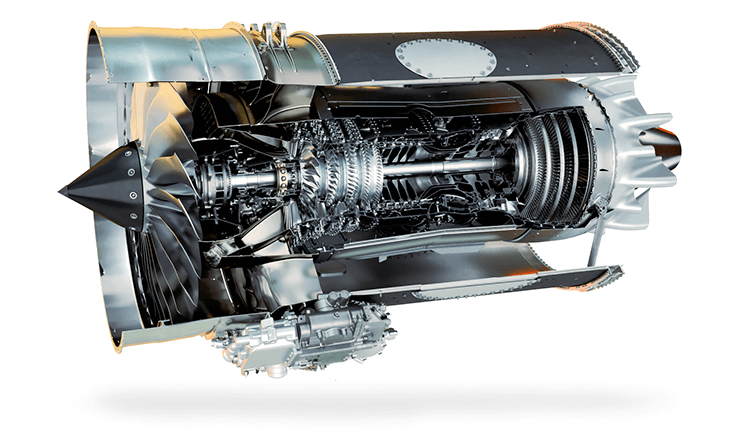
Despite criticism, Rolls-Royce benefits from a large installed fleet that ensures long-term service demand. Airlines operating existing fleets rely heavily on manufacturer support to maintain operational continuity.
Analysts say the scale of Rolls Royce aircraft engines in service provides stability even as pricing debates continue.
Balancing Profitability With Partnership
Industry experts suggest long-term success depends on collaboration rather than confrontation. Sustainable aviation growth requires manufacturers and airlines to align incentives.
The future competitiveness of Rolls Royce aircraft engines may hinge on flexible contract structures that balance innovation funding with airline financial resilience.
Global Travel Recovery Shapes the Debate
As international travel demand continues to recover, fleet utilization is rising. Higher utilization increases wear and maintenance requirements, intensifying cost discussions.
This recovery phase has placed Rolls Royce aircraft engines back at the center of airline financial planning.
Risk Management and Long Term Planning
Operating globally exposes engine manufacturers and airlines to currency, regulatory, and geopolitical risk. Managing these factors requires long-term strategic planning.
Industry analysts say Rolls Royce aircraft engines pricing reflects risk management considerations alongside engineering complexity.
Innovation Cycles Shorten in Modern Aviation
Technological cycles in aviation are accelerating as digital systems enable faster iteration. Engine makers must continuously upgrade designs to remain competitive.
This pace of innovation reinforces the investment demands behind Rolls Royce aircraft engines.
Training and Workforce Implications
Advanced engines require specialized maintenance skills. Airlines and manufacturers must invest in training programs to support next-generation fleets.
The technical sophistication of Rolls Royce aircraft engines has increased demand for highly skilled engineers and technicians worldwide.
Leasing Companies Join the Conversation
Aircraft lessors, who finance a large share of global fleets, are increasingly involved in engine pricing discussions. Engine maintenance costs directly affect asset values.
Their growing role adds another layer of complexity to negotiations involving Rolls Royce aircraft engines.
Long Term Outlook for Engine Manufacturers
Despite near-term disputes, demand for efficient propulsion systems is expected to grow alongside global air travel. Engine makers face pressure to innovate while maintaining cost discipline.
Most analysts agree Rolls Royce aircraft engines will remain a central force in commercial aviation given their technological depth and global footprint.
When Engineering Ambition Meets Economic Reality
The debate surrounding engine pricing illustrates the delicate balance between innovation and affordability. Airlines seek relief, manufacturers seek sustainability, and regulators demand safety.
How Rolls Royce aircraft engines evolve within this balance may define the next decade of commercial aviation partnerships.