

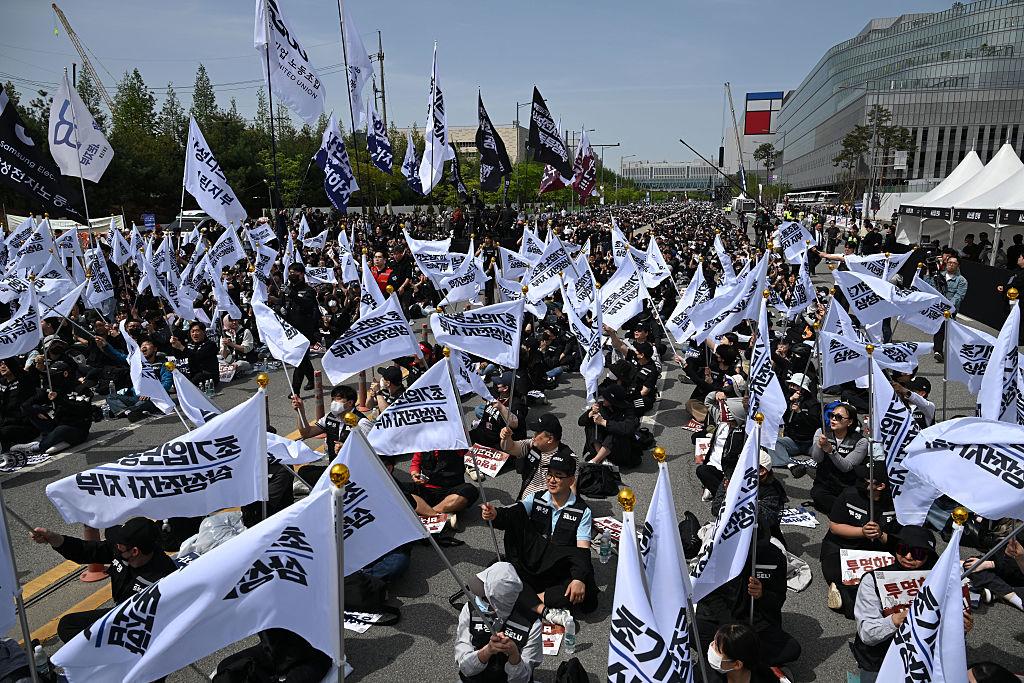
Samsung workforce tensions are rising as union negotiations over pay intensify in South Korea in 2026.
The dispute is drawing global attention due to Samsung’s role in semiconductor supply chains.
Experts warn delays in resolution could impact production and international markets.
Seoul, South Korea (Parliament Politics Magazine) Samsung workforce tensions are intensifying in South Korea 2026, as leadership at Samsung Electronics calls for urgent dialogue with labor unions to resolve ongoing pay disputes. The company’s board chairman has publicly urged both sides to reach an agreement quickly, warning that prolonged disagreements could disrupt operations across one of the world’s most critical technology supply chains.
The situation highlights broader labor challenges in the semiconductor and electronics sectors, where workforce expectations and economic pressures are increasingly intersecting.
Samsung Workforce Tensions in 2026
Location: Seoul, South Korea
Year: 2026
Company: Samsung Electronics
Primary Issue: Samsung workforce tensions over pay disputes
Sector: Semiconductor and consumer electronics
Key Risk: Production disruption and supply chain impact
Market Focus: Labor stability and operational continuity
Outlook: Dependent on successful union negotiations
Chairman Calls for Immediate Resolution
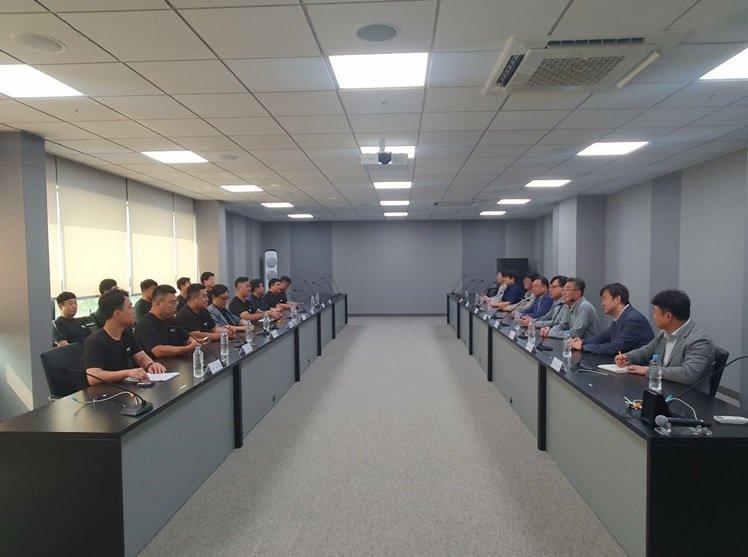
Samsung leadership has stepped forward to address the escalating Samsung workforce tensions, emphasizing the need for cooperation between management and labor unions. The chairman’s message underscores the urgency of resolving disputes before they affect production timelines.
A senior company official stated:
“The strength of Samsung lies in its people, and unity is essential for continued growth.”
This reflects a broader effort by leadership to stabilize internal dynamics while maintaining global competitiveness.
Labor Demands Intensify Across the Tech Sector
The rise in Samsung workforce tensions mirrors a wider trend across global technology industries. Workers are increasingly advocating for higher wages, improved benefits, and better working conditions as inflation and economic uncertainty continue to influence labor markets.
In South Korea, labor unions have gained stronger influence in recent years, leading to more structured negotiations and higher expectations from employees.
Potential Impact on Semiconductor Production
Samsung plays a pivotal role in global semiconductor manufacturing. Any disruption caused by Samsung workforce tensions could have far-reaching consequences for industries reliant on chip supply, including automotive, consumer electronics, and telecommunications.
Supply chain analysts warn that even short-term disruptions could create ripple effects across global markets.
A supply chain expert noted:
“When a company like Samsung experiences internal strain, the impact is rarely contained—it spreads across industries.”
Negotiation Challenges Between Management and Unions
At the core of Samsung workforce tensions are disagreements over wage increases, bonuses, and working conditions. Union representatives are pushing for compensation adjustments that reflect rising living costs and company performance.
Negotiations have proven complex, as management seeks to balance financial sustainability with employee satisfaction.
Market Reaction and Investor Concerns
Investors are closely monitoring developments related to Samsung workforce tensions, as prolonged disputes could affect production output and financial performance. While Samsung remains a dominant player in the technology sector, uncertainty around labor relations introduces additional risk.
Market analysts suggest that a timely resolution will be critical to maintaining investor confidence.
Competitive Pressure in the Global Tech Industry
The persistence of Samsung workforce tensions comes at a time when global competition in the semiconductor industry is intensifying. Rival companies are expanding production capabilities, making stability a key competitive advantage.
If disruptions occur, competitors may gain ground in critical markets.
Consumer Confidence and Brand Perception
Public perception is another factor influenced by Samsung workforce tensions. Consumers are increasingly aware of labor practices and corporate responsibility, which can affect brand loyalty.
Maintaining a positive reputation requires transparent communication and fair labor practices.
Technological Leadership Under Pressure
Samsung’s leadership in innovation is being tested by the internal challenges posed by Samsung workforce tensions. The company must balance technological advancement with workforce stability to sustain long-term growth.
This situation highlights the importance of aligning corporate strategy with employee expectations.
History of Labor Relations at Samsung
Samsung’s relationship with labor unions has evolved significantly over the decades. Historically resistant to unionization, the company has gradually adapted to changing labor dynamics.
The current Samsung workforce tensions represent a new phase in this evolution, where employee voices carry greater influence and expectations are higher than ever.
Broader Economic Implications for South Korea
As one of South Korea’s largest employers, Samsung’s labor relations have a significant impact on the national economy. The outcome of Samsung workforce tensions could influence wage standards, labor policies, and corporate practices across multiple industries.
Economic observers are closely watching how the situation unfolds.
Future Outlook for Samsung and Its Workforce
The resolution of Samsung workforce tensions will play a crucial role in determining the company’s operational stability and growth trajectory. Both management and unions have strong incentives to reach an agreement that ensures long-term success.
Industry experts believe that collaboration and compromise will be key to resolving the dispute.
Key Developments
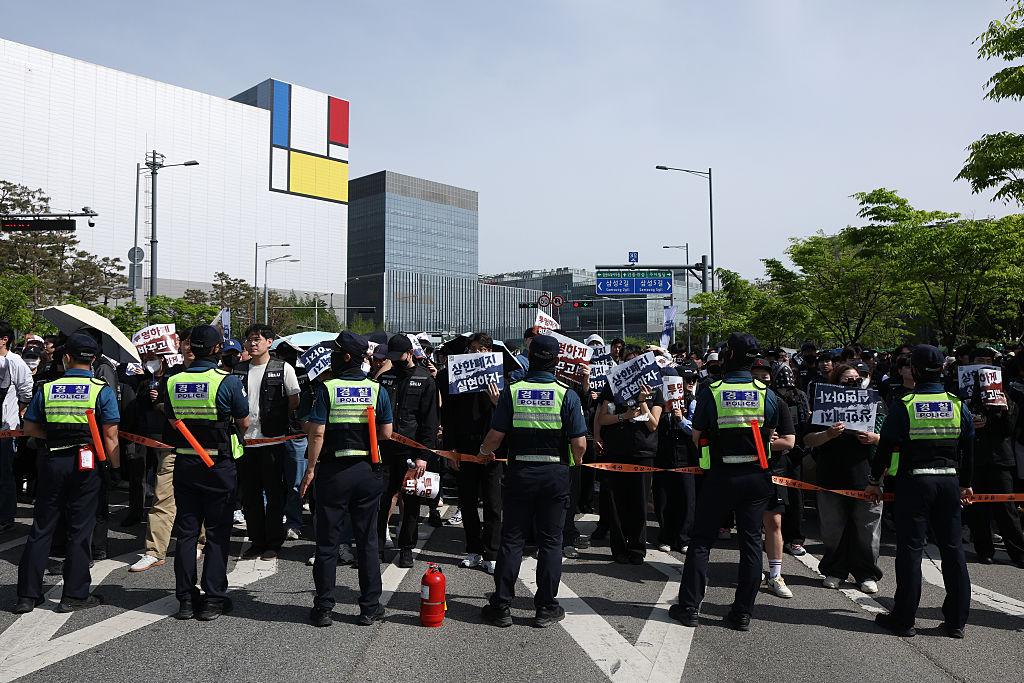
Samsung workforce tensions are escalating as leadership urges unions to resolve pay disputes. The situation highlights broader labor challenges in the global technology sector and raises concerns about potential production disruptions. A timely resolution is critical to maintaining stability in one of the world’s most important technology companies.
