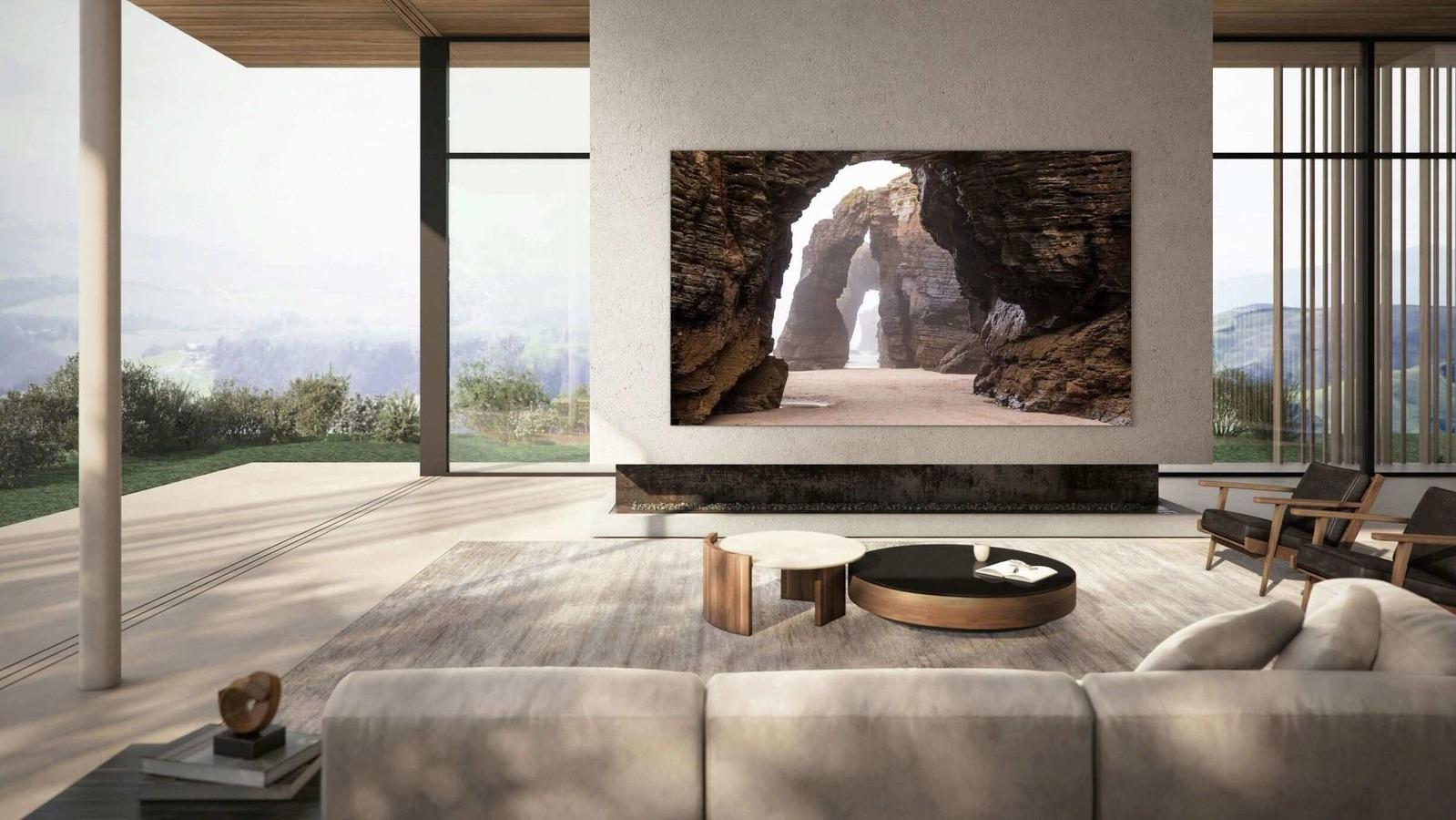
MicroLED technology future is accelerating in 2026 as Samsung adjusts leadership strategy.
The company aims to strengthen innovation amid fierce global competition in premium displays.
Next-generation TV technology is reshaping how consumers experience visual content.
Seoul, South Korea, (Parliament Politics Magazine) MicroLED technology future is becoming a central focus in the global display industry as Samsung Electronics appoints a new head of its television division. The leadership shift comes at a critical moment when competition is intensifying and next-generation display innovation is reshaping consumer expectations.
The move signals Samsung’s intention to accelerate development in MicroLED displays, a technology widely seen as the next major breakthrough in television performance. With rivals rapidly advancing OLED capabilities, the company is positioning itself to lead the next phase of display evolution.
MicroLED Technology Future 2026
- Focus Keyword: MicroLED technology future
- Industry Segment: Consumer electronics & display technology
- Key Company: Samsung Electronics
- Core Innovation: MicroLED, QLED, AI-powered displays
- Primary Driver: Demand for premium viewing experiences
- Technology Trend: Self-emissive displays with higher brightness
- Market Challenge: OLED competition and cost efficiency
- 2026 Outlook: Strong innovation with gradual adoption growth
Samsung Leadership Change Signals Strategic Direction
Samsung’s appointment of a new TV chief reflects a broader strategic adjustment aimed at strengthening its leadership in premium display technology. The company has consistently led the global television market, but increasing competition is forcing a renewed focus on innovation.
Industry observers suggest the leadership shift is closely tied to accelerating development in MicroLED, which promises superior brightness, contrast, and longevity compared to existing technologies.
A senior analyst noted:
“MicroLED represents the next frontier in display innovation, and leadership alignment is critical to executing that vision.”
Growing Competition in Premium Television Market
The global television industry is becoming increasingly competitive, with companies such as LG Electronics and Sony expanding their OLED offerings.
While OLED has gained popularity for its deep blacks and color accuracy, MicroLED offers potential advantages in brightness and durability. However, cost and scalability remain key challenges.
Samsung’s strategy appears focused on overcoming these barriers while maintaining its position in high-end display markets.
Why MicroLED Is Considered a Breakthrough Technology
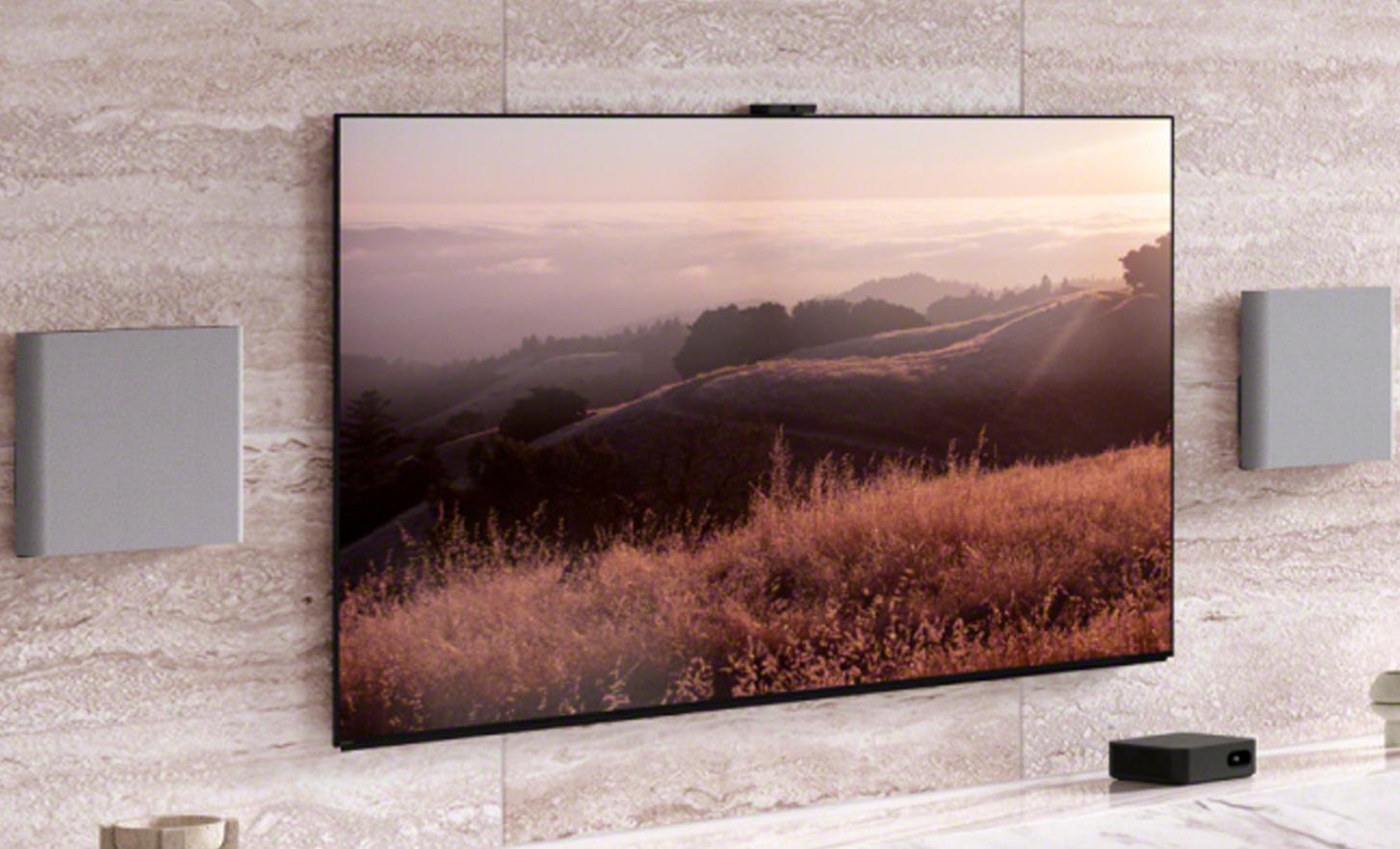
MicroLED technology differs from traditional display systems by using microscopic LEDs that emit their own light. This eliminates the need for backlighting, resulting in:
- Higher brightness levels
- Improved energy efficiency
- Longer lifespan
- Enhanced color accuracy
These features make MicroLED a strong candidate for future premium televisions and commercial displays.
The Role of Artificial Intelligence in Display Innovation
AI is playing an increasingly important role in television technology. From optimizing picture quality to enhancing audio performance, intelligent systems are transforming user experiences.
Samsung has been integrating AI features into its televisions, enabling real-time adjustments based on content and environment.
A technology expert commented:
“The future of display technology lies at the intersection of hardware innovation and intelligent software.”
Market Trends Driving MicroLED Technology Future
Several trends are shaping the future of MicroLED technology:
- Growing demand for ultra-large displays
- Expansion of smart home ecosystems
- Increased adoption of streaming services
- Consumer preference for premium viewing experiences
These factors are creating opportunities for manufacturers to introduce advanced display solutions.
History of MicroLED Development
MicroLED technology has evolved over the past decade as researchers sought alternatives to traditional LCD and OLED displays. Early prototypes demonstrated exceptional performance but faced significant manufacturing challenges.
Advancements in production techniques have gradually improved scalability, bringing MicroLED closer to commercial viability. Today, major companies are investing heavily in this technology as the next step in display innovation.
Challenges Facing MicroLED Adoption
Despite its potential, MicroLED technology faces several obstacles:
- High production costs
- Complex manufacturing processes
- Limited availability in consumer markets
- Competition from established OLED technology
Overcoming these challenges will be essential for widespread adoption.
Supply Chain and Manufacturing Considerations
The production of MicroLED displays requires advanced manufacturing capabilities and precise assembly processes. Supply chain efficiency plays a critical role in reducing costs and improving scalability.
Samsung’s global manufacturing network provides a strong foundation for expanding MicroLED production, but continued investment will be necessary.
Industry Quotes Reflect Strategic Importance
“MicroLED has the potential to redefine the television industry.”
“Display innovation is accelerating faster than ever before.”
“The companies that lead in next-generation displays will shape the future of consumer electronics.”
Future Outlook for MicroLED Technology Future
The outlook for MicroLED technology future remains promising as companies continue to invest in research and development. While adoption may be gradual, the long-term potential is significant.
Samsung’s leadership change indicates a commitment to driving innovation and maintaining its competitive edge in the evolving display market.
MicroLED Technology Future Drives Industry Evolution
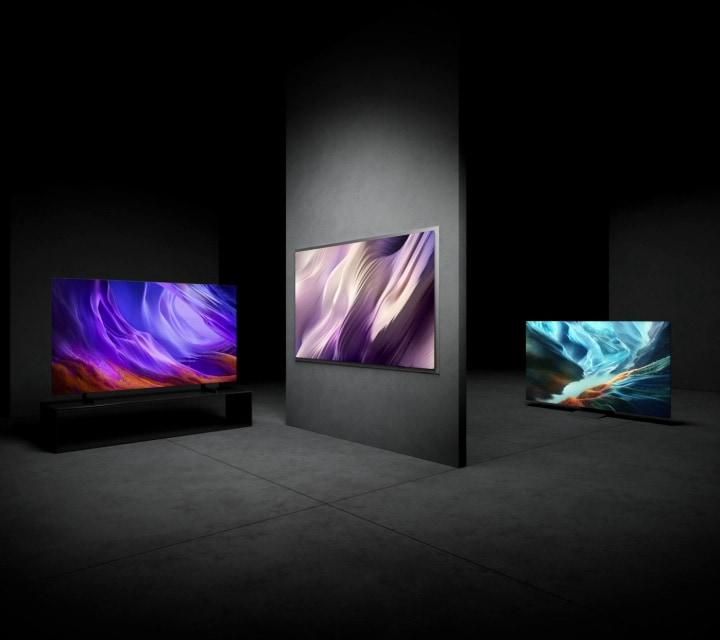
MicroLED technology future is gaining momentum in 2026 as Samsung adjusts its leadership strategy to address rising competition. The company’s focus on next-generation display innovation highlights the importance of staying ahead in a rapidly evolving market. As technology advances, MicroLED could become a defining feature of premium televisions.