

Washington, D.C. / Tehran, April 12, 2026 (Parliament Politics Magazine) sanctions impact Iran economy The growing economic strain on Iran is increasingly shaping the geopolitical landscape, as stalled diplomacy with the United States leaves little hope for immediate relief. Officials and analysts say the absence of progress in negotiations is directly contributing to worsening financial conditions inside Iran.
The economic pressure comes amid broader regional tensions, where sanctions continue to limit trade, restrict financial access, and weaken domestic industries. The situation reflects a deepening crisis with both local and global consequences.
Economic pressure intensifies across Iran
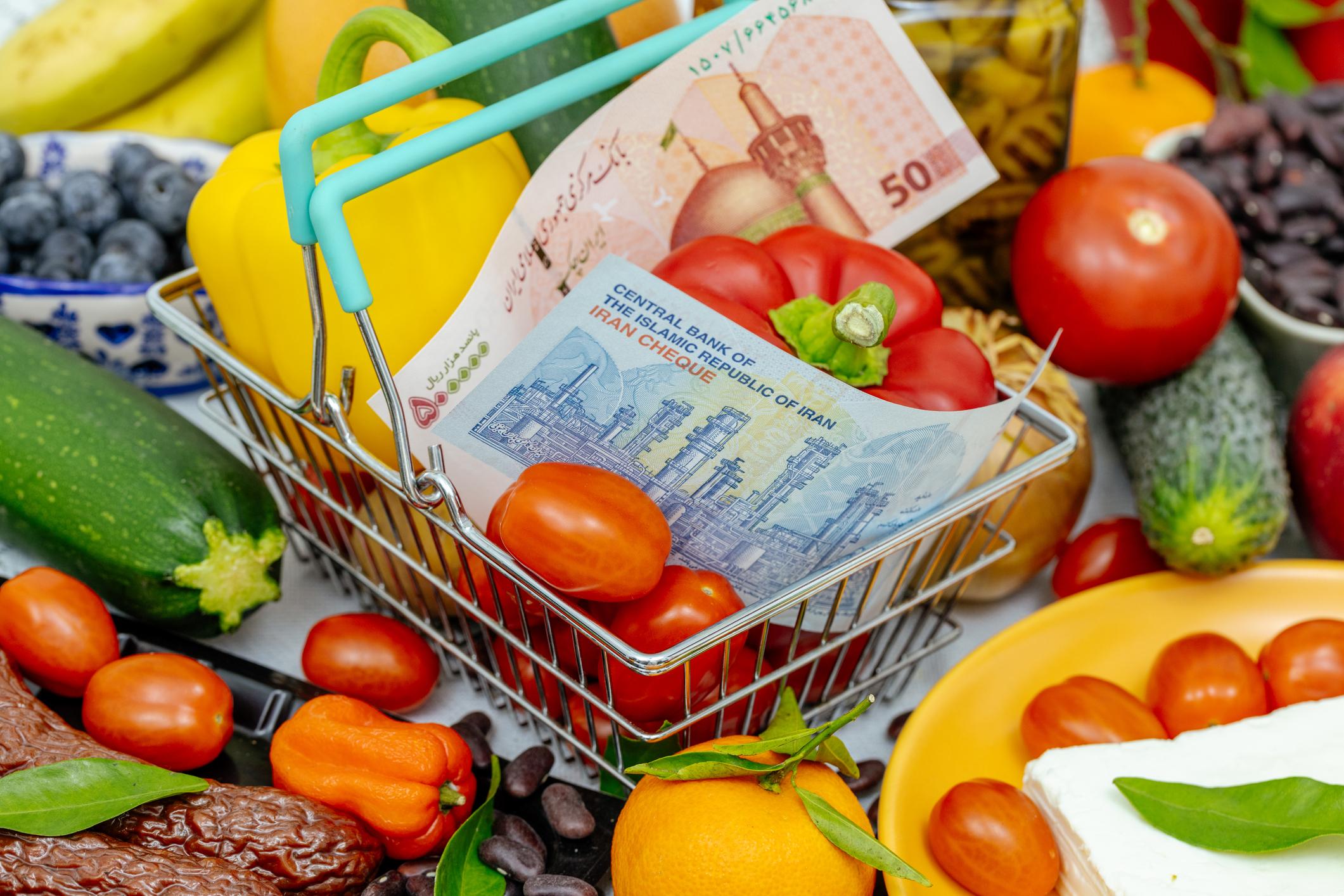
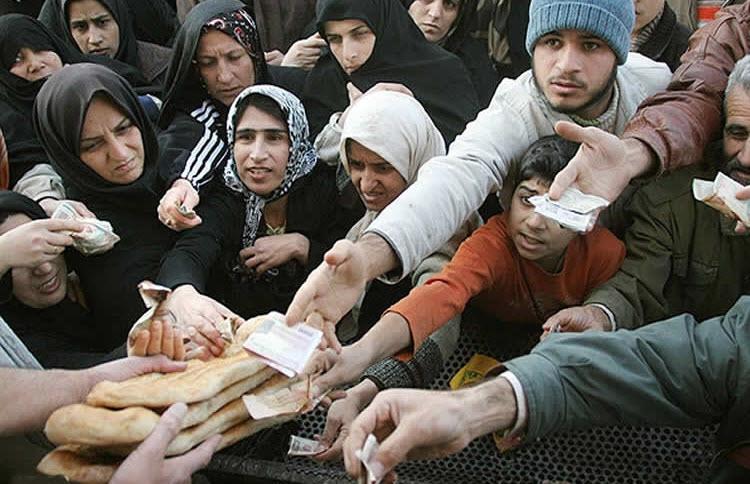
The sanctions impact Iran economy situation has led to rising inflation, unemployment, and declining purchasing power. Prices of essential goods have surged dramatically, placing increased strain on households.
Recent data shows that inflation has accelerated sharply, with some food prices rising by more than 100 percent in the past year. This has pushed millions of Iranians closer to poverty, while businesses struggle to remain operational.
A regional economist stated:
“The economic pressure is no longer gradual—it is immediate and deeply felt across all sectors of society.”
Sanctions remain key obstacle to diplomacy
Sanctions have long been a central issue in negotiations between Washington and Tehran. Iranian officials continue to demand relief as a condition for any meaningful talks, while U.S. policymakers insist on concessions related to nuclear and military programs.
The sanctions impact Iran economy reality highlights why diplomacy remains stalled. Without easing economic restrictions, Tehran has little incentive to re-engage in direct negotiations.
At the same time, Washington views sanctions as leverage, creating a cycle that limits progress on both sides.
War and infrastructure damage worsen crisis
Beyond sanctions, recent conflict has significantly damaged Iran’s infrastructure, further weakening its economy. Key industries, including energy and manufacturing, have suffered major disruptions.
Reports indicate that factories, transportation networks, and energy facilities have been hit, contributing to job losses and declining output.
This combination of war damage and sanctions has created a compounding effect, making recovery increasingly difficult.
Currency instability and rising poverty
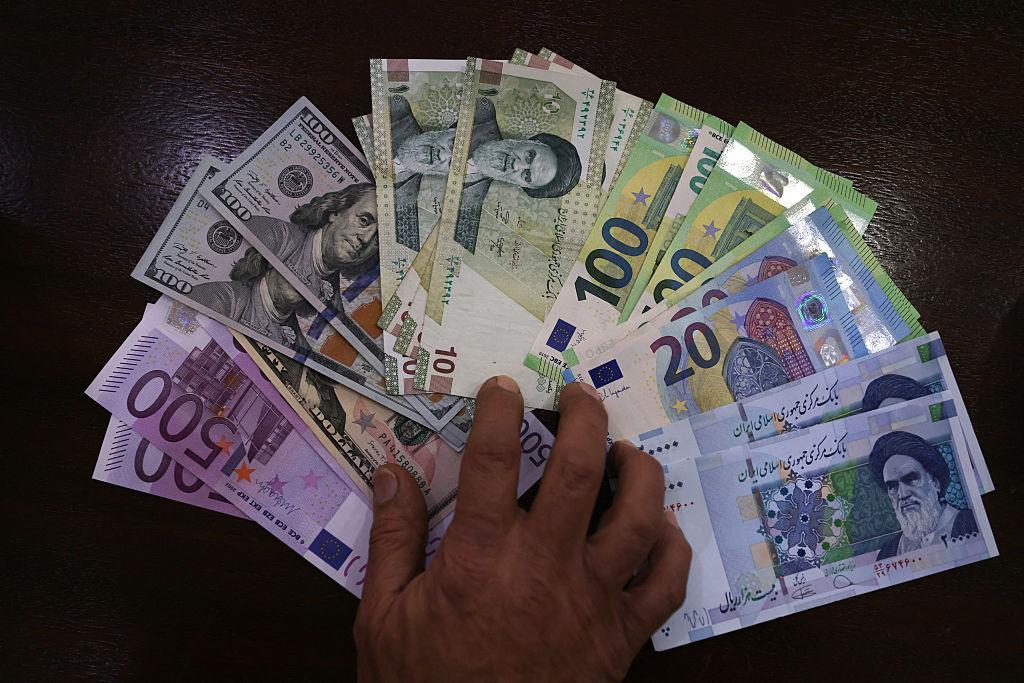
The Iranian currency has faced significant volatility, driven in part by sanctions and reduced access to global financial systems. This has led to a sharp decline in purchasing power.
Estimates suggest that a large portion of the population is now living under or near the poverty line, with economic hardship fueling public frustration.
The sanctions impact Iran economy trend continues to widen the gap between income levels and living costs, creating long-term social challenges.
Global ripple effects from Iran crisis
The economic situation in Iran is not isolated. Rising tensions and sanctions are affecting global markets, particularly energy supplies and trade routes.
Disruptions in the Strait of Hormuz have contributed to volatility in oil prices, impacting economies worldwide.
This sanctions impact Iran economy dynamic is therefore not only a domestic issue but also a global concern, influencing inflation and economic stability beyond the region.
Failed talks increase uncertainty
Recent diplomatic efforts between the United States and Iran have failed to produce a breakthrough, leaving the situation unresolved.
The lack of progress reinforces the sanctions impact Iran economy outlook, as continued restrictions limit economic recovery.
Analysts warn that without renewed negotiations, the economic and political situation could deteriorate further.
Humanitarian concerns continue to grow
Sanctions, while designed to apply political pressure, also have broader humanitarian implications. Access to healthcare, education, and essential services can be affected due to financial restrictions and supply chain disruptions.
For many ordinary citizens, the sanctions impact Iran economy reality is felt in everyday life, from rising food prices to limited access to basic resources.
Regional stability remains at risk
The economic strain on Iran is closely tied to regional stability. As tensions rise, the risk of further conflict increases, potentially drawing in additional actors.
Countries across the Middle East are watching closely, aware that economic pressure can influence political decisions and military strategies.
The sanctions impact Iran economy situation is therefore a key factor in the broader geopolitical equation.
Human cost behind economic pressure
While policy discussions often focus on strategy and leverage, the human cost remains significant. Families face rising costs, limited opportunities, and uncertain futures.
The economic crisis has become a defining issue for millions of Iranians, highlighting the broader impact of geopolitical tensions.
Economic strain shapes the future
The current situation underscores a critical reality: sanctions impact Iran economy in ways that extend beyond financial metrics.
From rising inflation to stalled diplomacy, the consequences are far-reaching. Without progress in negotiations, economic pressure is likely to continue shaping both domestic conditions and international relations.
As global attention remains focused on the region, the need for balanced solutions that address both security and economic concerns becomes increasingly urgent.
