

Missiles targeting a Saudi military installation triggered air defense alerts near Riyadh.
Defense systems intercepted incoming projectiles before impact.
Officials say the Saudi air base attack highlights rising regional security risks.
Saudi Air Base Attack Intercepted Near Riyadh
RIYADH, Saudi Arabia — March 7, 2026 (Parliament News): A Saudi air base attack triggered emergency alerts early Sunday after radar systems detected incoming missiles heading toward a strategic military installation outside Riyadh. Saudi air defense units quickly activated interception systems that destroyed the projectiles before they reached the base.
Authorities confirmed that the missiles were neutralized midair after rapid detection by radar and command networks. The swift response prevented damage to military infrastructure and reduced potential risks to nearby communities.
Defense officials said the attempted Saudi air base attack prompted immediate security protocols, including temporary airspace monitoring and heightened alert levels across nearby military installations.
While investigations are ongoing to determine the source of the missiles, the successful interception demonstrated the effectiveness of Saudi Arabia’s expanding air defense capabilities.
Emergency Alerts and Defensive Response
The attempted strike prompted immediate defensive measures across the region surrounding the military installation.
Sirens and automated warning systems alerted personnel stationed at the base and surrounding facilities. Military command centers quickly analyzed radar data to determine the trajectory of the incoming missiles.
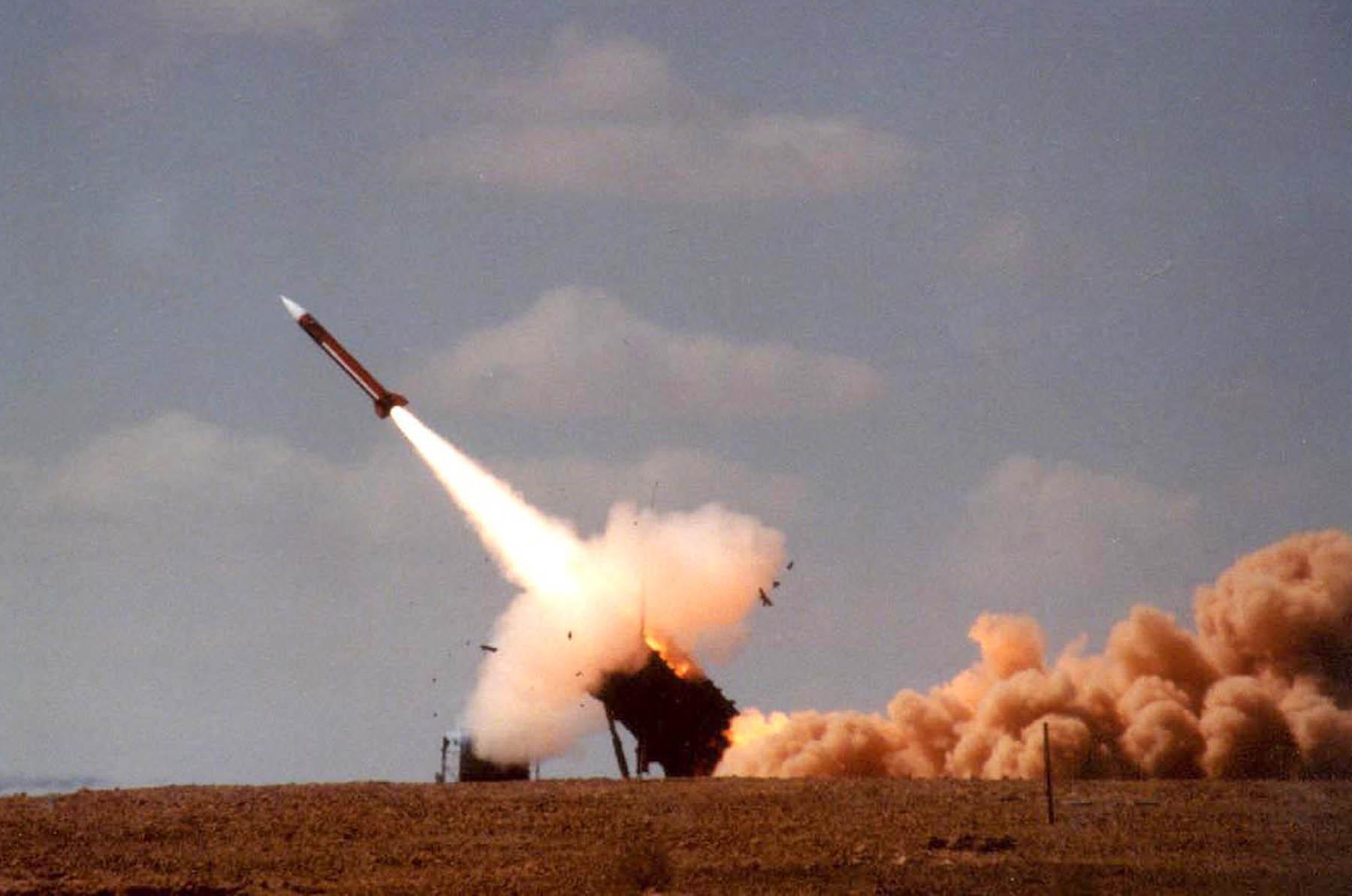
Once the threat was confirmed, interceptor missiles were launched to neutralize the incoming projectiles before they reached the base.
The defensive response to the Saudi air base attack took place within minutes, highlighting the speed at which modern missile defense networks operate.
Emergency responders were also placed on standby in case debris from the interceptions caused damage on the ground. Authorities later confirmed that no casualties were reported.
Strategic Importance of the Targeted Air Base
Military air bases are among the most important components of a nation’s defense infrastructure.
The facility targeted during the Saudi air base attack supports aircraft operations, logistics coordination, and regional surveillance missions. Such bases often serve as hubs for air patrols and rapid response capabilities.
Protecting these installations is essential to maintaining operational readiness.
Defense analysts say attacks against air bases can disrupt military planning and compromise security operations. That is why many strategic bases are protected by layered air defense systems capable of intercepting incoming threats.
The successful interception ensured that the base targeted during the Saudi air base attack remained operational.
Advanced Air Defense Systems in Action
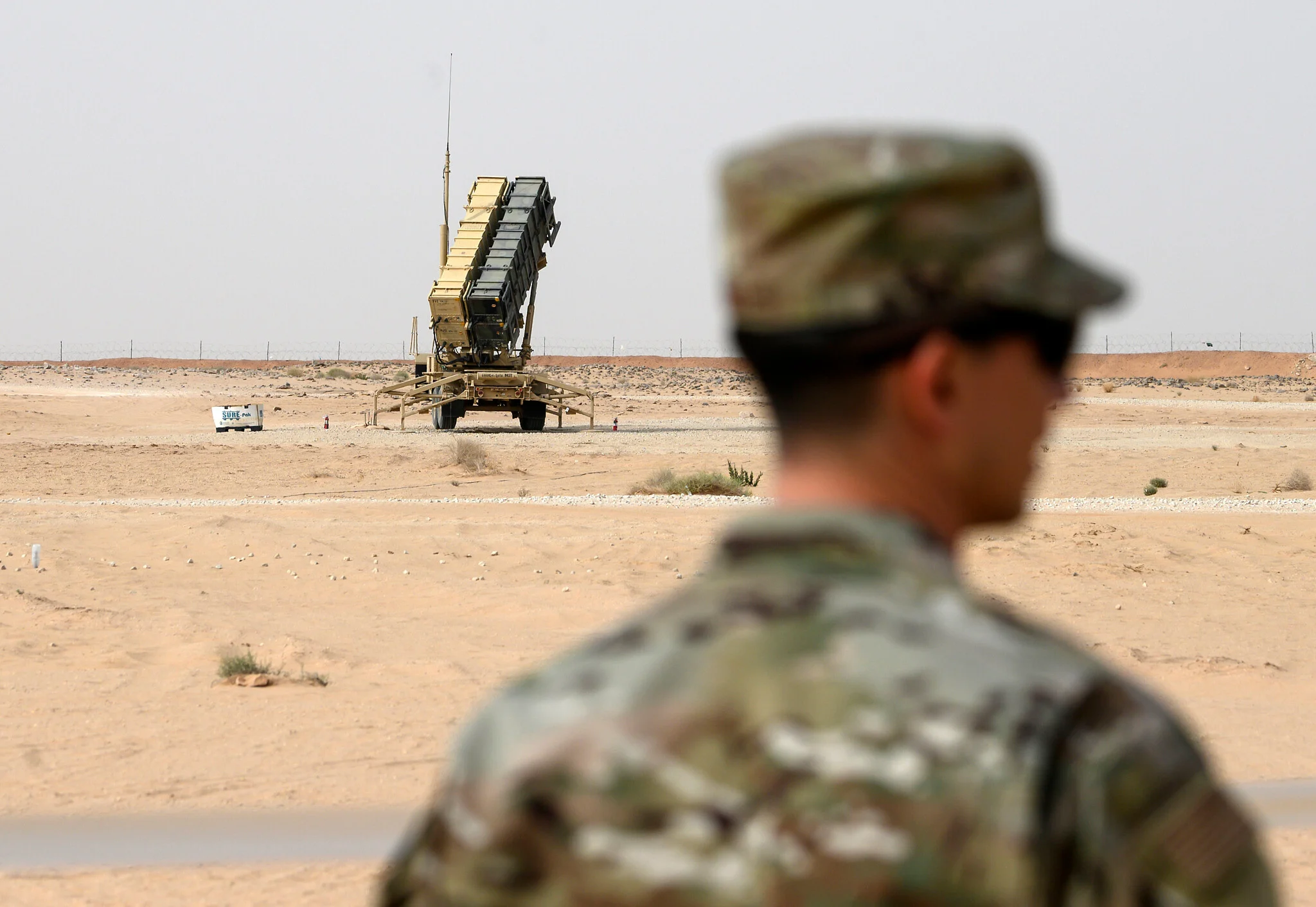
Saudi Arabia has invested heavily in modern air defense systems designed to detect and destroy incoming missiles.
During the Saudi air base attack, radar systems identified the launch trajectory of the missiles shortly after they entered monitored airspace.
Command centers analyzed the data and determined that the projectiles posed a direct threat to the military installation.
Interceptor missiles were then launched to destroy the incoming threats midair.
Defense experts say the speed of the response demonstrates the sophistication of modern missile defense networks.
These systems combine radar detection, high speed interceptor missiles, and automated targeting software to ensure rapid responses to aerial threats.
Regional Security Tensions Continue to Rise
The Saudi air base attack occurred during a period of heightened geopolitical tensions in the Middle East.
Over the past decade, missile attacks and drone strikes have increasingly been used as tools in regional conflicts.
Several countries have expanded their missile capabilities, while others have invested heavily in defensive technologies to counter these threats.
Security analysts warn that the attempted Saudi air base attack illustrates the fragile security environment across the region.
Any escalation could have wider consequences affecting neighboring countries and international trade routes.
One regional security expert explained the importance of missile defense systems:
“Missile interception capabilities are becoming one of the most important safeguards protecting both military infrastructure and civilian populations.”
International Reactions to the Incident
Governments and international organizations closely monitored the Saudi air base attack and the defensive response that followed.
Diplomatic leaders expressed concern about the continued use of missile strikes in regional conflicts.
Some countries called for restraint and emphasized the importance of diplomatic engagement to prevent further escalation.
Defense analysts noted that successful interceptions can reduce the immediate consequences of missile attacks but cannot eliminate the political tensions that often lead to them.
The incident also renewed global discussions about the growing role of missile defense technology in modern security strategies.
Military Experts Assess the Defense Response
Defense analysts examining the Saudi air base attack say the incident demonstrates how modern air defense systems have transformed military planning.
In earlier conflicts, missile attacks often caused significant damage because defensive technologies were limited.
Today, advanced detection and interception systems allow countries to respond within seconds.
Another defense analyst offered a broader perspective:
“Every time a missile interception succeeds, it changes the strategic calculation of those who rely on missile attacks as a military tool.”
Experts believe continued improvements in missile defense technology will play a key role in shaping future regional security policies.
Economic and Energy Market Implications
Security incidents in the Middle East often have immediate effects on global markets.
The region remains one of the most important hubs for oil production and energy transportation.
When the Saudi air base attack occurred, energy markets reacted cautiously as investors monitored developments for signs of escalation.
Even a limited conflict could affect shipping routes and energy supply chains.
However, the rapid interception of the missiles helped prevent damage to critical infrastructure and reassured markets that the situation was under control.
History of Missile Threats Against Saudi Military Sites
Missile attacks targeting Saudi territory have occurred several times over the past two decades.
These incidents prompted the kingdom to expand its investment in missile defense systems and surveillance technology.
The Saudi air base attack reflects the ongoing challenge of protecting military and energy infrastructure from aerial threats.
Earlier incidents demonstrated the vulnerability of strategic facilities to missile strikes.
In response, Saudi Arabia strengthened its air defense network and increased coordination between radar monitoring systems and interceptor missile units.
The goal has been to ensure that incoming threats can be detected and neutralized before they reach critical infrastructure.
Technology Changing Modern Warfare
The response to the Saudi air base attack highlights the growing importance of technology in modern warfare.
Missile interception systems rely on advanced radar sensors, powerful computing systems, and precision guidance technology.
These systems are designed to track multiple threats simultaneously and launch interceptors within seconds.
Defense engineers continue to refine these technologies to improve detection accuracy and interception speed.
As missile technologies evolve, air defense systems must also adapt to counter new threats.
Civilian Preparedness and Safety Measures
Although the attempted Saudi air base attack primarily targeted a military installation, authorities still implemented precautionary measures to protect nearby communities.
Emergency response teams were placed on standby while airspace monitoring continued.
Public safety officials emphasized that preparedness remains an important part of national defense planning.
In areas near strategic facilities, emergency protocols are designed to protect civilians in the event of security incidents.
These measures include warning systems, evacuation planning, and coordination between military and civil defense agencies.
A Region Watching the Skies
Security analysts say the Saudi air base attack is part of a broader pattern of increasing missile threats across the Middle East.
As regional rivalries continue, many countries are investing in both offensive and defensive military technologies.
Missile interception systems are now considered one of the most important components of national defense infrastructure.
While diplomacy remains essential for long term peace, defensive technologies provide immediate protection against sudden attacks.
When Seconds Define Security
Modern missile threats travel at extremely high speeds, leaving very little time for defensive responses.
The Saudi air base attack demonstrates how crucial rapid detection and interception have become in protecting strategic infrastructure.
Defense officials say that without advanced radar systems and interceptor technology, the consequences of such attacks could be far more severe.
Preparation, coordination, and technological innovation all play critical roles in maintaining national security.
As geopolitical tensions continue to shape the region, the attempted Saudi air base attack serves as a reminder that vigilance and technological readiness remain essential for preventing potential disasters.