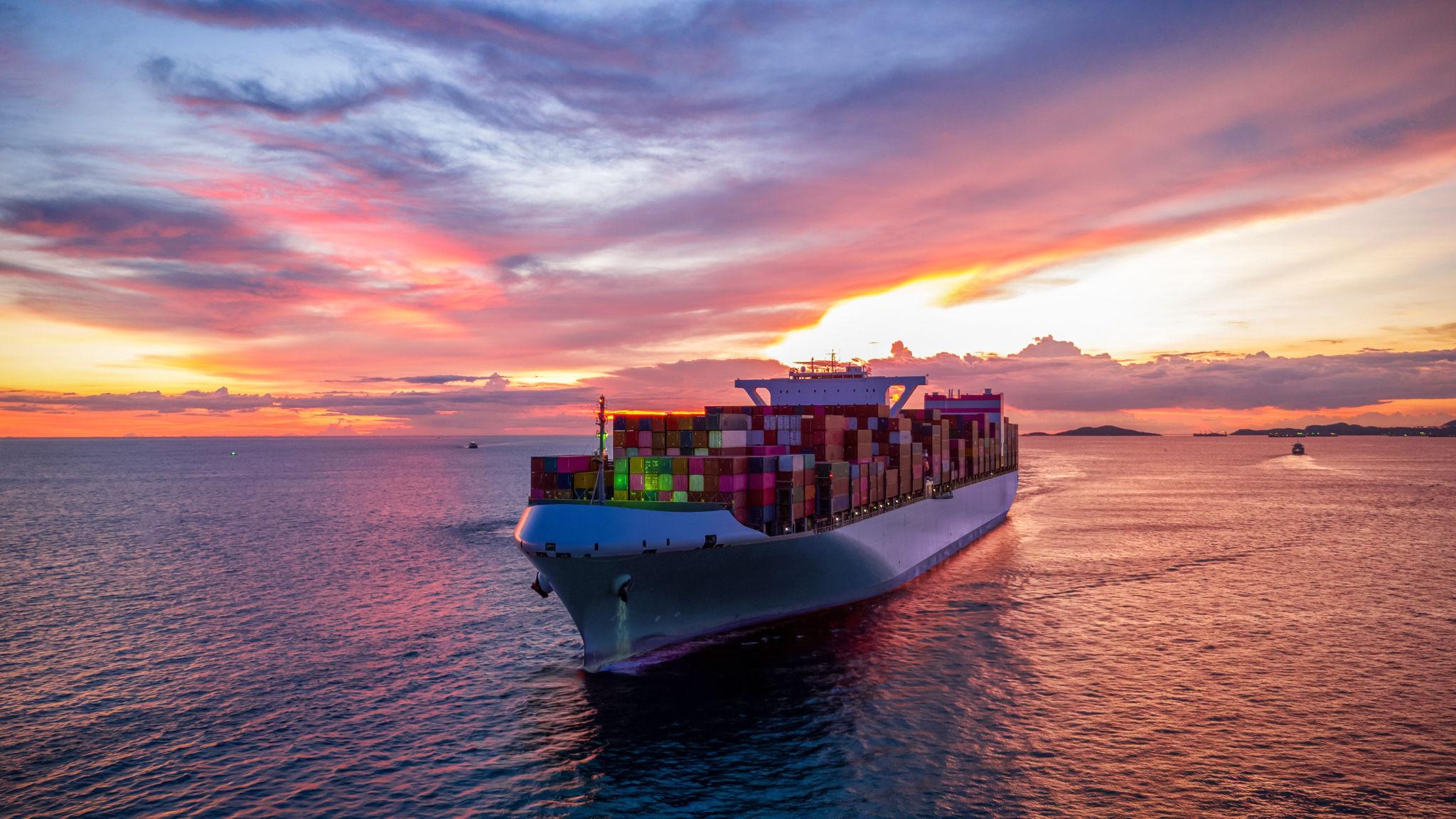
Brussels / Global Shipping Routes, April 09, 2026 (Parliament Politics Magazine) shipping delays global trade are intensifying as a fragile ceasefire fails to restore confidence across major maritime routes. Despite reduced hostilities in key regions, global logistics networks remain under strain, with disruptions continuing to ripple through supply chains and financial markets.
Ongoing Disruptions Across Key Shipping Routes
The persistence of shipping delays global trade reflects the fragile nature of current conditions. Cargo vessels continue to avoid high-risk zones, leading to extended transit times and increased operational costs.
Major shipping lanes, particularly those near conflict-prone regions, are still considered unsafe by many operators. As a result, rerouting has become standard practice, adding days or even weeks to delivery schedules.
Shipping companies are also facing scheduling uncertainties, making it difficult to maintain consistent delivery timelines. These delays are being passed on to businesses and consumers, amplifying economic pressure.
Ceasefire Brings Pause, Not Immediate Recovery
While ceasefires often signal a reduction in active conflict, they do not guarantee stability. The ongoing shipping delays global trade highlight how deeply rooted risks continue to impact maritime operations.
Threats to vessels, uncertainty around security enforcement, and potential disruptions in critical waterways all contribute to hesitation among shipping operators. Even minor incidents can quickly undermine fragile confidence in these routes.
The absence of long-term guarantees means that companies are unwilling to resume normal operations until sustained safety is demonstrated over time.
Rising Costs and Economic Impact
The consequences of shipping delays global trade are being felt across multiple sectors. Increased fuel consumption from longer routes is driving up transportation costs, which are ultimately reflected in higher prices for goods.
Industries dependent on timely deliveries, such as manufacturing and retail, are particularly vulnerable. Delays in raw materials and finished products disrupt production cycles and inventory management.
Global markets are also reacting to the uncertainty. Investors are closely monitoring shipping conditions, recognizing their critical role in maintaining economic stability.
A logistics analyst noted:
“What we’re seeing is not just a temporary slowdown—it’s a systemic disruption that could reshape global trade patterns.”
Insurance Premiums and Risk Management Challenges
Insurance costs have surged as shipping delays global trade continue to expose vessels to heightened risks. Insurers are adjusting premiums to reflect the uncertain security environment, particularly in high-risk regions.
Some operators are choosing to avoid these routes altogether, prioritizing safety over efficiency. However, this decision comes at a cost, as alternative routes are longer and less predictable.
Risk management has become a central focus for shipping companies. Enhanced monitoring systems and contingency planning are now essential components of operations in the current environment.
Port Congestion and Operational Bottlenecks
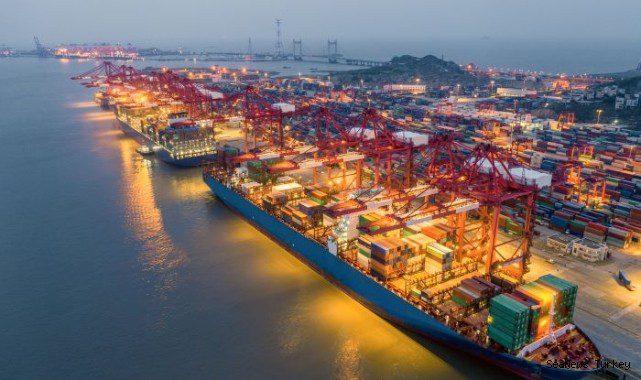
The impact of shipping delays global trade extends beyond vessels at sea. Ports are experiencing increased congestion as delayed shipments arrive unpredictably.
This creates bottlenecks that further slow the movement of goods. Port authorities are struggling to manage fluctuating volumes, leading to inefficiencies and longer turnaround times.
In some regions, infrastructure damage and labor shortages are compounding these challenges. The result is a cascading effect that disrupts the entire logistics chain.
Global Supply Chains Under Pressure
Businesses worldwide are adapting to the reality of shipping delays global trade. Many are reevaluating supply chain strategies to reduce reliance on vulnerable routes.
Diversification has become a key approach, with companies sourcing materials from multiple regions to mitigate risk. Others are increasing inventory levels to buffer against delays.
However, these adjustments come with their own costs, further contributing to inflationary pressures in global markets.
Geopolitical Uncertainty Continues to Influence Trade
The persistence of shipping delays global trade is closely tied to ongoing geopolitical tensions. Even with ceasefires in place, underlying conflicts remain unresolved.
Shipping companies must navigate a complex landscape where political developments can quickly alter risk levels. This uncertainty makes long-term planning difficult and discourages a return to normal operations.
Without clear and sustained diplomatic progress, the risks to global shipping are likely to remain elevated.
What Lies Ahead for Global Shipping
Experts believe that recovery from shipping delays global trade will be gradual. Restoring confidence in maritime routes requires consistent stability and visible improvements in security.
International cooperation, increased naval presence, and stronger enforcement mechanisms may help improve conditions over time. However, these measures take time to implement and may not provide immediate relief.
In the meantime, businesses and consumers should prepare for continued disruptions and higher costs.
Delays Signal Deeper Global Trade Challenges
The persistence of shipping delays global trade underscores the broader challenges facing global commerce. A ceasefire alone is not enough to restore stability, as underlying risks continue to shape the shipping environment.
Until confidence is rebuilt and conditions stabilize, delays are likely to remain a defining feature of global trade in 2026.
Shipping Delays Continue to Disrupt Global Trade
Shipping delays global trade are worsening despite ceasefire efforts, with ongoing risks, rising costs, and supply chain disruptions signaling a prolonged recovery period. Businesses and markets must adapt to an uncertain and evolving global trade landscape.