

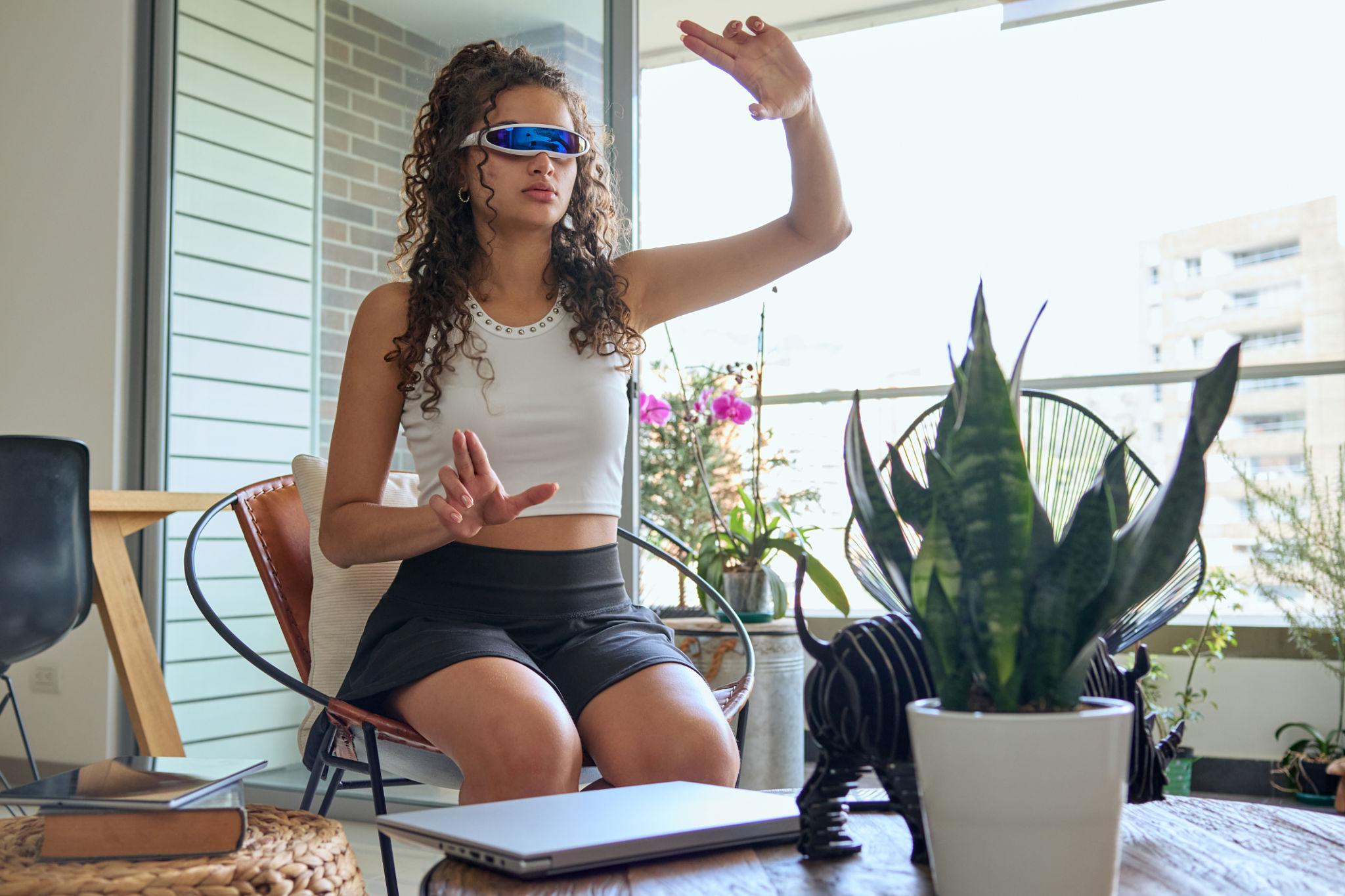
Global Markets, APRIL 21, 2026 ( Parliament Politics Magazine ) Smart eyewear industry analysis shows a rapidly evolving market where innovation is accelerating, but profitability remains under pressure. In 2026, global demand for wearable technology is rising, yet companies face a critical challenge—expanding smart glass sales without damaging margins.
The sector, led by major players including EssilorLuxottica, is navigating a turning point. As technology becomes more integrated into everyday eyewear, businesses must strike a balance between scaling production and maintaining financial discipline.
Demand Growth Signals Opportunity Across the Sector
The latest smart eyewear industry analysis highlights increasing consumer interest in connected devices that combine functionality with fashion. Smart glasses are no longer experimental gadgets; they are gradually becoming mainstream accessories.
Key growth drivers include:
- Rising adoption of wearable technology
- Integration with smartphones and digital ecosystems
- Increased demand for hands-free connectivity
- Expanding applications in health, fitness, and productivity
Despite these positive indicators, analysts caution that growth alone does not guarantee sustainable profitability.
Cost Structures Challenge Profit Margins
A deeper smart eyewear industry analysis reveals that production costs remain a major concern. Unlike traditional eyewear, smart glasses require advanced components such as sensors, processors, and batteries.
These additions increase:
- Manufacturing complexity
- Supply chain dependency
- Research and development expenses
- After-sales service requirements
Companies must carefully manage these costs to prevent margin erosion, especially as competition intensifies.
A market strategist explained:
“The smart eyewear industry analysis clearly shows that scaling too quickly without cost control could turn a high-growth opportunity into a margin squeeze.”

Competitive Pressure Intensifies Across Global Markets
The smart eyewear industry analysis also underscores rising competition. Technology firms and startups are aggressively entering the wearable space, bringing innovation but also pricing pressure.
Established eyewear leaders like EssilorLuxottica benefit from strong brand equity and distribution networks. However, they must compete with tech-driven companies that prioritize rapid innovation cycles.
This competitive landscape forces companies to:
- Accelerate product development
- Enhance user experience
- Maintain competitive pricing
- Differentiate through design and comfort
Consumer Adoption Remains Uneven
While interest is growing, the smart eyewear industry analysis indicates that widespread adoption is still developing. Consumers continue to evaluate whether smart glasses provide enough value for everyday use.
Barriers to adoption include:
- Limited battery life
- Concerns over privacy and data security
- High initial costs
- Questions about long-term usability
Companies must address these concerns to transition from early adopters to mass-market consumers.
Innovation vs. Profitability: A Delicate Balance
The smart eyewear industry analysis highlights a key dilemma—innovation requires investment, but excessive spending can impact margins.
To navigate this, companies are focusing on:
- Improving production efficiency
- Partnering with technology providers
- Leveraging economies of scale
- Introducing tiered pricing strategies
These measures aim to balance growth with financial stability, ensuring long-term success in the sector.
Investor Attention Focused on Long-Term Returns
Investors are closely following the smart eyewear industry analysis as companies expand into this emerging category. While the potential for revenue growth is significant, profitability timelines remain uncertain.
Key investor concerns include:
- Operating margin trends
- R&D investment levels
- Market share growth
- Competitive positioning
The ability to demonstrate sustainable returns will be critical in maintaining investor confidence.
Global Expansion Adds Complexity
The smart eyewear industry analysis points to strong growth opportunities in emerging markets. However, these regions also present unique challenges, including pricing sensitivity and infrastructure limitations.
Companies must tailor their strategies to local conditions while maintaining brand consistency. This requires careful planning and execution to avoid margin dilution.
Risks That Could Impact the Industry
Several risks identified in the smart eyewear industry analysis could influence future growth:
- Rising component costs
- Supply chain disruptions
- Regulatory scrutiny
- Rapid technological changes
- Slower-than-expected adoption
Managing these risks will be essential for companies aiming to scale successfully.
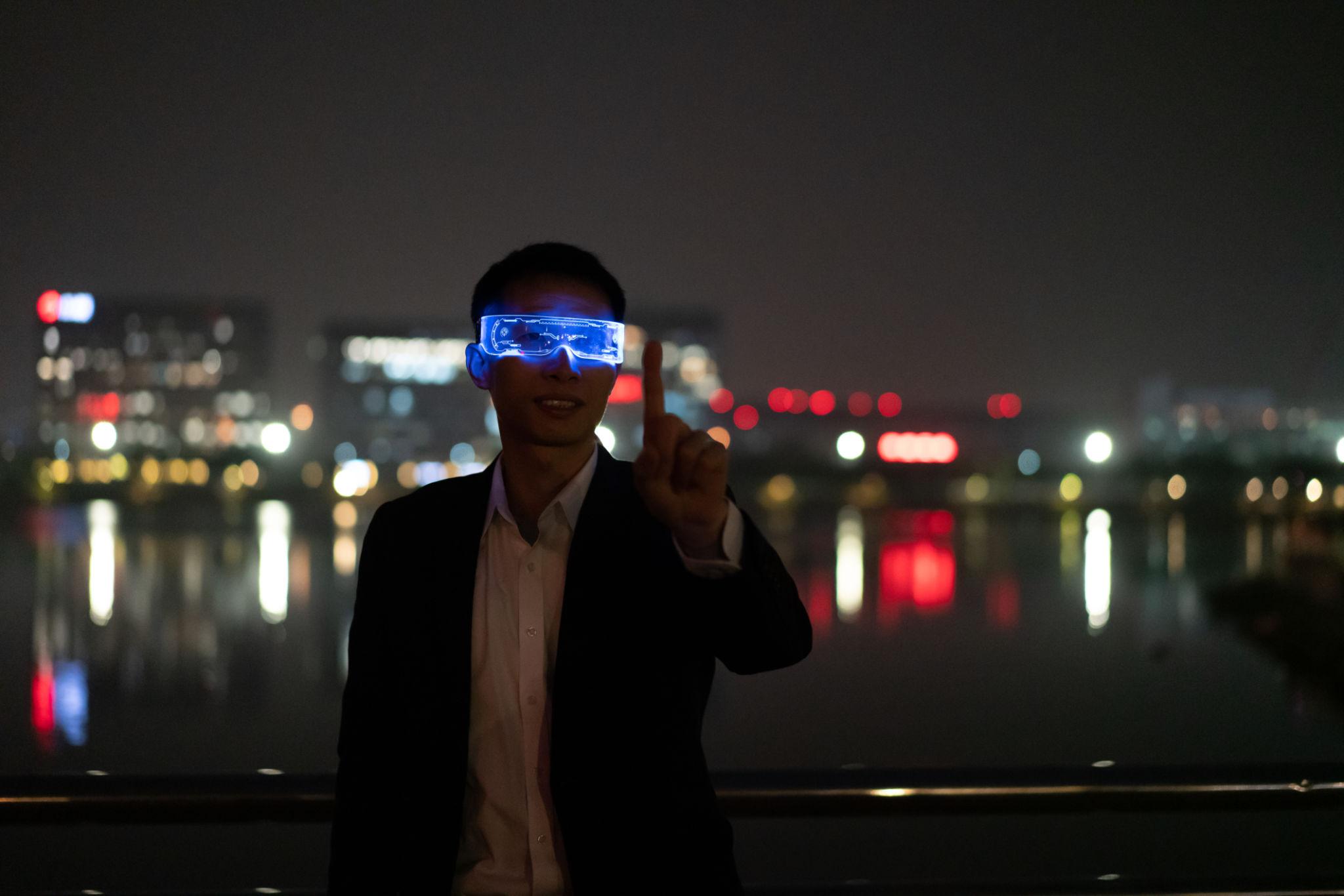
Outlook: A Defining Phase for Smart Eyewear
The smart eyewear industry analysis suggests that 2026 will be a defining year. Companies that successfully balance innovation with cost control are likely to emerge as market leaders.
The path forward depends on:
- Efficient scaling of production
- Strong consumer engagement
- Continuous product innovation
- Effective margin management
Failure to achieve this balance could limit the long-term potential of smart eyewear.
Smart Eyewear Industry Analysis Key Takeaways
The smart eyewear industry analysis reveals a market at a critical crossroads. Demand is rising, but companies face increasing pressure to maintain profitability amid higher costs and intense competition.
The future of smart eyewear depends on whether industry leaders can scale innovation without sacrificing margins—making 2026 a pivotal year for the sector.
