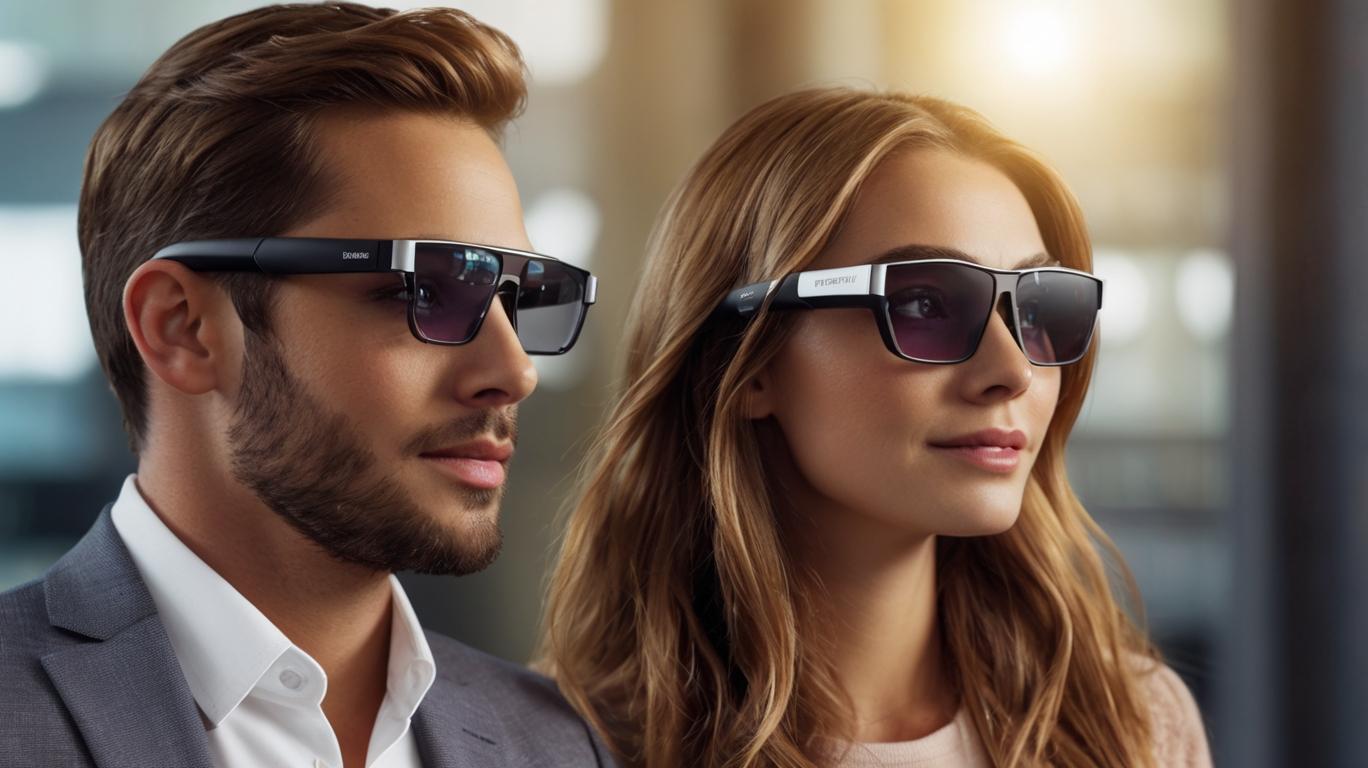
Paris, April 16, 2026 (Parliament Politics Magazine) luxury wearable technology is entering a transformative phase as Kering, the parent company behind some of the world’s most recognized fashion brands, confirms plans to introduce premium smart glasses next year.
The move signals a strategic pivot for the luxury sector, where traditional craftsmanship is increasingly intersecting with artificial intelligence and connected devices. Industry observers view this development as a clear indication that wearable tech is no longer confined to fitness trackers and smartwatches but is evolving into a sophisticated lifestyle category.
A senior industry source stated,
“Luxury wearable technology is becoming a defining segment of modern fashion, where innovation meets identity.”
A New Chapter for Fashion and Technology
Kering’s push into luxury wearable technology reflects broader shifts in consumer behavior. Today’s high-end buyers are looking beyond aesthetics and placing greater value on functionality, connectivity, and personalized experiences.
Smart glasses, in particular, represent a natural evolution. Unlike smartphones, which require active engagement, wearable devices offer seamless interaction, blending into daily routines without disruption.
The planned launch underscores a growing belief that the next major consumer technology wave will be wearable, immersive, and deeply integrated into everyday life.
Why Kering Is Betting on Smart Eyewear
The decision to invest in luxury wearable technology is rooted in both opportunity and necessity. The global luxury market is facing increasing competition, changing consumer expectations, and the need for innovation-driven growth.
By entering the smart eyewear space, Kering aims to:
- Expand its product portfolio beyond traditional luxury goods
- Tap into the fast-growing wearable tech market
- Strengthen its appeal among younger, tech-savvy consumers
- Position itself at the forefront of fashion-tech convergence
Analysts believe that luxury brands have a distinct advantage in this category. Their expertise in design and brand storytelling allows them to create products that consumers not only use but also aspire to own.
Technology Integration and Expected Features
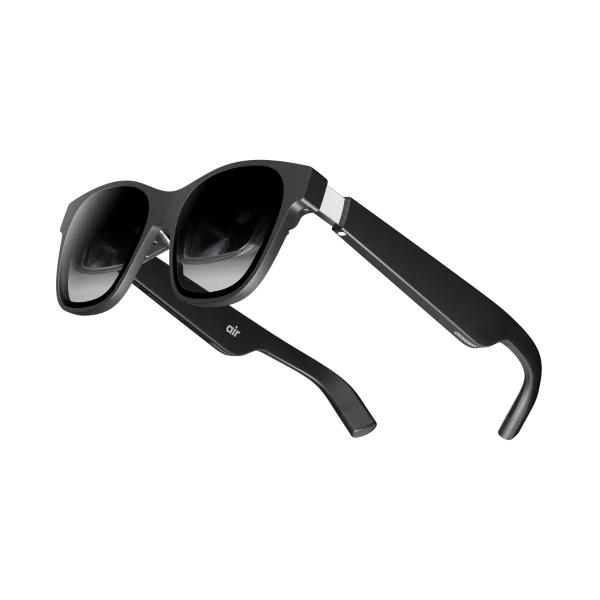
While full specifications have not been publicly detailed, the next generation of luxury wearable technology is expected to incorporate advanced features powered by artificial intelligence.
These may include:
- Voice-controlled digital assistants
- Augmented reality (AR) overlays for navigation and information
- Real-time notifications and communication tools
- Integration with smartphones and smart home systems
The emphasis will likely be on creating a seamless user experience, where technology enhances daily life without becoming intrusive.
A technology analyst noted,
“The success of luxury wearable technology depends on making the experience intuitive and invisible.”
Market Trends Driving Growth
The rise of luxury wearable technology is supported by several key trends shaping the global market:
Increasing Demand for Connected Devices
Consumers are becoming more reliant on digital ecosystems, driving demand for devices that integrate effortlessly into their lives.
Advancements in Artificial Intelligence
AI is enabling smarter, more responsive devices that can adapt to individual preferences and behaviors.
Shift Toward Hands-Free Technology
Wearable devices offer convenience by reducing the need for constant smartphone interaction.
Growing Interest in Augmented Reality
AR applications are expanding across industries, from navigation to retail, enhancing the value proposition of smart eyewear.
Competitive Landscape Heats Up
Kering’s entry into luxury wearable technology comes amid intensifying competition. Technology companies and fashion houses alike are exploring similar innovations, aiming to capture a share of the emerging market.
The involvement of a major luxury group could accelerate mainstream acceptance of smart glasses, transforming them from niche gadgets into everyday accessories.
Industry experts suggest that design will be a critical differentiator. Consumers are unlikely to adopt wearable devices that compromise style, making aesthetics a key factor in driving adoption.
Challenges Facing the Industry
Despite the optimism, luxury wearable technology faces several challenges that could impact its growth trajectory.
Privacy Concerns
Smart glasses equipped with cameras and sensors raise questions about data security and user privacy.
Battery Life Limitations
Wearable devices must balance performance with compact design, making battery efficiency a persistent challenge.
Consumer Acceptance
Past attempts at smart eyewear struggled due to social stigma and usability issues. Overcoming these perceptions will be essential.
Pricing Barriers
As a premium product category, luxury wearable devices may face limited accessibility, particularly in price-sensitive markets.
A retail strategist explained,
“The challenge is delivering innovation without sacrificing the elegance that defines luxury.”
Consumer Expectations Continue to Evolve
Modern consumers expect more from their products, particularly in the luxury segment. The rise of luxury wearable technology reflects a shift toward experiences that combine convenience, personalization, and connectivity.
Potential future developments could include:
- Health monitoring capabilities
- Real-time language translation
- Enhanced navigation and location-based services
- Integration with digital payment systems
These features could transform wearable devices into indispensable tools, further embedding them into daily life.
Economic and Industry Implications
Kering’s investment in luxury wearable technology is likely to have broader implications for both the fashion and technology industries.
The initiative could drive:
- Increased collaboration between tech firms and fashion brands
- Growth in research and development for wearable devices
- Expansion of digital ecosystems within the luxury sector
From an economic perspective, the move represents a strategic effort to capture new revenue streams and maintain competitiveness in a rapidly evolving market.
Key Driving Industry Shift
“Luxury wearable technology is redefining not just what we wear, but how we experience the world around us.”
What Comes Next
The planned launch of smart glasses by Kering highlights the accelerating convergence of fashion and technology. As luxury wearable technology continues to evolve, it is expected to play an increasingly prominent role in shaping consumer behavior and industry dynamics.
If successful, this initiative could pave the way for a new generation of products that seamlessly blend innovation with design excellence.
A Defining Moment for Luxury Wearable Technology
The emergence of luxury wearable technology marks a significant turning point for both industries. Kering’s move into smart eyewear underscores the growing importance of innovation in maintaining relevance and driving growth.
By combining advanced technology with high-end design, the company aims to set a new standard for wearable devices. While challenges remain, the potential for transformation is substantial.
As the market continues to develop, the success of this initiative could redefine how consumers interact with both fashion and technology in the years ahead.