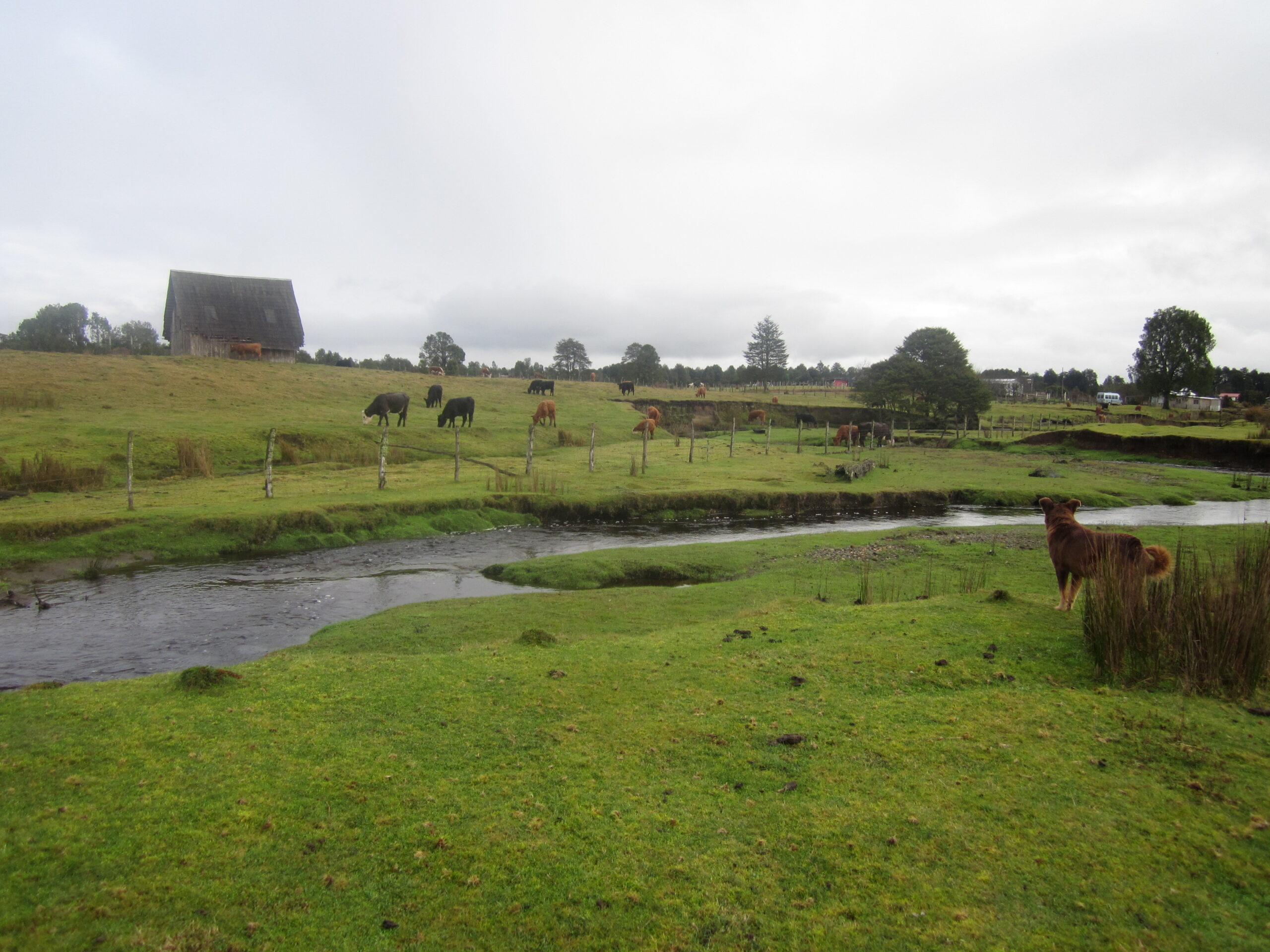
Chile — March 19, 2026 — Parliament Politics Magazine — South America prehistoric site research has entered a new phase of controversy as a recent study suggests that the widely recognized Monte Verde location may not be as old as previously believed. The findings are already reshaping discussions around early human migration into the Americas and challenging long-held archaeological assumptions.
Monte Verde has long stood as a defining example of early human settlement in the Western Hemisphere. For decades, it has been cited as key evidence that humans arrived in the Americas earlier than traditional theories suggested. However, new research now questions aspects of that timeline, forcing scientists to re-evaluate the significance of this South America prehistoric site.
A Historic Discovery Revisited
The Monte Verde location gained global attention when it provided evidence of human activity dating back more than 14,000 years. This challenged the long-standing Clovis-first theory, which placed the earliest human presence in North America at around 13,000 years ago.
Now, scientists reassessing this South America prehistoric site argue that earlier dating methods may have included organic materials not directly tied to human activity. This raises the possibility that the site’s true age could be younger than initially believed.
One researcher involved in the study noted:
“We are not dismissing Monte Verde’s importance, but refining the timeline is essential for scientific accuracy.”
Advanced Techniques Bring New Insights
The new findings are based on improved radiocarbon dating methods and detailed sediment analysis. These technologies allow researchers to better separate natural environmental deposits from materials directly linked to human occupation.
This approach has led to questions about previous estimates tied to the South America prehistoric site, suggesting that some earlier conclusions may have been influenced by surrounding organic matter rather than direct human evidence.
The revised timeline does not remove Monte Verde from the archaeological record but instead offers a more precise interpretation of when humans may have occupied the area.
Impact on Migration Theories
For years, Monte Verde has been central to theories that humans migrated into the Americas earlier than once believed, possibly using coastal routes along the Pacific.
If the updated analysis of this South America prehistoric site is confirmed, it could narrow the timeline gap between Monte Verde and other early archaeological locations. This may bring certain traditional migration theories back into discussion, though the debate remains far from settled.
Experts emphasize that this does not necessarily mean humans arrived later overall, but rather that the evidence at Monte Verde may need reinterpretation.
Scientific Community Reacts
The reassessment has sparked a lively debate among archaeologists and historians worldwide. Some experts view the findings as a natural progression in scientific inquiry, while others remain skeptical.
One independent archaeologist stated:
“Monte Verde has been one of the most thoroughly studied sites in the Americas. Any revision must be supported by strong, reproducible evidence.”
The controversy surrounding this South America prehistoric site highlights how evolving methods can challenge even well-established conclusions.
Why This Site Still Holds Global Importance
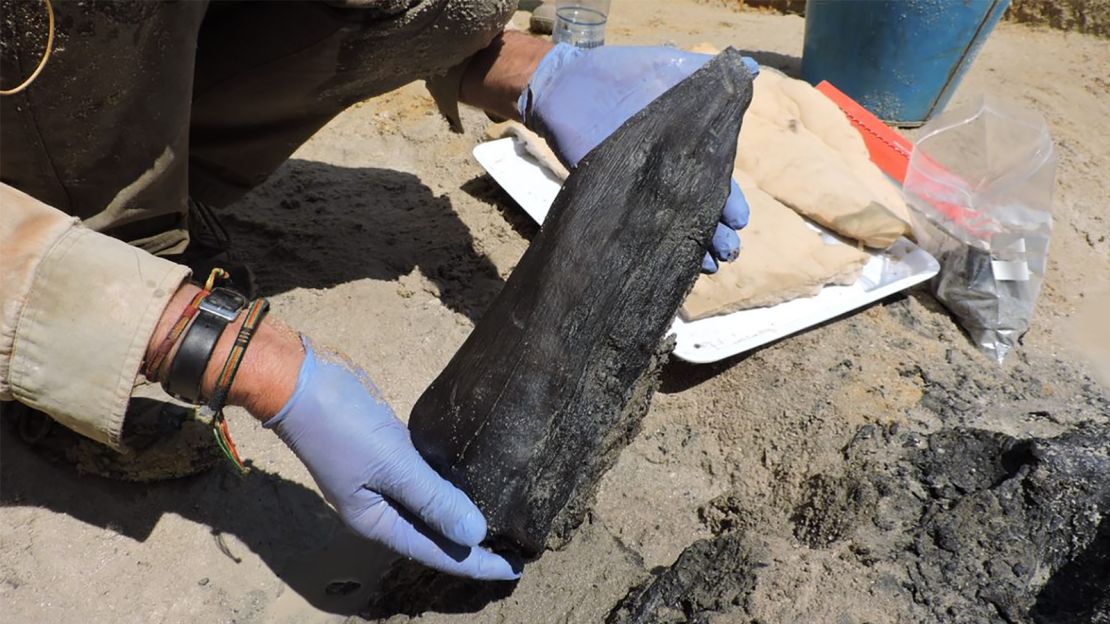
Despite the ongoing debate, Monte Verde remains one of the most significant discoveries in archaeological history. The site has provided valuable insights into early human life, including preserved structures, tools, and evidence of plant use.
These discoveries continue to make the South America prehistoric site a cornerstone of research into how ancient humans adapted to their environments.
Even if its timeline is adjusted, its importance in understanding early human history remains unchanged.
Historical Context and Ongoing Debate
The Clovis-first model once dominated archaeological thinking, suggesting that the first humans arrived in the Americas around 13,000 years ago. Monte Verde challenged this idea by providing evidence of earlier habitation.
The reassessment of this South America prehistoric site does not fully restore the Clovis-first theory but may reduce the gap between competing timelines.
This evolving narrative underscores the complexity of studying ancient human migration, where new evidence can shift long-standing interpretations.
Technology Reshaping Archaeology
Modern archaeological research is increasingly driven by advanced technologies. From radiocarbon dating to microscopic sediment analysis, scientists now have tools that allow for more precise investigations.
In the case of this South America prehistoric site, these advancements have opened the door to new interpretations that were not possible during earlier excavations.
As one expert explained:
“Every generation of scientists builds on the last, using better tools to refine our understanding of the past.”
Global Implications of the Findings
The potential revision of the Monte Verde timeline has implications far beyond Chile. The site has served as a benchmark for early human presence across the Americas.
If the updated analysis of this South America prehistoric site is confirmed, it could lead to a broader reassessment of other early sites, reshaping our understanding of how and when humans spread across the continents.
What Comes Next?
Researchers stress that more work is needed to confirm the revised dating. Additional excavations, peer reviews, and independent studies will be essential in determining the accuracy of the new findings.
For now, the South America prehistoric site remains a focal point of ongoing research and debate, with scientists working to reach a clearer consensus.
History Rewritten? What This Discovery Means
A new study has reignited global debate over one of the most important archaeological locations in the Americas. While Monte Verde remains a groundbreaking discovery, its exact timeline is now under question.
If confirmed, the revised findings could reshape our understanding of early human migration into the Americas. However, experts caution that more evidence is needed before any definitive conclusions can be drawn.
The South America prehistoric site continues to challenge assumptions and drive new discoveries, proving that history is always evolving.