United States, January, 2026: Parliament News detailed how a massive winter storm system spread across large swathes of the country, plunging communities into darkness and chaos as power systems failed under extreme pressure. From snow buried suburbs in the Midwest to ice glazed cities in the Northeast, the scale of US storm power outages reshaped daily life, disrupted essential services, and forced emergency responses on an unprecedented level.
Authorities warned residents to stay indoors as temperatures plunged and winds intensified. What began as a forecasted winter system quickly escalated into a national crisis, revealing the fragility of interconnected infrastructure at a moment of peak seasonal demand.
How the January Storm Took Shape
Meteorologists said the storm developed rapidly after Arctic air collided with moisture laden systems moving northward. This interaction produced heavy snowfall, freezing rain, and sustained high winds across dozens of states.
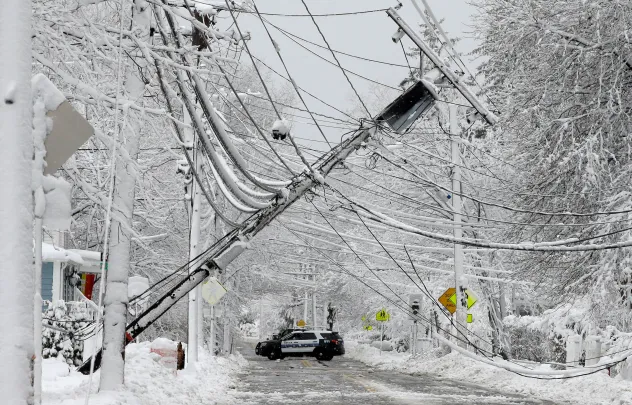
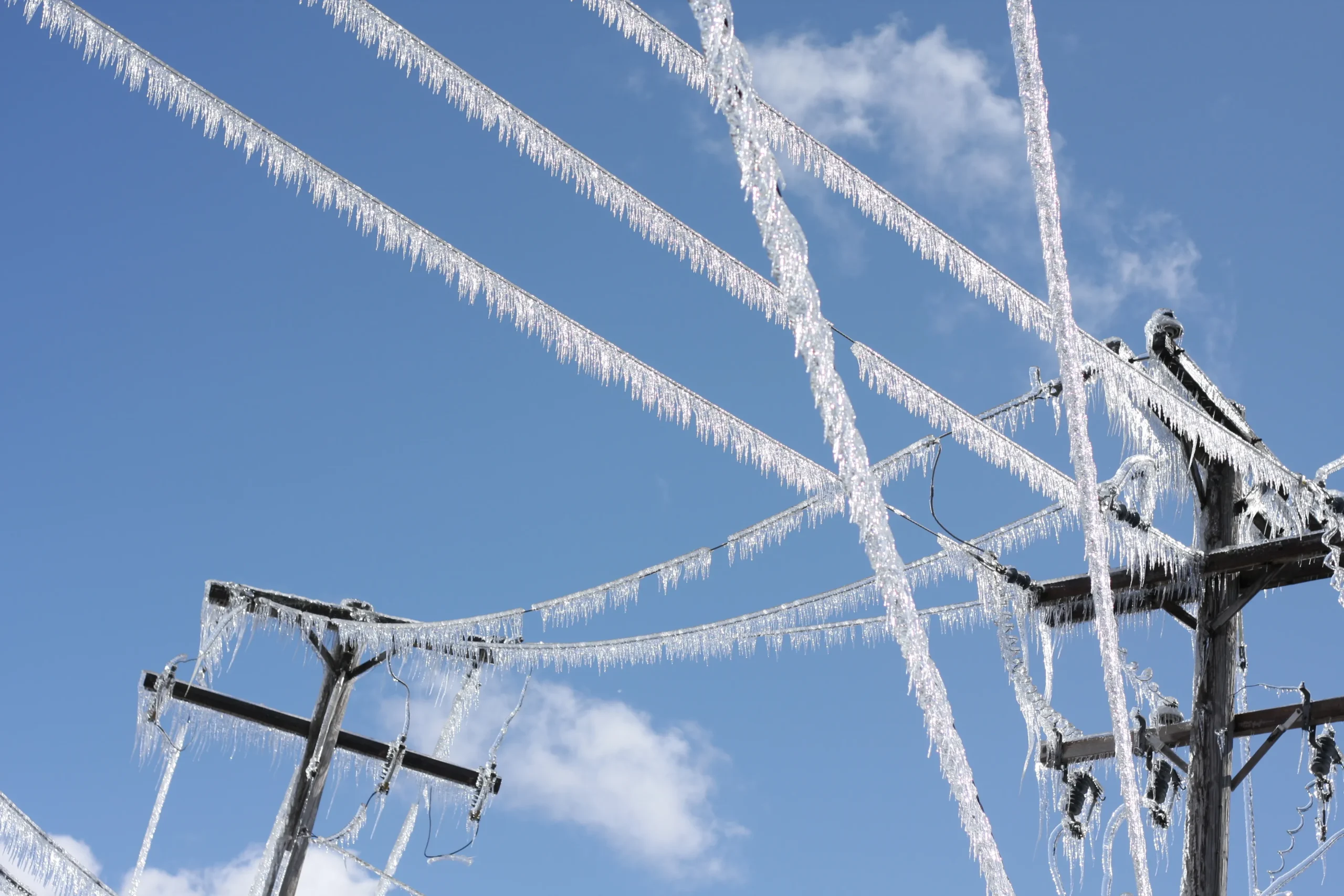
The most damaging element was ice accumulation, which added immense weight to trees and power lines. As infrastructure buckled, cascading failures followed. In multiple regions, US storm power outages spread faster than repair crews could respond, overwhelming local utilities and emergency services.
Electric Infrastructure Under Extreme Stress
Utility providers described extensive damage to overhead transmission lines and substations. Ice coated cables snapped under pressure, while fallen trees crushed distribution networks feeding residential areas.
Energy experts noted that older infrastructure remains especially vulnerable to extreme winter conditions. During this event, US storm power outages exposed long standing weaknesses in grid design, sparking renewed debate over resilience and modernization.
Cities and Rural Areas Face Unequal Burdens
Urban centers experienced large scale blackouts that disrupted transit systems, high rise buildings, and emergency communications. However, rural communities often endured longer restoration times due to distance and limited access.
In remote regions, US storm power outages lasted several days, forcing residents to rely on generators or community shelters. Local officials emphasized that geographic isolation magnified the storm’s impact beyond initial forecasts.
Transportation Networks Collapse
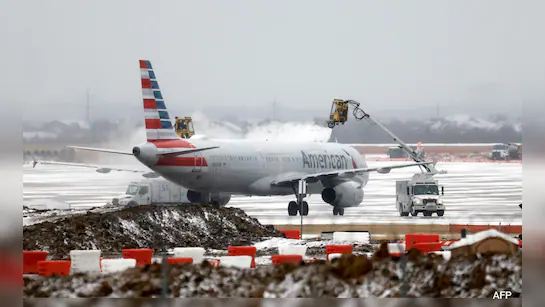
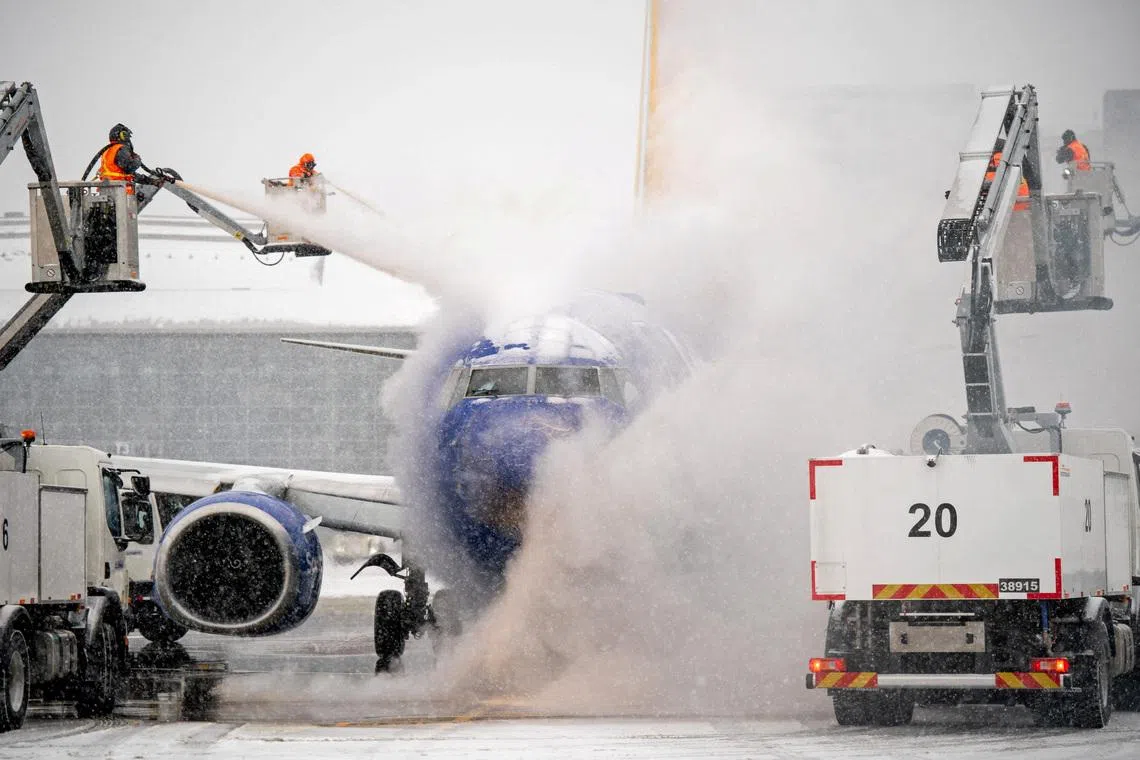
Airports across the nation canceled thousands of flights as runways iced over and visibility dropped. Aircraft were grounded, crews stranded, and passengers left scrambling for alternatives.
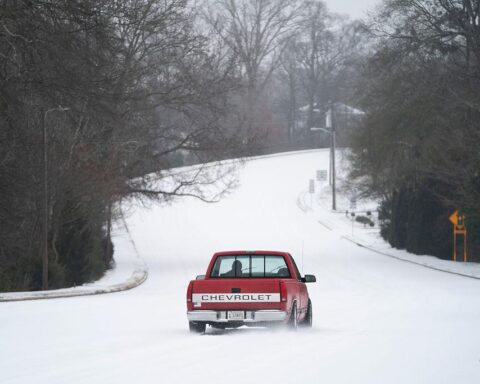
Road travel proved equally hazardous. Snowdrifts and black ice shut down highways, while rail services slowed or halted entirely. Transportation authorities confirmed that US storm power outages complicated recovery by disabling traffic signals, fueling stations, and digital scheduling systems.
Hospitals and Critical Services at Risk
Healthcare facilities activated emergency generators to maintain operations. While most hospitals remained functional, officials warned that fuel supply chains were stretched thin.
Emergency responders struggled to reach patients as conditions deteriorated. The persistence of US storm power outages raised concerns for individuals dependent on electric medical devices, reinforcing the need for coordinated emergency planning.
Economic Shockwaves Spread Nationwide
Businesses across multiple sectors were forced to suspend operations. Manufacturing plants shut down assembly lines, retailers closed storefronts, and logistics centers halted distribution.
Economists estimate that storms causing US storm power outages generate billions of dollars in losses through reduced productivity, damaged inventory, and delayed commerce. Small businesses were among the hardest hit, with limited capacity to absorb prolonged closures.
Federal and State Emergency Coordination
Governors activated emergency declarations, enabling access to federal assistance and mobilization of National Guard units. Utility crews from unaffected states were dispatched under mutual aid agreements.
Officials said coordinated planning helped prevent a worse humanitarian outcome, but acknowledged challenges in managing US storm power outages across such a wide geographic area simultaneously.
Climate Signals and Intensifying Winters
Climate researchers cautioned that warmer atmospheric conditions can increase moisture levels, leading to heavier snowfall and more destructive ice storms. While no single event defines a trend, patterns are becoming harder to ignore.
The increasing frequency of US storm power outages has become a focal point in climate adaptation discussions, particularly regarding the durability of energy infrastructure in volatile weather.
A Single Voice From the Crisis
One senior emergency official said,
“This storm reminded us how quickly modern systems fail when extreme weather hits every sector at once.”
The comment reflected the shared experience of millions affected by US storm power outages during the January emergency.
Utility Crews Race Against Time
Power companies deployed thousands of workers to repair damaged lines and substations. Crews worked around the clock in dangerous conditions, often navigating blocked roads and subzero temperatures.
Restoration timelines varied widely, but officials warned that full recovery from US storm power outages could take weeks in the most severely affected areas.
Public Safety and Community Response
Local governments opened warming centers, distributed emergency supplies, and conducted welfare checks on vulnerable residents. Volunteers played a crucial role in supporting shelters and aid distribution.
Communities demonstrated resilience, but officials stressed that preparedness remains uneven. The lessons of US storm power outages are prompting renewed emphasis on household readiness and local coordination.
Energy Policy Returns to the Spotlight
In Washington, lawmakers renewed debate over infrastructure investment, grid hardening, and energy diversification. Proposals included burying power lines, upgrading substations, and expanding smart grid technology.
Supporters argue that preventing future US storm power outages requires sustained funding rather than reactive disaster relief, while critics cite cost and regulatory challenges.
Insurance and Recovery Costs Mount
Insurers began assessing claims related to property damage, spoiled goods, and business interruption. Early estimates suggest one of the most expensive winter storms in recent history.
The financial fallout from US storm power outages is expected to ripple through regional economies long after power is restored.
Preparedness Lessons for the Future
Emergency agencies urged households to maintain winter kits, backup power sources, and clear communication plans. Public awareness campaigns emphasized early action as weather systems grow more volatile.
The experiences of January 2026 are shaping new guidance informed by the realities of US storm power outages across diverse communities.
A Winter Event That Redefined National Resilience
As recovery continues, the January storm stands as a defining chapter in America’s ongoing struggle with extreme weather. Darkened neighborhoods, silent airports, and stalled economies revealed how interconnected modern life has become.
The legacy of US storm power outages during this crisis will influence infrastructure planning, emergency management, and climate policy for years ahead, marking January 2026 as a turning point in national resilience.