

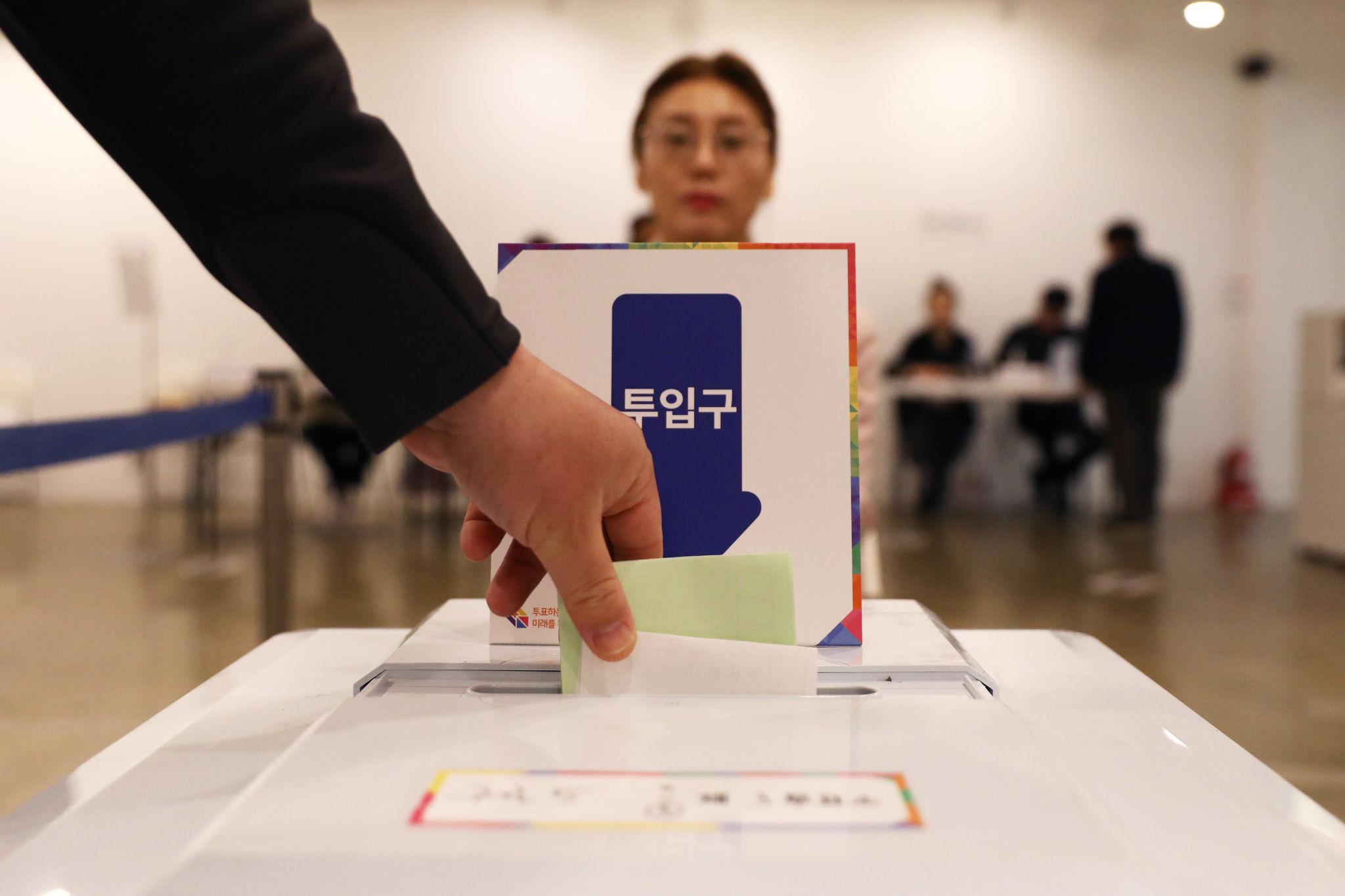
Political tension is rising across South Korea as voters prepare for crucial local elections under the shadow of past leadership scandals.
The election season has intensified national debate over political accountability, economic concerns, and public trust in government.
Analysts say the outcome could reshape South Korea’s political direction heading into the next national cycle.
SEOUL, South Korea (Parliament Politics Magazine) The South Korea election crisis is dominating national attention as the country prepares for high-stakes local elections amid political distrust, economic anxiety, and continuing fallout linked to a disgraced former president. Voters across the nation are entering one of the most politically charged election cycles in recent South Korean history, with growing concerns about leadership credibility and institutional stability.
Political analysts say the atmosphere surrounding the elections reflects deep public frustration with traditional political parties and long-standing governance controversies. Campaign debates that were expected to focus on regional development and economic recovery have instead shifted toward corruption concerns, accountability, and the future of South Korean democracy.
The elections are now being viewed as more than local contests. Many observers believe the vote could become a national referendum on public confidence in political leadership.
“This election reflects a battle over trust as much as policy,”
said a political analyst in Seoul.
Voter Frustration Reshapes the Political Climate
The South Korea election crisis has fueled growing frustration among citizens who believe political leaders have failed to address critical economic and social concerns. Across major urban centers including Seoul, Busan, and Incheon, campaign events have attracted large crowds, but public sentiment remains divided.
Many voters say years of political scandals and partisan conflicts have weakened confidence in government institutions. Economic uncertainty has also increased political pressure, especially among younger generations struggling with rising housing prices, inflation, and job insecurity.
Candidates from both ruling and opposition parties are attempting to position themselves as reform-focused leaders capable of restoring public trust. However, critics argue that many campaign promises resemble previous political cycles where reforms were promised but only partially implemented.
Public surveys released ahead of voting showed declining confidence in major political parties, suggesting that independent and undecided voters could play a major role in determining final election outcomes.
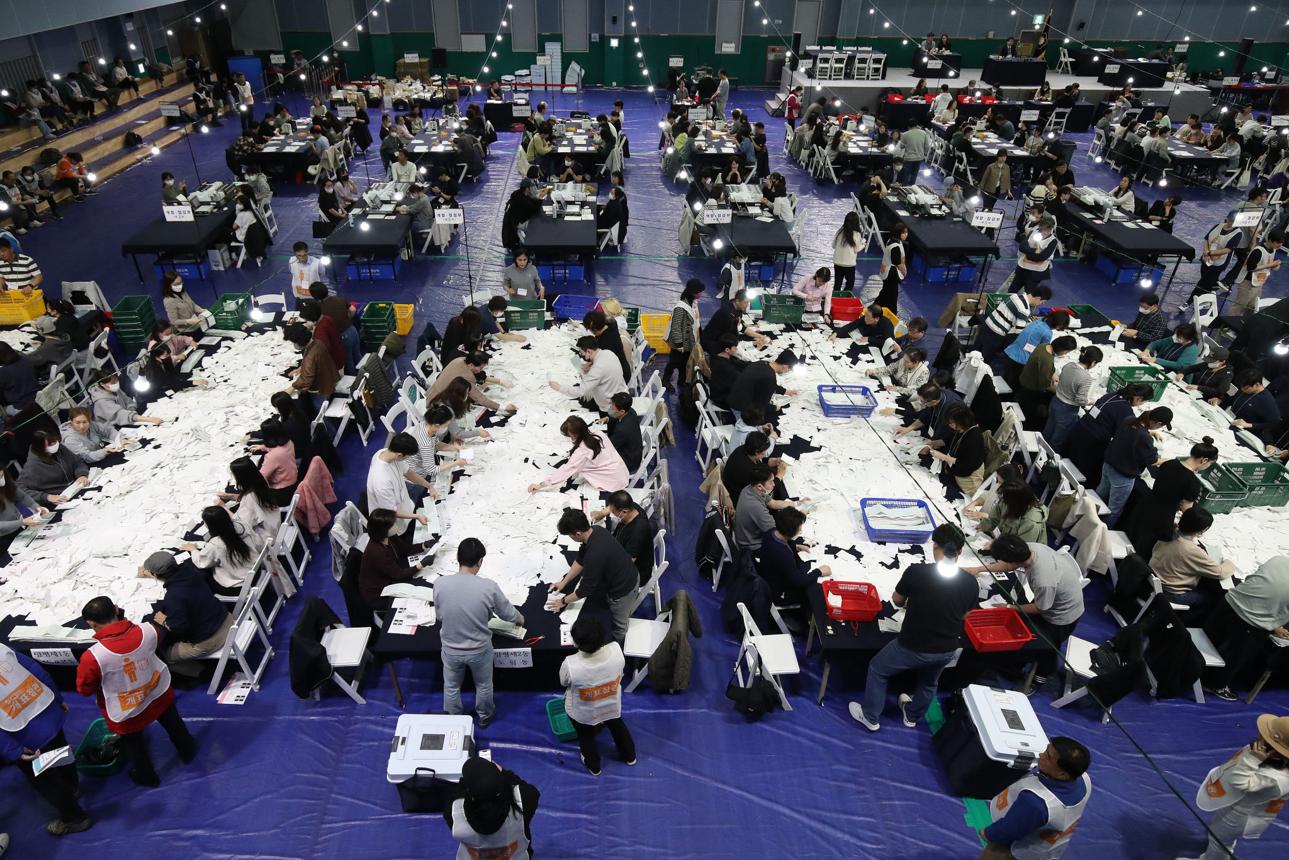
Former President’s Legacy Continues to Influence Debate
The political shadow surrounding the former president remains one of the central themes driving the South Korea election crisis. Even after leaving office, controversies tied to the administration continue influencing campaign rhetoric and voter perception.
Opposition leaders have repeatedly highlighted past scandals during televised debates and public rallies, arguing that stronger safeguards are needed to prevent future abuses of political power. Meanwhile, ruling party figures are attempting to redirect voter attention toward economic development, infrastructure investment, and national security concerns.
Media coverage throughout the election season has continued revisiting investigations and controversies tied to the former administration, keeping the issue highly visible across national headlines.
“People are not simply choosing local officials. They are expressing frustration accumulated over years,”
said a university professor during a Seoul political forum.
The lingering political controversy has transformed many regional races into symbolic contests tied to broader questions about transparency and democratic accountability.
Economic Pressure Adds to Election Anxiety
Economic concerns have become another major factor intensifying the South Korea election crisis.
South Korea’s export-driven economy continues facing uncertainty linked to slowing global demand, regional geopolitical instability, and fluctuating energy prices. Small businesses, restaurant owners, and middle-income households have increasingly voiced concerns about declining consumer confidence and rising operational costs.
Several candidates have promised tax relief measures, housing initiatives, and expanded employment programs. However, analysts say public skepticism remains high because similar proposals have appeared repeatedly during previous election cycles.
The business community is closely monitoring the elections, especially in Seoul and other major economic centers where local leadership decisions could affect investment activity and infrastructure development.
International investors are also paying attention to the elections because prolonged political instability could influence broader regional market confidence.
A Legacy of Political Scandals in South Korea
South Korea has experienced several major political crises over the past decades, including corruption investigations, impeachment proceedings, and public protests involving former national leaders. These events have shaped voter expectations and contributed to the current political atmosphere surrounding the South Korea election crisis.
Large-scale demonstrations have historically played an important role in South Korean democracy, with citizens frequently mobilizing to demand accountability and government reform. Political experts say this history of civic activism remains deeply embedded in the country’s political culture.
The impeachment and removal of previous leaders significantly altered public trust in government institutions and increased demands for transparency across all levels of leadership.
Today’s election environment reflects those historical tensions as voters continue debating how to strengthen democratic stability while maintaining economic growth and national security.
Youth Voters Could Decide Key Districts
One of the most closely watched elements of the election is the role of younger voters.
Political strategists believe turnout among voters in their 20s and 30s may determine results in several competitive districts. Many younger South Koreans have become increasingly vocal about social inequality, employment opportunities, housing affordability, and government accountability.
Digital campaigning has become central to modern South Korean politics, with candidates using livestreams, social media platforms, and online discussions to reach younger audiences.
The South Korea election crisis has also triggered increased civic engagement among youth-led organizations encouraging voter participation and political reform.
“Young voters are no longer passive observers in South Korean politics,”
said a civic activist during a televised interview.
Analysts say younger demographics may ultimately influence whether political parties adopt more reform-oriented policies in future national elections.
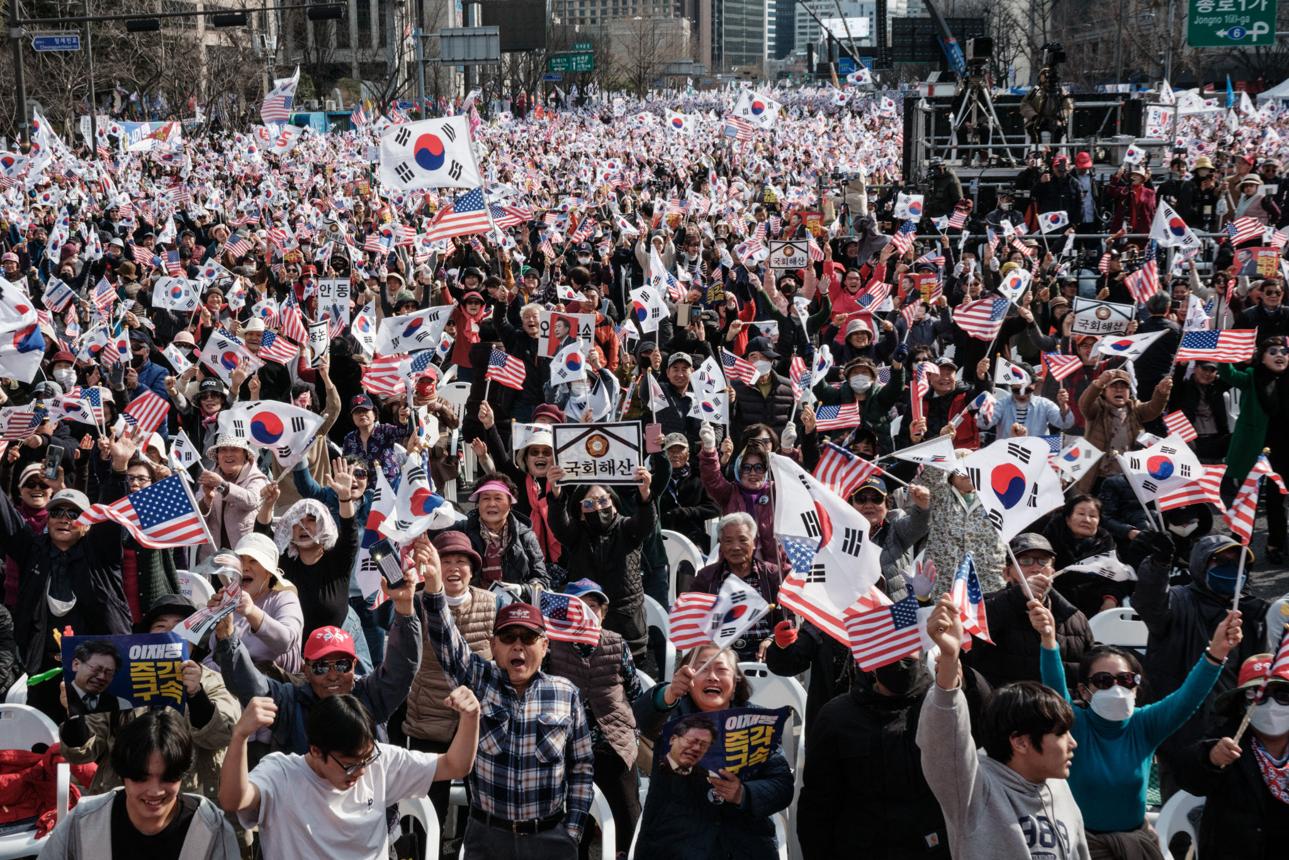
International Community Watches Election Closely
Global attention surrounding the elections has intensified because South Korea remains one of Asia’s most influential economies and a major strategic ally of the United States.
Foreign governments and international analysts are monitoring the South Korea election crisis for signs of political stability or deeper polarization. Regional security concerns involving North Korea, trade competition, and global economic uncertainty have increased the importance of stable governance in Seoul.
Several international media organizations described the elections as a significant moment for democratic resilience in East Asia.
Political observers say the outcome may also influence future diplomatic positioning and investor confidence throughout the region.
Election Results Could Reshape National Politics
The local elections are widely viewed as a critical test ahead of future national contests.
Strong performances could strengthen party leadership, increase fundraising momentum, and influence national policy direction. Weak results, meanwhile, could trigger internal divisions and leadership challenges inside both major political camps.
The South Korea election crisis has therefore expanded beyond local governance issues and evolved into a broader debate about the country’s political future.
Analysts expect voter turnout to remain high due to strong public interest and heightened political tensions.
The 2026 elections are unfolding during one of the most politically sensitive periods in recent South Korean history. The South Korea election crisis continues shaping campaign narratives, voter sentiment, and international attention as citizens prepare to cast ballots across the nation.
Public frustration over past scandals, economic uncertainty, and declining trust in political institutions has transformed local races into a larger referendum on leadership accountability and democratic stability.
As votes are counted, the election outcome could redefine South Korea’s political direction for years to come. Whether voters choose continuity, reform, or significant political change, the results will likely influence the country’s domestic and international future well beyond 2026.