
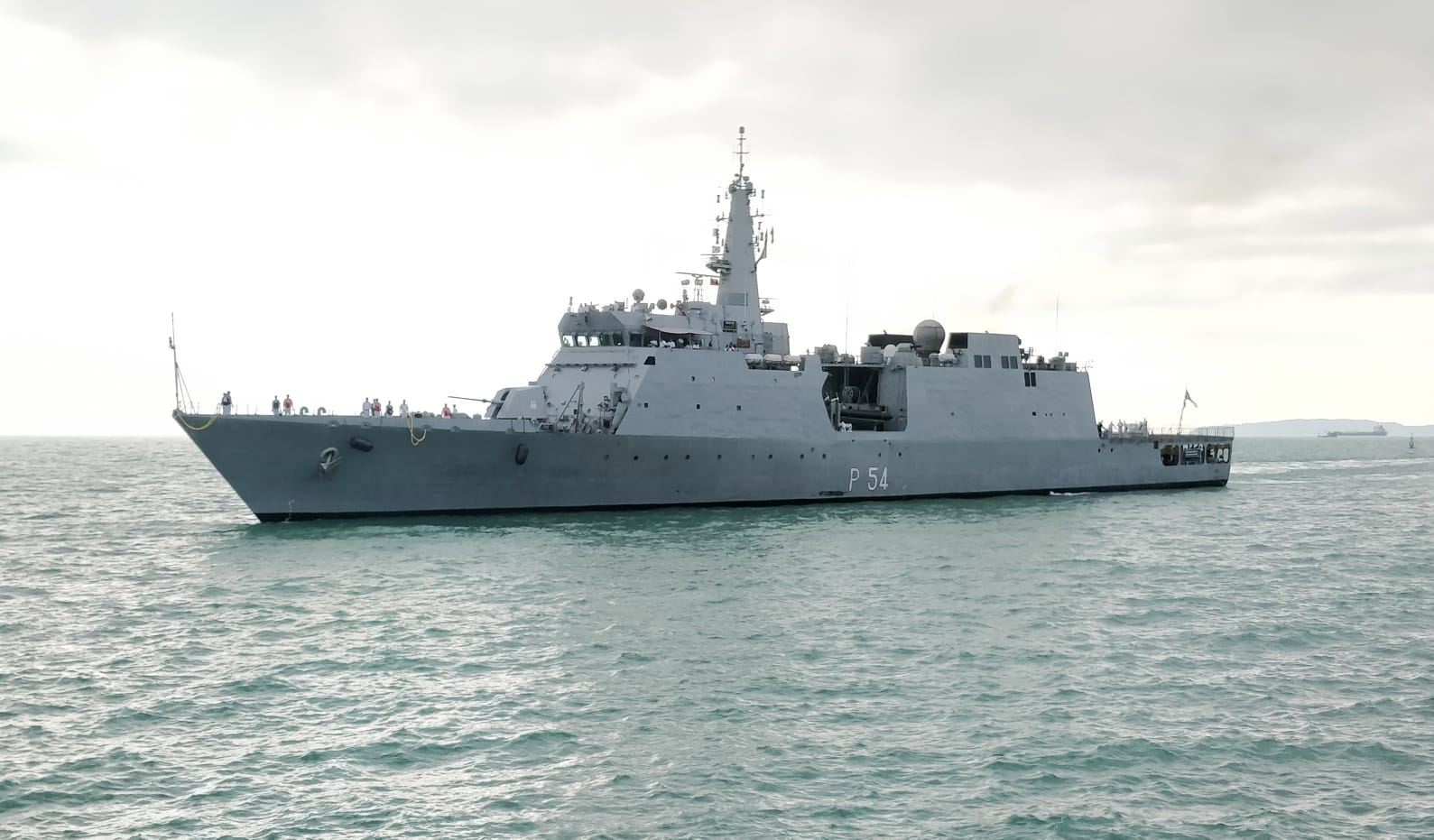
Colombo, Sri Lanka — March 7, 2026 — Parliament News — The Sri Lanka naval strike has become one of the most closely watched maritime security incidents in the Indian Ocean this year. Officials and defense analysts confirmed that a naval confrontation occurred near Sri Lankan waters, raising concerns about regional stability and the safety of global shipping lanes that pass through the area.
The incident reportedly involved military vessels operating near one of the busiest maritime corridors connecting the Middle East with Asia. Early reports indicate that a warship was destroyed during the engagement, although governments involved have not released full operational details.
The Sri Lanka naval strike has quickly drawn international attention because the Indian Ocean plays a critical role in global trade. A large portion of the world’s oil shipments and cargo transportation moves through this region every day.
Naval Confrontation Near Critical Sea Lanes
Security experts say the waters surrounding Sri Lanka have long been viewed as strategically important. Ships traveling between the Persian Gulf and major Asian economies routinely pass near the island nation.
When the Sri Lanka naval strike occurred, maritime tracking systems recorded heightened naval activity across the surrounding region. Warships from several countries were reportedly operating in nearby waters as part of routine patrols and strategic deployments.
Because these shipping lanes are essential to global energy transportation, even a localized confrontation can quickly draw worldwide concern.
Shipping companies and international logistics firms immediately began monitoring the situation following the Sri Lanka naval strike, assessing whether commercial vessels might face potential disruptions.
Indian Ocean Security Under Scrutiny
The Indian Ocean has increasingly become a focal point for global military competition. Nations including the United States, India, China, and several regional powers maintain naval deployments there to protect trade routes and monitor strategic developments.
The Sri Lanka naval strike has intensified discussions among defense analysts about the risks associated with multiple military forces operating in the same maritime region.
Some experts argue that the growing number of naval patrols increases the chances of unintended confrontations at sea. Others believe these deployments are necessary to maintain security and deter threats to commercial shipping.
Regardless of the perspective, the Sri Lanka naval strike has highlighted the fragile balance of power in international waters.
Governments React to the Incident
Following news of the Sri Lanka naval strike, several governments issued cautious statements emphasizing the need for stability in the Indian Ocean.
Diplomatic officials stressed that maintaining secure maritime corridors is essential to the global economy. Even minor disruptions in the region can influence energy markets, shipping costs, and international trade flows.
Maritime authorities have begun gathering information about the circumstances surrounding the confrontation.
While official details remain limited, analysts believe the Sri Lanka naval strike will likely become the subject of further diplomatic discussions in the coming weeks.
Strategic Importance of Sri Lanka
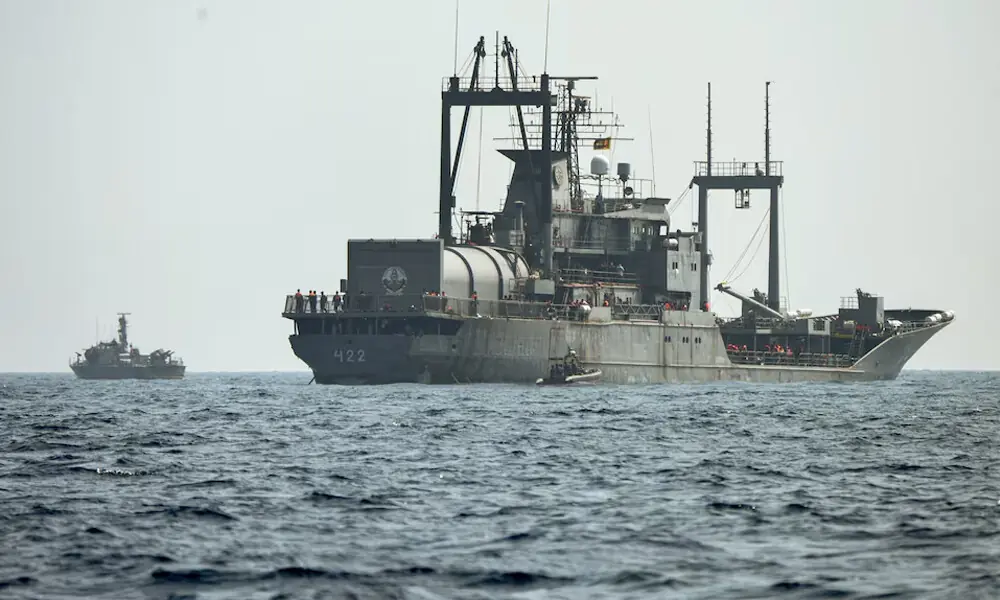
Sri Lanka’s geographic position has always given the island nation strategic importance in maritime affairs. Located near the center of the Indian Ocean’s major trade routes, the country sits close to shipping lanes that carry billions of dollars in cargo each day.
Because of this location, naval forces from multiple countries frequently operate in nearby waters.
The Sri Lanka naval strike has drawn renewed attention to Sri Lanka’s role in global maritime security. Analysts say events near the island can quickly become international issues due to the enormous volume of commerce moving through the region.
In addition to commercial shipping, the area is also used for naval patrols, anti piracy operations, and international military exercises.
Historical Comparison of Naval Incidents
The Sri Lanka naval strike has reminded some analysts of earlier naval tensions in strategic waterways around the world. During the Cold War, rival naval powers occasionally encountered each other in contested waters as they attempted to project influence over major trade routes.
Incidents in areas such as the Mediterranean Sea and the Persian Gulf demonstrated how naval confrontations could quickly escalate into broader geopolitical crises.
Although today’s circumstances are different, the Sri Lanka naval strike highlights how maritime security challenges continue to shape global politics. History has shown that even a single naval incident can influence diplomatic relations between nations.
A Quote Reflecting Global Concerns
International security experts say the situation demonstrates the importance of careful communication between naval forces.
One maritime security analyst explained the concern by saying:
“Naval incidents in strategic waters can quickly draw the attention of the entire world because so much global trade depends on stability at sea.”
This perspective reflects why the Sri Lanka naval strike has become such an important development for policymakers and defense planners.
Trade and Shipping Monitoring the Situation
Global shipping companies are closely following developments after the Sri Lanka naval strike. The Indian Ocean is one of the busiest maritime regions in the world, carrying oil shipments, manufactured goods, and food supplies across continents.
If tensions were to escalate further, vessels might need to reroute or adopt additional security precautions.
For now, most shipping lanes remain open and commercial operations continue normally. However, the Sri Lanka naval strike has increased awareness about how quickly geopolitical tensions can affect maritime logistics.
Industry experts say stability in these waters remains essential to maintaining smooth global trade operations.
Looking Ahead for Maritime Stability
The long term impact of the Sri Lanka naval strike will depend largely on how governments respond in the coming weeks. Diplomatic engagement and transparent communication between nations will likely play a key role in preventing further escalation.
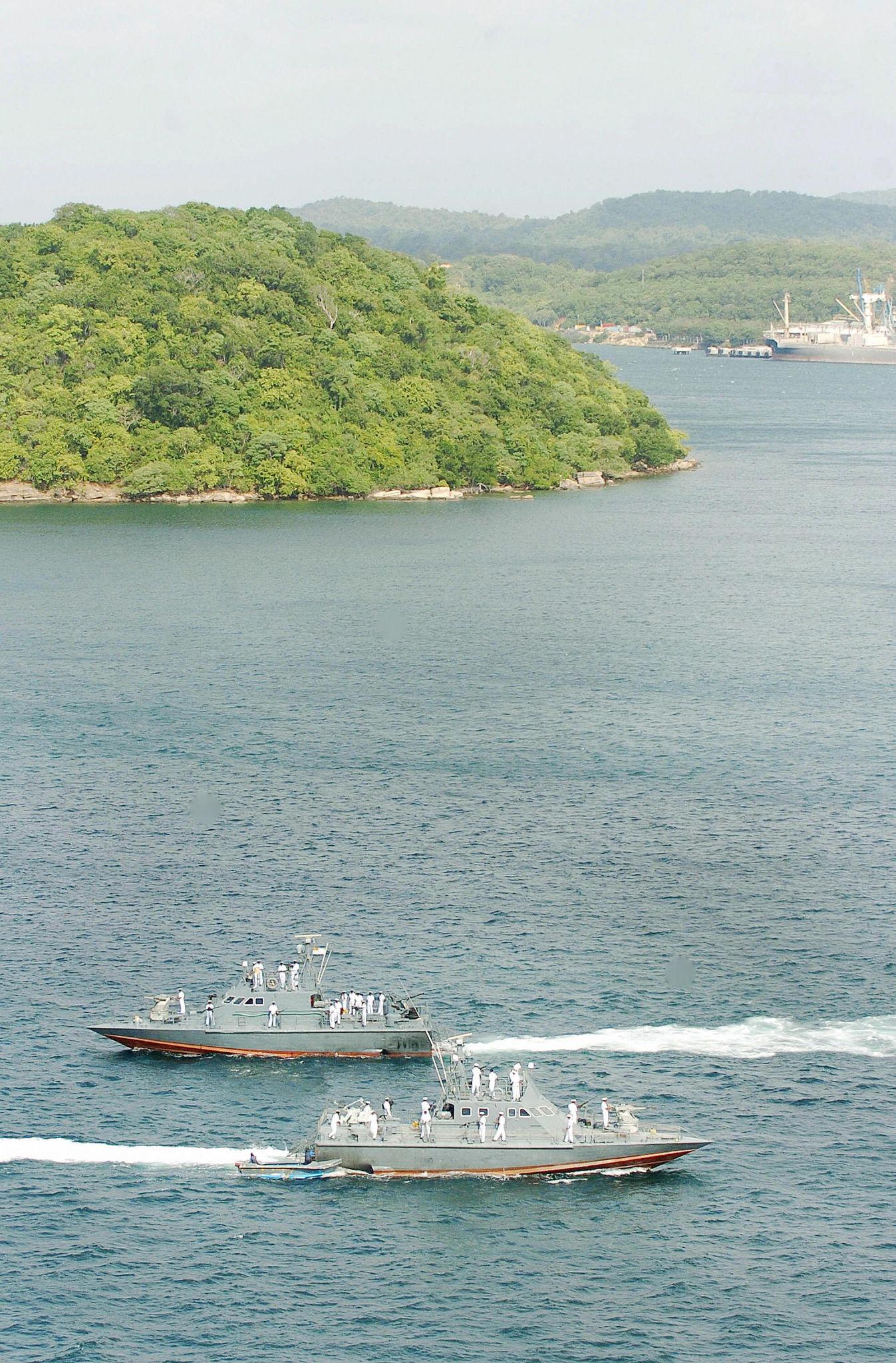
International maritime organizations are expected to monitor naval activity in the region while encouraging cooperation among military forces operating nearby.
For observers around the world, the Sri Lanka naval strike serves as a reminder that the security of international sea lanes remains closely tied to global economic stability.
As governments evaluate the situation, analysts believe the incident will become an important case study in how modern naval powers manage tensions in shared international waters.