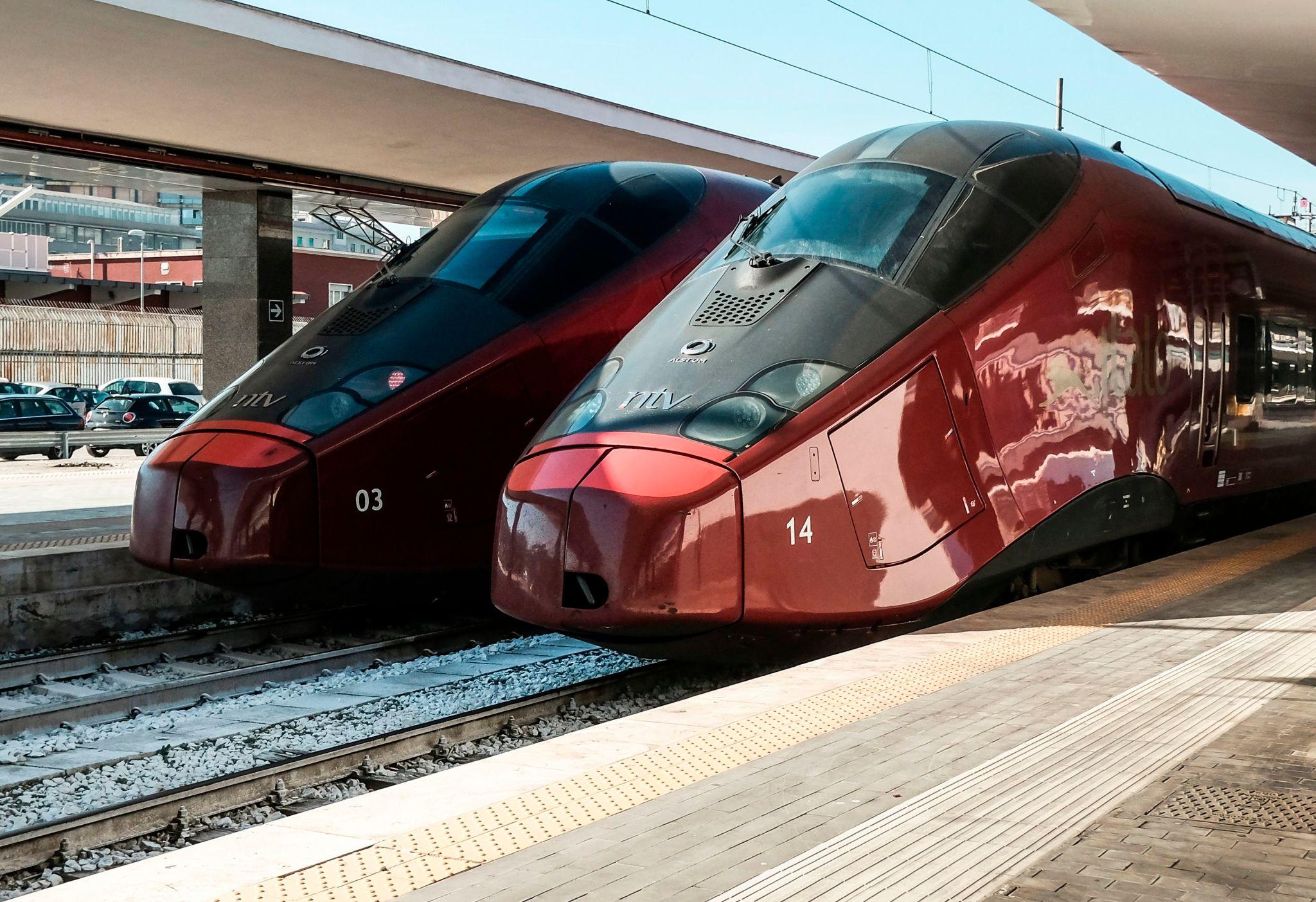
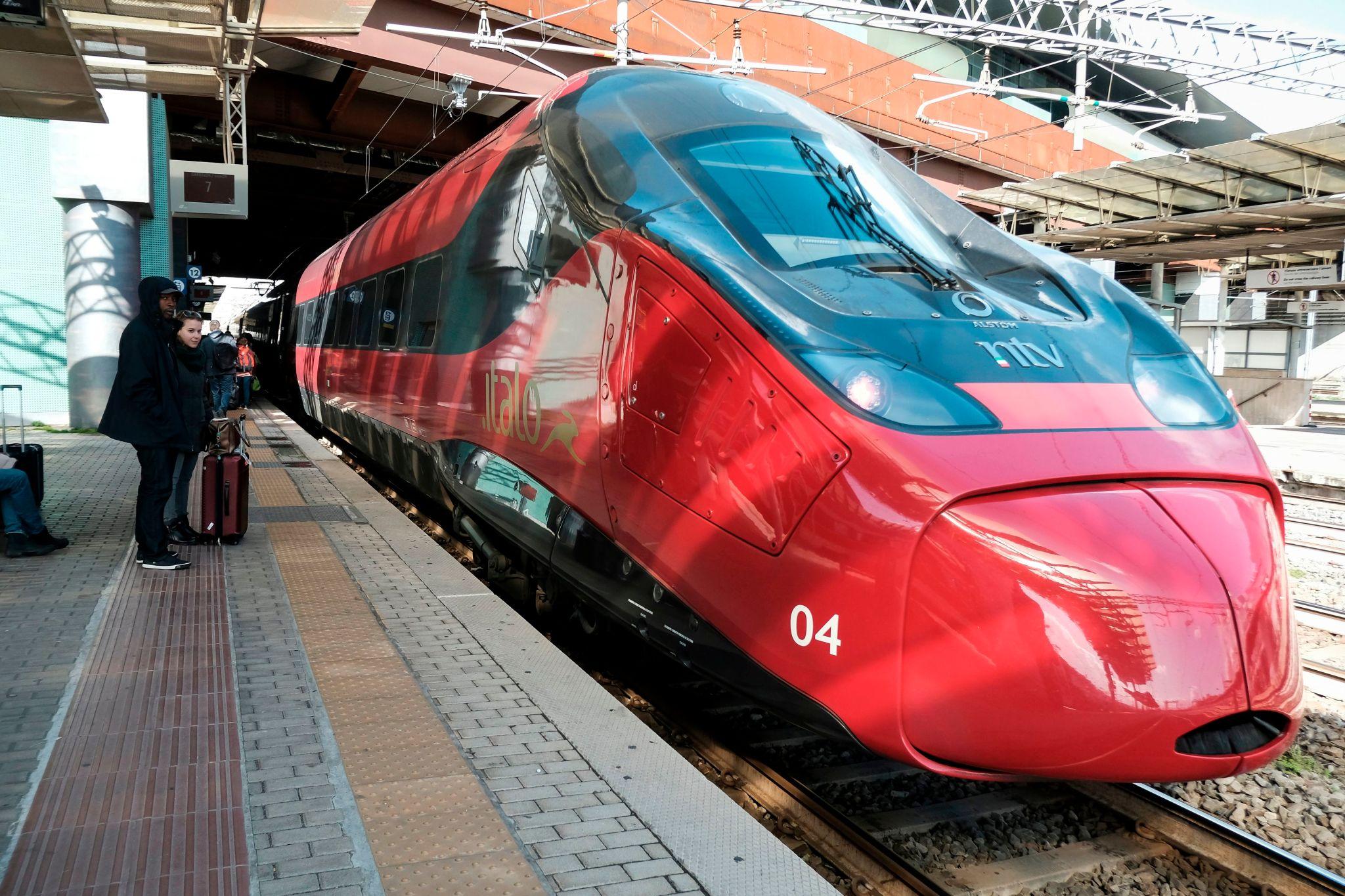
Rome, Italy — February 12, 2026 — According to Parliament News, that Starlink railway connectivity is moving from concept to large scale implementation in Italy as private high speed operator Italo begins integrating satellite powered broadband across its fleet. The deployment marks a significant step in modernizing onboard internet infrastructure and signals a broader shift in how rail companies approach passenger connectivity in 2026.
Industry analysts say the adoption of Starlink railway connectivity reflects rising demand for uninterrupted broadband access at speeds exceeding 300 kilometers per hour. As rail travel becomes increasingly digital, operators are investing in advanced solutions that go beyond traditional cellular networks.
Strategic Upgrade for High Speed Rail
Italy’s high speed rail network is one of Europe’s most advanced, linking major commercial hubs such as Rome, Milan, Naples, and Florence. However, maintaining consistent WiFi service across tunnels, mountainous regions, and rural areas has long posed technical challenges.
The integration of Starlink railway connectivity addresses those gaps by leveraging low Earth orbit satellites to maintain signal continuity. Unlike conventional geostationary satellites, low orbit systems reduce latency and improve performance during high velocity travel.
Rail executives describe the investment as both competitive and necessary. With business travelers expecting office level connectivity during transit, digital infrastructure has become central to customer satisfaction.
Technology Behind the System
Starlink, developed by SpaceX, operates a constellation of low Earth orbit satellites designed to deliver high speed internet with minimal delay. By installing rooftop antennas on trains, operators can connect directly to orbiting satellites, transmitting data to onboard WiFi systems.
This architecture allows Starlink railway connectivity to function independently of ground based towers that may lose coverage in remote terrain. The system dynamically switches between satellites, ensuring consistent signal stability even when trains move at full operational speed.
Engineers note that this hybrid model can also complement terrestrial networks, creating redundancy and reducing service disruptions.
Impact on Passenger Experience
Passengers are likely to experience tangible improvements once Starlink railway connectivity becomes fully operational. Frequent complaints about dropped video calls, interrupted streaming, and unstable VPN sessions may diminish significantly.
Modern travelers increasingly rely on digital tools for productivity and entertainment. Remote workers use train journeys for video conferences. Students stream lectures. Families access entertainment platforms during long trips. Reliable internet access has shifted from luxury to baseline expectation.
One transportation analyst said,
“Connectivity now defines the perceived value of travel time. When broadband is seamless, passengers feel empowered rather than disconnected.”
The deployment of Starlink railway connectivity aligns directly with these changing expectations.
Operational Advantages for Rail Operators
Beyond passenger comfort, the adoption of Starlink railway connectivity enhances operational efficiency. Continuous data exchange between trains and control centers allows for real time diagnostics, predictive maintenance alerts, and improved route coordination.
Rail systems generate substantial technical data related to braking systems, energy consumption, and mechanical performance. A stable broadband backbone ensures that this data can be transmitted instantly, enabling proactive maintenance strategies.
Operational teams also benefit from faster internal communication, particularly during unexpected service changes or weather related disruptions.
Competitive Landscape Across Europe
European rail operators face mounting competition not only from each other but also from airlines and long distance bus networks. Speed and pricing remain important, yet digital experience increasingly influences traveler choice.
The introduction of Starlink railway connectivity positions Italian high speed services as leaders in onboard technology. Industry observers expect similar announcements from operators in France, Germany, and Spain as satellite systems mature.
As digital infrastructure becomes a differentiating factor, connectivity upgrades may soon be as significant as train speed improvements in marketing strategies.
Infrastructure and Environmental Considerations
High speed rail is widely regarded as one of the most environmentally sustainable forms of intercity transport. Enhancing onboard connectivity strengthens its appeal relative to short haul flights.
Because Starlink railway connectivity reduces reliance on extensive ground based tower networks, infrastructure expansion in sensitive rural or mountainous regions can be minimized. Satellite coverage provides broad geographic reach without additional land development.
This approach supports broader European sustainability goals while maintaining technological progress.

Economic Implications in 2026
The expansion of Starlink railway connectivity occurs during a period of increased digital investment across Europe’s transportation sector. Governments and private operators alike are prioritizing broadband resilience as part of national infrastructure strategies.
Reliable connectivity also supports tourism growth. International visitors often evaluate transportation systems based on digital accessibility. Seamless WiFi across high speed routes enhances the overall travel ecosystem.
Analysts suggest that early adopters of satellite broadband may achieve long term competitive advantages as digital dependency deepens.
Security and Reliability Measures
Cybersecurity remains a critical component of any broadband expansion. Engineers implementing Starlink railway connectivity emphasize encrypted data transmission, network segmentation, and multi layer authentication protocols.
Rail operators must balance openness for passenger access with strict protection for operational control systems. Modern satellite networks incorporate advanced security frameworks designed to prevent interference or unauthorized access.
Testing phases in 2026 include rigorous performance simulations to ensure stable operation under varying environmental and speed conditions.
The Future of Connected Mobility
The broader mobility sector is closely watching the rollout of Starlink railway connectivity in Italy. Satellite powered broadband could soon extend to regional trains, freight networks, and cross border services.
Integration with smart ticketing systems, AI powered travel updates, and real time multilingual assistance platforms may further transform rail travel into a digitally integrated environment.
As connectivity becomes embedded into transportation infrastructure, the boundary between travel and workspace continues to blur.

A Turning Point Above the Tracks
The adoption of Starlink railway connectivity in Italy represents more than a technical upgrade. It signals a redefinition of how rail companies view digital service delivery. Connectivity is no longer an optional amenity but a strategic asset shaping competitiveness, productivity, and passenger perception.
With full deployment expected to expand through 2026, industry leaders anticipate measurable improvements in customer satisfaction and operational data management. As satellite constellations grow and hardware becomes more refined, onboard broadband may soon rival fixed office networks in reliability.
For travelers crossing Italy’s historic cities and scenic countryside, the journey ahead promises not only speed and comfort but also continuous digital connection above the tracks.