

Hormuz Strait, April 14, 2026 (Parliament Politics Magazine) Strait of Hormuz tensions escalated sharply after three commercial vessels successfully passed through the critical maritime corridor despite rising friction between the United States and Iran. The transit, while uneventful, is being closely analyzed by global security experts as a potential indicator of deeper geopolitical risks.
The strategic waterway, responsible for a significant share of global oil transportation, has once again become a focal point for military positioning and diplomatic strain. As regional forces remain on high alert, even routine shipping activity is now viewed through the lens of conflict risk.
Strategic Lifeline Under Pressure
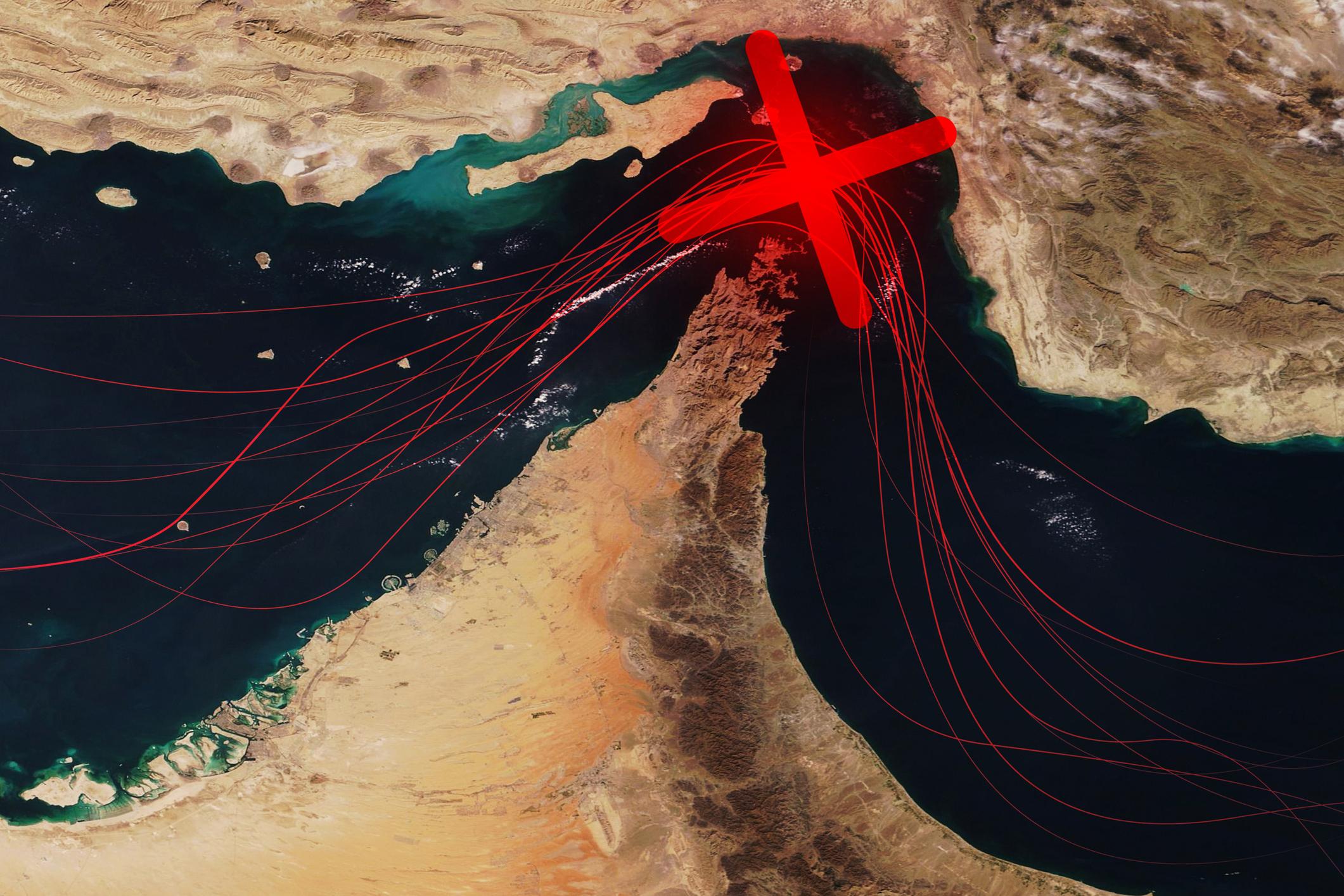
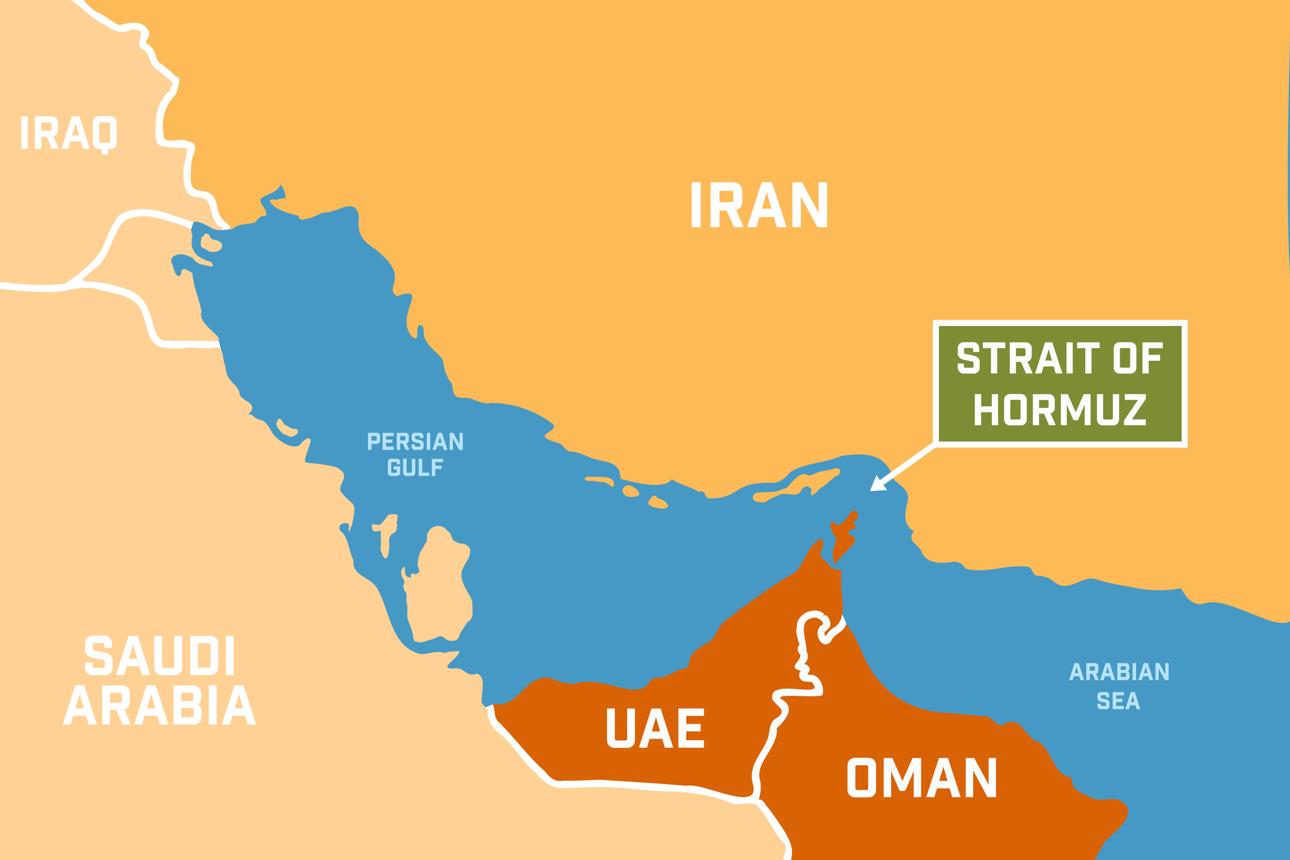
The Strait of Hormuz is widely recognized as one of the most vital energy chokepoints in the world. Approximately 20% of global oil supply flows through this narrow passage, making any instability a matter of international concern.
Recent developments tied to Strait of Hormuz tensions highlight the fragility of this route. While the three ships were able to pass without disruption, the circumstances surrounding their transit suggest a region operating under extreme pressure.
A maritime analyst explained:
“This is no longer just about shipping. Every movement in the Strait now carries geopolitical consequences.”
US-Iran Standoff Intensifies
The safe passage of the ships occurred amid heightened military activity from both the United States and Iran. Naval deployments have increased, and both sides continue to exchange warnings regarding territorial waters and freedom of navigation.
Iran has signaled that it could take action to control access to the Strait if its interests are threatened. Meanwhile, the United States has reiterated its stance on maintaining open sea lanes.
The ongoing Strait of Hormuz tensions are being shaped by this standoff, with each development adding to an already volatile situation.
Resignation Adds Political Shockwave
Compounding the situation, a senior counterterrorism official in the United States has reportedly resigned in protest over the expanding conflict posture toward Iran. While details remain limited, the resignation is being interpreted as a sign of internal disagreement within the national security establishment.
The official’s departure underscores growing concerns about the direction of policy and its potential consequences.
A former intelligence advisor noted:
“When senior officials step down during a crisis, it often signals deeper issues behind the scenes.”
Oil Markets React to Uncertainty
Energy markets have responded cautiously to the developments. Although there has been no immediate disruption to supply, traders are factoring in the risk associated with continued Strait of Hormuz tensions.
Even the possibility of restricted access can drive volatility in oil prices. Analysts warn that prolonged instability could have lasting economic consequences.
An energy strategist commented:
“Markets are extremely sensitive right now. The Strait is a pressure point for the entire global economy.”
Naval Presence Expands in the Gulf
The region has seen a significant increase in military presence, with naval forces from multiple countries operating in close proximity. This buildup is intended to ensure security but also raises the risk of unintended escalation.
The fact that three ships passed safely may provide some reassurance, but experts caution that the situation remains unpredictable.
Strait of Hormuz tensions continue to be influenced by this military dynamic, where even minor incidents could trigger larger confrontations.
Global Trade Faces Potential Disruption
Beyond energy markets, the implications of instability in the Strait extend to global trade. Shipping companies are already adjusting operations, factoring in increased insurance costs and potential delays.
The movement of goods through the region is critical for supply chains worldwide. Any disruption could lead to cascading effects across industries.
Diplomatic Efforts Underway
International leaders are calling for restraint and renewed diplomatic engagement. Efforts are being made to reduce tensions and prevent escalation.
The successful passage of the ships is being viewed as a positive development, but one that requires sustained dialogue to maintain stability.
A senior diplomat stated:
“We must prioritize communication and avoid actions that could escalate the situation further.”
Risk of Escalation Remains High
Despite the absence of immediate conflict, the underlying conditions suggest that risks remain elevated. Historical patterns show that the Strait of Hormuz can quickly become a flashpoint.
The combination of military presence, political tensions, and economic stakes creates a highly sensitive environment.
Strait of Hormuz tensions are likely to remain a key focus for global policymakers in the coming weeks.
Economic Ripple Effects Worldwide
The broader economic implications of instability in the Strait are significant. Countries dependent on energy imports are particularly vulnerable to price fluctuations and supply disruptions.
Businesses and governments alike are closely monitoring the situation, preparing contingency plans in case conditions worsen.
What Lies Ahead?
The coming days will be critical in determining whether the situation stabilizes or escalates further. Continued monitoring of ship movements, military activity, and diplomatic engagement will be essential.
Experts emphasize the importance of transparency and communication to avoid misunderstandings that could lead to conflict.
Strait of Hormuz Tensions Explained
The rise in Strait of Hormuz tensions underscores a fragile geopolitical moment in 2026. While three ships passed through the critical waterway without incident, the broader context of US–Iran friction, military buildup, and political developments signals ongoing risk.
Global markets remain cautious, and the potential for disruption to oil supply and trade continues to loom. As the world watches closely, the Strait remains a key indicator of broader stability—or instability—in the region.