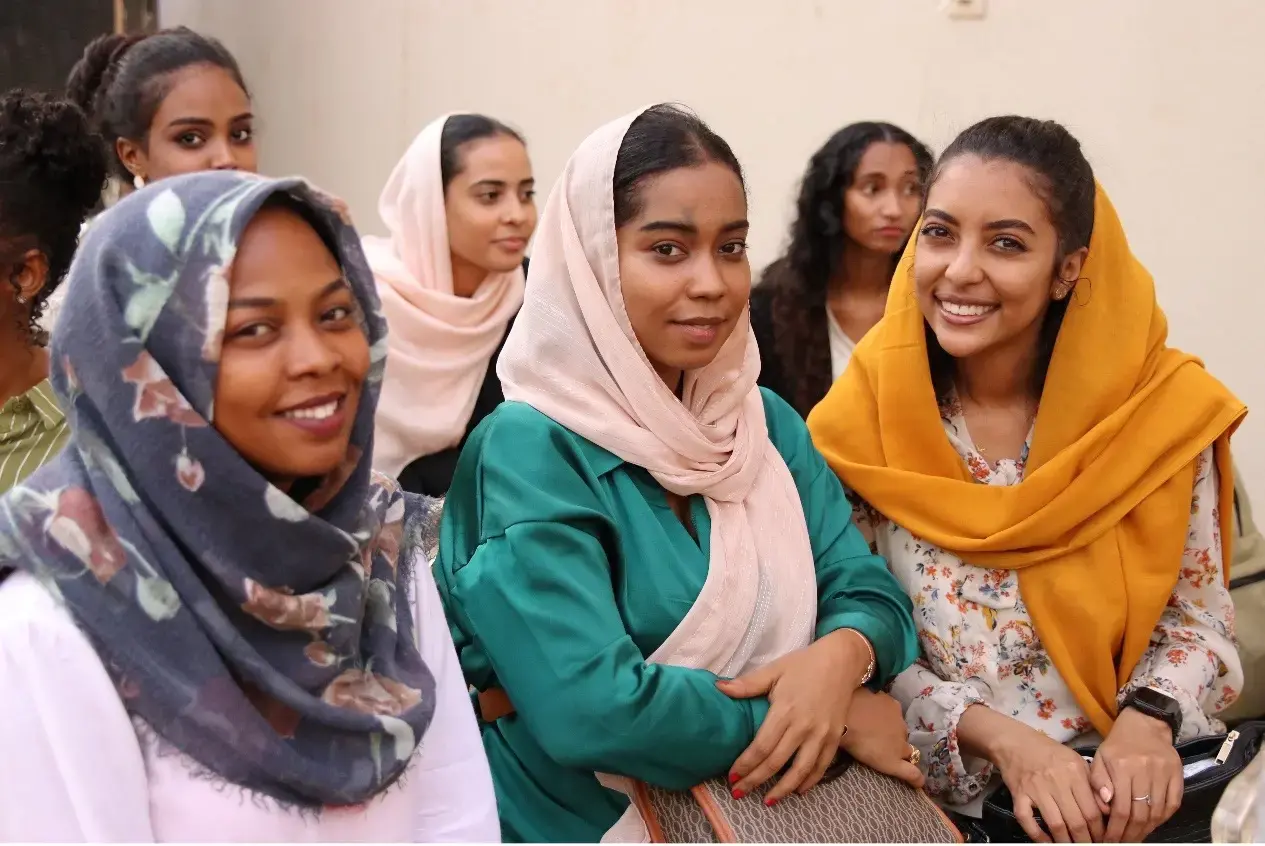
Khartoum, Sudan, January 2026 — According to parliament news, the prolonged war in Sudan has forced a fundamental reordering of everyday life, placing women at the center of survival in ways rarely seen before. As institutions collapse and violence persists, Sudan conflict women are navigating displacement, hunger, insecurity, and social transformation while holding together families and communities under extreme pressure.
Nearly two years into the conflict between rival military factions, Sudan remains locked in a humanitarian emergency. The fighting has crippled infrastructure, devastated the economy, and displaced millions. Amid this breakdown, women have emerged as essential actors in sustaining daily life, often stepping into roles once restricted by custom or necessity.
A war without borders or safe spaces
Sudan’s conflict has spread beyond frontlines into homes, markets, and neighborhoods. Airstrikes shelling and armed raids have made civilian life increasingly perilous. Women are among the most affected not only because of direct exposure to violence but due to their responsibility for children, elderly relatives, and extended families.
For many Sudan conflict women, safety is no longer a fixed location but a constantly shifting calculation. Routes to water sources are chosen based on the sound of gunfire. Markets are visited at dawn to avoid clashes. Homes are abandoned overnight when rumors of advancing fighters spread.
The collapse of traditional household structures
Before the war, many Sudanese households followed clearly defined gender roles shaped by economic stability and cultural norms. The conflict has dismantled these arrangements. Men have been killed injured detained or forced into combat. Others have fled across borders seeking work or refuge.
As a result, women have become heads of households by default. They manage finances make security decisions and negotiate access to resources. In doing so Sudan conflict women have taken on responsibilities that once belonged to male relatives, not by choice but by circumstance.
Economic survival in a shattered economy
Sudan’s formal economy has largely collapsed. Banks operate sporadically salaries go unpaid and inflation has eroded purchasing power. In this vacuum women have turned to informal economic activities to sustain their families.
Street vending home based food preparation tailoring and small trade dominate urban survival strategies. In Khartoum Omdurman and Port Sudan female sellers line streets and makeshift markets selling bread tea vegetables and household goods. These earnings are modest but critical.
For Sudan conflict women, economic participation is no longer supplementary. It is the primary means of survival.
Displacement reshapes women’s lives
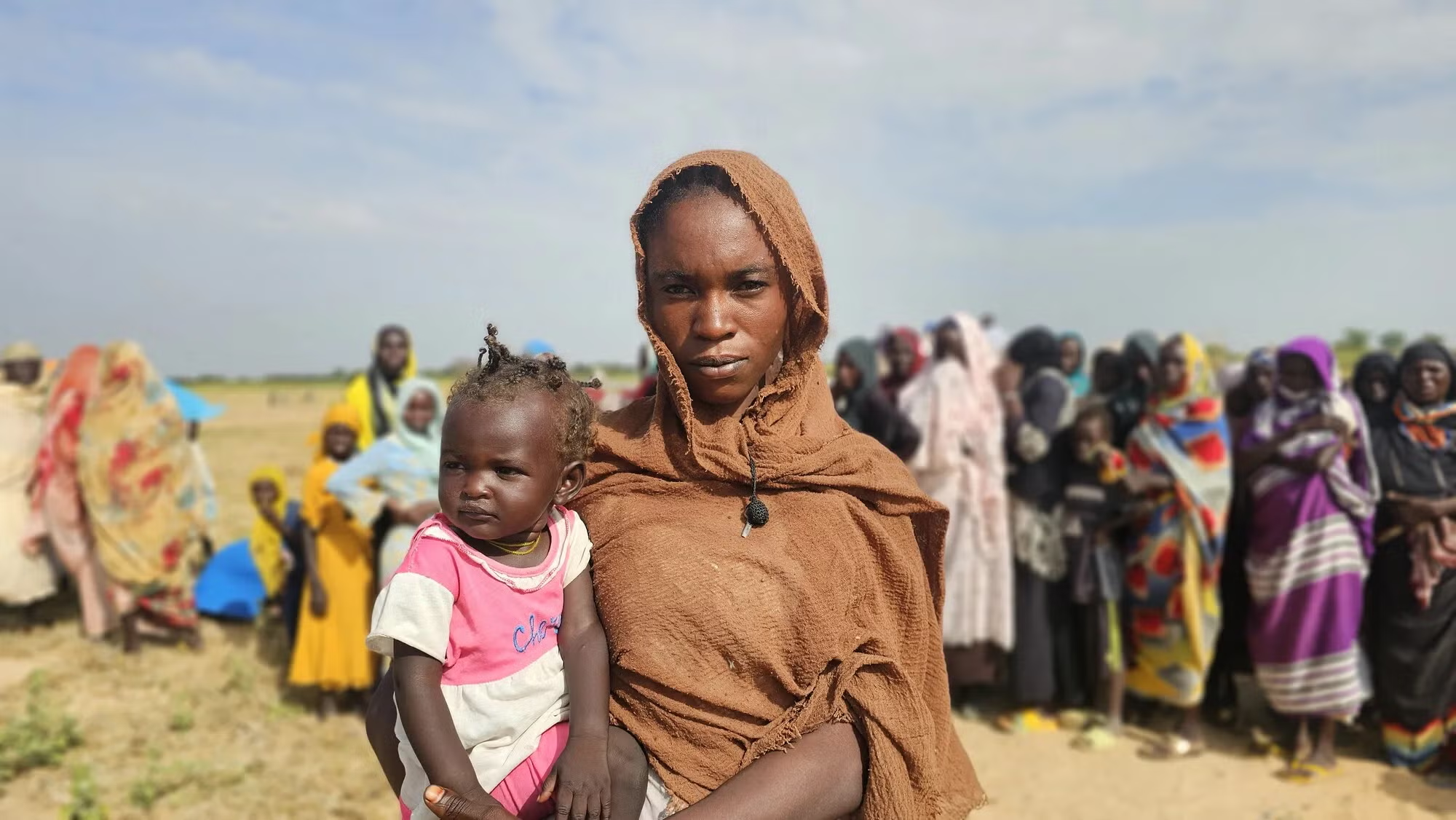
More than eight million people have been displaced inside Sudan making it one of the world’s largest displacement crises. Women and children account for the majority. Camps and informal settlements lack sanitation healthcare education and security.
Women navigate overcrowded conditions while maintaining family routines under impossible circumstances. Cooking is done over shared fires. Privacy is minimal. Access to menstrual hygiene products is limited.
Despite these hardships Sudan conflict women organize communal childcare food sharing systems and informal dispute resolution to preserve dignity and order.
Food insecurity and the burden of hunger
Sudan is facing widespread food insecurity driven by conflict disrupted agriculture and blocked supply routes. Women bear the primary responsibility for feeding families even as food becomes scarce.
Many reduce their own meals to ensure children eat. Others forage for wild plants or negotiate credit with traders. Malnutrition among pregnant and breastfeeding women is rising raising long term health risks.
In this context Sudan conflict women have become frontline actors in food security managing scarcity with creativity and sacrifice.
Education under siege but not abandoned
Thousands of schools have been damaged destroyed or repurposed as shelters. Formal education has been interrupted for millions of children. Women have responded by creating informal learning spaces wherever possible.
Former teachers volunteer to teach basic literacy and numeracy in homes mosques and camps. Mothers organize study groups using salvaged books and handwritten materials. Education is viewed as protection against exploitation and early marriage.
For Sudan conflict women, preserving education is an investment in a future beyond war.
Women as humanitarian organizers
International aid access remains severely constrained due to insecurity and bureaucratic obstacles. Local women have stepped in to fill gaps left by limited humanitarian reach.
They identify the most vulnerable households distribute food and medicine and coordinate community kitchens. These efforts operate with minimal resources but maximum local knowledge.
One community organizer in Khartoum explained,
“We cannot wait for help to arrive. Survival depends on what we do together.”
Such leadership has placed Sudan conflict women at the heart of grassroots humanitarian response.
Health care collapse and caregiving roles
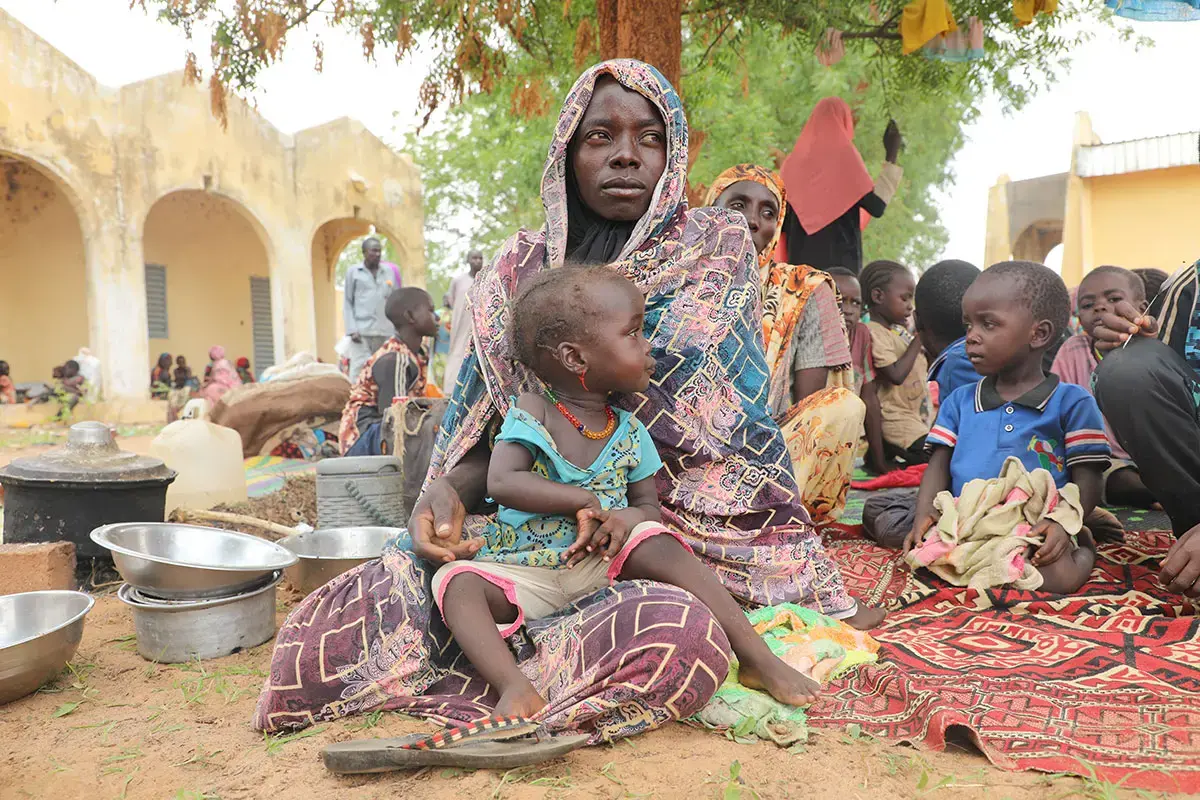
Sudan’s health system has been devastated. Hospitals have been looted bombed or abandoned. Medical supplies are scarce and staff overstretched.
Women provide most caregiving at home treating injuries managing chronic illness and supporting childbirth without professional assistance. Traditional remedies and peer knowledge have become essential tools.
The emotional and physical toll on Sudan conflict women is immense yet largely invisible in official statistics.
Rising risks of gender based violence
Conflict has increased exposure to sexual violence harassment and exploitation. Law enforcement mechanisms are weak or nonexistent leaving survivors with little recourse.
Women limit movement alter clothing and travel in groups to reduce risk. Fear shapes daily decisions from fetching water to accessing aid.
Despite these dangers Sudan conflict women continue to navigate public spaces because survival demands it.
Cultural resistance and social tension
The transformation of women’s roles has sparked debate within Sudanese society. Conservative voices argue that expanded female participation undermines tradition. Some women face criticism ostracism or threats.
Yet the scale of the crisis has weakened rigid enforcement of norms. Survival now outweighs social convention. For many communities women’s contributions are increasingly recognized even if reluctantly.
This tension reflects a society in transition driven by the actions of Sudan conflict women.
Psychological trauma and coping mechanisms
The mental health impact of prolonged conflict is profound. Women experience grief anxiety and exhaustion while carrying responsibility for others’ wellbeing.
Formal psychological support is rare. Instead women rely on peer networks shared rituals and faith based coping strategies. Storytelling collective prayer and mutual support circles provide emotional relief.
Through these practices Sudan conflict women sustain resilience in the absence of institutional care.
Young women and digital survival tools
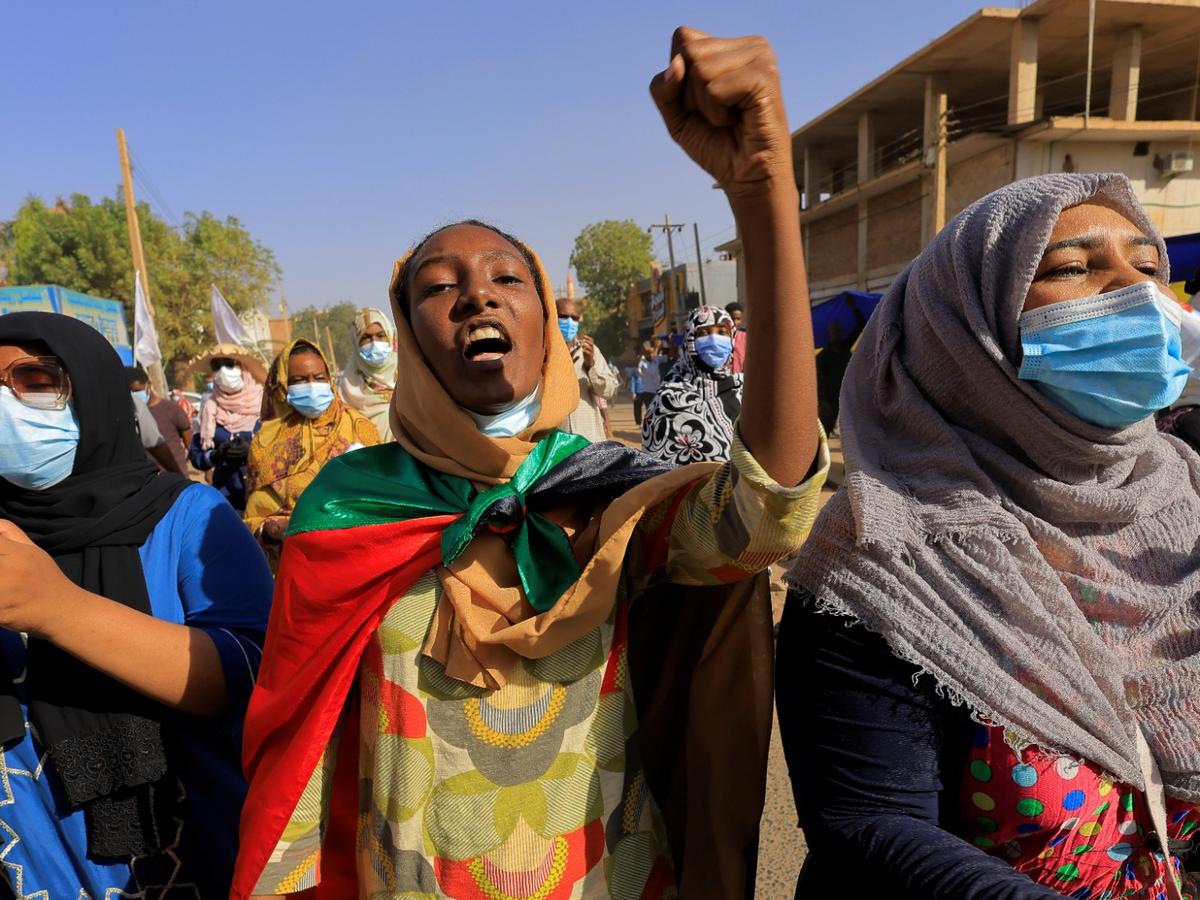
Young Sudanese women have turned to mobile technology to navigate insecurity. Messaging apps are used to share alerts about fighting locate missing relatives and coordinate aid distribution.
Social media platforms document human rights abuses and amplify local voices internationally. Digital engagement has allowed Sudan conflict women to influence narratives beyond their immediate surroundings.
Changing perceptions of leadership
As women demonstrate competence in crisis management economic activity and community coordination perceptions of leadership are shifting. Authority is increasingly tied to capability rather than gender.
Women now chair neighborhood committees manage resources and mediate disputes. These roles were rare before the war but are becoming normalized through necessity.
The prominence of Sudan conflict women is altering expectations for post war governance.
The impact on family dynamics
Household relationships are evolving as women assume decision making authority. Children witness mothers as providers negotiators and protectors.
This visibility reshapes gender socialization for a new generation. Daughters grow up seeing expanded possibilities while sons learn to accept female leadership.
The lived experience of Sudan conflict women is quietly transforming family structures.
International attention and limited response
Despite Sudan’s scale of suffering international attention has been inconsistent. Competing global crises and geopolitical fatigue have limited sustained engagement.
Women’s stories often remain underreported despite their central role in survival. Advocacy groups argue that recognizing Sudan conflict women is essential for effective humanitarian and peace efforts.
Prospects for post conflict recovery
Analysts agree that rebuilding Sudan will require the inclusion of women at all levels of planning and governance. Their wartime roles have equipped them with practical experience and local legitimacy.
Ignoring the contributions of Sudan conflict women risks undermining recovery efforts and perpetuating instability.
A society reshaped by necessity
Sudan’s war has forced changes that may prove irreversible. Gender roles once rigid have become fluid under pressure. Authority once inherited has become earned.
Women’s expanded participation is not the result of ideology but of survival. It reflects adaptation to collapse rather than social engineering.
Beyond endurance toward recognition
As the conflict grinds on women continue to carry Sudan through its darkest chapter. Their labor leadership and resilience sustain daily life in the absence of state protection.
The challenge ahead is ensuring that their contributions are recognized not erased when peace eventually returns.
The future written by survival
Sudan’s story is often told through military developments and political negotiations. Yet the true narrative of endurance unfolds in kitchens markets classrooms and camps led by women.
Through necessity and courage Sudan conflict women have redefined survival. Their actions are shaping not only how Sudan endures war but how it may emerge from it.