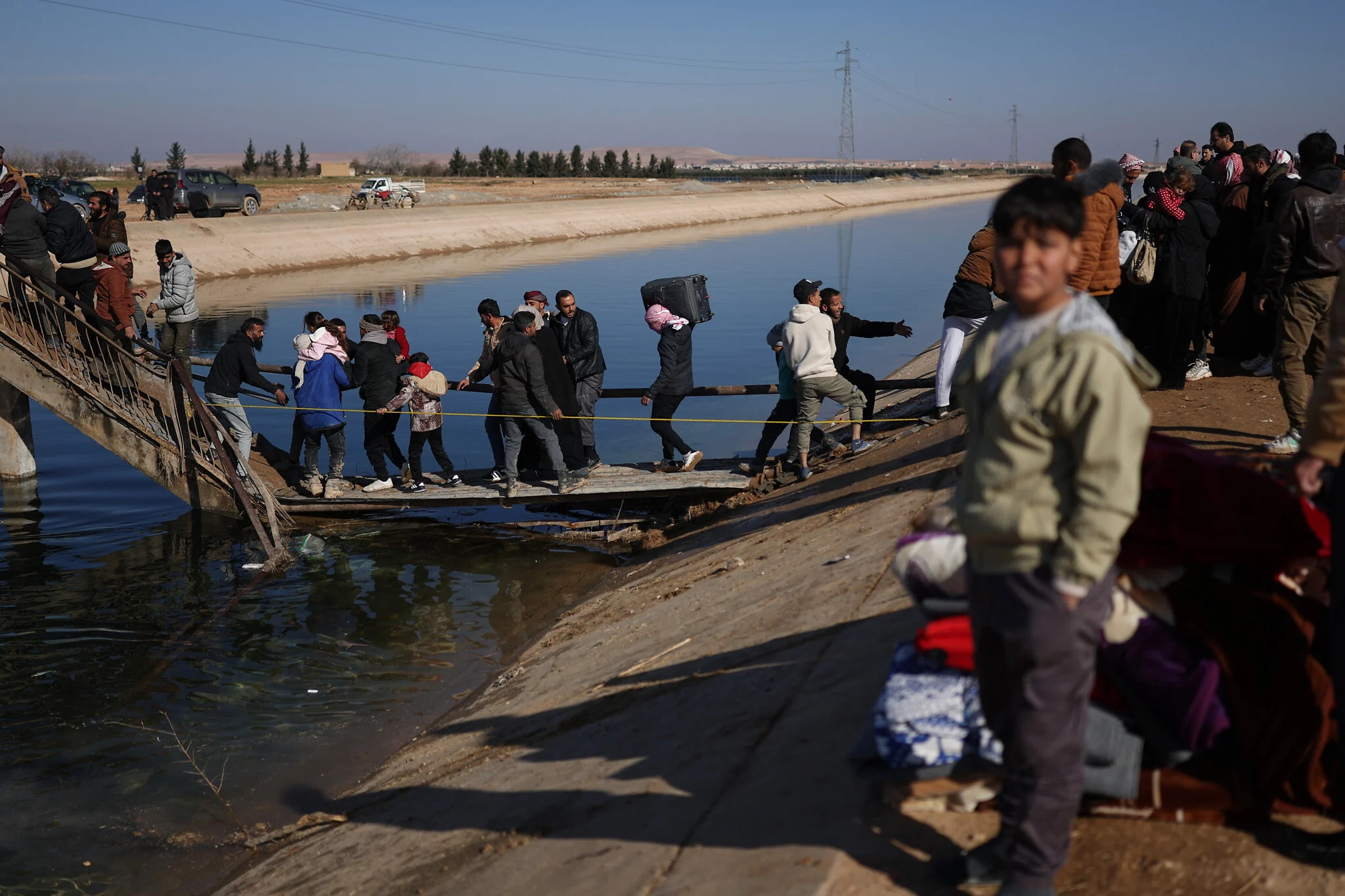
Syria — January 2026. According to parliament news, families displaced by years of conflict are steadily returning to their neighborhoods in eastern Aleppo countryside, marking one of the most visible civilian movements seen in the region in recent years. The Syria displacement return unfolding in Deir Hafer reflects a cautious shift from survival in displacement toward rebuilding permanent lives, as security conditions stabilize and basic services slowly resume.
For many residents, the journey home is deeply emotional. Streets that once echoed with fighting now carry the sounds of construction, conversation, and children playing. Yet the return is far from simple. Homes bear the scars of conflict, livelihoods must be rebuilt, and confidence in long-term stability remains fragile. Still, the pace of the Syria displacement return has drawn the attention of humanitarian agencies, local authorities, and regional observers watching closely to see whether recovery can take root.
Deir Hafer’s Place in Syria’s Return Landscape
Deir Hafer sits east of Aleppo city, an area that experienced repeated waves of displacement during the conflict. Once known for agriculture and local trade, the town became a corridor of movement as residents fled to safer areas.
Today, the Syria displacement return has turned Deir Hafer into a focal point for examining how communities re-emerge after prolonged absence. Local councils say hundreds of families have returned in recent months, often starting with short visits before committing to permanent resettlement.
Analysts note that returns in Deir Hafer carry symbolic weight, showing that civilians are willing to risk uncertainty in exchange for dignity and belonging.
Security Conditions That Made Return Possible
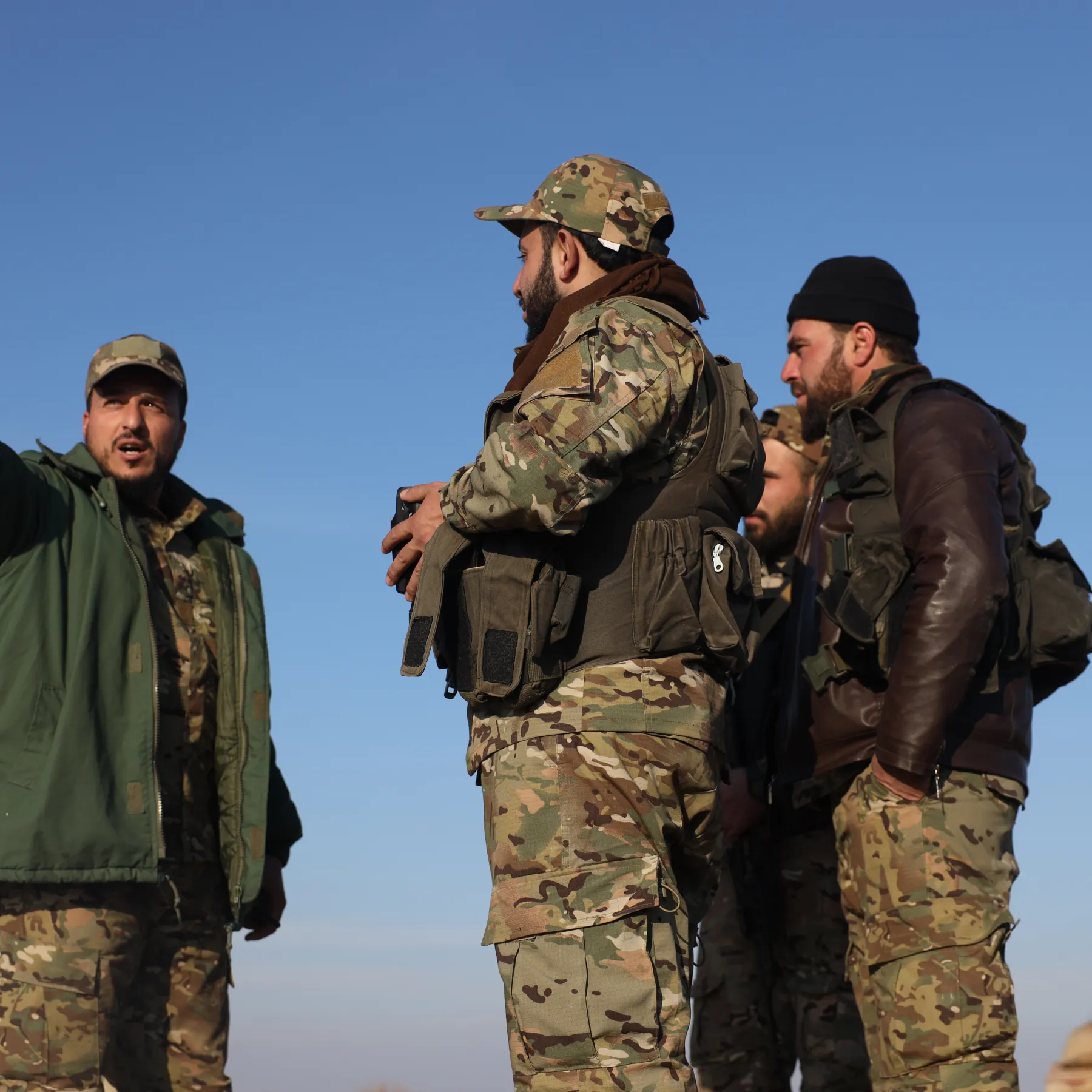
Improved security has been the most decisive factor enabling families to come back. Checkpoints, patrols, and de-escalation arrangements have reduced incidents of violence across much of the eastern Aleppo countryside.
Officials say that without this relative calm, the Syria displacement return would not be possible. While risks remain, the absence of large-scale clashes has encouraged displaced families to assess conditions for themselves.
Residents report feeling safer moving through the town, though many remain cautious and avoid travel at night.
Homes Reopened After Years of Silence
Returning families often encounter homes that require extensive repairs. Doors hang loose, roofs leak, and utilities remain unreliable in many neighborhoods.
Despite these conditions, the Syria displacement return continues as families prioritize reclaiming their property over waiting for full reconstruction. Neighbors help one another clean debris, repair walls, and reconnect water lines.
Local volunteers say reopening homes has restored a sense of ownership and identity lost during years of displacement.

Humanitarian Support on the Ground
Humanitarian organizations have expanded operations to support returnees. Assistance includes food distributions, medical care, shelter materials, and hygiene kits.
As the Syria displacement return grows, aid agencies are shifting focus from emergency relief to early recovery, emphasizing sustainability. Mobile health clinics and temporary learning spaces have been set up to bridge gaps until permanent services are restored.
Aid workers stress that consistent funding will be essential to prevent families from leaving again due to unmet needs.
Schools and Markets Resume Daily Life
Education and commerce are slowly returning. Several schools have reopened with limited enrollment, often operating in partially repaired buildings.
Markets, once deserted, now see daily activity. Shopkeepers say the Syria displacement return has revived demand for food, construction supplies, and household goods, even as purchasing power remains weak.
These signs of daily life play a critical role in convincing hesitant families that returning home is viable.
Livelihood Recovery and Economic Pressures
Economic recovery remains one of the greatest challenges. Agriculture, once the backbone of Deir Hafer’s economy, faces obstacles such as damaged irrigation systems and high fuel costs.
Still, the Syria displacement return has prompted farmers to prepare fields and traders to reopen small businesses. Informal labor, construction work, and seasonal farming are providing limited income.
Economists warn that without job creation and credit access, returns may not be sustainable.
Families Explain Why They Came Back
For many families, the decision to return was not driven by comfort but by necessity and identity. Years of displacement strained finances and eroded social ties.
One returning resident said:
“Life was safer away, but it was not living. Here, even with nothing, we feel human again.”
Such testimony reflects the emotional core of the Syria displacement return, where home represents more than shelter.
Infrastructure Repair Lags Behind Need
Infrastructure remains uneven. Electricity is intermittent, water networks require repair, and roads are damaged in several districts.
As the Syria displacement return accelerates, these gaps become more visible. Local authorities have launched small repair projects, often with limited resources and external support.
Officials warn that infrastructure investment must keep pace with population returns to prevent new hardships.
Health Care Access and Public Services
Health services remain limited, relying heavily on humanitarian providers. Clinics face shortages of staff and equipment.
The Syria displacement return has increased demand for medical care, particularly for chronic illnesses and maternal health. Mobile clinics and referral systems are helping, but long-term solutions are needed.
Public services such as waste management and water treatment are gradually being restored.
Social Healing After Long Separation
Beyond physical reconstruction, social recovery is underway. Neighbors separated for years are reconnecting, sharing resources, and rebuilding trust.
Community leaders say the Syria displacement return offers an opportunity for reconciliation through shared hardship and cooperation. Informal mediation efforts have helped resolve property disputes and neighborhood tensions.
Social cohesion is seen as essential for preventing future instability.
Protection Concerns and Civilian Confidence
Protection remains a central issue. Returnees seek assurances that they will not face harassment, forced displacement, or renewed violence.
The Syria displacement return has prompted calls for clearer guarantees and monitoring mechanisms to protect civilians. Confidence in safety will largely determine whether families stay.
International observers continue to track conditions on the ground.

Deir Hafer Within the National Picture
Returns in Deir Hafer reflect a broader pattern across parts of Syria where relative calm has enabled limited civilian movement.
However, experts caution that the Syria displacement return remains uneven nationwide, shaped by local security, services, and economic prospects. Deir Hafer’s experience may inform future planning but cannot be universally applied.
Policy makers stress that returns must remain voluntary and dignified.
Economic Ripple Effects Across the Region
The return of families is reshaping local markets and labor dynamics. Increased demand for goods has modestly boosted trade.
The Syria displacement return is also influencing regional supply chains, as agricultural production resumes and transport routes reopen.
Economists note that sustained recovery will depend on broader economic stabilization.
Youth and the Future of Return Communities
Young people face particular challenges, including limited education opportunities and employment prospects.
As the Syria displacement return continues, youth engagement programs are emerging to prevent frustration and migration. Training initiatives and informal education are being explored.
Youth participation is viewed as critical for long-term stability.
Monitoring the Pace of Return
Authorities and aid agencies are closely tracking return numbers to ensure services keep pace with population growth.
The Syria displacement return is being managed cautiously, with officials emphasizing gradual resettlement over sudden influxes.
Accurate data collection is helping guide resource allocation.
Risks That Could Reverse Progress
Despite optimism, risks remain. Any security incident, funding shortfall, or service disruption could prompt families to leave again.
Aid workers warn that without sustained commitment, the Syria displacement return could stall. Long-term peace remains the most important factor.
Residents stress that stability, not speed, should define success.
Civil Society and Local Leadership
Local councils and community groups are playing a vital role in managing returns. They coordinate assistance, mediate disputes, and communicate needs to higher authorities.
The Syria displacement return has strengthened local leadership structures, highlighting the importance of community-driven recovery.
Civil society involvement is seen as a stabilizing force.
Regional and International Attention
International organizations are monitoring Deir Hafer as a case study for post-conflict return.
The Syria displacement return has implications for humanitarian policy, reconstruction funding, and diplomatic engagement with Syria.
Observers stress that returns must align with international protection standards.
When Returning Home Becomes a Measure of Stability
The steady movement of families back to Deir Hafer represents both hope and a test. Each return challenges the capacity of security, services, and livelihoods to support civilian life.
The Syria displacement return in 2026 stands as a cautious but meaningful step toward recovery in northern Syria. Its success will depend on sustained calm, practical support, and the resilience of returning communities.
For now, reopened homes, working markets, and renewed routines offer a glimpse of what recovery could look like after years of displacement.