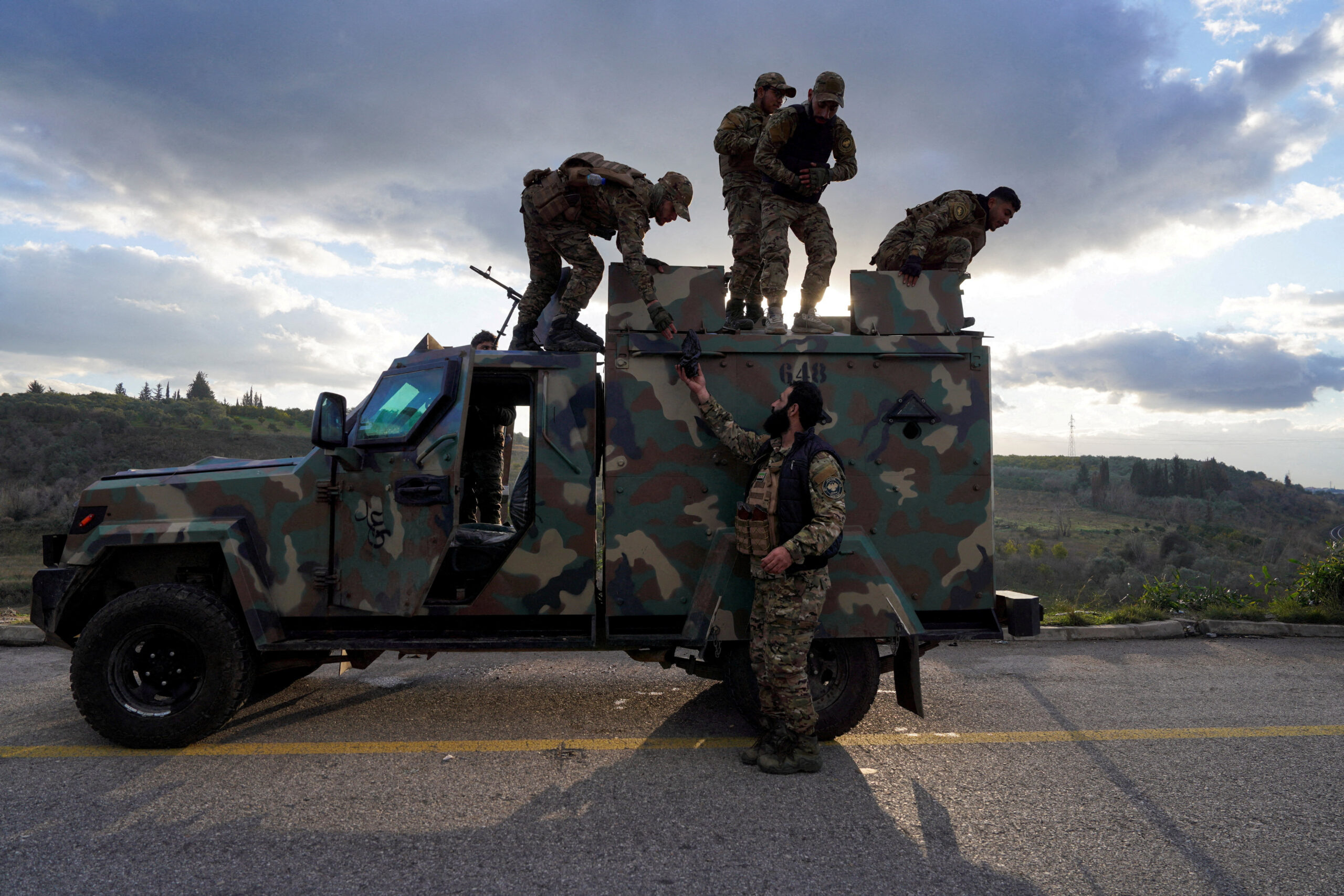
Aleppo, Syria, January, 2026 — According to Parliament News, military forces moved into several eastern towns of Aleppo province this week following reports of armed clashes involving local factions and the Syrian Democratic Forces. The development marks a notable shift in the region’s fragile security environment, as authorities seek to prevent further escalation in one of Syria’s most strategically sensitive areas. The Syrian army Aleppo deployment has drawn close attention from residents, regional observers, and humanitarian actors alike.
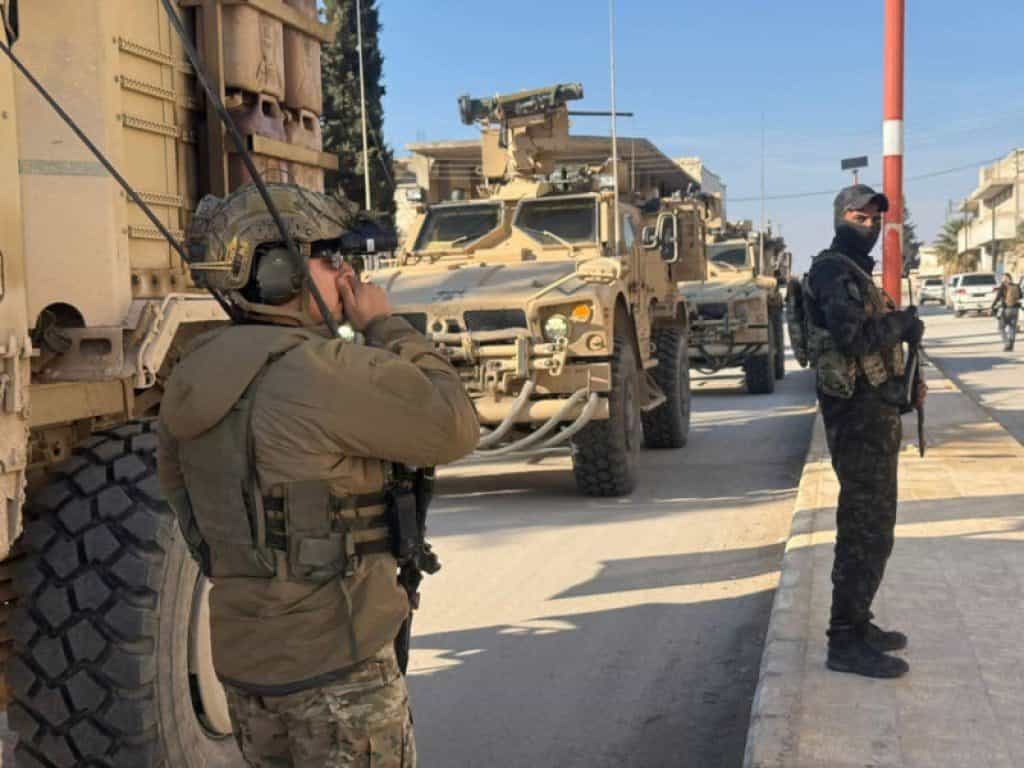
Officials said the movement of troops was intended to stabilize areas affected by recent tensions and to protect civilian populations. As the Syrian army Aleppo operation unfolded, armored vehicles and checkpoints appeared along key routes, signaling a reinforced presence after days of uncertainty.
Eastern Towns See Sudden Military Presence
Residents in towns east of Aleppo reported an early-morning arrival of military convoys, with soldiers taking positions near administrative buildings and major intersections. The deployment followed intermittent clashes that had raised concerns of wider confrontation.
Local sources said the Syrian army Aleppo move was coordinated to limit the spread of violence rather than launch an offensive. Streets were partially closed, and movement was regulated as security checks increased.
Community leaders urged calm, noting that stability remains the primary concern for civilians who have endured years of shifting control.
Clashes Trigger Rapid Response
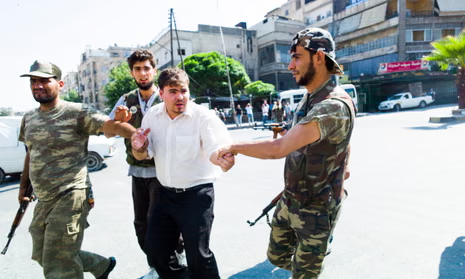
Reports of clashes involving armed groups on the outskirts of eastern Aleppo preceded the deployment. While details remain limited, monitoring groups said exchanges of fire occurred overnight before subsiding.
The Syrian army Aleppo presence altered the balance on the ground, placing pressure on rival forces to avoid further escalation. Analysts say such deployments are often used to impose temporary order in contested zones.
So far, no large-scale confrontations have been reported since troops entered the towns.
Strategic Weight of East Aleppo
Eastern Aleppo holds strategic significance due to its proximity to supply routes linking northern Syria. Control over these towns affects trade, humanitarian access, and security coordination.
When the Syrian army Aleppo units move into such areas, it often reflects broader calculations aimed at securing transport corridors. The region’s importance has made it a focal point for competing interests throughout the conflict.
Military experts stress that maintaining stability here is critical to preventing ripple effects across northern Syria.
Civilian Life Under Heightened Security
For civilians, the sudden military presence has brought both reassurance and disruption. Markets operated under restricted hours, and some schools temporarily suspended classes as a precaution.
Humanitarian organizations said they were monitoring the situation closely. The Syrian army Aleppo deployment prompted assessments of access routes to ensure aid deliveries could continue without interruption.
Residents expressed hope that the move would deter clashes rather than spark new ones.
Government Rationale and Objectives
State-linked sources described the operation as preventive, emphasizing protection of civilians and public infrastructure. Officials said intelligence assessments indicated rising risks of localized fighting.
The Syrian army Aleppo mission, according to authorities, prioritizes containment and deterrence rather than expansion. However, trust between armed actors remains fragile after years of conflict.
Officials reiterated calls for coordination to avoid misunderstandings on the ground.
Regional and Diplomatic Attention
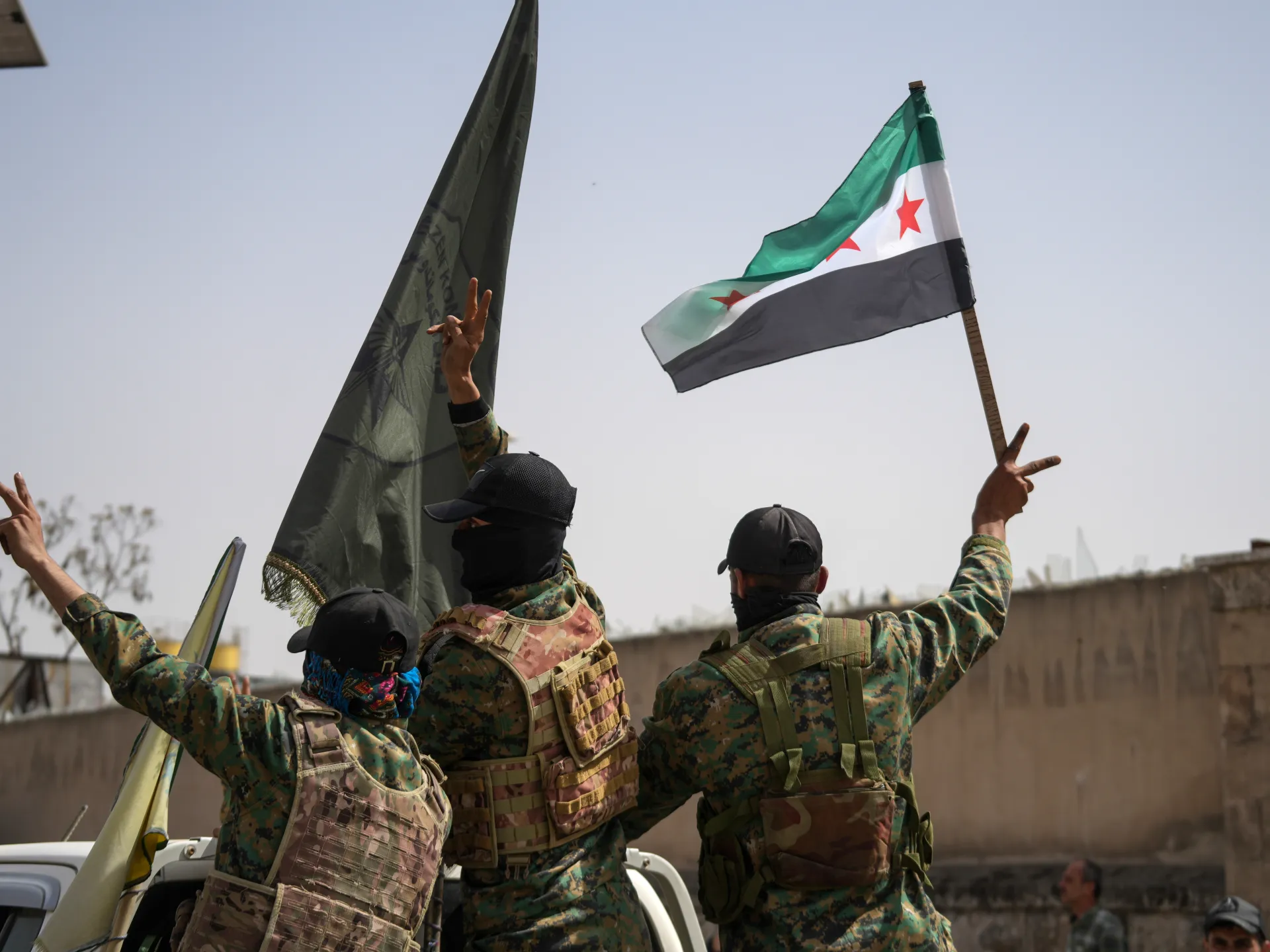
The developments have been closely watched by regional actors involved in Syria’s complex landscape. East Aleppo’s stability is tied to broader negotiations and informal understandings among multiple stakeholders.
Analysts note that whenever the Syrian army Aleppo shifts its posture, it can influence diplomatic calculations beyond the immediate area. For now, international responses have focused on restraint and civilian protection.
No external mediation efforts have been announced in response to the latest movements.
Humanitarian Concerns Remain Central
Aid agencies operating in Aleppo province highlighted the importance of avoiding disruptions to essential services. Even limited clashes can affect electricity, water, and food supply chains.
As the Syrian army Aleppo maintains positions in eastern towns, humanitarian planners are preparing contingency measures in case displacement occurs. Past episodes show that sudden security changes can prompt short-term population movement.
Local councils appealed for all parties to respect civilian infrastructure.
Local Perspectives From the Ground
Residents interviewed by local media described mixed feelings. Some welcomed the increased security, while others worried about renewed tension between armed groups.
Community elders emphasized dialogue as the only sustainable path forward. The moment the Syrian army Aleppo entered the towns was described as critical, with hopes that it would impose calm rather than provoke confrontation.
Trust-building measures, locals say, are essential to prevent misunderstandings.
Military Calculations and Risk Management
Security analysts explain that such deployments involve careful risk management. Forces must balance deterrence with restraint to avoid accidental escalation.
The Syrian army Aleppo approach appears focused on visibility and control of key points rather than deep penetration into residential areas. This tactic is often used to signal authority while minimizing friction.
However, analysts warn that miscalculations remain possible in crowded urban settings.
Historical Context of Aleppo’s Security Shifts
Aleppo has experienced multiple phases of conflict and control changes since the early years of the war. Each phase reshaped the city’s social and economic fabric.
The Syrian army Aleppo presence today reflects lessons learned from earlier periods, when unchecked clashes led to prolonged instability. Observers note that current strategies emphasize containment over confrontation.
Understanding this history is key to interpreting recent developments.
One Official Statement
A regional official summarized the objective of the deployment, stating:
“The goal is to prevent escalation and ensure that civilians are not drawn into renewed fighting.”
The single statement underscored official efforts to frame the operation as protective.
Watching the Days Ahead Closely
The situation in eastern Aleppo remains fluid, with all sides under pressure to avoid escalation. Communication channels, both formal and informal, may determine whether calm holds.
As the Syrian army Aleppo maintains its presence, observers will watch closely for signs of de-escalation or renewed tension. For civilians, stability remains the overriding priority after years of upheaval.
When Stability Hangs on Restraint
The latest developments illustrate how fragile security remains in northern Syria. Every movement carries weight beyond its immediate tactical purpose.
The Syrian army Aleppo deployment stands as a reminder that in conflict-affected regions, restraint can be as decisive as force. Whether this moment becomes a step toward lasting calm or another turning point will depend on choices made in the days ahead.