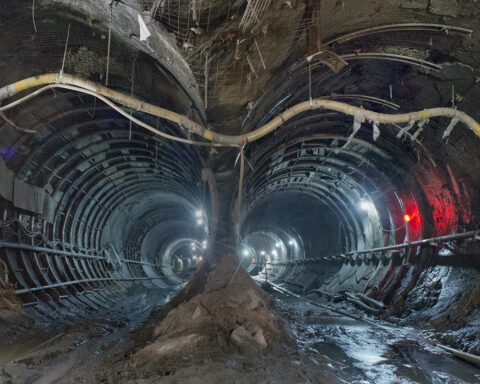
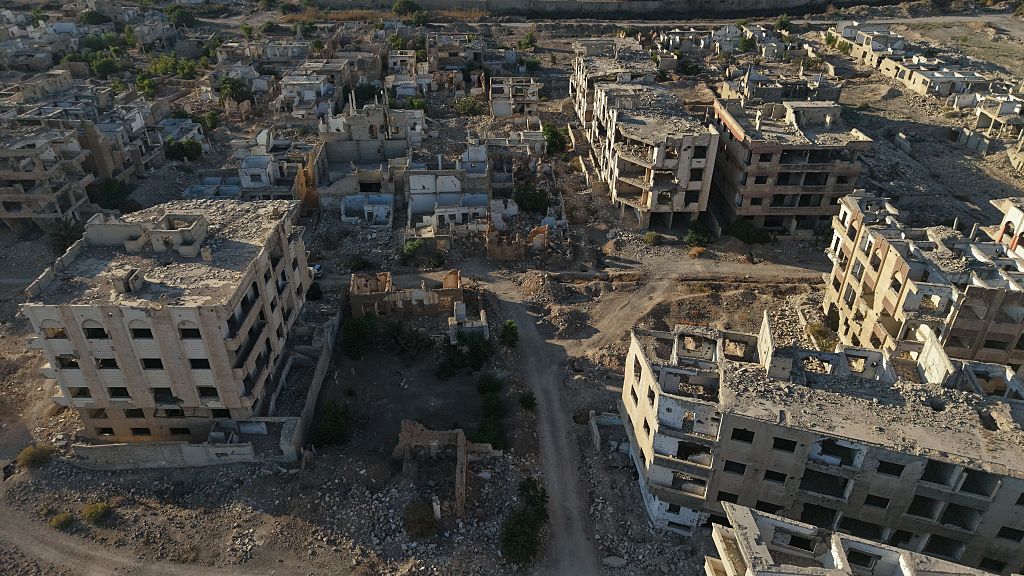
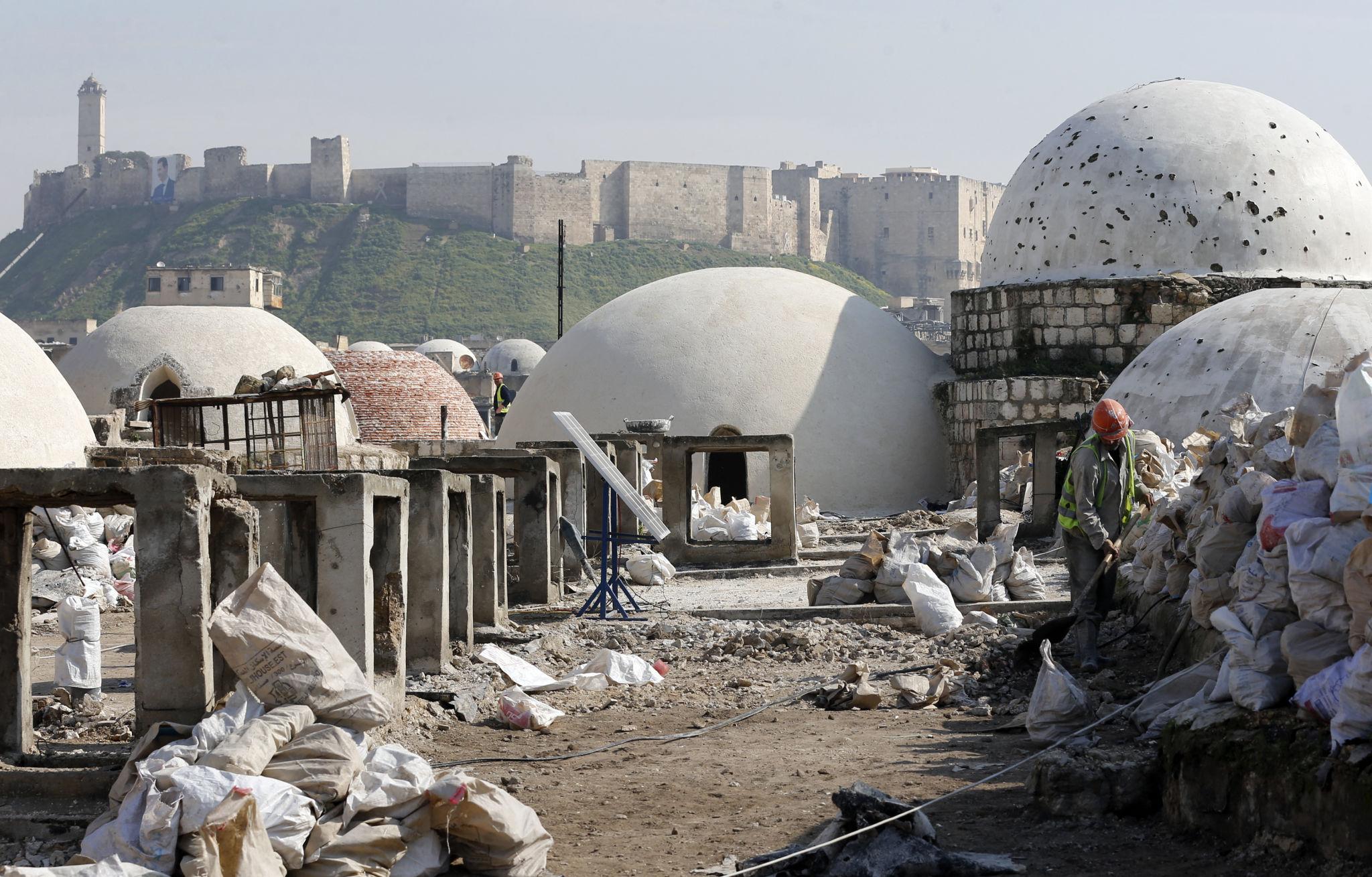
Damascus, February 7, 2026, According to Parliament News, that In 2026, Syria infrastructure projects are emerging as a central pillar of national recovery, signaling a decisive shift from emergency stabilization toward long-term development. Announced in Damascus and backed by renewed regional engagement, the latest phase of rebuilding focuses on transport, energy, water systems, housing, and logistics. Officials say these efforts are designed to restore essential services while laying the groundwork for sustainable economic activity across the country.
The renewed momentum comes as Syria seeks to reconnect domestic markets, support displaced populations returning home, and reestablish trade routes disrupted over more than a decade. Analysts emphasize that Syria infrastructure projects are not isolated construction efforts but part of a broader strategy to rebuild institutional capacity, employment, and investor confidence.
National Recovery Enters a New Phase
The evolution of reconstruction planning in 2026 reflects a noticeable change in priorities. Earlier recovery efforts focused on temporary fixes and humanitarian needs. Today, planners are emphasizing durability, efficiency, and integration across sectors.
By targeting systems that underpin daily life, the government aims to create multiplier effects throughout the economy. Transport enables trade, power supports industry, and water systems protect public health. Within this framework, Syria infrastructure projects are increasingly viewed as the foundation upon which broader economic normalization depends.
Transport Corridors and Economic Connectivity
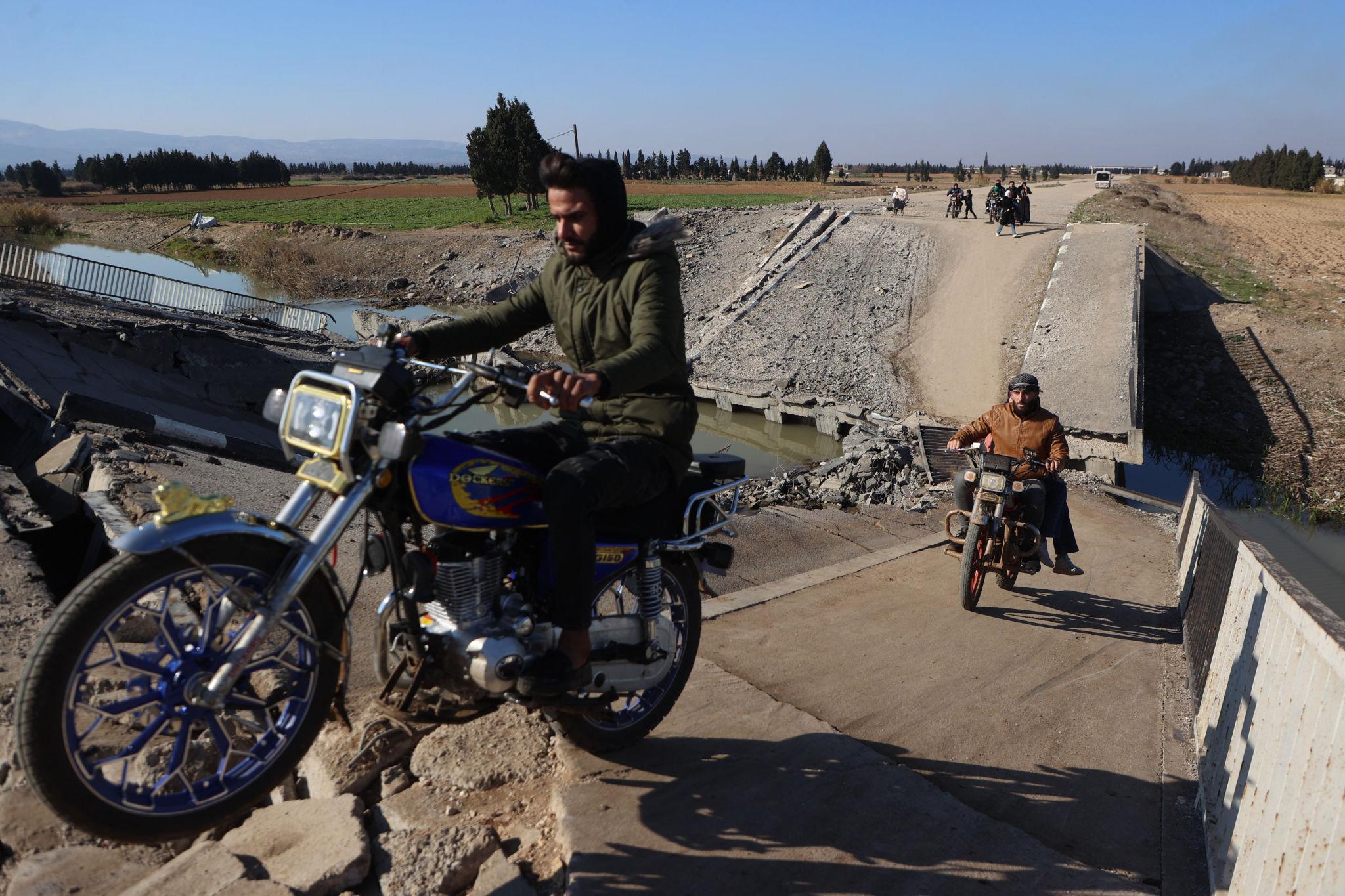
Damaged road networks once fragmented regional trade and isolated communities. Current rehabilitation programs focus on restoring highways linking major cities, industrial zones, and border crossings.
Modern engineering standards are being applied to resurfacing and bridge reinforcement, allowing higher freight capacity and safer travel. Logistics specialists note that improved road quality reduces vehicle operating costs and shortens delivery times, amplifying the economic value of Syria infrastructure projects in transport.
Urban Mobility Improvements
Within cities, municipal authorities are prioritizing traffic flow, public transport corridors, and pedestrian safety. These changes may appear incremental, but urban planners argue that efficient mobility supports labor markets and commercial activity.
Energy Systems and Industrial Revival
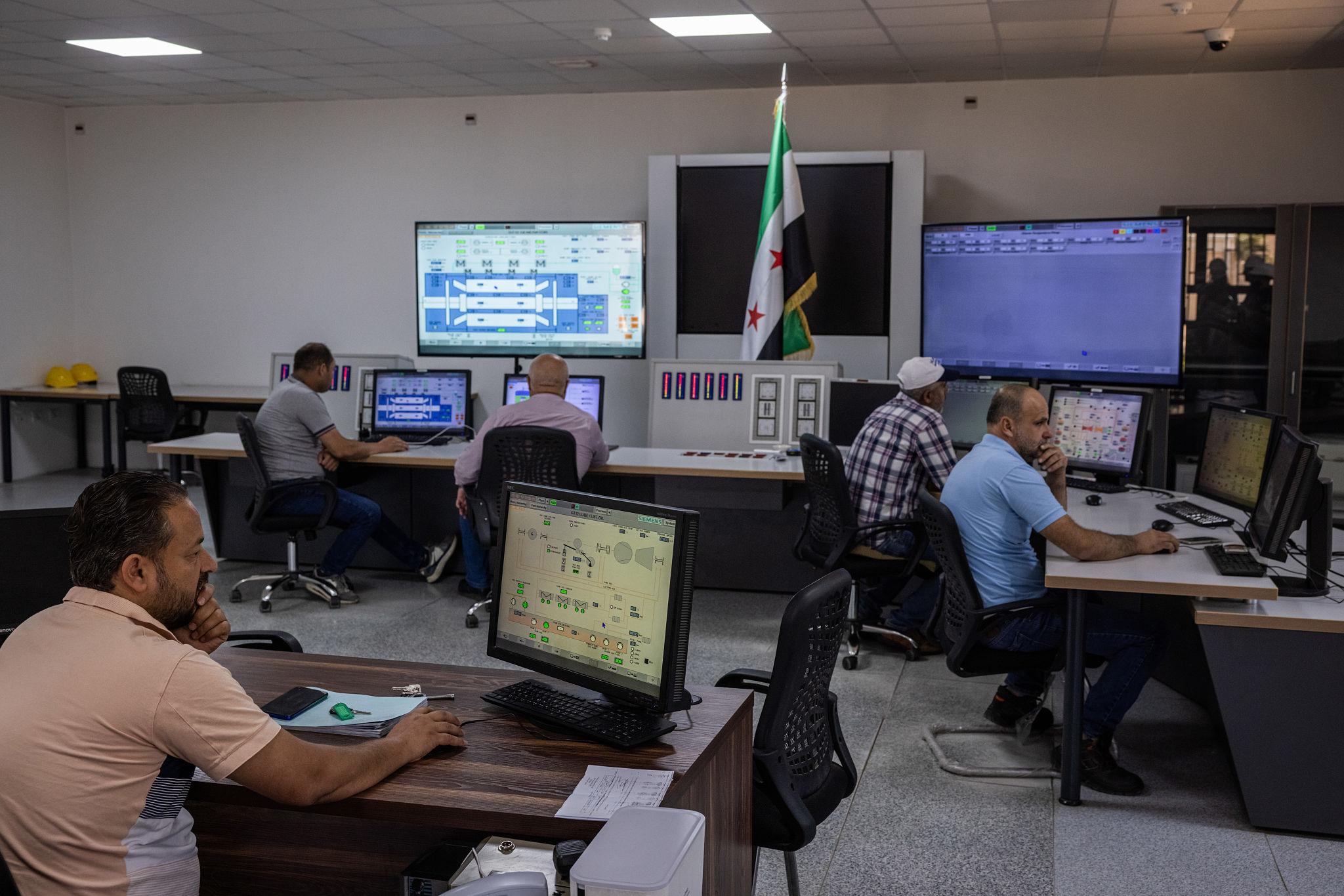
Electricity reliability remains a defining challenge for households and manufacturers alike. Instead of constructing new plants immediately, authorities are focusing on rehabilitating existing facilities to restore capacity quickly.
Transmission upgrades aim to reduce technical losses that historically strained supply. Energy analysts say the steady recovery of power availability demonstrates how Syria infrastructure projects can deliver visible gains within relatively short timeframes.
Diversifying Energy Sources
Pilot renewable initiatives, particularly solar installations in rural and peri-urban areas, are being assessed as supplementary solutions. While modest in scale, these projects contribute to resilience and reduce pressure on centralized grids.
Water, Sanitation, and Public Health
Access to clean water is essential for social stability. Years of conflict damaged pipelines, pumping stations, and treatment plants, leaving many communities vulnerable.
Rehabilitation programs now focus on restoring core infrastructure before expanding capacity. Public health experts highlight that water-related Syria infrastructure projects yield immediate benefits by reducing disease risk and improving overall living conditions.
Housing and Urban Reconstruction
Housing shortages remain acute in several urban districts. Reconstruction efforts prioritize structurally sound, service-connected housing rather than rapid expansion.
Urban economists note that housing-focused Syria infrastructure projects stimulate multiple sectors simultaneously, including construction materials, transport services, and local retail.
Public Buildings and Services
Schools, hospitals, and administrative facilities are also undergoing phased rehabilitation. Restoring these institutions supports social normalization and reinforces public trust in recovery efforts.
Economic Impact and Employment
Infrastructure investment is widely recognized as one of the most effective tools for job creation. Construction activity generates immediate employment, while improved services enable private sector growth.
Economists estimate that ongoing Syria infrastructure projects could support tens of thousands of direct and indirect jobs over the coming years. Increased employment strengthens household income, contributing to demand-led economic recovery.
Financing Models and Oversight
Reconstruction financing blends state funding, regional capital, and project-based partnerships. Authorities emphasize phased disbursement tied to measurable milestones.
Financial observers stress that transparent procurement and regulatory clarity are critical. Well-managed Syria infrastructure projects are more likely to attract sustained investment and minimize cost overruns.
Regional Trade and Strategic Importance
Syria’s geographic position historically made it a transit hub linking the eastern Mediterranean with inland markets. Restoring this role depends heavily on infrastructure quality.
Trade analysts argue that successful Syria infrastructure projects could gradually reintegrate the country into regional supply chains, enhancing economic interdependence and stability.
Historic Comparison: Lessons From Past Rebuilding Cycles
Syria has undergone periods of reconstruction before, notably after regional conflicts in the late 20th century. Those efforts often prioritized speed over sustainability, resulting in infrastructure that struggled to meet long-term demand.
In contrast, today’s approach emphasizes resilience, phased planning, and modern standards. Experts suggest that learning from earlier rebuilding cycles increases the likelihood that current Syria infrastructure projects will deliver lasting value rather than temporary relief.
Technology and Modern Standards
Digital mapping, updated building codes, and data-driven planning are increasingly integrated into project design. These tools improve accuracy, reduce waste, and support long-term maintenance.
Engineers argue that embedding technology within Syria infrastructure projects is essential for future-proofing assets against population growth and climate pressures.
Social Impact and Community Response
Public perception of reconstruction remains cautiously optimistic. Residents report improvements in electricity availability, road access, and water supply in areas where projects are complete.
One local business owner in Damascus captured the sentiment, saying,
“When infrastructure returns, opportunity follows, and people begin to believe in the future again.”
Governance, Risks, and Implementation Challenges
Despite progress, challenges persist. Skilled labor shortages, supply chain disruptions, and regional economic volatility can affect timelines.
Policy experts emphasize realistic scheduling and community engagement to maintain confidence. The credibility of Syria infrastructure projects depends on consistent delivery rather than ambitious announcements alone.
Education, Health, and Human Capital
Infrastructure extends beyond physical assets to include systems that support human development. Reliable utilities in schools and hospitals enhance service quality and workforce productivity.
Development specialists note that integrating social facilities into Syria infrastructure projects maximizes long-term economic returns by strengthening human capital.
Environmental Considerations
Environmental impact assessments are increasingly part of project planning. Water conservation, energy efficiency, and waste management are being incorporated to reduce long-term ecological costs.
Sustainable practices ensure that Syria infrastructure projects contribute to resilience rather than creating future liabilities.
International Observation and Benchmarks
Global development observers often assess recovery progress through infrastructure delivery. Roads paved, power restored, and water systems repaired serve as tangible indicators of stabilization.
Consistency in execution will shape external perceptions of Syria infrastructure projects and influence future engagement.
Long-Term Outlook for National Development
Looking ahead, infrastructure rebuilding is expected to evolve from recovery-driven necessity to development-driven strategy. As systems stabilize, focus may shift toward expansion, efficiency, and innovation.
If current plans remain on track, Syria infrastructure projects could redefine the country’s economic trajectory over the next decade, supporting inclusive growth and regional integration.
Infrastructure as the Backbone of Renewal
The progress seen in 2026 underscores the central role infrastructure plays in national renewal. By restoring essential services, enabling commerce, and supporting employment, reconstruction lays the groundwork for broader stability.
While challenges remain, the strategic direction of Syria infrastructure projects reflects a measured, forward-looking approach. Success will ultimately depend on governance, transparency, and sustained commitment to long-term development goals.