

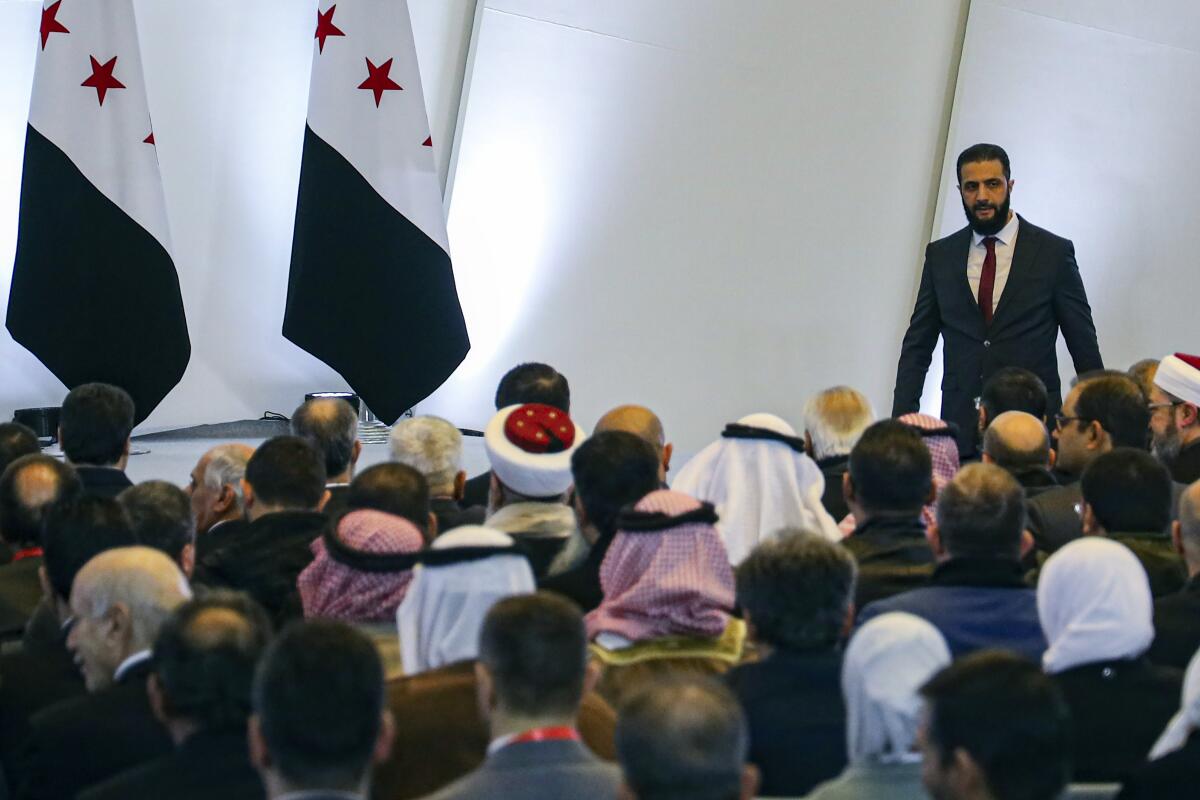
Damascus, Syria — January 2026. According to parliament news, renewed diplomatic engagement has returned Syria to the center of regional attention as political actors cautiously reopen dialogue after years of stalemate. The latest meetings in Damascus reflect a broader reassessment of priorities shaped by conflict fatigue, economic pressure, and shifting regional dynamics. At the heart of these discussions are Syria peace efforts, which many observers now see as the only viable pathway out of prolonged instability.
After more than a decade of conflict, expectations remain tempered. Yet officials involved in recent meetings describe a noticeable change in tone. Instead of maximalist demands, participants are focusing on achievable steps that could reduce tensions and improve civilian life. This recalibration has given new visibility to Syria peace efforts, even as deep mistrust and unresolved grievances persist.
A Conflict Defined by Stalemate and Fatigue
Syria’s war has evolved through multiple phases, each marked by shifting alliances and failed negotiations. Numerous initiatives promised breakthroughs but collapsed under competing interests and lack of enforcement.
What distinguishes the current moment, analysts say, is the level of exhaustion shared across political and social divides. Years of hardship have reshaped calculations, pushing actors to reconsider entrenched positions. In this context, Syria peace efforts are increasingly framed not as idealistic aspirations but as pragmatic necessities.
Civilian fatigue has been especially influential, as communities across the country struggle with deteriorating services and limited economic prospects.
Why Dialogue Has Re-Emerged in 2026
Several developments have converged to revive negotiations. Economic strain, including inflation and infrastructure decay, has narrowed the space for continued confrontation. Regional realignments have also altered external incentives.
Observers note that Syria peace efforts have regained traction partly because no actor has achieved decisive victory. With front lines largely static, dialogue has become the primary tool for managing unresolved disputes.
Diplomats say this environment has encouraged quieter, more practical discussions focused on risk reduction rather than sweeping political settlements.
Who Is at the Table This Time
The renewed talks involve Syrian political figures, representatives of local administrations, and regional mediators. While not all stakeholders are present, the format reflects an attempt to broaden participation compared to earlier initiatives.
Supporters argue that Syria peace efforts benefit from inclusivity, even if progress remains incremental. Discussions have centered on governance, security coordination, and humanitarian access rather than constitutional reform alone.
Mediators have emphasized confidence-building as a prerequisite for tackling more sensitive political questions.’
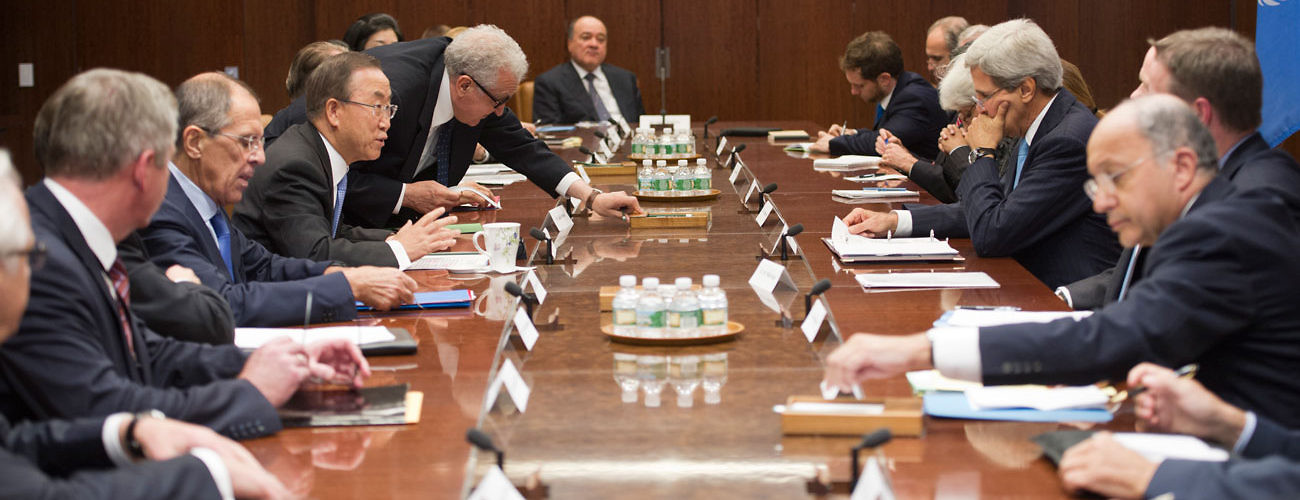
Civilian Needs Drive the Agenda
Humanitarian conditions have emerged as a central concern shaping negotiations. Years of conflict have strained healthcare, education, and basic services across much of the country.
Participants increasingly acknowledge that Syria peace efforts must deliver tangible improvements to retain public support. Restoring electricity, water supply, and market access has become part of the political conversation.
Aid organizations have urged negotiators to prioritize civilian protection and service delivery as foundations for broader reconciliation.
Security Coordination as a First Step
Security remains one of the most delicate aspects of any negotiation. Past failures often stemmed from mistrust between rival forces operating in close proximity.
Analysts suggest limited coordination mechanisms could serve as early confidence-building measures within Syria peace efforts. These might include agreements to prevent accidental clashes, manage checkpoints, or share information on humanitarian corridors.
Such measures would not resolve deeper political disputes but could reduce immediate risks to civilians.
Regional Stakes and Neighboring Concerns
Syria’s stability directly affects neighboring countries through refugee flows, border security, and trade routes. As a result, regional actors have shown renewed interest in supporting de-escalation.
Diplomatic sources say Syria peace efforts are increasingly viewed as essential to regional stability. Several governments have signaled willingness to facilitate dialogue, reflecting concern that prolonged instability could spill across borders.
However, differing regional priorities continue to complicate coordination.
International Community Adjusts Its Approach
International involvement has evolved from direct intervention toward diplomatic facilitation and humanitarian engagement. Many external actors now emphasize Syrian-led solutions.
Officials say renewed Syria peace efforts have prompted reassessment of past strategies. Rather than imposing frameworks, mediators are encouraging incremental agreements rooted in local realities.
This shift reflects lessons from earlier initiatives that lacked sustained buy-in from key actors.
Political Risks and Internal Resistance
Despite renewed engagement, compromise carries significant political risks. Hardline factions on all sides remain skeptical of dialogue and wary of concessions.
The debate around Syria peace efforts has exposed internal divisions, with some leaders advocating gradual accommodation and others rejecting talks outright. Managing these internal pressures will be as challenging as negotiating across conflict lines.
Political legitimacy remains a sensitive issue, particularly in contested regions.
One Voice From the Talks
A diplomat closely involved in the discussions summarized the prevailing mood by saying:
“No one believes in quick solutions anymore, but everyone understands that doing nothing is worse.”
The remark captures a cautious realism shaping current negotiations.
Economic Pressures Add Urgency
Economic decline has sharpened the urgency of talks. Currency instability, unemployment, and limited reconstruction have deepened public frustration.
Supporters argue that Syria peace efforts are now inseparable from economic recovery. Improved stability could unlock humanitarian funding, trade opportunities, and limited investment needed to stabilize daily life.
Business leaders and aid groups have increasingly voiced support for pragmatic engagement.
Lessons Drawn From Past Negotiations
Previous peace initiatives offer valuable lessons. Talks that failed often suffered from unrealistic timelines, exclusion of key actors, or lack of enforcement.
Current advocates of Syria peace efforts emphasize gradualism and transparency. Building trust through small, verifiable steps is seen as more realistic than pursuing comprehensive agreements prematurely.
Learning from past missteps has become a guiding principle of the current approach.
Local Governance as an Entry Point
Local governance arrangements are emerging as a practical area for compromise. Addressing service delivery, municipal authority, and dispute resolution at the community level could reduce tensions.
Proponents say strengthening local governance within Syria peace efforts may improve daily life while avoiding some of the most polarizing national debates.
Such steps could also empower communities that have long operated under fragmented authority.
Risks of Breakdown Remain Real
Despite cautious optimism, the risk of breakdown remains high. Any security incident, political provocation, or external shock could derail fragile progress.
Critics warn that Syria peace efforts could falter if expectations outpace reality or if spoilers exploit mistrust. Sustaining momentum will require patience and consistent engagement from all sides.
The shadow of past failures continues to loom over current talks.
Monitoring the Months Ahead
As 2026 draws to a close, negotiators face the challenge of translating dialogue into measurable outcomes. Timelines remain uncertain, and breakthroughs are expected to be incremental.
The future of Syria peace efforts will depend on continued restraint, responsiveness to civilian needs, and willingness to compromise. Observers stress that success should be measured by reduced violence and improved living conditions rather than formal agreements alone.
When Hope Meets Hard Reality
After years of conflict, optimism remains guarded. Communities have seen promising initiatives collapse before.
Still, the persistence of Syria peace efforts reflects a shared understanding that no military solution exists. Even limited progress could mark a meaningful shift for civilians exhausted by instability.
A Fragile Opening That Demands Careful Steps
The current phase represents a fragile opening rather than a decisive turning point. Progress will likely come through cautious, incremental steps rather than dramatic breakthroughs.
As Syria peace efforts continue into 2027, their success will hinge on protecting civilians, sustaining dialogue, and resisting zero-sum politics. For now, the renewed engagement offers a narrow but significant opportunity to move beyond stalemate toward a more stable future.