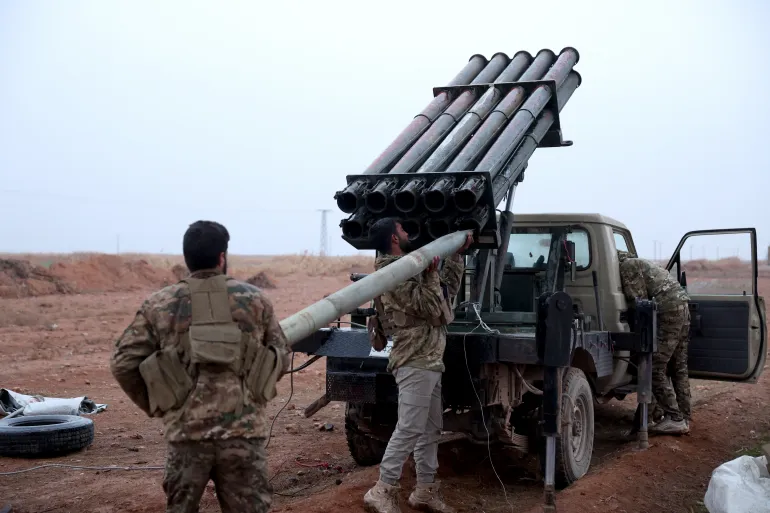
Tabqa,Syria —January 2026. According to parliament news, that renewed military tensions have shaken northern Syria after rockets were fired during clashes near the town of Tabqa, a strategically sensitive area close to the Euphrates River. The confrontation has raised alarms among civilians and regional observers, highlighting how fragile security arrangements remain in contested parts of the country. Developments involving Syrian government forces Tabqa have once again placed the town at the center of national and international attention.
The latest escalation follows weeks of simmering tension in areas where rival armed actors operate in close proximity. While the fighting did not evolve into sustained battles, the use of rockets marked a significant escalation compared with previous incidents. For residents, the clashes revived fears that relative calm could unravel with little warning.
Tabqa’s Strategic Weight in Northern Syria
Tabqa occupies a critical geographic and political position in northern Syria. Located west of Raqqa and adjacent to the Euphrates, the town sits near vital infrastructure that includes the Tabqa Dam, one of the country’s most important sources of electricity and water regulation.
Security analysts emphasize that whenever Syrian government forces Tabqa become involved in confrontations, the implications extend far beyond the immediate battlefield. Any instability here risks affecting power generation, water supply, and transportation routes that serve large swaths of northern Syria.
The town’s importance explains why even limited clashes draw close scrutiny from multiple stakeholders.
How the Latest Clashes Began
Local monitoring networks reported that the confrontation erupted after heightened tensions along informal lines of separation near Tabqa. Rockets were fired toward positions controlled by the Syrian Democratic Forces, prompting a rapid escalation in alert levels on both sides.
Witnesses in nearby villages described loud explosions echoing across the area, followed by periods of tense calm. When Syrian government forces Tabqa were confirmed to have used heavier weapons, many civilians sought shelter, fearing the violence could intensify.
No immediate casualty figures were released, though humanitarian groups warned of the potential for displacement if clashes continued.
Fragile Security Arrangements Under Strain
Northern Syria remains governed by a patchwork of military control and informal understandings. These arrangements often rely on restraint rather than formal agreements, leaving them vulnerable to sudden breakdowns.
Analysts say that incidents involving Syrian government forces Tabqa highlight how easily local disputes or miscalculations can disrupt this fragile balance. Without robust coordination mechanisms, even small-scale confrontations risk spiraling into broader conflict.
Maintaining open communication channels, experts stress, is essential to preventing escalation.
Civilian Impact and Daily Disruption
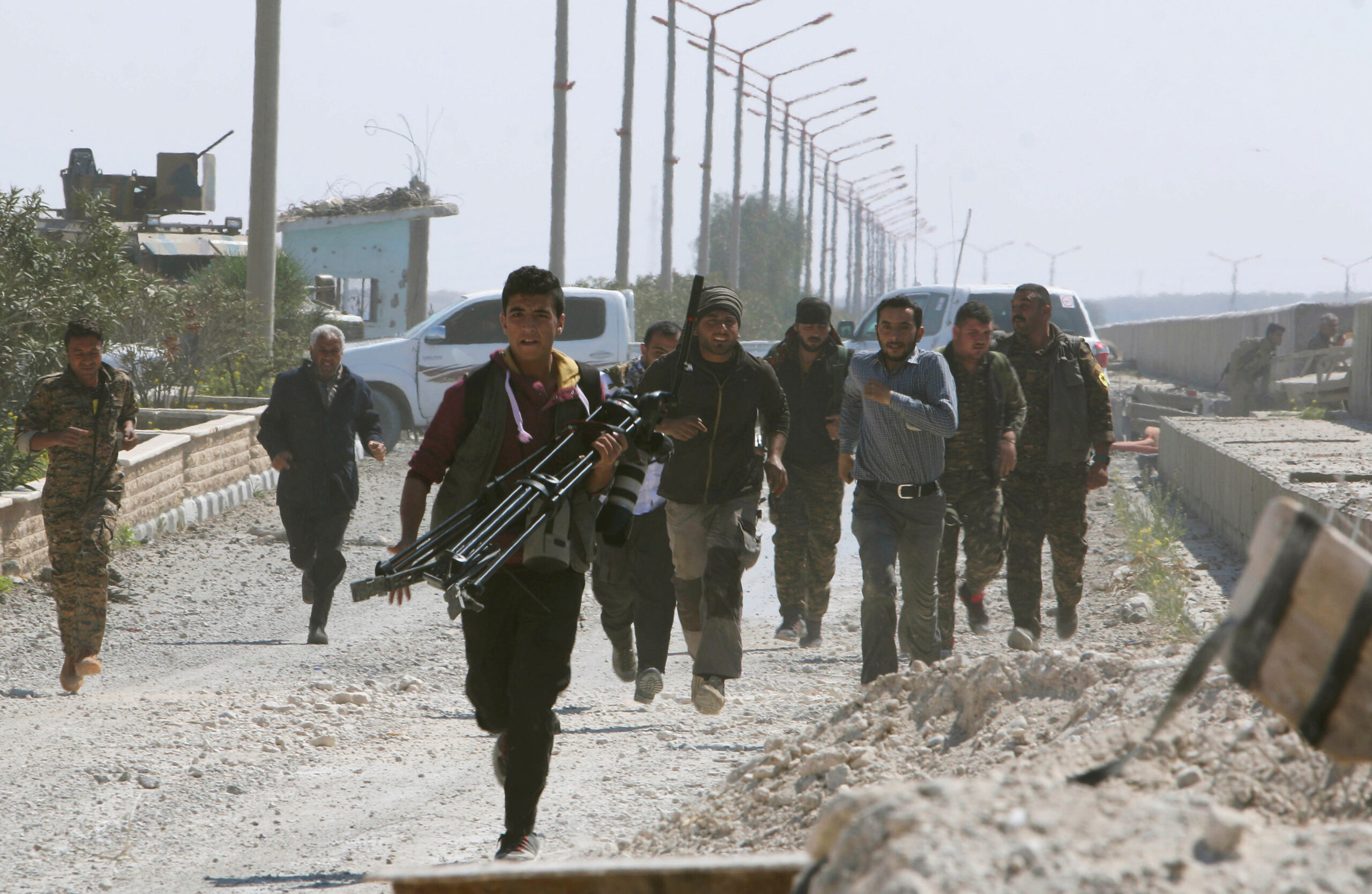
For civilians living in and around Tabqa, the clashes brought renewed hardship. Families reported staying indoors for extended periods, while some temporarily moved away from areas closest to the fighting.
Humanitarian workers noted that when Syrian government forces Tabqa are engaged in clashes, civilians face heightened risks from stray munitions and infrastructure damage. Aid organizations called for all parties to avoid populated areas and respect civilian safety.
Local councils urged calm, warning that further violence could reverse fragile recovery efforts.
The Euphrates Corridor and Broader Tensions
The Euphrates corridor has long been one of Syria’s most contested regions. Its strategic value lies in resources, infrastructure, and its role as a transit route linking different parts of the country.
The confrontation involving Syrian government forces Tabqa fits into a broader pattern of episodic clashes that test the limits of coexistence among rival actors. Analysts note that while such incidents are often contained, their cumulative effect can undermine stability.
Preventing escalation in this corridor remains a priority for regional security.
Military Signaling and Tactical Calculations
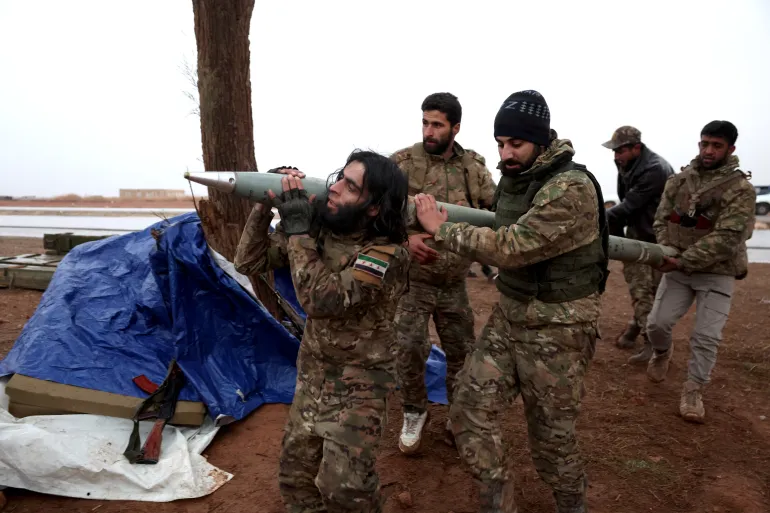
Security experts suggest the use of rockets may have served as a tactical signal rather than an attempt to seize territory. In complex conflict environments, shows of force are sometimes employed to assert boundaries or respond to perceived threats.
When Syrian government forces Tabqa engaged in rocket fire, it sent a clear message regarding contested areas. However, analysts caution that signaling through heavy weapons carries significant risks, particularly near critical infrastructure.
Misinterpretation of intent can quickly escalate tensions.
Infrastructure Risks and Humanitarian Concerns
The proximity of clashes to essential infrastructure has heightened concern among aid agencies. The Tabqa Dam remains a focal point of anxiety due to its role in supplying electricity and water to millions.
Aid groups stressed that incidents involving Syrian government forces Tabqa increase the danger of accidental damage to vital facilities. Even indirect impacts, such as shockwaves from explosions, could have serious consequences.
Protecting infrastructure is seen as essential to avoiding humanitarian crises.

Regional and International Monitoring
The clashes have drawn attention from regional observers and international actors monitoring Syria’s conflict dynamics. Tabqa’s strategic importance ensures that developments there are closely watched.
Diplomatic sources said that when Syrian government forces Tabqa are involved in confrontations, assessments extend beyond local implications to consider broader regional stability. Calls for restraint and de-escalation followed reports of the rocket fire.
No immediate mediation initiatives were announced, though monitoring continues.
Voices From the Ground
Residents interviewed by local media expressed fear that renewed violence could undo months of relative calm. Many spoke of exhaustion after years of instability.
One resident said:
“Every time the fighting comes back, people fear the worst. We just want to live without hearing explosions again.”
The single remark reflects widespread anxiety among communities caught between rival forces.
Risks of Recurring Escalation
Security analysts warn that without clearer mechanisms to manage disputes, similar incidents could recur. The use of rockets raises the stakes, increasing the risk of casualties and infrastructure damage.
As long as Syrian government forces Tabqa operate near rival actors without formal coordination, the potential for miscalculation remains high. Confidence-building measures, experts argue, are urgently needed.
Preventing repetition will require restraint from all sides.
Humanitarian Preparedness and Aid Challenges
Humanitarian organizations have begun contingency planning in case violence intensifies. Even short-lived clashes can disrupt aid delivery and access to healthcare.
Aid workers noted that when Syrian government forces Tabqa are involved in fighting, road closures and security restrictions often follow. Ensuring uninterrupted assistance remains a priority amid uncertainty.
Organizations called for respect for humanitarian corridors.
Political Implications Beyond Tabqa
Events near Tabqa carry political significance beyond the immediate area. They underscore unresolved questions about governance, control, and coordination in northern Syria.
Analysts observe that incidents involving Syrian government forces Tabqa can influence negotiations and informal understandings elsewhere. Stability in one region often depends on restraint in others.
The clashes highlight how localized violence can have national repercussions.
Monitoring the Days Ahead
As of now, the situation near Tabqa remains tense but contained. Both sides appear cautious about escalating into prolonged confrontation, though security measures remain heightened.
The episode involving Syrian government forces Tabqa serves as a reminder of how quickly conditions can deteriorate. Observers say the coming days will be critical in determining whether calm can be restored.
For civilians, the hope is that restraint will prevail.
When Stability Hinges on Restraint
The latest clashes underscore the fragile nature of security in northern Syria. Stability often depends not on formal agreements but on restraint and communication.
The confrontation linked to Syrian government forces Tabqa illustrates how easily tensions can flare in contested regions. Whether this incident becomes an isolated event or a precursor to further violence will depend on decisions made in its aftermath.
For now, communities around Tabqa wait anxiously, hoping that calm returns before further damage is done.