

The Tamworth Manifesto was a brief but impactful political document written in 1834 by Sir Robert Peel, one of Britain’s foremost politicians, and is often regarded as the basis of the modern Conservative Party. The manifesto articulated ideas about government, reform, and responsibility and represented a significant change in British politics, showing that while the Conservatives could defend tradition, they could also adapt to change.
In this article we examine what the Tamworth Manifesto was, why it was written, and how it defined the progression of conservatism in Britain.
Why Robert Peel wrote the Tamworth Manifesto
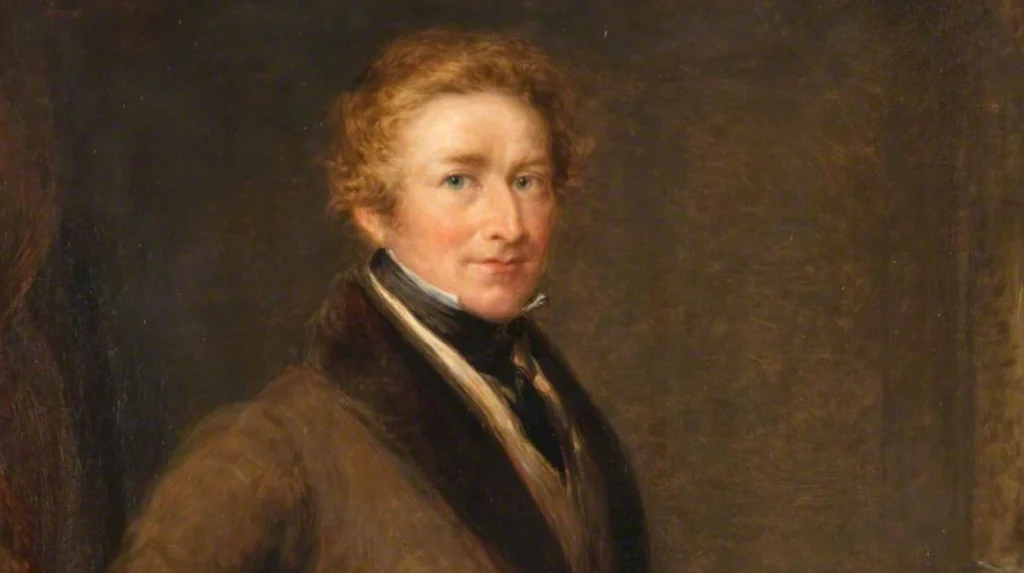
Peel wrote the Tamworth Manifesto in December 1834. He released it as an election address to the voters of Tamworth, his constituency. But it was not merely a local statement; rather, it was one to the entire country.
Peel wanted to show that the Conservatives were not opponents of progress. Instead, he argued that the Conservatives were capable of supporting progress, only in a cautious and controlled expression of progressivism. The manifesto was Peel’s answer to changing the perception of Conservative beliefs from a backward-looking perception to a more practical and responsible attitude.
The Key Points of the Manifesto
The Tamworth Manifesto was short, yet impactful. Peel made some important observations regarding:
Respect for Tradition and Institutions
Peel maintained the importance of the monarchy, the established church (i.e., the Church of England), and the House of Lords for stability and permanence in the nation and that these institutions should be protected.
Acceptance of the Reform Act 1832
Conservatives had opposed the Reform Act, but Peel welcomed the act as a permanent and beneficial feature of the UK landscape. He stated that there would be no retraction of the Reform Act. Considering the circumstances, the acceptance and confidence of conservatives to take the first steps forward was a monumental step forward.
Support for Rational (and Gradual) Reform
Peel was clearly not against reform. He made it clear that he was willing to help change institutions needing reform but also wanted to protect society from sudden and/or extreme reform. Summarily, Peel favored reason over sudden or mob-led reforms.
Process in Governance
Peel advocated that governance reflect the interest of the whole nation and not just one segmenting group; a government was to be fair, efficient, and respectful of Parliament.
How the Public Responded
The manifesto was successful in winning over many voters. It provided comfort to moderately minded people who wished to see progress but feared radical change. It gave these people the confidence that they could trust the Conservatives to govern according to their principles.
For the first time, the Conservative Party was viewed not as just the defender of tradition but as a party that could change as well. Peel’s philosophy drew in middle-class support, especially those that were relatively new voters.
The Direct Impact
The manifesto had a direct political impact. It assisted Peel and the Conservatives to gain strength during the 1835 general election, where they did not achieve a majority. More importantly, it helped to establish a new direction for the party.
It also helped to improve Peel’s image. He was no longer seen as a narrow Tory but as a statesman that lived up to the nickname of the ‘modern Tory,’ combining tradition with progress. This helped to mature him as a leader and prepare him for his later time as Prime Minister.
How it affected Conservatism
The manifesto had an effect on conservatism in a variety of ongoing ways:
1. Balancing Change and Tradition
Peel showed that conservatism could adapt while simultaneously maintaining its attachment to its roots and tradition. The tenet of supporting gradual reform while defending key institutions became a defining feature of Conservative politics.
2. Attracting the Middle Class
Peel’s acceptance of the Reform Act allowed middle-class voters in, and with that, removed the base of the Conservative Party that rested solely on the old landowning elite.
3. Responsible Government
Peel’s appeal to government by honesty, efficiency, and responsibility set a new benchmark for government standards. It established the Conservative image as a party of order and responsibility.
4. A National Party
The manifesto facilitated the Conservative Party transforming from a narrow group of Tories to a national party wide enough to be the capable governmental institution that could lead the country through the many changes of 19th-century Britain.
Peel’s Later Career and Legacy of the Manifesto
Robert Peel served as prime minister on two occasions after issuing the Tamworth Manifesto, and during that time, he adhered to the ideals he laid out as prime minister in the manifesto, which included:
- He reformed the police system, ultimately ushering in what we now refer to as the modern-day police force (known as “Bobbies” after him).
- He improved the economy through introducing free-trade measures.
- He repealed the Corn Laws in 1846, much to the benefit of lowering food prices, yet splitting the Conservative Party.
The repeal of the Corn Laws created a crisis for him personally, Peel’s longer-term vision of the form of conservatism he practiced survived it. The manifesto also served as a point of reference for future Conservative leaders.
The Tamworth Manifesto and Modern Politics
Numerous historians consider the Tamworth Manifesto to be one of the earliest examples of a political party articulating its thinking clearly in writing for voters. While manifestos are now a standard feature of elections, in 1834 they were novel.
Its impact can still be felt within contemporary conservative thought. The interplay of tradition and reform, the focus on responsibilities, and the attempt to engage as broad a base of voters as possible are all principles with roots in Peel’s words.
The Tamworth Manifesto of 1834 was not merely an election address; it was a declaration that changed British politics. By embracing reform while respecting tradition, Robert Peel was able to establish the underpinnings of the modern Conservative Party.
Its ideas assisted the party’s survival and development during a period of transformation. It solidified conservatism in a different identity, one of movement – a movement that could adjust and be in the vanguard.
The manifesto demonstrated that political survival can be found in adaptability, responsible action, and knowing what the circumstances in the nation required. The Tamworth Manifesto serves as a clarion call of how leadership and prescription can affect political movements.