
Europe, February 6, 2026 — According to Parliament News, that TikTok content moderation has emerged as one of the most closely examined issues in global technology regulation as European authorities intensify enforcement actions against large digital platforms. The growing scrutiny reflects broader concerns over online safety, algorithmic accountability, and the responsibility of social media companies in shaping public discourse across the continent.
European regulators argue that platforms with massive reach must meet higher standards, especially when their systems influence information flow, cultural trends, and youth behavior at unprecedented scale.
Regulatory Momentum Builds Across Europe
Over the past year, European institutions have accelerated efforts to translate digital regulation into real enforcement. After years of drafting, consultation, and preparation, regulators are now actively testing the limits of their authority over major technology firms.
At the center of this momentum is TikTok content moderation, which officials believe plays a decisive role in how information spreads across borders and communities. The platform’s rapid growth has placed it firmly within the category of systemically significant digital services, triggering stricter obligations.
Why TikTok Draws Exceptional Attention
TikTok has reshaped the way users consume and create content, driven by short-form video and algorithmic discovery. Its influence spans entertainment, politics, education, and commerce.
Regulators contend that weaknesses in TikTok content moderation could amplify harmful material faster than traditional platforms, making oversight more urgent. The concern is not limited to individual posts, but to systemic design choices that prioritize engagement.
The Digital Services Act and Enforcement Power
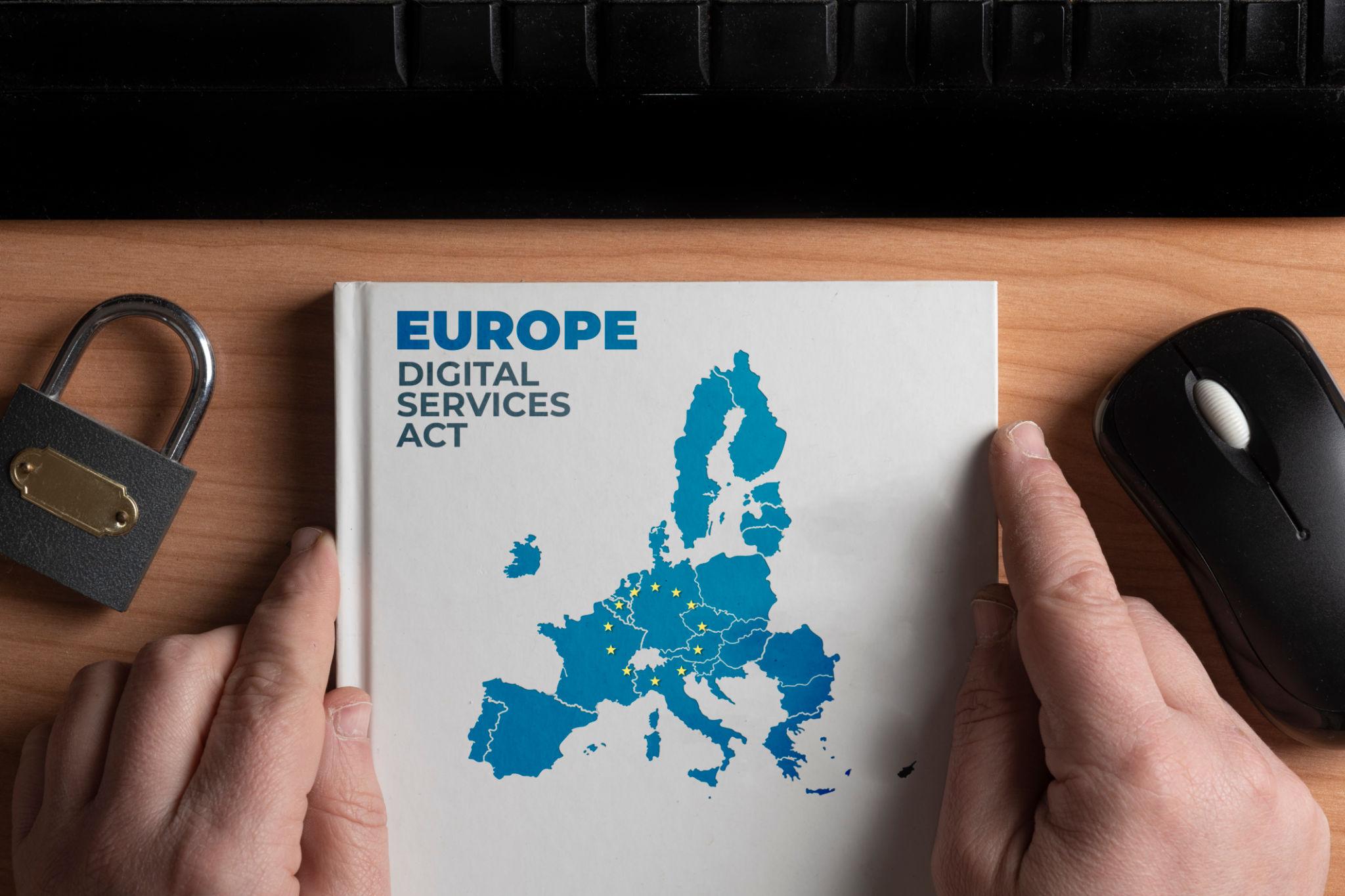
The European Union’s Digital Services Act provides the legal backbone for current actions. The law establishes clear responsibilities for online platforms to identify risks, mitigate harm, and offer transparency in content decision-making.
Under this framework, TikTok content moderation is evaluated not only on stated policies but on real-world outcomes. Authorities are examining whether internal controls, staffing levels, and algorithmic safeguards are adequate for the platform’s scale.

Algorithms and Amplification Risks
One of the most sensitive aspects of the investigation involves recommendation systems. Algorithms determine what users see, how quickly content spreads, and which voices gain prominence.
Experts argue that TikTok content moderation cannot be separated from algorithmic design. If harmful or misleading material is systematically amplified, regulators view that as a failure of governance rather than isolated moderation errors.
Youth Safety and Vulnerable Audiences
European authorities have placed particular emphasis on youth protection. With a large proportion of teenage users, TikTok faces heightened expectations regarding age-appropriate content and exposure controls.
Concerns surrounding TikTok content moderation include harmful challenges, unrealistic body image trends, and exposure to inappropriate material. Regulators stress that protecting minors is a non-negotiable obligation under EU law.
Platform Accountability and Transparency
Transparency has become a central demand in digital regulation. Authorities want clear explanations of how moderation decisions are made, how risks are assessed, and how enforcement outcomes are measured.
In the case of TikTok content moderation, regulators are seeking detailed documentation, internal audits, and data disclosures that demonstrate consistent application of rules across languages and regions.
Industry Wide Implications for Social Media
The scrutiny directed at TikTok is not occurring in isolation. Other major platforms are watching closely, aware that enforcement precedents could soon apply to them.
By challenging TikTok content moderation, regulators are signaling a broader shift toward holding platforms responsible for systemic effects rather than reactive takedowns. This approach could redefine compliance strategies across the tech industry.
Economic and Market Considerations
While TikTok is privately owned, regulatory pressure has implications for the wider technology market. Compliance costs, operational restructuring, and potential penalties influence investor sentiment toward digital platforms.
Analysts note that uncertainty surrounding TikTok content moderation highlights how regulation has become a material business risk, shaping long-term strategy and valuation across the sector.
TikTok’s Public Response and Strategy
TikTok has consistently stated that it is cooperating with European authorities and investing heavily in safety initiatives. The company highlights expanded moderation teams, localized language support, and transparency reporting as evidence of progress.
Addressing concerns related to TikTok content moderation, a company spokesperson said, “We are committed to evolving our systems responsibly and working with regulators to ensure a safe experience for our community.”
One Expert View Captures the Debate
A senior digital policy analyst summarized the broader regulatory stance in a single observation: “The issue with TikTok content moderation is not intent, but scale — when billions of interactions happen daily, small failures can produce large societal consequences.”
This perspective underscores why regulators emphasize systemic safeguards rather than isolated enforcement actions.
Cross Border Governance Challenges
Europe’s regulatory effort faces practical challenges due to TikTok’s global operations. Content moderation decisions may involve teams, servers, and policies spanning multiple jurisdictions.
Ensuring that TikTok content moderation aligns with European legal standards across borders requires coordination, technical adaptation, and ongoing oversight — a complex task for both regulators and the platform.
Cultural and Linguistic Complexity
Europe’s diversity adds another layer of difficulty. Effective moderation must account for multiple languages, cultural contexts, and legal sensitivities.
Authorities are assessing whether TikTok content moderation systems can consistently interpret local nuance, slang, and political context, particularly during elections or periods of social tension.

Enforcement Tools and Possible Outcomes
If regulators determine that obligations have not been met, enforcement options include financial penalties, corrective action plans, or mandated system changes.
Such outcomes would represent a significant intervention in TikTok content moderation, potentially reshaping how the platform operates not only in Europe but globally.
Historical Context of Platform Regulation
Social media regulation has evolved in response to technological change. Early platforms relied on user reporting and minimal oversight, operating under broad liability protections.
As platforms grew, governments introduced stricter expectations. The rise of algorithm-driven feeds marked a turning point, prompting debates over responsibility and control. Historically, each major regulatory shift has followed periods of rapid expansion similar to what is now seen with TikTok content moderation.
This pattern suggests that current enforcement reflects a familiar cycle of innovation followed by institutional response.
Public Trust and Democratic Integrity
Beyond safety concerns, regulators link moderation practices to democratic health. The spread of misinformation, coordinated manipulation, and opaque decision-making erode public trust.
Effective TikTok content moderation is therefore framed not only as a corporate responsibility but as a civic necessity within democratic societies.
Technology Versus Human Oversight
Balancing automated tools with human judgment remains a persistent challenge. Algorithms provide speed and scale, while human moderators offer context and ethical reasoning.
Regulators are evaluating whether TikTok content moderation strikes the right balance, particularly during rapidly evolving events where automated systems may struggle.
Global Influence of European Regulation
Europe’s assertive stance often shapes global standards. Past digital regulations have influenced policies far beyond the continent.
A decisive outcome regarding TikTok content moderation could encourage similar enforcement actions in other regions, accelerating convergence around stricter platform accountability norms.
What the Coming Months May Decide
The next phase of regulatory engagement will involve detailed assessments, formal responses, and potential corrective measures. Both sides face pressure to demonstrate credibility and good faith.
For TikTok, the handling of TikTok content moderation will play a critical role in shaping its long-term relationship with European institutions.
A Defining Test for the Digital Age
As enforcement intensifies, the debate surrounding TikTok content moderation reflects a broader reckoning for the technology sector. Innovation alone is no longer sufficient; accountability, transparency, and societal impact now define success.
The outcome of this moment may shape how digital platforms operate, govern content, and earn public trust in the years ahead.