

Trump assassination attempt concerns emerge after Washington event incident.
Officials suggest Trump may have been the intended target.
Investigation continues as security concerns rise nationwide.
WASHINGTON, April 26, 2026 (Parliament Politics Magazine) Trump assassination attempt concerns have surged following a shocking incident tied to the White House Correspondents’ Dinner, where a U.S. official suggested that Donald Trump may have been the intended target. The claim has intensified national debate over political security, public safety, and the broader climate surrounding high-profile events in the United States.
The Trump assassination attempt narrative is now central to ongoing federal investigations, with early intelligence indicating the possibility of a targeted threat rather than a random act of violence.
- Event Location: Washington, D.C.
- Date: April 2026
- Event Type: High-profile political and media gathering
- Primary Concern: Targeted threat involving a former president
- Agencies Involved: Federal law enforcement and security agencies
- Status: Active investigation
Timeline of Events Leading to the Security Alert
The sequence of events surrounding the Trump assassination attempt claim unfolded rapidly. During the evening gathering, an incident triggered immediate response from security personnel. Attendees were secured, and federal agents initiated containment procedures.
Within hours, intelligence officials began analyzing the suspect’s behavior, communications, and movements. Early indicators suggested that the threat may not have been indiscriminate.
Authorities have since focused on reconstructing the timeline:
- Arrival and positioning of the suspect
- Observed behavior patterns during the event
- Immediate response actions by security teams
- Post-incident intelligence gathering
This evolving timeline remains critical in determining the validity of the Trump assassination attempt claim.
Federal Officials Evaluate Targeted Intent
Officials familiar with the investigation have indicated that the Trump assassination attempt assessment is based on preliminary intelligence rather than final conclusions. Still, the possibility of targeted intent has shifted the tone of the investigation.
One senior official stated:
“The evidence we are reviewing suggests this may not have been random. When a figure of this prominence is involved, every detail matters.”
This statement underscores the seriousness with which authorities are approaching the situation.
A second source added:
“Security protocols worked, but this incident highlights how quickly threats can evolve in today’s environment.”
Security Protocols Under Review After Incident
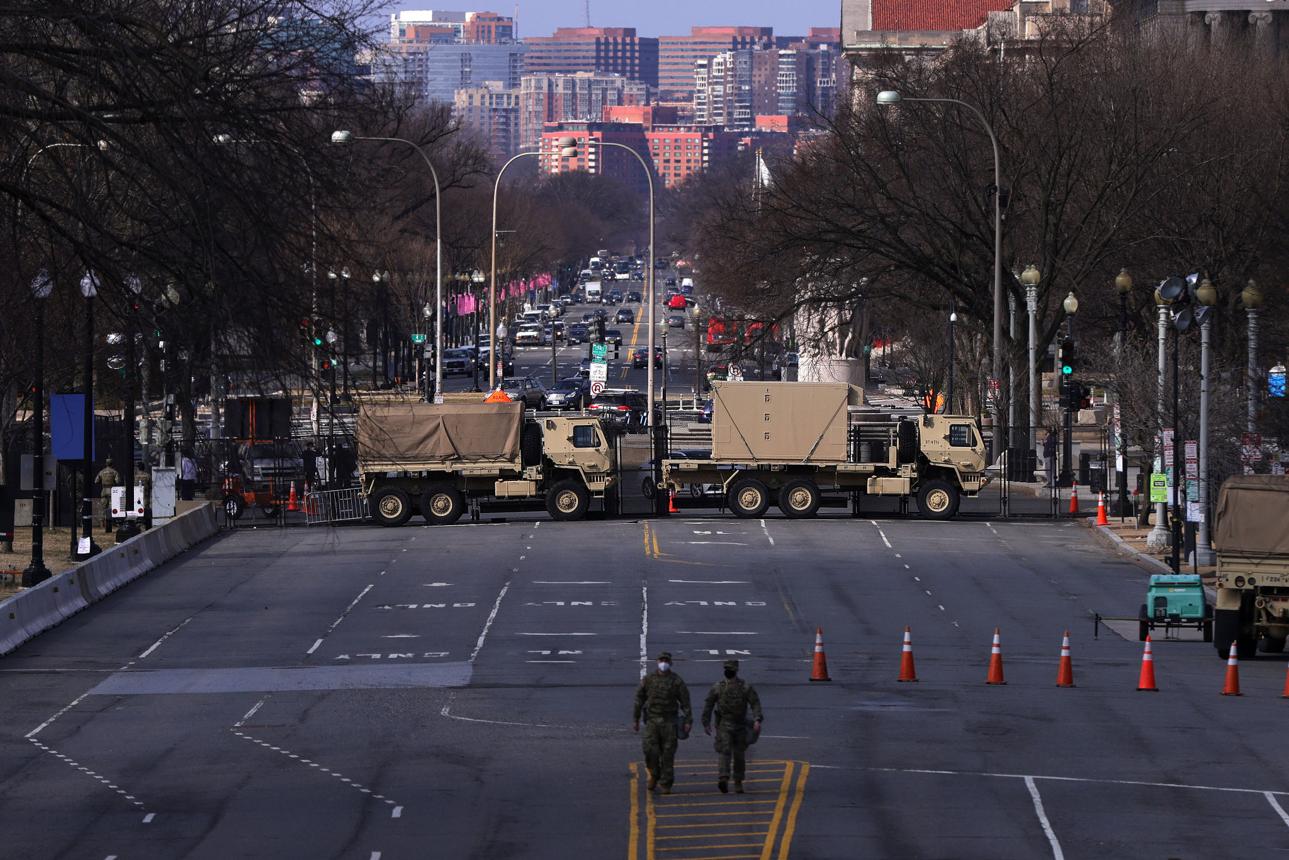
The Trump assassination attempt claim has prompted immediate evaluation of security procedures at major national events. The White House Correspondents’ Dinner is traditionally one of the most secure gatherings in Washington, protected by layered defense systems.
Despite these measures, evolving threats continue to challenge even the most advanced security frameworks. Experts point to several emerging risks:
- Lone-actor threats with minimal warning signs
- Digital radicalization influencing real-world actions
- Increased accessibility to high-profile venues
Security agencies are now reviewing whether additional safeguards are necessary for future events.
Political Climate and Rising Tensions
The Trump assassination attempt discussion has also drawn attention to the broader political climate in the United States. Analysts note that heightened rhetoric and polarization may contribute to an environment where tensions escalate beyond words.
A third expert commented:
“Political divisions have real-world consequences. This incident is a reminder that rhetoric can sometimes translate into risk.”
While investigations focus on facts, the broader context cannot be ignored, as public discourse continues to shape national sentiment.
Investigation Expands Across Federal Agencies
Multiple federal agencies are now collaborating to fully assess the Trump assassination attempt claim. Their efforts include:
- Reviewing surveillance footage
- Analyzing digital communications linked to the suspect
- Conducting background checks and behavioral analysis
- Coordinating intelligence across jurisdictions
Authorities have emphasized that the investigation is ongoing and that conclusions will be based on verified evidence rather than speculation.
Historical Context of Threats Against U.S. Leaders
Understanding the Trump assassination attempt claim also requires historical perspective. Threats against political leaders in the United States are not new, but each incident adds to the evolving security landscape.
History of Assassination Threats in U.S. Politics
Throughout American history, presidents and political figures have faced significant threats:
- The assassination of Abraham Lincoln in 1865
- The assassination of John F. Kennedy in 1963
- Attempted attacks on leaders including Ronald Reagan
These historical events have shaped modern security protocols, yet new challenges continue to emerge in an increasingly complex world.
Impact on Future Political Gatherings
The Trump assassination attempt claim is expected to influence how future events are organized and secured. Organizers and federal agencies may implement additional measures, including:
- Enhanced background screening for attendees
- Increased coordination between intelligence agencies
- Advanced monitoring technologies
These adjustments aim to reduce risk while maintaining the accessibility of public events.
Media Coverage and Public Awareness
As the Trump assassination attempt story develops, media coverage plays a crucial role in informing the public. Responsible reporting is essential to ensure clarity without contributing to unnecessary panic.
Experts stress the importance of focusing on verified information and avoiding premature conclusions, particularly during active investigations.
National Security Implications Moving Forward
The broader implications of the Trump assassination attempt claim extend beyond a single event. National security agencies are increasingly focused on adapting to:
- Rapidly changing threat dynamics
- The influence of online platforms
- The unpredictability of isolated actors
These factors highlight the need for proactive strategies and continuous improvement in security operations.
Public Reaction and Calls for Stability
Public response to the Trump assassination attempt claim has reflected a mix of concern and caution. While many emphasize the importance of protecting public figures, others call for measured responses and unity.
Leaders across sectors have urged Americans to prioritize stability and constructive dialogue during this period of uncertainty.

What Comes Next in the Investigation
Authorities are expected to release additional findings as the investigation progresses. These updates will help clarify:
- The level of intent behind the incident
- Any connections or influences on the suspect
- Potential policy or procedural changes
Until then, the Trump assassination attempt claim remains under active review.
