
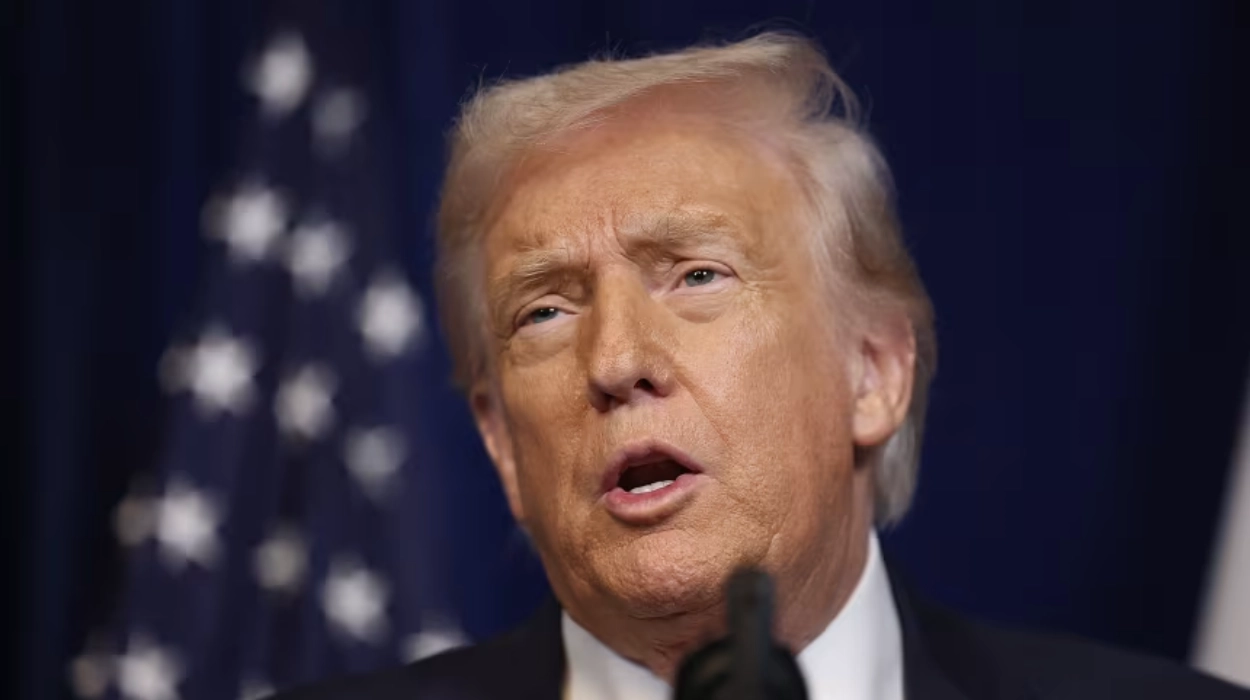
USA (Parliament Politics Magazine) – President Donald Trump issued the first vetoes of his second term, blocking two bipartisan infrastructure-related bills passed by Congress.
The president claimed that in order to preserve taxpayer money, both plans had to be blocked.
“Enough is enough. My Administration is committed to preventing American taxpayers from funding expensive and unreliable policies. Ending the massive cost of taxpayer handouts and restoring fiscal sanity is vital to economic growth and the fiscal health of the Nation,”
Trump said in a message to Congress.
H.R. 504, the other vetoed bill, would increase the amount of land set aside for the Miccosukee Tribe in Florida and direct the Department of Interior to collaborate with the tribe to reduce flooding in the expanded region.
By approving the law again with a two-thirds majority in both chambers, Congress can overcome the president’s veto.
One congressman accused Trump of revenge when he vetoed H.R. 131 in particular.
“This isn’t governing,”
Colorado Democratic Senator Michael Bennet wrote in a post on X. It’s a tour of retaliation. It’s not acceptable.
The White House has been contacted by CNN for comment.
The senator’s assertion coincides with Trump’s dispute with Democratic Governor Jared Polis of Colorado over Polis’ refusal to free former election official and well-known 2020 election skeptic Tina Peters from state prison. Peters received a federal pardon from Trump earlier this month, but her state charges remain. According to Polis, the courts should make the final decision.
How would NCAR closure affect national weather forecasts?
NCAR’s check would gradually degrade the delicacy and trustability of US public rainfall vaticinations by eroding foundational exploration tools and data models.
NCAR develops critical software like the Weather Research and soothsaying( WRF) model, used for prognosticating showers, hurricanes, and severe events; its absence would decelerate inventions in hurricane intensity vaticinations, campfire spread modeling, and air quality cautions.
While short- term vaticinations might persist originally via NOAA, the loss of NCAR’s supercomputing, exploration aircraft( e.g., GPS dropsondes), and climate simulations would hamper adaption to worsening axes like cataracts and famines, adding public safety pitfalls over time.
