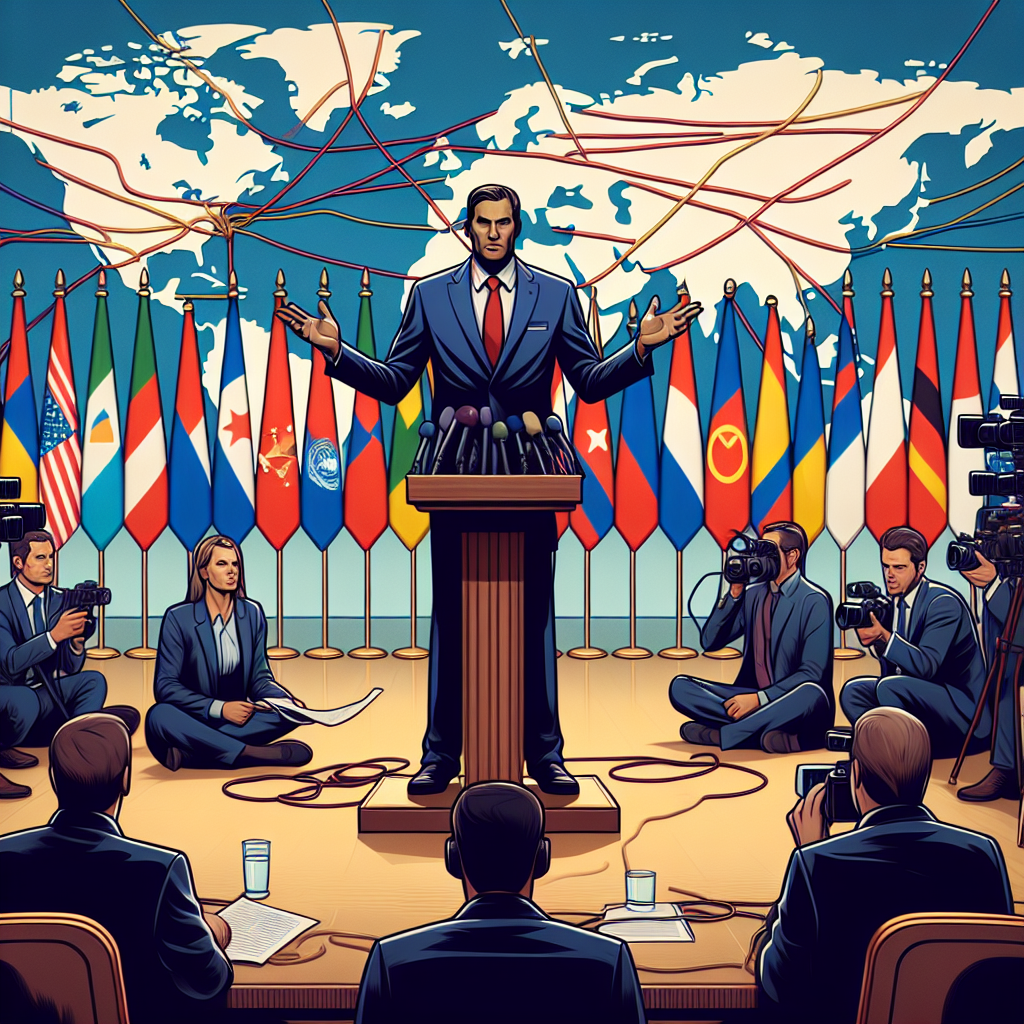
Headline: Trump Predicts Quick End to Iran Conflict Amidst Concerns
In a recent statement, former President Donald Trump expressed optimism about the ongoing conflict involving Iran, suggesting that it could be resolved sooner than expected. During a press briefing on Tuesday, Trump underscored that while he believes diplomatic solutions are on the horizon, he worries that the United States has not achieved sufficient victories to necessitate a withdrawal. This commentary comes at a time of heightened tensions in the Middle East, where U.S. interests remain deeply intertwined with Iranian actions and regional stability.
Trump’s remarks coincided with new reports of escalating military skirmishes in the region, raising concerns among policymakers about the long-term implications for U.S. foreign policy. The former president emphasized the need for the U.S. to maintain its defensive posture to negotiate from a position of strength.
Diplomatic Complexity in Iran
The geopolitical landscape in Iran is increasingly complicated. As the U.S. grapples with a resurgent Iranian influence in Iraq and ongoing provocations in the Persian Gulf, the former president’s comments reflect a growing sentiment among some factions in Washington: that the current diplomatic strategy may need reevaluation.
Trump criticized the Biden administration’s approach, arguing that tough, decisive actions are more effective than diplomatic overtures that may come off as weak. According to Trump, those who are inclined towards discussions must first demonstrate military readiness and resolve to dissuade adversaries from aggressive maneuvers.
Military Readiness and Public Sentiment
There has been significant public debate regarding America’s military involvement abroad, particularly in the Middle East. Many citizens express concern over prolonged engagements, echoing sentiments from both liberal and conservative camps advocating for a reassessment of U.S. military commitments.
According to a recent poll, a majority of Americans believe that the U.S. should prioritize withdrawing troops from conflict zones rather than increasing military presence. Trump, however, argues that this sentiment could embolden adversaries, specifically referencing Iran’s nuclear ambitions and its proxy militias across the region. He posits that a clear show of force could potentially accelerate negotiations, though critics caution that this strategy risks further entrenching U.S. forces in a protracted conflict.
The Role of Allies and International Law
Another critical consideration in Trump’s remarks is the role of U.S. allies in the region. Historical alliances with countries like Saudi Arabia and Israel have shaped U.S. strategy in addressing Iranian influence. Yet, the former president suggests stronger posturing could compel these allies to take on a more active role in their defense, thus contributing to a form of balance in the region.
However, this approach must navigate complex international laws and agreements that govern military engagement. The United States is bound by various treaties and commitments, which can complicate unilateral military action. Legal experts stress the importance of ensuring that any military action conforms with international standards to avoid diplomatic fallout.
Long-Term Implications for U.S. Foreign Policy
Trump’s statements also raise questions about the long-term trajectory of U.S. foreign policy in the Middle East. As the world’s attention increasingly shifts to Asia-Pacific dynamics, particularly China, retaining influence in the Middle East remains a crucial factor for U.S. strategy. Proponents of a more aggressive stance argue that allowing Iran to expand its influence unchecked could have far-reaching consequences for global security.
Opponents of escalated military action contend that prolonging military engagements can lead to extensive casualties and financial strain. Historical precedents in Iraq and Afghanistan amplify concerns regarding the cycle of conflict and instability that can follow military intervention.
Bipartisan Concerns
Interestingly, Trump’s comments resonate with various bipartisan concerns surrounding national security. Both parties have voiced apprehension regarding Iran’s nuclear ambitions and regional destabilization efforts. Conversations around military readiness, economic sanctions, and diplomatic negotiations dominate congressional hearings as lawmaker assess the efficacy of various strategies.
The former president’s emphasis on the need to “win enough” may serve as a rallying cry for his supporters, positioning him as a strong leader capable of addressing complex geopolitical challenges. This perspective nurtures an ongoing debate about the balance between military might and diplomatic engagement in U.S. foreign policy.
Conclusion: A Call for Comprehensive Strategy
Ultimately, the challenges surrounding U.S. involvement in the Iranian conflict highlight the need for a comprehensive approach. Trump’s optimistic prediction for a swift resolution contrasts sharply with the complexities facing American policymakers. The need for military readiness and the simultaneous pursuit of diplomatic solutions are vital components of any successful strategy.
As both the political landscape and regional dynamics continue to unfold, the future of U.S.-Iran relations remains uncertain. Analysts emphasize that a balanced strategy that considers military strength alongside diplomatic efforts will be crucial to ensuring a peaceful outcome.
While former President Trump’s statements may energize a specific faction, the reality is that the intricate web of international relations requires careful navigation. The potential for a quick resolution to the Iran conflict remains to be seen, as do the strategies that will ultimately shape the United States’ role on the global stage in the years to come.
With Congress, military leaders, and the public engaged in ongoing debates, the question remains: can the U.S. balance its military ambitions with the need for effective diplomacy to forge a lasting peace? Only time will tell how these discussions evolve amidst the complexities of international law and regional power dynamics.