
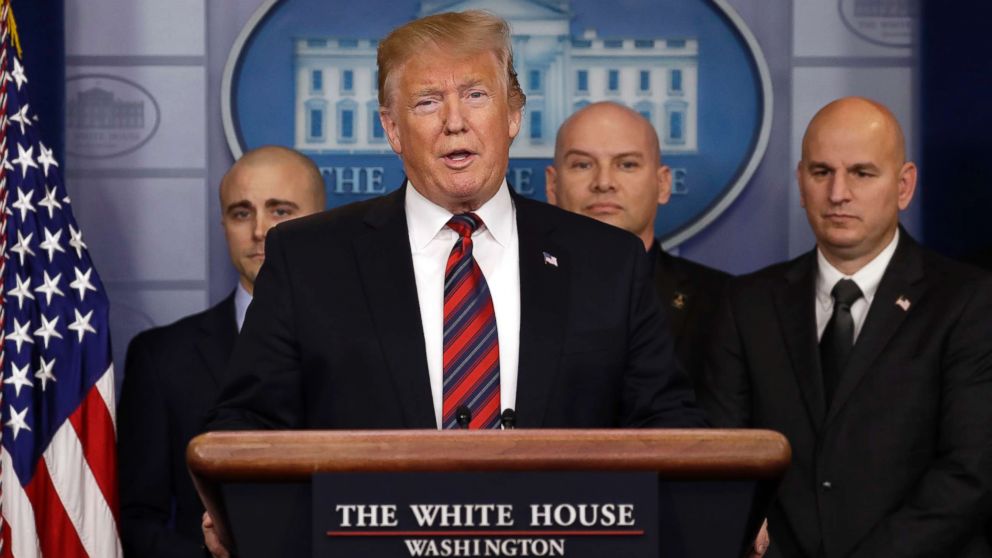
WASHINGTON, D.C., March 27, 2026 (Parliament Politics Magazine) Trump delays Iran energy strikes in a move that has sent shockwaves through global markets, military circles, and diplomatic channels. The unexpected 10-day pause in planned attacks on Iran’s energy infrastructure signals a critical shift in U.S. strategy amid rising tensions in the Middle East.
The decision, reportedly made by Donald Trump and his national security advisors, comes at a time when fears of a broader conflict between the United States and Iran are intensifying. Analysts say the delay could either open the door for last-minute diplomacy, or signal preparation for a more coordinated military response.
Strategic Delay Sparks Questions Across Washington
The announcement that Trump delays Iran energy strikes has left policymakers and defense experts scrambling to interpret the administration’s next move. Originally, the strikes were expected to target key oil facilities believed to be supporting Iran’s economic resilience amid sanctions.
Instead, the 10-day delay introduces uncertainty.
Senior officials familiar with the situation suggest the pause may be intended to reassess intelligence, reposition military assets, or apply additional diplomatic pressure on Tehran. Others believe the move is tied to concerns over global energy markets and the potential for severe economic fallout.
A senior defense analyst noted:
“This is not a retreat, it’s a recalibration. When you see a delay like this, it often means something bigger is being prepared behind the scenes.”
Global Energy Markets React to Uncertainty
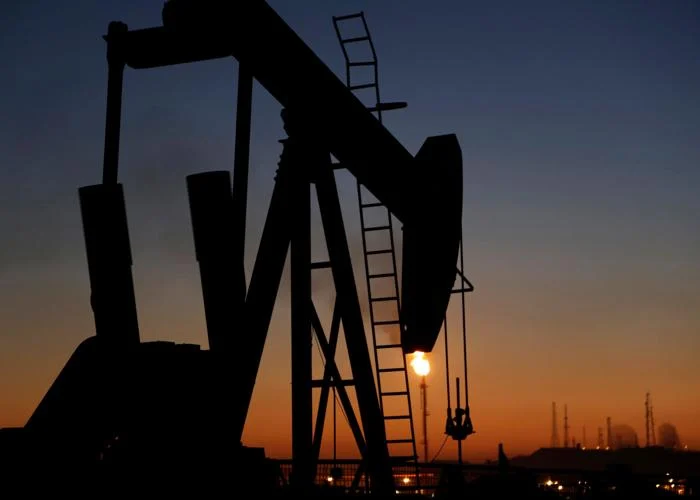
The decision as Trump delays Iran energy strikes has already begun to ripple across global oil markets. Iran plays a critical role in regional energy supply, and any disruption to its infrastructure could trigger a spike in oil prices worldwide.
Traders reacted cautiously following the announcement, with volatility increasing amid fears of a delayed but potentially larger conflict.
Energy experts warn that strikes on Iranian oil facilities could:
- Disrupt global oil supply chains
- Trigger price surges impacting consumers worldwide
- Escalate tensions in the Strait of Hormuz, a critical shipping route
The delay, therefore, may be an attempt to mitigate immediate economic shocks while maintaining pressure on Iran.
Military Implications of the 10-Day Window
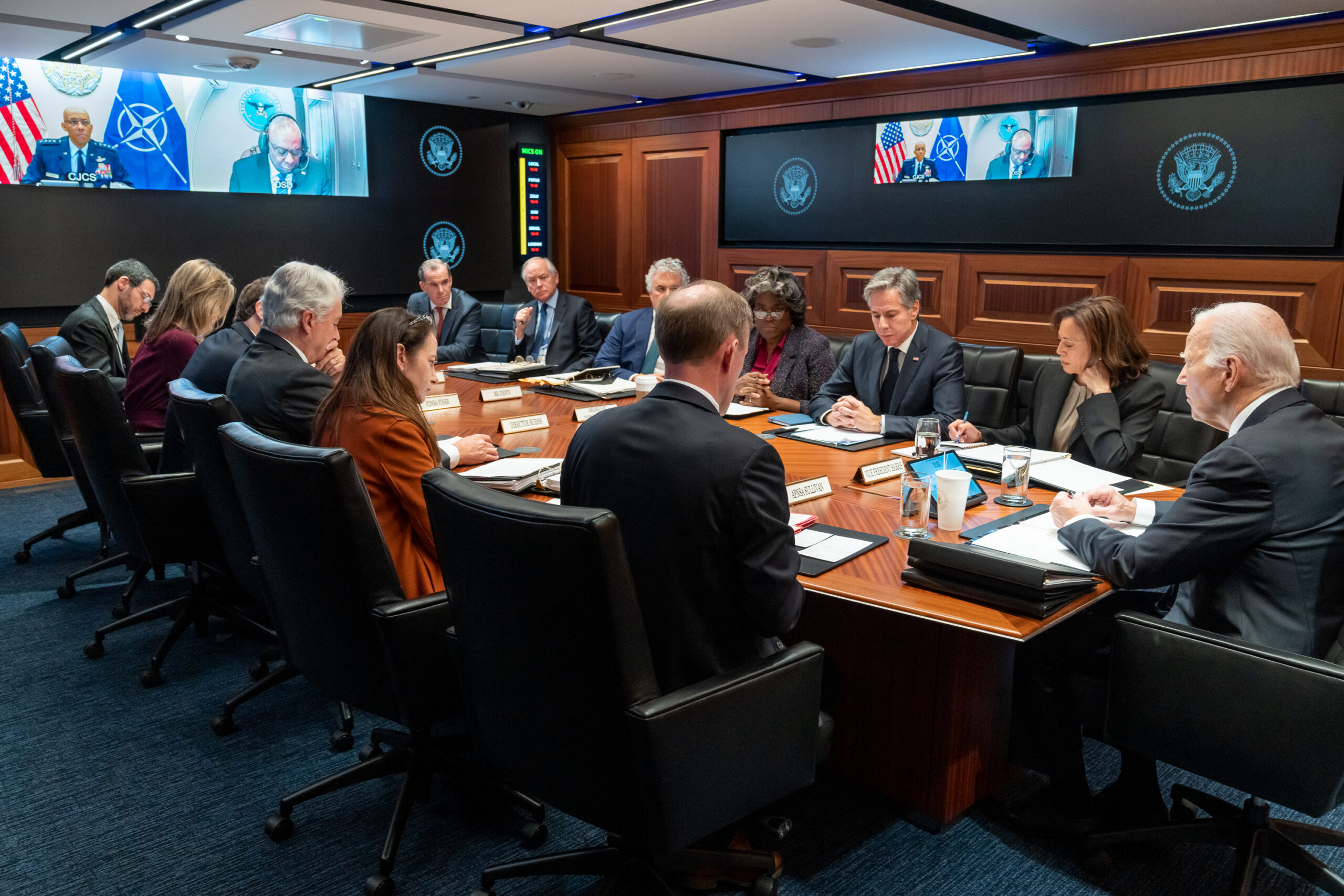
From a military perspective, the fact that Trump delays Iran energy strikes could indicate several tactical considerations.
First, the delay allows for additional troop deployments and coordination with allies in the region. Second, it provides time for intelligence agencies to refine targeting data, minimizing collateral damage and maximizing strategic impact.
The U.S. military presence in the Middle East remains elevated, with naval assets positioned near key waterways and airbases on high alert.
Defense insiders suggest the delay could also serve as a warning signal to Iran:
- A final opportunity to de-escalate
- A demonstration of U.S. readiness without immediate action
- A psychological tactic to increase pressure
Diplomatic Channels May Still Be Open
While tensions remain high, the decision as Trump delays Iran energy strikes has raised speculation that diplomatic efforts may still be underway behind closed doors.
Historically, last-minute delays in military action have sometimes preceded negotiations or indirect communication through intermediaries. European allies and regional partners are reportedly urging restraint, fearing that a direct conflict could destabilize the entire region.
The international community, including key stakeholders in energy and security, is closely monitoring the situation.
A European diplomat commented anonymously:
“A delay like this often means there is still a chance, however small, for diplomacy to intervene before escalation becomes irreversible.”
Iran’s Response Remains Measured but Watchful
Officials in Iran have responded cautiously to the news that Trump delays Iran energy strikes. While condemning the initial threat of military action, Iranian leaders have refrained from immediate escalation.
State media in Iran described the delay as a sign of “uncertainty within U.S. leadership,” while also warning that any attack would be met with a “decisive response.”
Military analysts warn that Iran possesses significant capabilities to retaliate, including:
- Missile systems targeting regional bases
- Proxy forces across the Middle East
- Cyber warfare capabilities
This makes any potential strike, and its aftermath, highly unpredictable.
Domestic Political Impact in the United States
The announcement that Trump delays Iran energy strikes is also influencing political discourse within the United States. Supporters argue the delay reflects strategic caution and responsible leadership, while critics question the clarity and consistency of the administration’s foreign policy.
Lawmakers from both parties are demanding briefings on the situation, particularly regarding:
- The objectives of the proposed strikes
- Potential risks to U.S. troops and allies
- The long-term strategy toward Iran
The issue is rapidly becoming a focal point in national security discussions, with implications for both domestic politics and international relations.
A Critical Moment for Global Stability
The decision as Trump delays Iran energy strikes underscores the fragile nature of current geopolitical dynamics. With tensions already high, even a temporary delay carries significant implications.
Experts agree that the next 10 days will be crucial.
Possible scenarios include:
- Renewed diplomatic engagement
- Escalation into military conflict
- Continued strategic delays to build international support
Each path carries its own risks and consequences, not only for the United States and Iran but for global stability as a whole.
What Happens Next?
As the world watches closely, the question remains: what will happen when the 10-day window expires?
If no diplomatic breakthrough is achieved, the likelihood of military action could increase significantly. Conversely, if backchannel negotiations succeed, the delay could mark a turning point toward de-escalation.
For now, the situation remains fluid, with high stakes on all sides.
Why This Delay Matters
The move as Trump delays Iran energy strikes by 10 days is more than a simple postponement—it is a strategic decision with global implications.
- It signals uncertainty but also calculated restraint
- It impacts global energy markets and economic stability
- It opens a narrow window for diplomacy
- It raises the risk of a broader conflict if tensions escalate
The coming days will determine whether this delay becomes a step toward peace, or a prelude to a larger confrontation.