
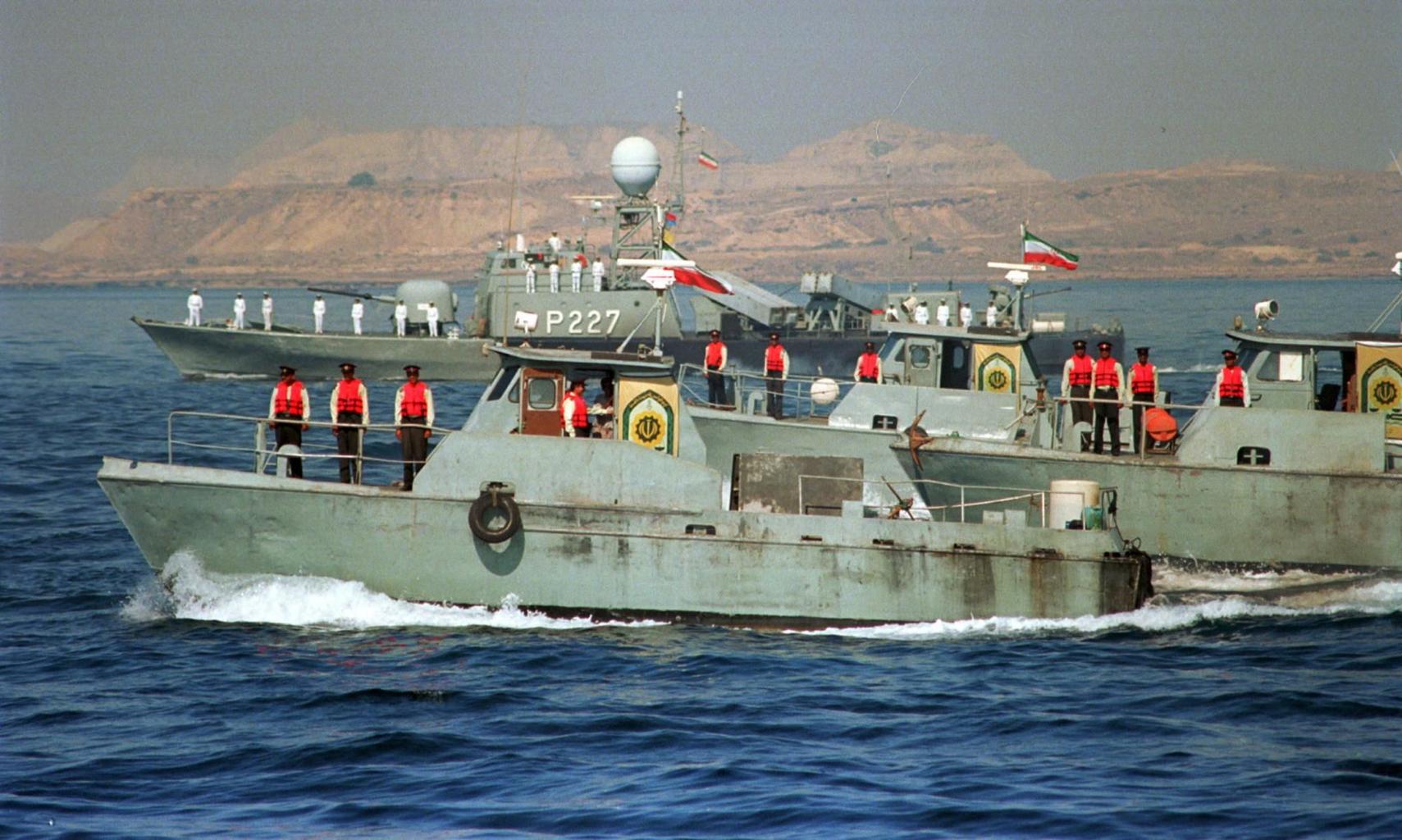
Trump escalates rhetoric targeting power plants near the Strait of Hormuz.
Global markets react as fears of a wider Middle East war intensify.
Energy security concerns rise amid growing US-Iran tensions.
Washington / Middle East — March 22, 2026 — Parliament Politics Magazine — Trump Hormuz power plant threat is rapidly becoming the latest flashpoint in an already volatile geopolitical crisis, as former U.S. President Donald Trump issued a stark warning suggesting potential strikes on critical power infrastructure near the Strait of Hormuz.
The remarks have sparked immediate concern among global leaders, energy analysts, and military strategists, who warn that any escalation in the region could trigger a chain reaction impacting global oil supply, financial markets, and civilian infrastructure.
Escalation Signals a Dangerous Turning Point
Trump’s warning comes amid heightened tensions between the United States and Iran, following weeks of military posturing, economic sanctions, and strategic threats across the Persian Gulf.
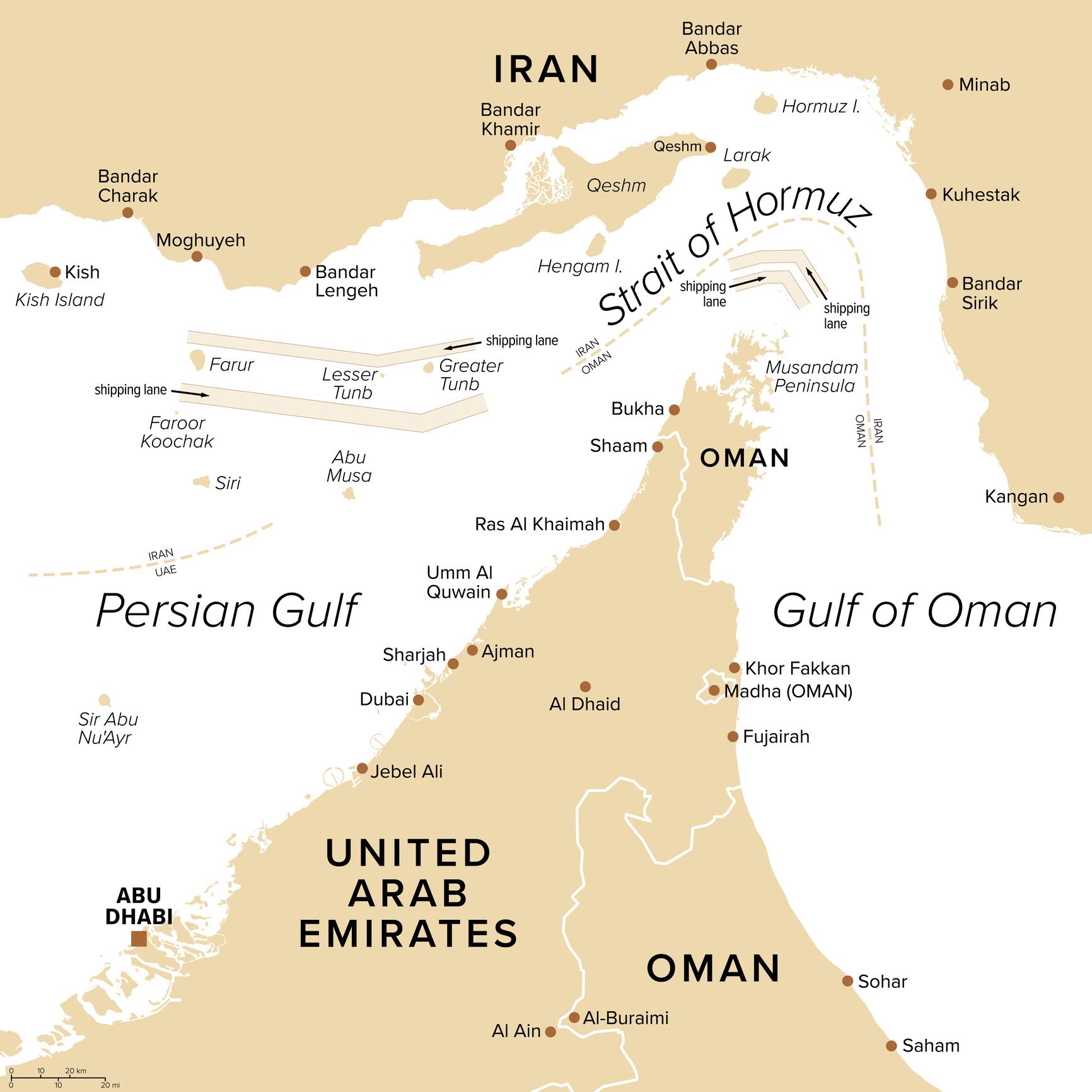
Speaking during a public appearance, Trump hinted at the possibility of targeting energy-related infrastructure, including power plants that support critical operations near the Strait of Hormuz—a vital maritime chokepoint through which nearly one-fifth of the world’s oil supply passes.
“If they continue to threaten global stability, everything is on the table,”
Trump stated, adding that
“strategic targets will not be off-limits.”
The Trump Hormuz power plant threat has raised alarms not only for its military implications but also for its potential humanitarian consequences, as such infrastructure often serves civilian populations.
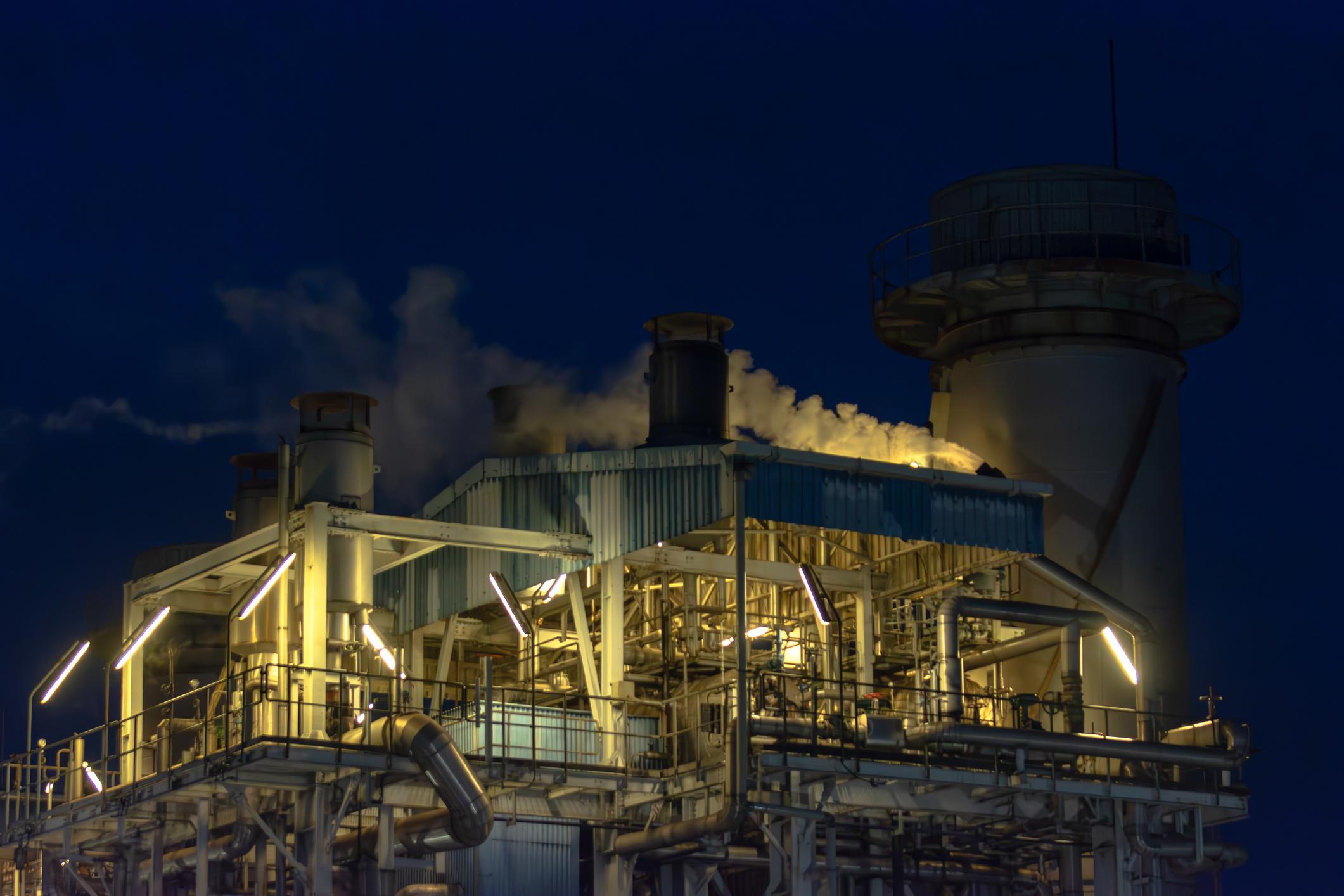
Why the Strait of Hormuz Matters Globally
The Strait of Hormuz is one of the most strategically important waterways in the world. It connects the Persian Gulf to international markets, serving as a lifeline for global energy exports from countries like Saudi Arabia, Iraq, Kuwait, and the UAE.
Any disruption in this region could cause immediate spikes in oil prices, destabilize global supply chains, and increase economic uncertainty worldwide.
Experts warn that targeting power plants could have cascading effects, including:
- Widespread blackouts
- Disruption of desalination facilities
- Collapse of local industries
- Civilian displacement
The Trump Hormuz power plant threat is therefore seen not just as a military signal, but as a potential trigger for broader regional instability.
Global Markets React to Rising Tensions
Financial markets responded swiftly to the escalating rhetoric. Oil prices surged as traders priced in the risk of supply disruptions, while global stock markets showed increased volatility.
Energy analysts noted that even the perception of instability in the Strait of Hormuz can have significant ripple effects.
“Markets don’t wait for bombs to fall,”
one energy strategist said.
“The mere threat is enough to disrupt pricing models and investor confidence.”
Shipping companies have also begun reassessing routes and insurance premiums, anticipating possible conflict scenarios.
Iran Responds With Defiance
Iranian officials reacted strongly to Trump’s comments, warning that any attack on infrastructure would be met with immediate retaliation.
A senior Iranian military spokesperson stated:
“Any aggression against our energy or civilian facilities will be answered decisively. The region will not remain stable if such actions occur.”
This exchange of threats has intensified fears that miscalculation or miscommunication could lead to direct military confrontation.
The Trump Hormuz power plant threat has therefore added a new layer of unpredictability to an already fragile geopolitical situation.
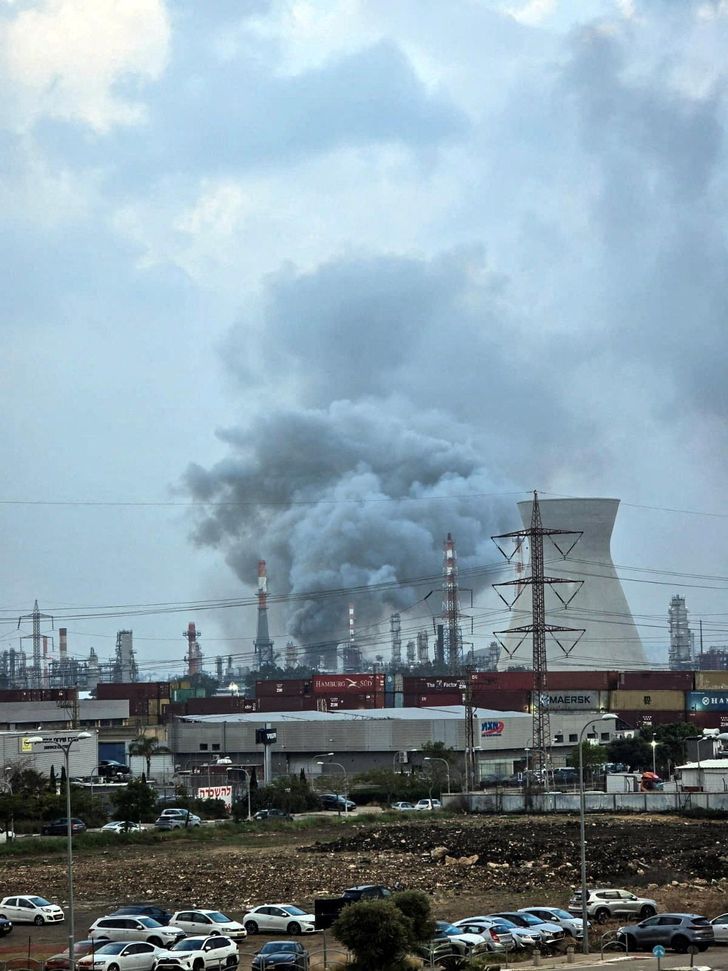
Humanitarian Risks Grow in the Region
Beyond military and economic implications, humanitarian organizations are increasingly concerned about the potential impact on civilian populations.
Power plants in the region often support essential services such as hospitals, water treatment facilities, and communication networks.
Disrupting these systems could lead to:
- Healthcare system breakdowns
- Water shortages
- Mass displacement
- Increased civilian casualties
Human rights advocates argue that targeting such infrastructure could violate international law, depending on the context and execution.
Military Experts Warn of Wider War Scenario
Defense analysts caution that any strike on power plants near the Strait of Hormuz could quickly escalate into a broader regional conflict involving multiple countries.
The Persian Gulf is already heavily militarized, with U.S. naval forces, Iranian Revolutionary Guard units, and allied forces operating in close proximity.
“This is a powder keg situation,”
one military expert noted.
“A single strike could trigger retaliation across multiple fronts.”
The Trump Hormuz power plant threat is being closely monitored by NATO allies, Gulf states, and international observers.
Energy Security at Risk Worldwide
One of the most immediate concerns is the potential disruption to global energy supplies.
The Strait of Hormuz handles approximately 20% of global oil shipments. Any conflict in this area could:
- Drive oil prices above critical thresholds
- Increase inflation globally
- Strain economies already facing post-pandemic recovery challenges
- Trigger energy shortages in vulnerable regions
Countries heavily dependent on Middle Eastern oil exports are particularly at risk.
Diplomatic Efforts Struggle to Contain Crisis
Despite rising tensions, diplomatic efforts are underway to prevent further escalation.
International leaders have called for restraint and dialogue, urging both sides to avoid actions that could destabilize the region further.
However, progress has been limited, with both sides maintaining firm positions.
The Trump Hormuz power plant threat has complicated negotiations, as it signals a potential shift toward more aggressive strategies.
Historical Context Adds to Concerns
The Strait of Hormuz has long been a focal point of geopolitical tension. Previous incidents, including tanker seizures, drone attacks, and naval confrontations, have demonstrated how quickly situations can escalate.
What makes the current situation particularly concerning is the explicit mention of targeting infrastructure, which could represent a significant escalation from previous conflicts.
What Happens Next?
The coming weeks are expected to be critical in determining whether the situation escalates or stabilizes.
Key factors to watch include:
- Military movements in the Persian Gulf
- Diplomatic negotiations
- Oil market trends
- Statements from U.S. and Iranian officials
Analysts warn that even a small incident could spiral into a larger conflict if tensions remain high.
Breaking Point: What Happens Next Could Change Everything
The Trump Hormuz power plant threat marks a dangerous escalation in the US-Iran conflict, placing global energy security and regional stability at serious risk. With oil markets reacting, military tensions rising, and humanitarian concerns growing, the world is watching closely as the Strait of Hormuz once again becomes the center of geopolitical uncertainty. The next moves by both sides could determine whether this crisis de-escalates—or ignites a wider war.