Washington, D.C., United States — March 19, 2026 — Parliament Politics Magazine — The Trump climate policy lawsuit has emerged as one of the most significant legal battles in recent U.S. environmental history, as a coalition of 24 states moves to challenge the federal government’s rollback of key climate protections. The lawsuit directly targets the administration’s decision to revoke the 2009 Endangerment Finding, a cornerstone of national climate regulation.
At the heart of the Trump climate policy lawsuit is the argument that the Environmental Protection Agency overstepped its authority by rescinding a scientific determination that greenhouse gases pose a danger to public health and welfare. State leaders argue that this decision ignores decades of established research and undermines the legal framework that has guided climate regulation for more than a decade.
Why the Trump Climate Policy Lawsuit Matters
The Trump climate policy lawsuit is not just another political dispute—it is a critical legal fight that could redefine how the United States addresses climate change. Attorneys general from leading states, including Massachusetts, California, New York, and Connecticut, argue that removing the Endangerment Finding weakens the federal government’s ability to regulate emissions and protect communities.
“Removing this foundation of climate law could trigger consequences far beyond Washington,”
one legal expert noted, highlighting the broader implications of the case.
The states involved warn that dismantling federal climate rules could intensify environmental challenges already affecting millions of Americans, including rising temperatures, destructive wildfires, and increased flooding.
Legal Arguments Behind the Case
Central to the Trump climate policy lawsuit is the claim that federal regulators failed to follow established legal and procedural standards. The coalition argues that the rollback violates obligations under the Clean Air Act and disregards overwhelming scientific consensus.
In addition, critics of the policy shift claim the decision was rushed, raising concerns about whether proper regulatory procedures were followed. They argue that such a major change to national climate policy requires careful review, transparency, and adherence to established legal processes.
Coalition Expands Nationwide
The Trump climate policy lawsuit brings together not only 24 states but also the District of Columbia, U.S. territories, and several major cities. This broad coalition reflects growing concern across the country about the long-term consequences of weakening federal environmental protections.
The legal effort also aligns with previous actions taken by environmental and public health organizations, signaling a coordinated pushback against the administration’s climate agenda.

Impact of the Policy Rollback
One of the most immediate effects tied to the Trump climate policy lawsuit is the removal of federal authority to regulate greenhouse gas emissions at a national level. This includes the rollback of vehicle emissions standards that had applied to model years 2012 through 2027.
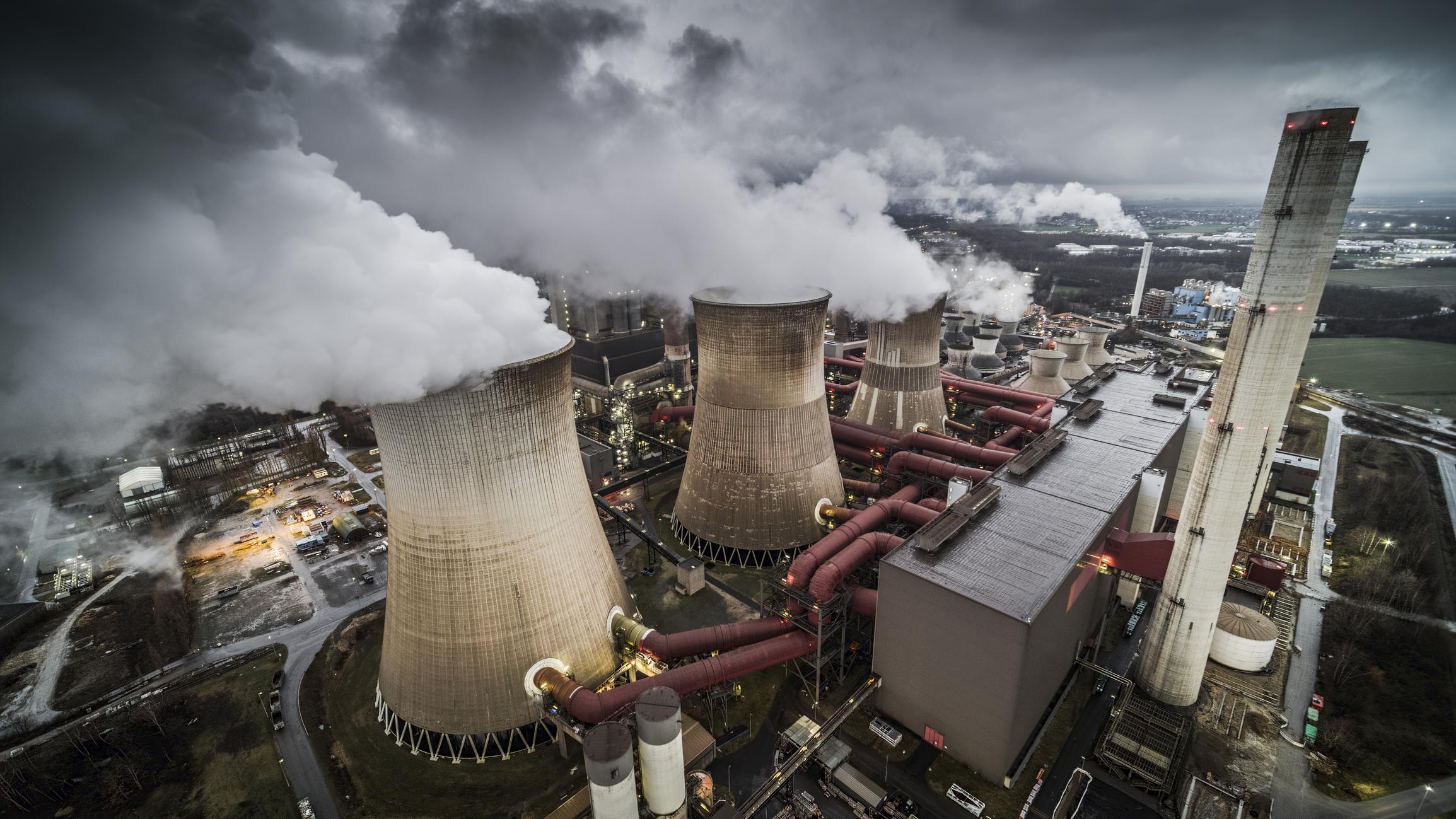
Additionally, the decision opens the door for reduced oversight of emissions from power plants and industrial facilities, raising concerns among environmental advocates about increased pollution levels.
Supporters of the rollback argue that reducing regulatory burdens will lower costs for businesses and consumers. They claim that deregulation could save significant amounts of money and make vehicles more affordable for American families.
Economic vs Environmental Debate
The Trump climate policy lawsuit has also sparked a broader debate about balancing economic growth with environmental protection. Proponents of deregulation argue that strict emissions rules have placed unnecessary burdens on industries, limiting economic expansion.
However, opponents counter that the long-term costs of climate damage—ranging from infrastructure repairs to healthcare expenses—far outweigh any short-term financial benefits. They warn that weakening climate regulations could ultimately lead to higher costs for taxpayers and communities.
What Happens Next
As the Trump climate policy lawsuit moves forward in federal court, legal experts say the outcome could have far-reaching implications. A ruling in favor of the states could restore federal authority to regulate greenhouse gas emissions, while a decision supporting the administration could permanently reshape U.S. climate policy.
“This case could define the future of climate regulation in the United States for decades,”
one analyst stated, emphasizing the historic nature of the legal battle.
What the Trump Climate Policy Lawsuit Means for America
The Trump climate policy lawsuit represents a major turning point in U.S. environmental policy, with 24 states challenging a sweeping rollback of climate regulations. As the legal battle unfolds, the future of emissions control, public health protections, and national climate strategy hangs in the balance.