
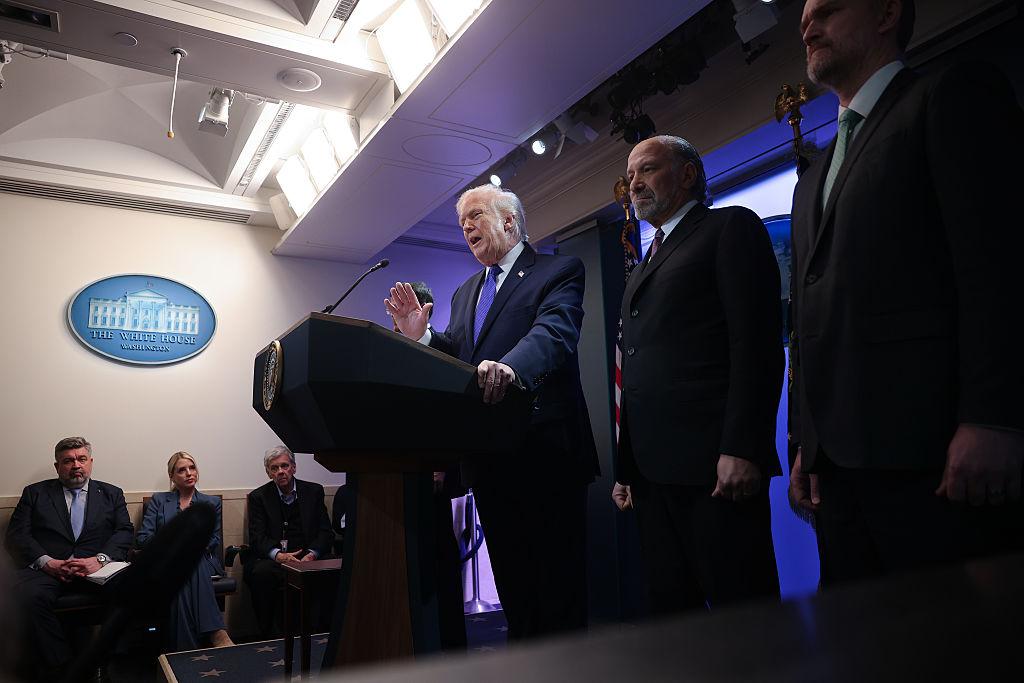
Trump gas prices statement is drawing attention across the United States as tensions in the Middle East raise concerns about fuel costs.
Energy markets are reacting cautiously while political leaders debate the economic impact.
Consumers and analysts are watching closely as oil prices respond to geopolitical developments.
Political Reaction After Energy Remarks
Washington, United States — March 6, 2026 — Parliament News — The Trump gas prices statement has ignited national discussion after remarks addressing the potential for rising gasoline prices during heightened geopolitical tension involving Iran. During comments about the possibility of fuel costs increasing, Trump stated, “If they rise, they rise.”
The remark quickly spread across media outlets and political circles. Fuel prices remain a central economic issue in the United States because they affect transportation, supply chains, and household budgets.
The Trump gas prices statement arrived during a period of global uncertainty in energy markets. Oil prices frequently react to geopolitical developments, particularly when tensions involve regions responsible for a large share of global production.
Political leaders and economists immediately began analyzing the implications of the comment. Some viewed the statement as a reflection of market realities, while others argued that energy costs require careful leadership and reassurance for consumers.
Energy Markets React to Global Tensions
Energy markets often respond rapidly to geopolitical developments. When tensions arise in oil producing regions, traders anticipate potential disruptions to supply chains.
The Trump gas prices statement emerged while analysts were already watching developments in the Middle East. Conflicts or military operations near major oil producing areas can influence expectations about supply security.
Oil prices are determined by a combination of supply levels, global demand, and geopolitical risk. When traders believe that supply could be affected, prices often rise even before actual shortages occur.
The Trump gas prices statement therefore entered a broader discussion about the stability of global energy markets and the possible economic consequences of geopolitical conflict.
Energy analysts say that market reactions can happen quickly, especially when uncertainty surrounds production or shipping routes.
How Gasoline Prices Affect the Economy
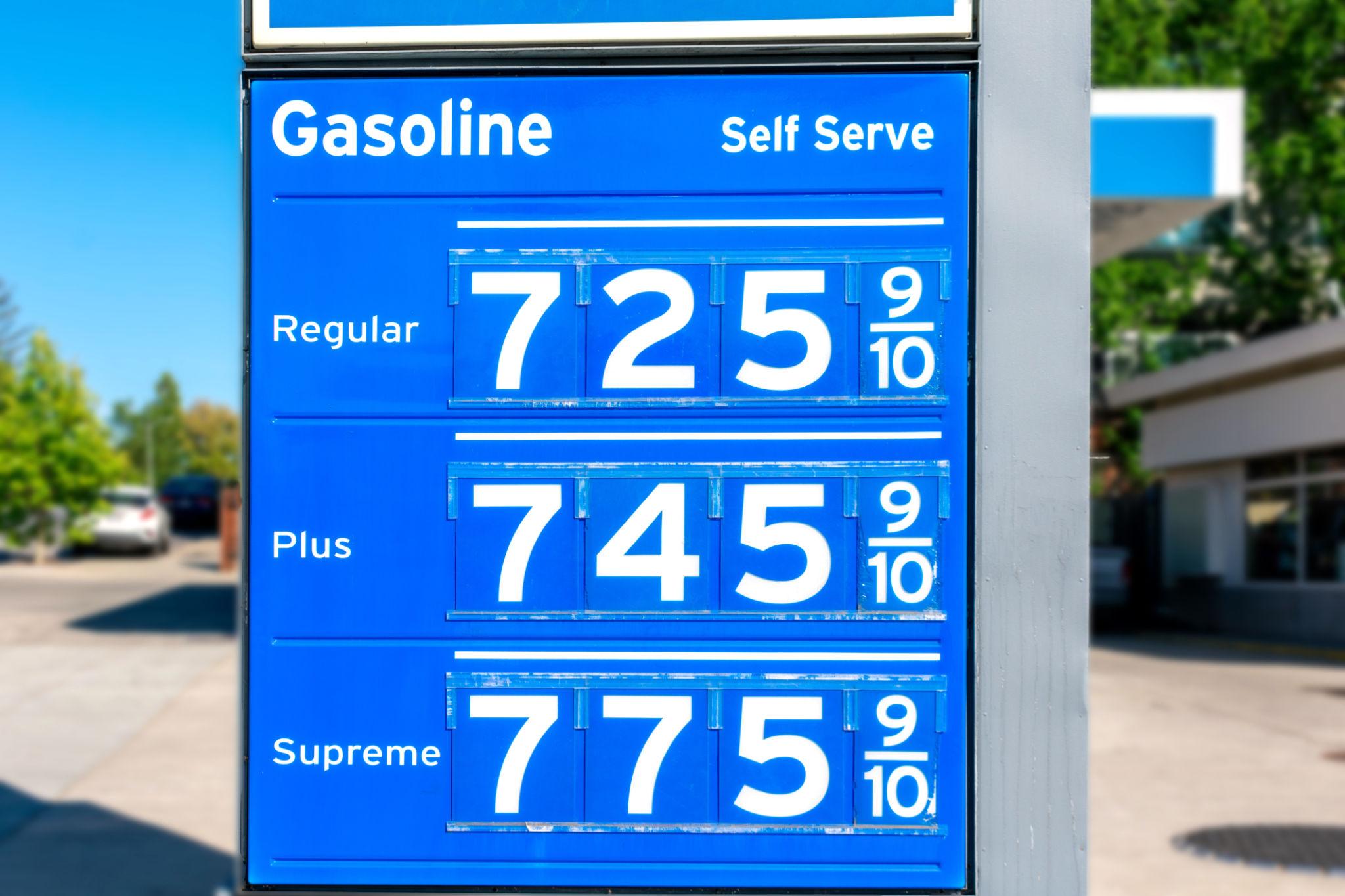
Gasoline prices play an important role in the American economy. Fuel costs influence transportation expenses for businesses and households alike.
The Trump gas prices statement gained attention partly because Americans regularly monitor fuel prices as an indicator of economic conditions. Higher gasoline prices can affect commuting costs, shipping expenses, and the overall cost of goods.
Transportation industries such as trucking and aviation are particularly sensitive to fuel price increases. Rising costs in these sectors can affect everything from airline ticket prices to the delivery costs of everyday products.
Economists also point out that energy prices contribute to inflation. When fuel costs increase, businesses often pass those expenses on to consumers through higher prices.
Because of these economic effects, discussions about gasoline prices often become politically significant.
Political Debate Surrounding Energy Policy
Energy policy has long been a major subject of political debate in the United States. Discussions frequently focus on domestic production, environmental considerations, and global supply chains.
The Trump gas prices statement became part of a larger national conversation about how governments should respond to energy price volatility.
Some political leaders argue that expanding domestic oil production can help stabilize fuel prices by reducing dependence on foreign energy sources.
Others emphasize the importance of developing renewable energy technologies such as solar and wind power to diversify energy supply.
The Trump gas prices statement therefore highlighted differing perspectives about how to manage energy resources and protect consumers from sudden price increases.
Political debates surrounding energy policy often reflect broader economic priorities and environmental goals.
Consumer Concerns About Fuel Costs
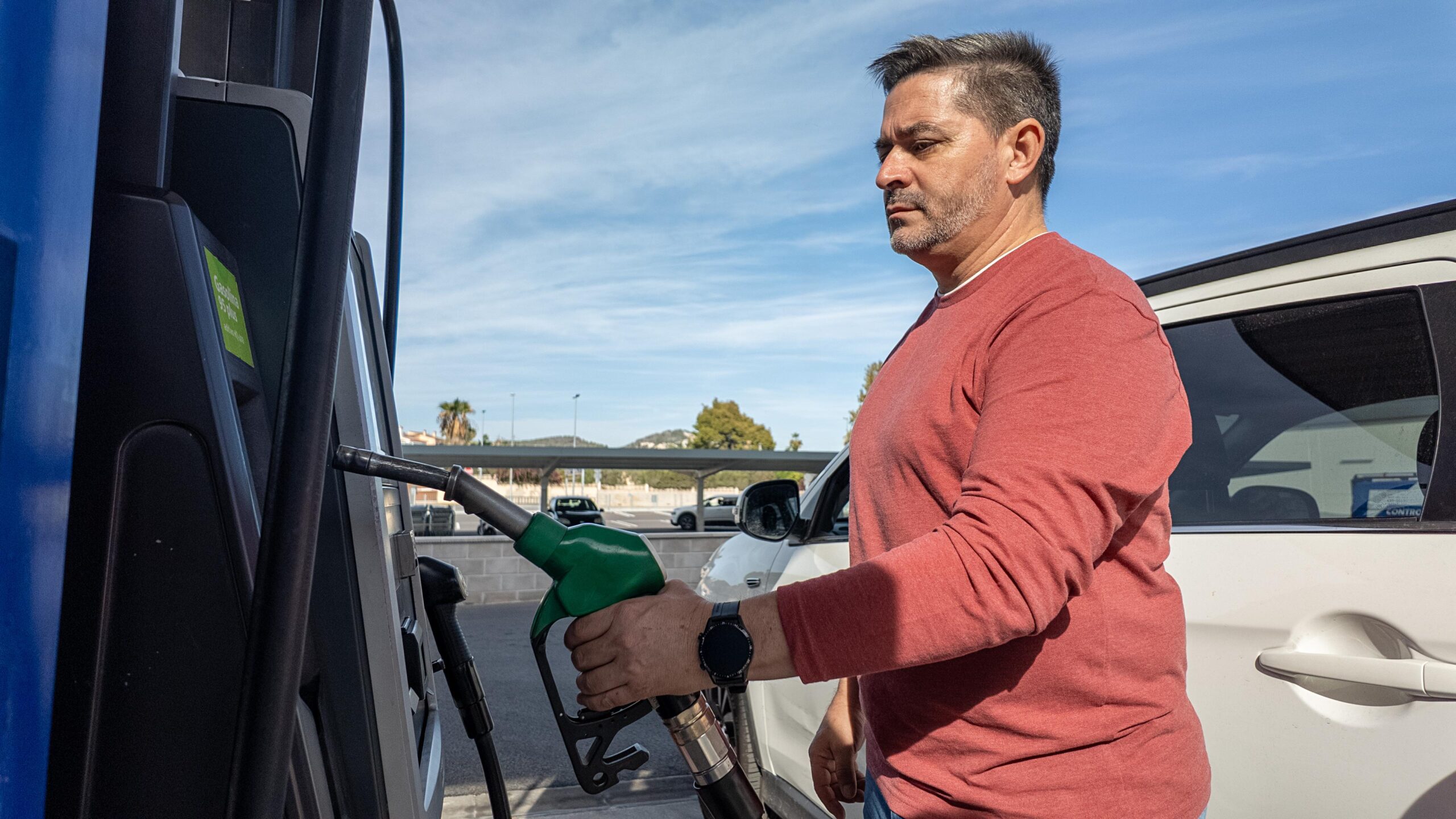
For millions of Americans, gasoline prices are a daily financial concern. Commuters, small businesses, and families all depend on stable fuel costs to manage their budgets.
The Trump gas prices statement sparked widespread discussion among consumers who are already navigating rising living expenses.
Drivers across the country regularly track fuel prices because transportation costs affect many aspects of household spending.
When gasoline prices increase, consumers may adjust their travel habits or seek alternative transportation options.
Consumer advocacy groups emphasize that transparency in energy markets and stable supply chains are essential for protecting households from sudden price spikes.
Global Oil Supply and Market Pressure
Oil is traded internationally, and global supply conditions influence gasoline prices in the United States. Major oil producing regions play a critical role in maintaining stable energy markets.
The Trump gas prices statement occurred during a period when analysts were evaluating the potential impact of geopolitical tensions on supply routes.
Shipping lanes such as the Strait of Hormuz carry a significant share of global oil exports. Any disruption in these routes could affect global energy availability.
Energy experts say that markets often factor geopolitical risks into oil prices even before supply changes occur.
The Trump gas prices statement therefore intersected with ongoing discussions about the vulnerability of global supply chains and the importance of maintaining stable production levels.
Historical Context of Energy Price Debates
Energy price debates have appeared repeatedly throughout modern American political history. Periods of rising gasoline prices often spark discussions about energy policy and economic strategy.
The Trump gas prices statement echoes past moments when political leaders addressed concerns about fuel costs during international crises.
During earlier geopolitical conflicts, oil price fluctuations influenced domestic economic policy and public opinion.
History shows that governments frequently respond to rising fuel prices by adjusting energy strategies or exploring alternative sources.
The Trump gas prices statement therefore reflects a long tradition of political discussion surrounding the relationship between global events and domestic energy costs.
Regional and Global Security Considerations
Energy markets are closely tied to global security conditions. Military conflicts, diplomatic tensions, and trade relationships all influence the stability of supply chains.
The Trump gas prices statement highlights how geopolitical developments can quickly affect economic expectations.
Security analysts emphasize that maintaining stable energy markets is essential for economic growth and international stability.
Countries around the world closely monitor developments that could affect production levels or transportation routes.
The relationship between energy resources and global security continues to shape international policy decisions.
When Energy Politics and Global Events Collide
The national discussion surrounding the Trump gas prices statement illustrates the complex relationship between politics, economics, and global events.
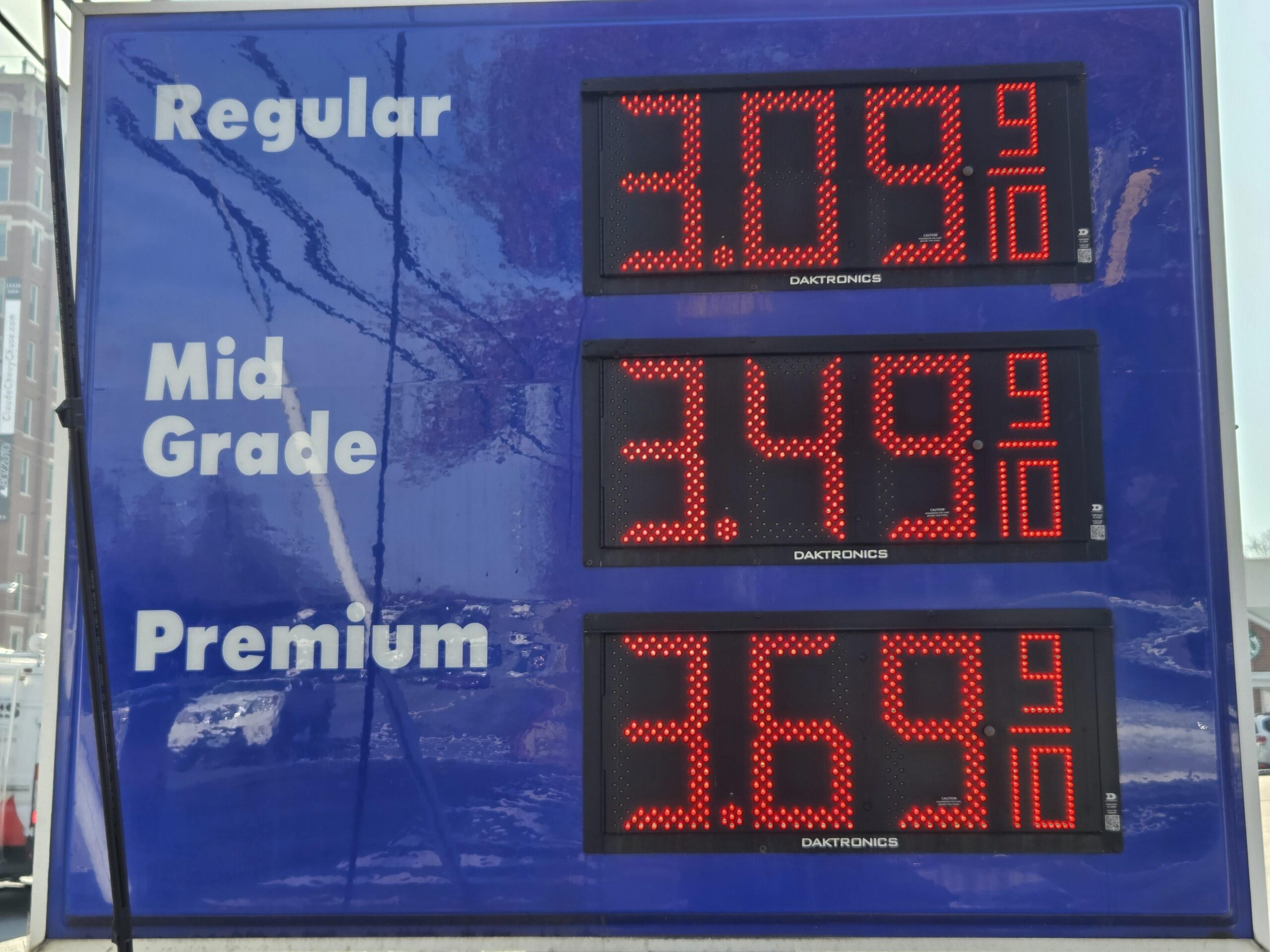
Fuel prices affect everyday life for millions of Americans, making energy policy one of the most visible issues in national debate.
The Trump gas prices statement brought attention to how quickly geopolitical developments can influence economic concerns at home.
As global tensions continue to evolve, policymakers and market analysts will remain focused on maintaining stability in energy supply and pricing.
For consumers across the United States, the most immediate question remains whether gasoline prices will remain manageable in the months ahead.
The conversation sparked by the Trump gas prices statement shows how a single remark can shape broader debates about leadership, economic policy, and the future of energy markets.