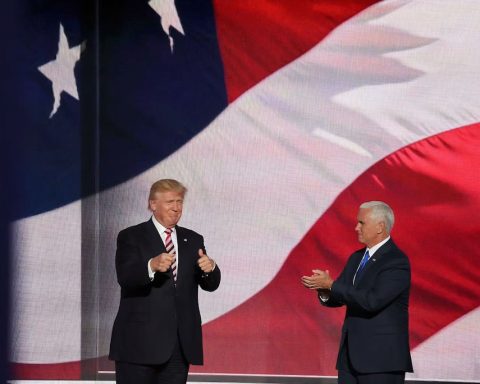
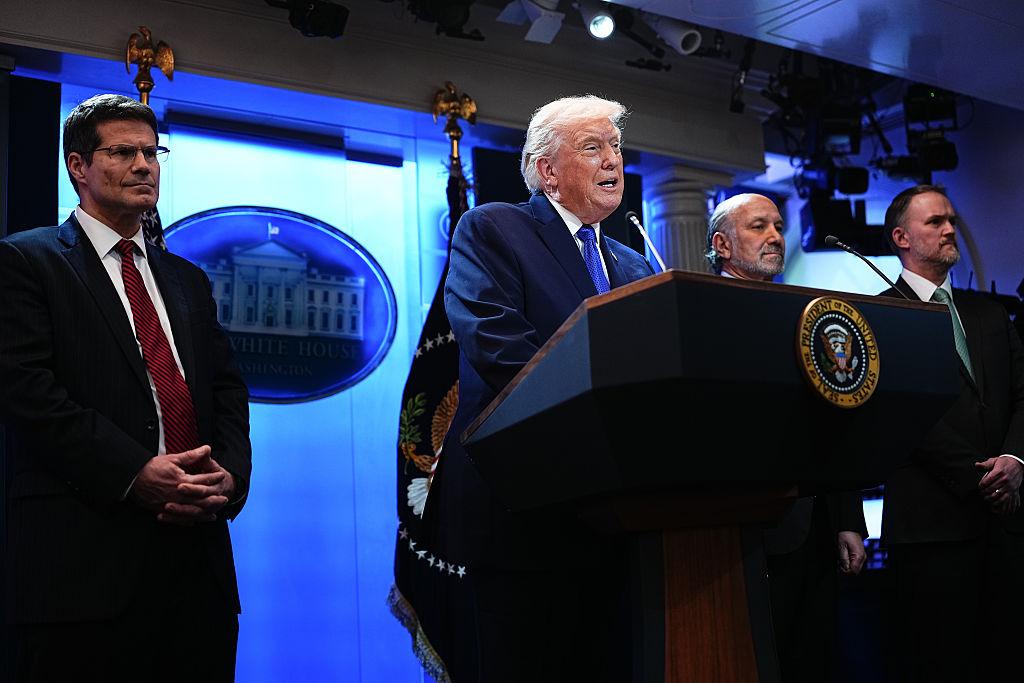
Trump Iran warning has intensified global attention as tensions between Washington and Tehran continue to grow. International leaders are closely watching developments amid rising geopolitical pressure. Security analysts say the situation could influence stability across the Middle East.
Global Attention Turns Toward Washington
WASHINGTON, United States — March 6, 2026 (Parliament News) — A new Trump Iran warning has drawn international attention as political tensions between the United States and Iran continue to rise. The message directed toward Iran’s leadership and security institutions has prompted strong reactions across diplomatic circles and security communities worldwide.
The warning arrives during a period of geopolitical uncertainty in the Middle East. Governments across Europe, Asia, and the Middle East are closely monitoring developments as Washington signals increased pressure on Tehran.
The Trump Iran warning reflects a broader strategy aimed at influencing Iran’s security calculations while reinforcing Washington’s position on regional stability. Analysts say the message has already sparked discussions within diplomatic channels about the possible consequences for international relations.
Global observers note that moments like this often shape the direction of geopolitical tensions. When powerful nations exchange strong public messages, the ripple effects frequently extend across diplomatic, economic, and military landscapes.
Washington Signals Strategic Pressure
Political messaging has long been an important tool in international relations. Leaders often use public statements to influence how rival governments interpret potential risks and opportunities.
The Trump Iran warning appears to serve multiple purposes. First, it signals that Washington remains vigilant about Iran’s regional influence and military posture. Second, it sends a message to international allies that the United States is closely engaged in monitoring developments in the Middle East.
Experts believe such messages are designed to affect internal decision making within another country’s leadership structure. When a warning reaches military institutions and security officials, it can alter how they evaluate potential consequences of their actions.
One security analyst described the situation clearly.
“Statements like this are rarely just political messaging. They are strategic signals aimed at shaping how governments calculate risk.”
The Trump Iran warning therefore represents more than a diplomatic statement. It is part of a broader geopolitical conversation about power, deterrence, and regional stability.
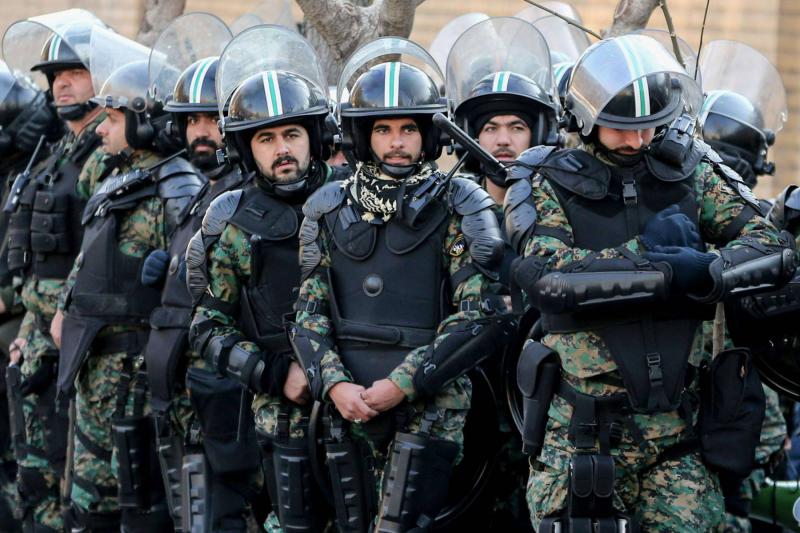
Tehran Responds With Caution
Iranian officials have historically responded carefully to international pressure. The leadership in Tehran must balance domestic political expectations with external diplomatic challenges.
Following the Trump Iran warning, analysts believe Iran’s leadership is likely evaluating multiple options. Public responses could range from diplomatic statements to strategic messaging aimed at reassuring domestic audiences.
Iran’s political structure includes multiple centers of influence, including government officials, military leaders, and security institutions. Each of these groups plays a role in shaping how the country responds to external pressure.
The complexity of Iran’s political system means that responses often emerge gradually rather than immediately. Diplomatic observers say Tehran’s next moves will likely reflect both domestic considerations and international pressures.
International Diplomacy Intensifies
Global leaders have quickly responded to the Trump Iran warning by emphasizing the importance of diplomacy.
European governments have urged both Washington and Tehran to pursue dialogue rather than escalation. Diplomatic representatives say maintaining open communication channels is critical for avoiding misunderstandings.
Middle Eastern governments have also expressed concern about regional stability. The Middle East remains one of the most strategically important regions in global politics, and tensions involving major powers often have far reaching consequences.
A senior European diplomat summarized the situation.
“The priority for the international community is to prevent tensions from turning into confrontation. Dialogue remains the most effective path toward stability.”
This perspective reflects the broader international consensus that diplomacy must remain active even during moments of heightened tension.
Energy Markets and Economic Implications
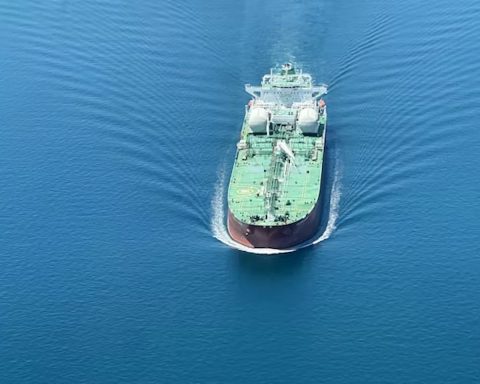
Political developments in the Middle East frequently influence global economic conditions. Iran’s role in the international energy market means that geopolitical tensions can quickly affect investor confidence.
Following the Trump Iran warning, financial analysts began monitoring energy markets closely. Oil prices often respond to geopolitical signals involving countries that influence supply routes and production levels.
Market reactions are not always immediate, but even the perception of increased geopolitical risk can influence investor behavior.
Economic stability often depends on political stability. When tensions rise in regions critical to global energy supply, financial markets respond by adjusting expectations about future risk.
For this reason, the Trump Iran warning has drawn attention not only from political leaders but also from investors and economic strategists around the world.
Security Concerns Across the Middle East
The Middle East remains a region where political tensions and security concerns frequently intersect.
Conflicts and diplomatic rivalries can influence alliances, military planning, and economic relationships across multiple countries.
The Trump Iran warning has therefore become part of a broader discussion about regional stability and international security.
Security experts emphasize that preventing escalation requires careful coordination among governments, international organizations, and diplomatic mediators.
Small developments can have significant consequences when tensions are already elevated.
Governments across the region are closely monitoring how Iran’s leadership responds and whether diplomatic efforts succeed in reducing tensions.
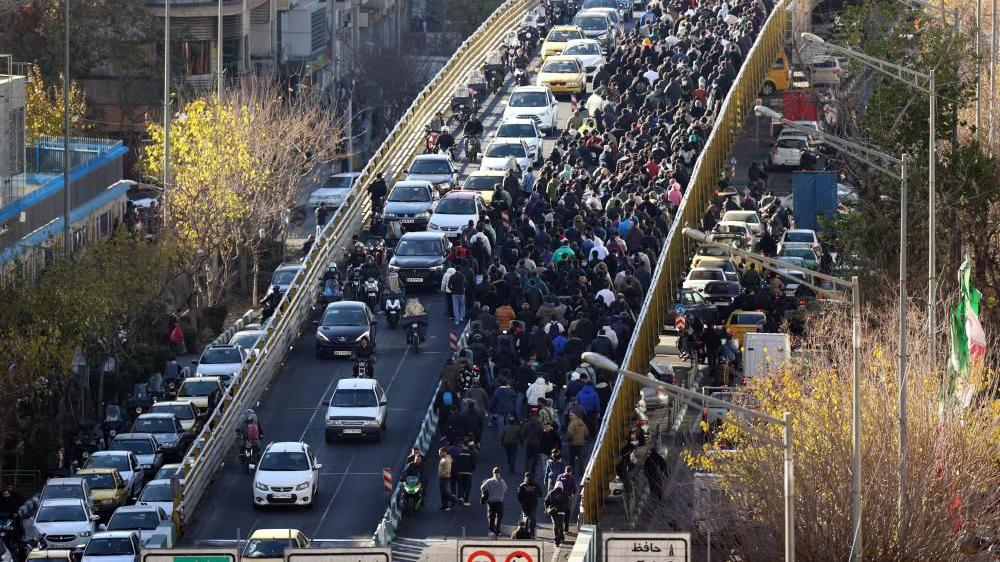
Historical Background of U.S. Iran Relations
The complex relationship between the United States and Iran has evolved over decades.
Following the Iranian Revolution in 1979, diplomatic relations between the two countries deteriorated dramatically. The hostage crisis that followed marked a turning point in modern diplomatic history.
Since then, disputes involving economic sanctions, nuclear programs, and regional alliances have shaped the relationship between Washington and Tehran.
Warnings and political messages similar to the Trump Iran warning have appeared during several moments of geopolitical tension.
Throughout history, public statements between rival nations have often served as strategic signals intended to influence decision making.
Understanding this historical context helps explain why messaging remains a central element of modern international diplomacy.
Strategic Messaging in Modern Geopolitics
Political communication has become an essential component of global strategy. Leaders frequently use public statements to signal intentions, reinforce alliances, and influence adversaries.
The Trump Iran warning illustrates how a single message can quickly dominate global headlines.
Modern diplomacy often combines public messaging with private negotiations. While governments exchange strong statements publicly, they may simultaneously engage in behind the scenes discussions aimed at reducing tensions.
This balance between public pressure and diplomatic engagement has shaped many geopolitical developments over the past century.
Global Leaders Call for Restraint
International leaders have emphasized caution as tensions continue to unfold.
Diplomatic officials from several countries have urged all parties to avoid actions that could escalate the situation further.
One international security expert explained the broader significance.
“Geopolitical warnings often serve as reminders of how fragile regional stability can be. Responsible diplomacy is essential for preventing conflict.”
Statements like these highlight the delicate balance between political messaging and the need for peaceful solutions.
The Trump Iran warning has therefore become part of a larger global conversation about how governments should manage complex geopolitical challenges.
The Road Ahead for Diplomacy
Predicting how geopolitical tensions will evolve is always difficult.
Several scenarios could emerge in the coming weeks. Diplomatic negotiations may intensify, leading to a reduction in tensions. Alternatively, stronger rhetoric from both sides could increase uncertainty.
International mediators will likely play an important role in encouraging dialogue between Washington and Tehran.
The Trump Iran warning may ultimately become a catalyst for renewed diplomatic engagement rather than confrontation.
Observers note that moments of tension sometimes create opportunities for dialogue when governments recognize the risks of escalation.
A Moment That Could Influence Future Relations
Events like the Trump Iran warning often become defining moments in international relations.
Political statements can shape diplomatic strategies, influence economic markets, and alter military planning.
Governments around the world are watching closely as developments continue to unfold.
Whether the situation leads to deeper tensions or renewed diplomacy remains uncertain. What is clear is that the global community understands the importance of careful communication between major powers.
The coming months will reveal whether this moment becomes a turning point in the relationship between Washington and Tehran.