

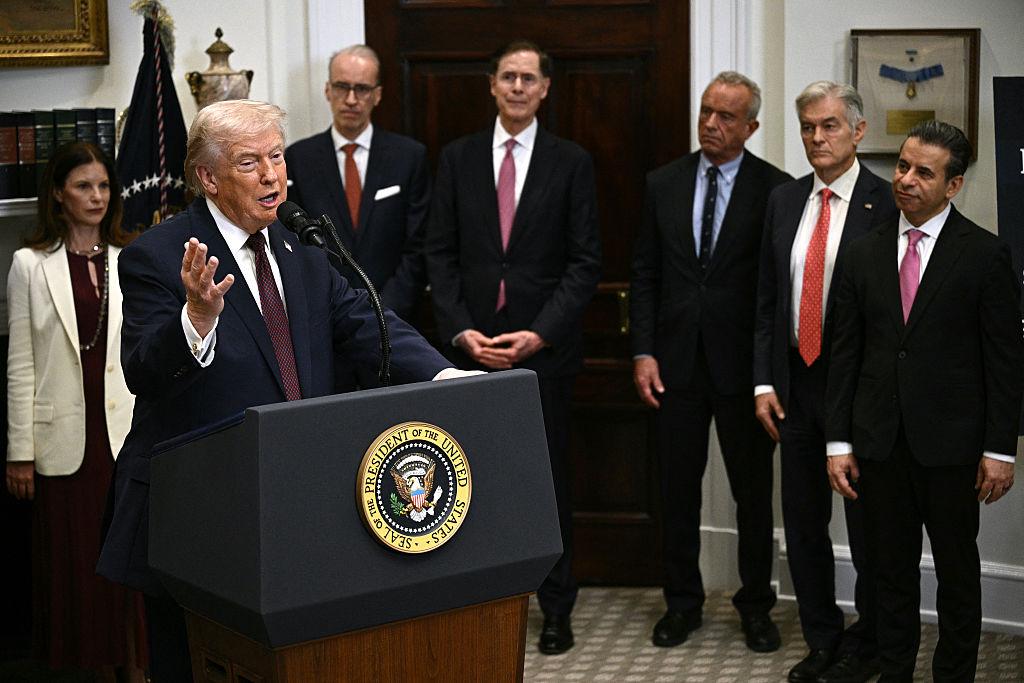
Washington, February 7, 2026 — According to Parliament News, that Media regulation returned to the center of political and economic debate in the United States this year as Trump media policy once again influenced discussions over broadcast competition, ownership rules, and the power of national television networks. The renewed attention comes as traditional media confronts declining revenues, expanding digital platforms, and growing public distrust.
Policymakers, broadcasters, and advocacy groups are now revisiting long-standing regulatory frameworks, questioning whether current rules reflect modern media realities or entrench existing power structures.
The Political Context Behind Media Regulation
Media policy in the United States has always carried political weight. Decisions on ownership limits, licensing, and competition directly affect who controls information channels and how messages reach the public.
Supporters argue that Trump media policy challenges entrenched institutions that dominate national discourse, while critics contend it risks politicizing regulatory bodies designed to operate independently.
Broadcasting Landscape in Transition
The American broadcast industry has undergone profound change over the past decade. Advertising dollars have migrated online, audiences have fragmented, and streaming platforms now rival traditional networks in reach and influence.
Within this shifting environment, Trump media policy is frequently cited as an effort to adapt legacy regulations to an increasingly competitive and technologically complex marketplace.
Ownership Rules and Market Power
Ownership caps were originally designed to prevent excessive concentration and protect local voices. Over time, however, industry consolidation has tested those limits.
Proponents say Trump media policy supports revisiting ownership thresholds to allow broadcasters to scale up and compete with global digital firms that operate beyond traditional regulatory boundaries.
Local Television and Community Impact
Local stations remain critical sources of emergency information, election coverage, and community news. Yet many face financial strain as production costs rise and advertising revenue declines.
Advocates believe Trump media policy strengthens local broadcasters by enabling shared resources, expanded coverage, and improved financial resilience without sacrificing public service.
Regulatory Agencies Under Pressure
Federal agencies responsible for media oversight must balance competition, public interest, and constitutional protections. Their decisions often draw scrutiny from lawmakers, industry leaders, and civil society.
Debates surrounding Trump media policy illustrate how regulatory independence can be challenged when media structure becomes a politically sensitive issue.
Economic Arguments Supporting Policy Shifts
Broadcast executives argue that scale is increasingly necessary to survive. Larger groups can invest in technology, negotiate distribution agreements, and withstand revenue volatility.
From this perspective, Trump media policy is viewed as an economically pragmatic response to structural pressures reshaping the media business.
Criticism From Media Watchdogs
Opponents warn that consolidation risks reducing viewpoint diversity and weakening editorial independence. Media advocacy organizations argue that fewer owners could mean fewer perspectives.
They caution that Trump media policy, if not carefully constrained, could accelerate concentration that undermines democratic discourse.
Public Trust and Media Credibility
Trust in national news outlets has declined in recent years, driven by perceptions of bias and polarization. Surveys consistently show higher confidence in local news.
Supporters argue Trump media policy encourages alternatives that may rebuild public trust by diversifying sources and reducing centralized influence.
Free Speech Considerations
Any change to media regulation raises constitutional questions. Critics fear political involvement in media markets could indirectly pressure editorial decisions.
Defenders counter that Trump media policy targets market structure rather than content, emphasizing competition rather than control over speech.
Industry Insight on Regulatory Balance
A media governance expert stated,
“The challenge is ensuring competition without eroding the safeguards that protect editorial independence and public trust.”
The observation reflects the complexity surrounding Trump media policy and its long-term implications for democratic institutions.
Technology Disruption and Policy Lag
Regulation often lags behind innovation. Streaming platforms, social media, and algorithm-driven content distribution have transformed how audiences consume news.
In this context, Trump media policy is frequently described as an attempt to update outdated frameworks that no longer reflect how media power is exercised.
Political Messaging and Media Access
Media policy also affects political communication. Control over broadcast reach influences campaign advertising, issue framing, and voter engagement.
Analysts note Trump media policy resonates with supporters who believe existing media structures disadvantage certain political viewpoints.

Advertising Markets and Economic Stakes
Advertising remains a key revenue source for broadcasters. Market concentration can influence pricing, content strategy, and advertiser leverage.
Economists argue that Trump media policy debates reflect competing visions of how to sustain a viable advertising ecosystem amid digital disruption.
International Perspectives on Media Regulation
Other democracies have adopted diverse approaches to media oversight, from strong public broadcasting systems to strict ownership limits.
Comparative research suggests that disputes similar to Trump media policy debates are emerging worldwide as governments respond to platform dominance.
Legal Constraints and Judicial Oversight
Any regulatory shift faces legal challenges. Courts play a decisive role in interpreting antitrust law, free speech protections, and agency authority.
Legal scholars emphasize that while Trump media policy signals intent, outcomes depend on judicial review and administrative process.
Public Engagement and Policy Debate
Media policy discussions attract strong public interest because they shape access to information. Hearings and public comment periods have drawn passionate responses.
The prominence of Trump media policy has intensified civic engagement, reflecting broader anxiety about media power and accountability.
Historic Comparison
The current debate echoes earlier moments in US media history, particularly during the deregulation era of the 1980s and 1990s. Those reforms transformed ownership structures, expanded national networks, and reshaped local broadcasting.
Much like then, Trump media policy represents a response to technological and economic change rather than a break from regulatory tradition, signaling adaptation rather than abandonment of oversight.
Market Stability and Investor Confidence
Media companies operate in capital-intensive environments. Regulatory clarity affects investment decisions, mergers, and long-term planning.
Investors view Trump media policy as a signal of potential regulatory flexibility, though uncertainty remains over implementation and enforcement.
Civic Responsibility of Broadcasters
Broadcasters carry public obligations, including emergency alerts and election coverage. Regulatory frameworks must preserve these responsibilities.
Critics stress that Trump media policy must balance economic efficiency with civic duty to ensure public interest remains central.
Evolving Role of Government
Government involvement in media markets has always been contentious. Policymakers must navigate between fostering competition and avoiding undue influence.
The debate over Trump media policy highlights enduring tensions between regulation, market freedom, and democratic values.
Future Outlook for US Broadcasting
As digital platforms continue to grow, traditional broadcasters face existential questions. Adaptation may require structural change, regulatory reform, or new business models.
Observers expect Trump media policy to remain influential as lawmakers grapple with how best to sustain diverse, competitive media.
Implications for Democratic Discourse
Media structure shapes how information flows through society. Ownership patterns influence editorial priorities, investment in journalism, and audience trust.
The stakes surrounding Trump media policy extend beyond economics to the health of public debate itself.
Beyond Regulation A Moment of Reckoning
The current moment reflects a broader reckoning over who controls information, how markets adapt to disruption, and what role government should play.
How policymakers resolve the issues surrounding Trump media policy will shape the American media landscape well beyond 2026.