London, United Kingdom, February 10, 2026 — International observers are closely watching Britain after fresh global governance findings highlighted by Parliament News placed renewed focus on the UK corruption ranking, which has fallen to its weakest position in more than a decade. The shift has triggered widespread discussion across political, economic, and civil society circles about transparency, accountability, and the long-term credibility of British democratic institutions.
Rather than being linked to a single incident, analysts describe the decline as the result of accumulated pressures that have steadily reshaped external perceptions of governance in the United Kingdom.
Global Integrity Benchmarks Signal Structural Stress
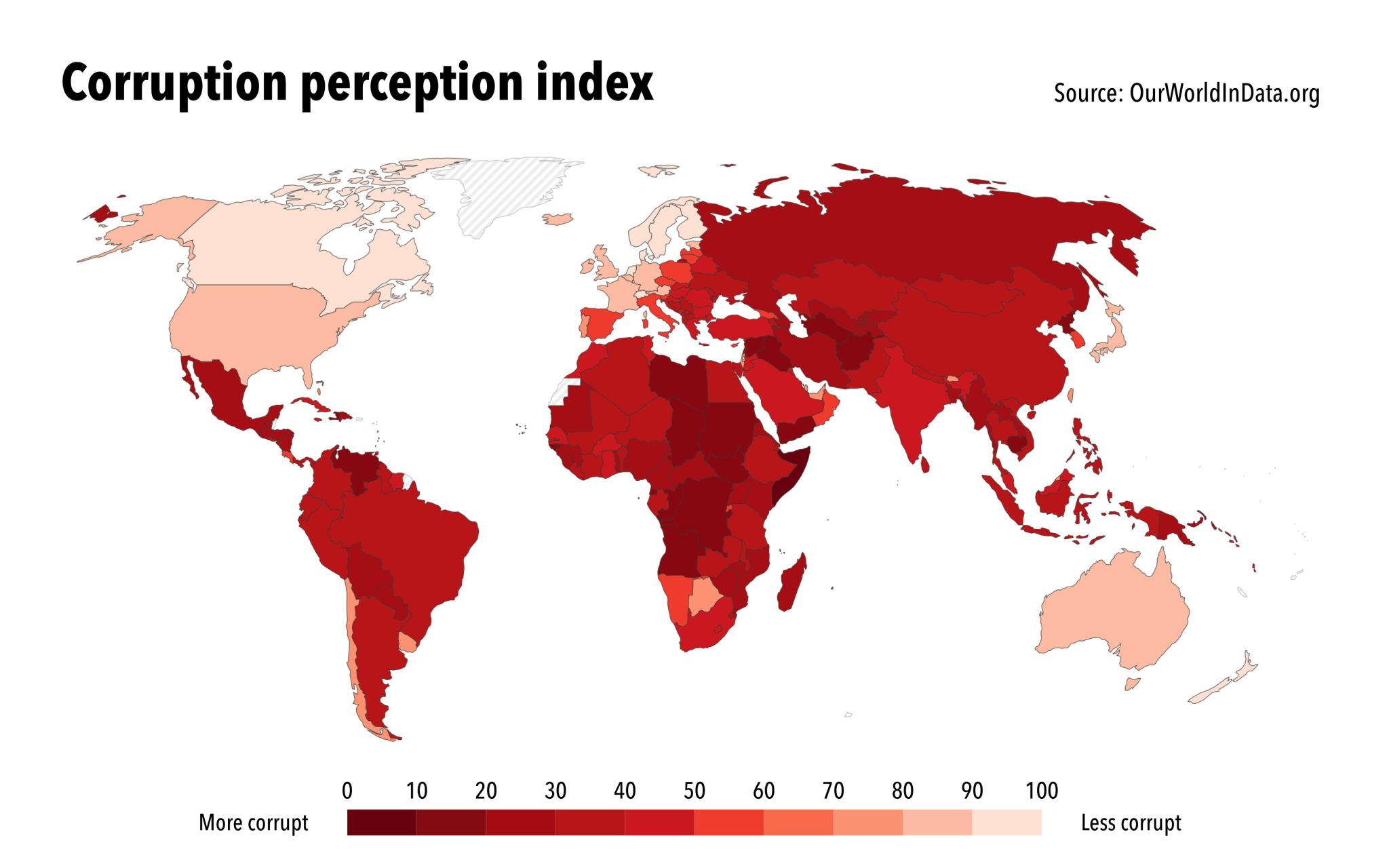
Global corruption indices assess public-sector integrity through expert analysis, business confidence surveys, and institutional performance reviews. Britain’s movement downward in 2026 has drawn attention because of its long-standing reputation for administrative reliability. According to governance specialists, the UK corruption ranking now reflects doubts about whether ethical standards are being enforced consistently across political and public institutions.
Although Britain remains above the global average, its relative position among advanced democracies has shifted noticeably.
Oversight Institutions Face Renewed Examination
Britain’s accountability framework includes parliamentary committees, ethics advisers, and regulatory watchdogs designed to monitor conduct in public office. Critics argue that these bodies often lack the independence or authority required to impose meaningful consequences. These limitations are frequently cited by analysts assessing changes in the UK corruption ranking.
Delayed investigations and narrow enforcement powers have contributed to the perception that accountability mechanisms struggle to keep pace with political realities.
Lobbying Transparency Emerges as a Central Issue
Lobbying practices have become one of the most debated governance topics in Britain. While lobbying is regulated, transparency advocates argue that disclosure rules do not fully capture informal influence channels. These concerns increasingly shape external evaluations that influence the UK corruption ranking.
Policy experts have called for stronger real-time disclosure systems and clearer boundaries between public office and private advisory roles.
Public Trust Shows Signs of Erosion
Public confidence plays a crucial role in shaping international governance assessments. Surveys conducted over recent years indicate rising skepticism toward political decision-making and fairness. Analysts note that this erosion of trust feeds directly into perception-based indicators that affect the UK corruption ranking.
A senior democratic governance researcher said,
“When accountability feels uneven, citizens disengage, and that loss of confidence becomes visible internationally.”
Economic Reputation and Long-Term Risk Perception
Governance standards increasingly influence economic credibility. International investors now incorporate integrity indicators into risk evaluations, particularly when assessing countries with large public procurement markets. A declining UK corruption ranking has prompted discussion among analysts about reputational exposure over the long term.
While Britain remains a major investment destination, experts caution that governance perceptions can subtly shape future capital decisions.
How Governance Standards Evolved Over Decades
For much of the modern era, Britain was widely regarded as a model of institutional stability, supported by strong civil service traditions and predictable legal frameworks. These characteristics helped sustain a high UK corruption ranking for many years and reinforced global confidence in British governance.
However, scholars argue that institutions designed for earlier political environments have struggled to adapt to modern pressures such as accelerated policymaking, media scrutiny, and complex financial influence networks.
Comparison With Peer Democracies Worldwide
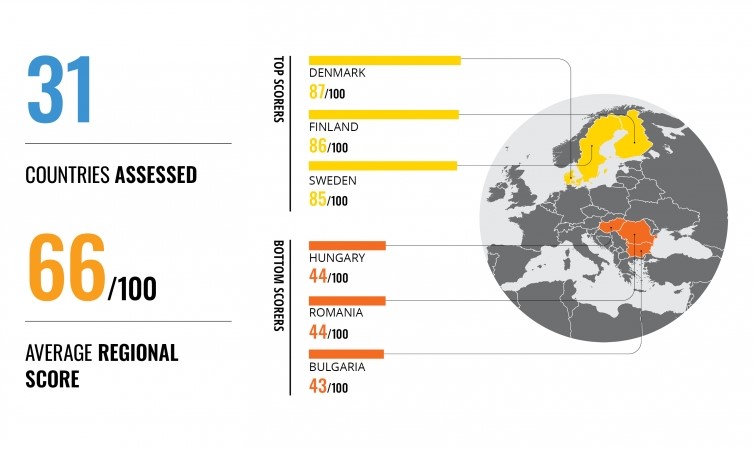
Several advanced democracies have stabilized or improved their positions through aggressive enforcement and independent oversight reforms. Britain’s slower pace of institutional change has contributed to its slide in the UK corruption ranking, according to comparative governance studies.
Analysts consistently highlight enforcement credibility, rather than legislative volume, as the determining factor in international perception.
Investigative Journalism and Civic Oversight
Media investigations and civil society organizations have played an increasingly prominent role in highlighting governance shortcomings. Their findings often inform expert assessments that shape international indicators linked to the UK corruption ranking.
A transparency advocate commented,
“Exposure matters, but accountability only follows when institutions are willing to act.”
Official Responses and Political Debate Intensify
Government officials have acknowledged international concern and emphasized proposed reforms targeting ethics oversight and procurement transparency. Critics argue that without structural independence for regulators, improvements to the UK corruption ranking may remain limited.
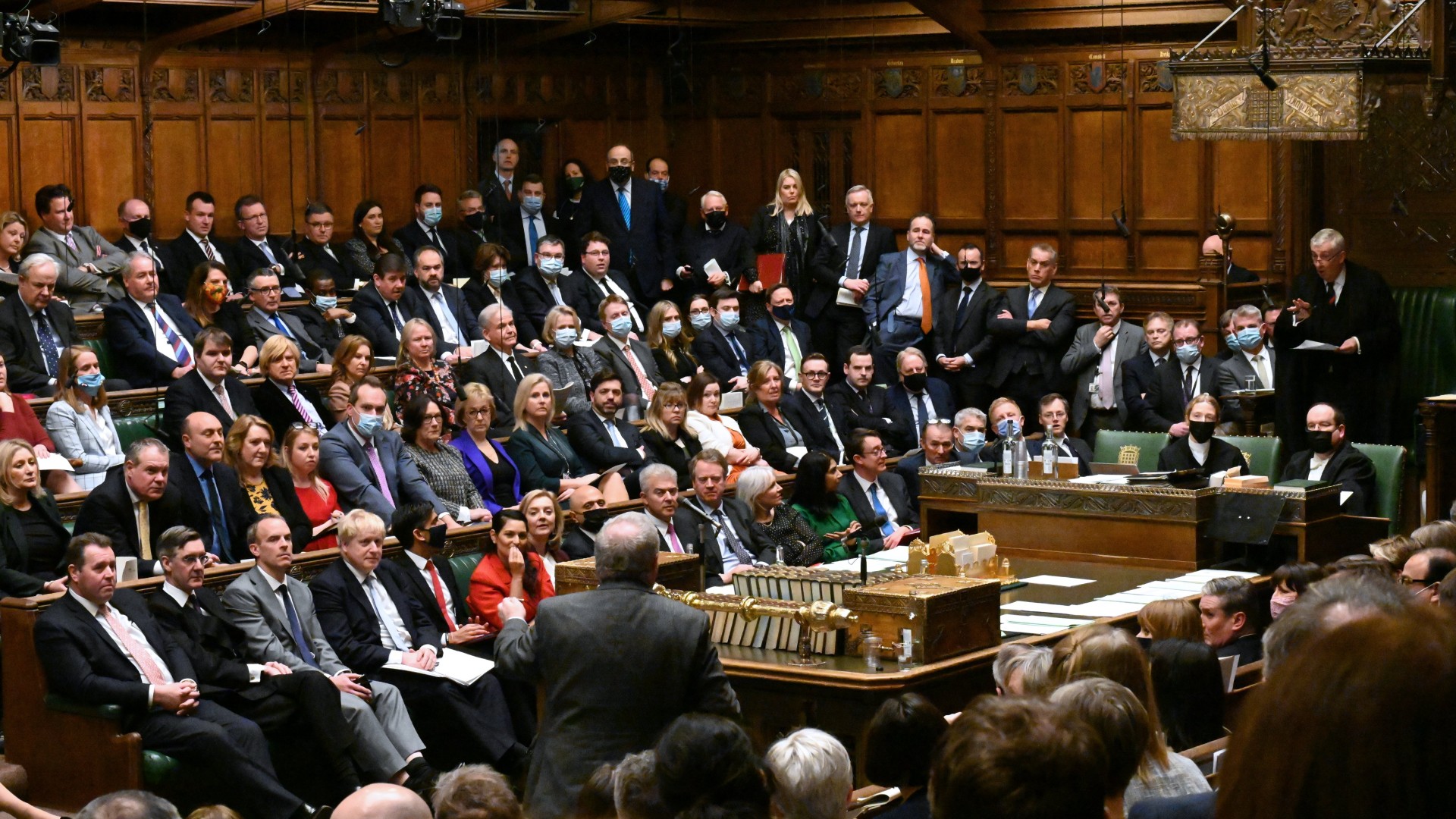
Parliamentary debate in early 2026 suggests growing political awareness, though legislative progress has been gradual.
Digital Governance Brings New Accountability Challenges
The digital transformation of public administration has accelerated decision-making processes but introduced new oversight risks. Automated systems and fast-track procurement mechanisms raise questions about transparency. Analysts warn these developments could further influence the UK corruption ranking if safeguards are not modernized.
Experts stress that governance frameworks must evolve alongside technology to remain credible.
Role of Citizens in Democratic Resilience
Active civic engagement remains a critical defense against corruption risk. Researchers argue that informed citizens, accessible public data, and participatory oversight strengthen democratic resilience and shape perceptions influencing the UK corruption ranking.
Long-term reform, they say, depends as much on public vigilance as institutional change.
Strategic Consequences for Britain’s Global Standing
Governance credibility increasingly shapes diplomatic influence. As geopolitical competition intensifies, a weakened UK corruption ranking may reduce Britain’s authority when advocating democratic norms abroad.
One international policy adviser noted,
“Trust in governance is now a form of soft power.”
Reform Priorities Identified by Governance Experts
Specialists outline clear priorities for restoring confidence, including empowering watchdog agencies, enforcing conflict-of-interest rules, and strengthening whistleblower protections. Without sustained commitment, analysts warn that progress in the UK corruption ranking could remain fragile.
Reputation, they emphasize, follows consistent action rather than policy announcements.
Long-Term Democratic Outlook for the United Kingdom
As Britain navigates political, economic, and social uncertainty, governance integrity has emerged as a defining challenge. The future trajectory of the UK corruption ranking will influence both international perception and domestic trust in public institutions.
Decisions taken during 2026 are expected to shape Britain’s credibility well into the next decade.
Britain’s Defining Test of Transparency and Trust
With global attention fixed on accountability and institutional integrity, Britain stands at a defining crossroads.
Rising scrutiny from international observers has intensified pressure on institutions to demonstrate transparency in action, not just in principle.
Public confidence, once considered a national strength, now depends on visible enforcement and credible reform.
How leaders respond will shape trust at home and Britain’s reputation abroad.
The choices made in this moment will determine whether confidence can be restored or whether doubts deepen further.