

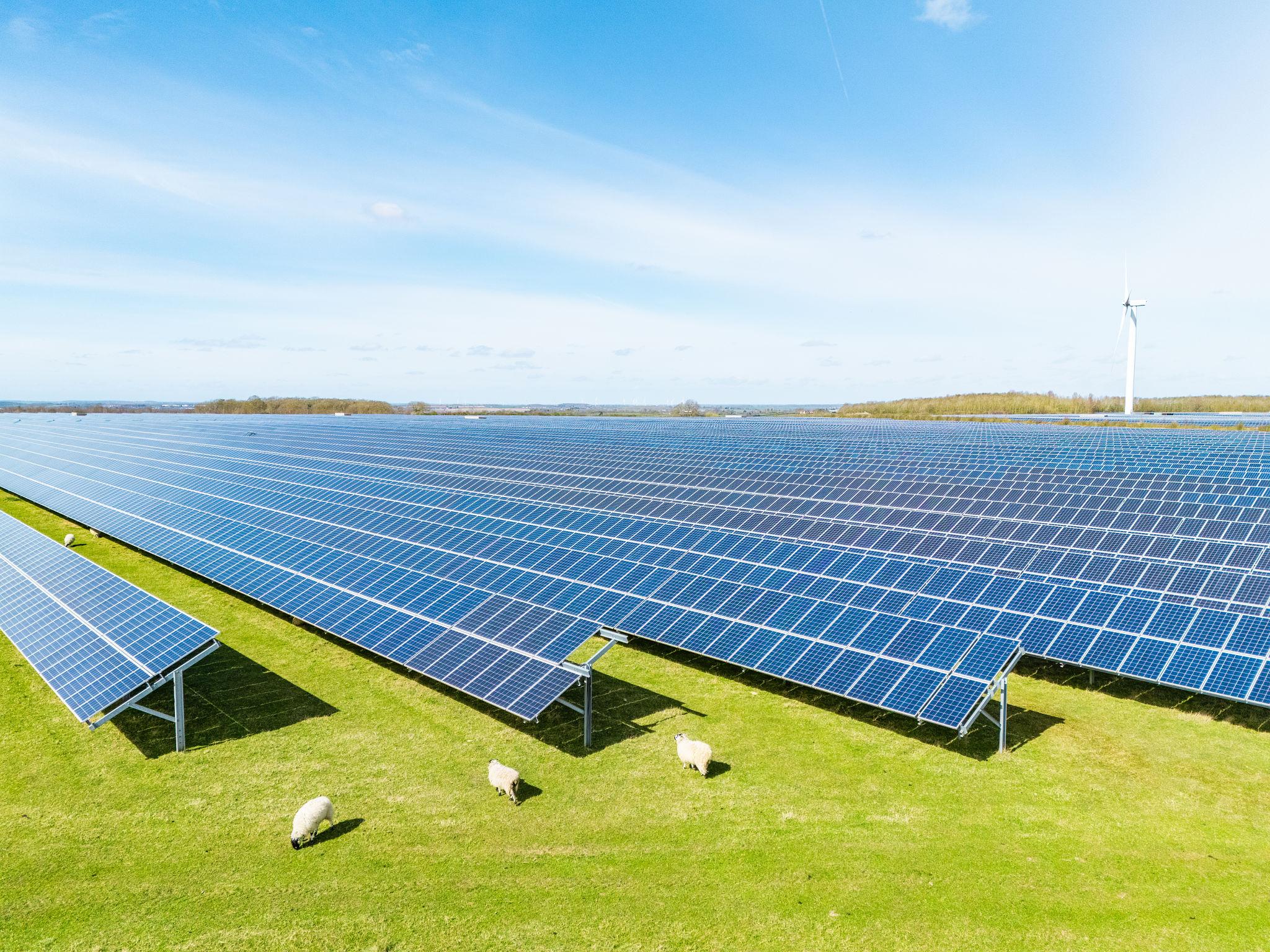
London, United Kingdom, APRIL 21, 2026 ( Parliament Politics Magazine ) UK energy policy update signals a major shift in how electricity prices are determined, as the government moves to weaken the link between electricity and natural gas costs. The reform is aimed at stabilizing energy bills, improving affordability, and aligning pricing with the country’s growing reliance on renewable energy.
The policy change reflects mounting pressure to address volatility in energy markets, particularly after years of sharp fluctuations in gas prices that have directly impacted electricity costs for households and businesses.
Structural Reform Targets Energy Pricing System
The latest UK energy policy update focuses on addressing structural inefficiencies in the electricity market. Under the current model, electricity prices are often dictated by the marginal cost of gas-fired power generation.
This means that even when renewable energy sources—such as wind and solar—produce cheaper electricity, prices remain tied to higher gas costs.
A government official stated:
“This UK energy policy update is designed to ensure consumers benefit from lower-cost renewable energy while reducing exposure to global gas price shocks.”
The goal is to create a pricing system that more accurately reflects the actual cost of generating electricity.
Renewable Energy Growth Accelerates Policy Changes
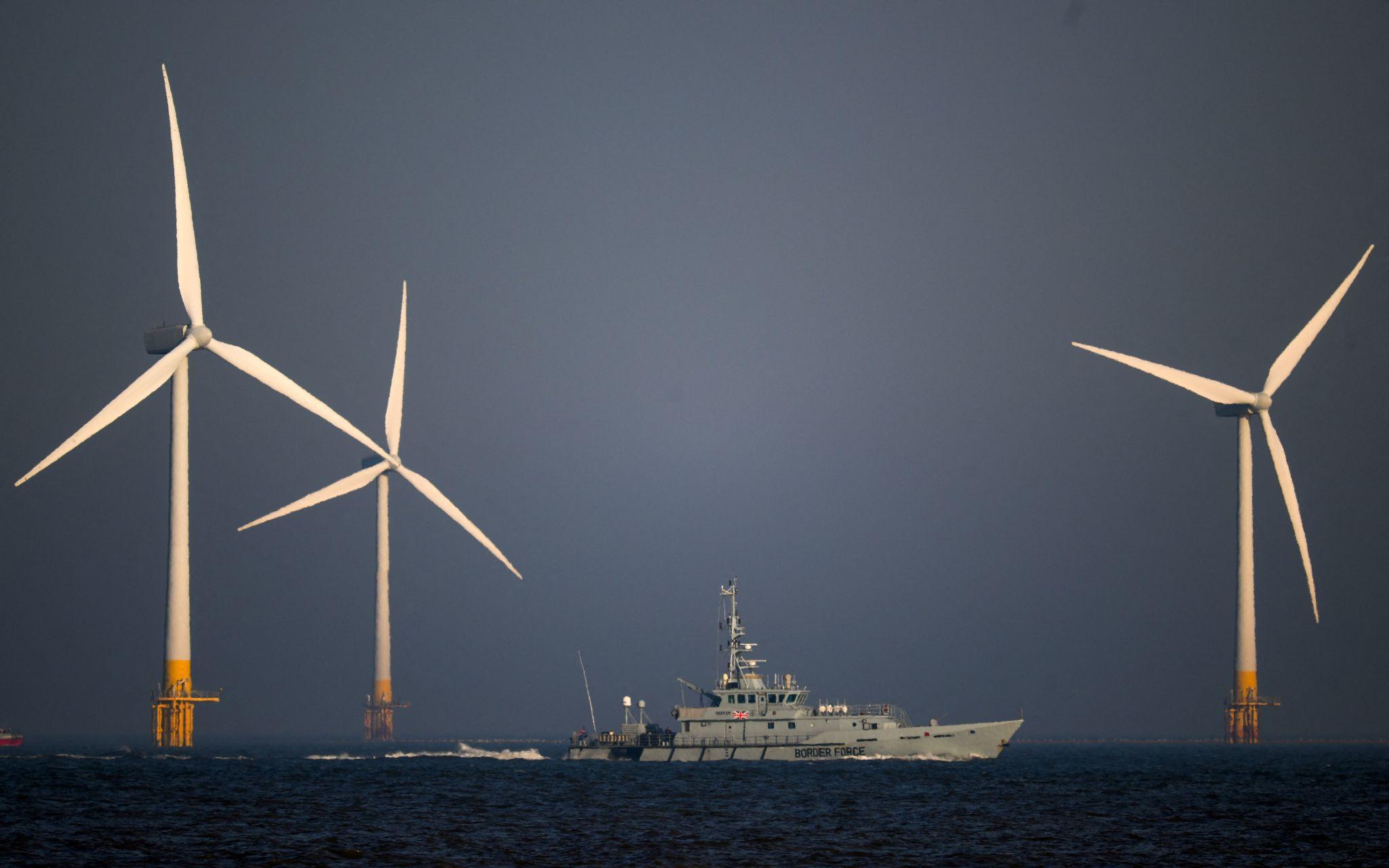
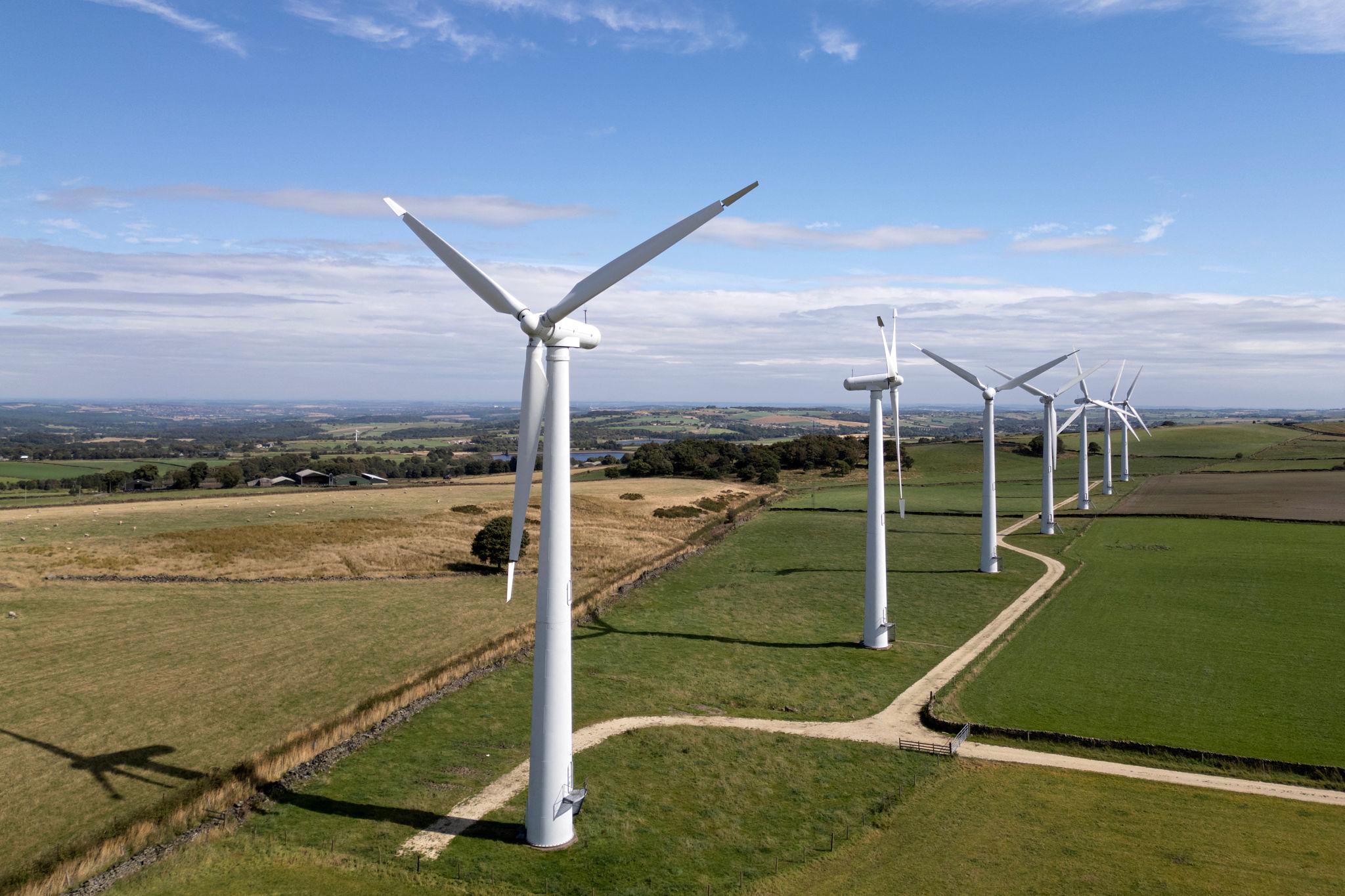
The UK energy policy update comes at a time when renewable energy is playing an increasingly dominant role in the national grid. The UK has significantly expanded its capacity in wind and solar power, reducing reliance on fossil fuels.
However, consumers have not fully experienced the financial benefits of this transition due to the pricing mechanism linked to gas.
Key drivers behind the reform include:
- Expansion of renewable energy capacity
- Volatility in international gas markets
- Rising pressure on household energy bills
- Long-term sustainability goals
By adjusting pricing structures, the government aims to ensure that renewable energy contributes to lower electricity costs.
Impact on Households and Businesses
The UK energy policy update is expected to influence millions of consumers and businesses across the country. Energy affordability has become a critical issue, particularly amid broader economic pressures.
Potential outcomes include:
- More stable electricity bills
- Reduced impact of gas price spikes
- Improved cost predictability for businesses
- Enhanced competitiveness for industries
While these benefits are anticipated, analysts note that the transition may take time to fully materialize.
Industry Reaction and Market Implications
The UK energy policy update has generated mixed responses from industry stakeholders. Energy companies are evaluating how the changes will affect pricing models, investment strategies, and overall market dynamics.
Supporters argue that the reform is necessary to modernize the energy system and encourage renewable investment. Critics, however, warn about potential uncertainty and implementation challenges.
Market implications include:
- Adjustments in energy pricing mechanisms
- Potential shifts in investment flows
- Regulatory changes affecting energy providers
- Long-term impact on profitability
The government has indicated that it will engage with industry participants to ensure a balanced approach.
Implementation Challenges Remain Significant
Despite its potential benefits, the UK energy policy update faces several implementation challenges. The existing system is complex and deeply embedded in the energy market.
Key challenges include:
- Redesigning electricity market structures
- Maintaining grid stability
- Balancing supply and demand efficiently
- Preserving investor confidence
Experts emphasize that careful execution will be essential to avoid disruptions.
Broader Energy Policy Implications
The UK energy policy update is part of a broader strategy to transition toward a low-carbon energy system. By reducing the influence of gas on electricity pricing, the government aims to accelerate the shift to renewable energy.
This aligns with long-term objectives such as:
- Lowering carbon emissions
- Enhancing energy security
- Promoting green innovation
- Building a resilient energy infrastructure
The reform reflects a global trend as countries adapt their energy policies to changing technological and environmental conditions.
Investor Focus on Stability and Returns
Investors are closely monitoring the UK energy policy update, as it could reshape the energy sector’s financial landscape. Stability and predictability are key concerns for market participants.
Factors influencing investor sentiment include:
- Clarity of regulatory frameworks
- Long-term profitability outlook
- Market competitiveness
- Policy consistency
The success of the reform may depend on maintaining confidence among investors while implementing changes.
Risks That Could Influence Outcomes
The UK energy policy update carries several risks that could impact its effectiveness:
- Delays in implementation
- Resistance from industry stakeholders
- External shocks in global energy markets
- Infrastructure and technological constraints
Addressing these risks will be critical to achieving the desired outcomes.
Outlook for 2026 and Beyond
The UK energy policy update represents a significant turning point in the country’s energy landscape. While challenges remain, the reform has the potential to deliver long-term benefits if implemented effectively.
The coming months will determine:
- The pace of implementation
- The impact on energy prices
- Market adaptation to new structures
- Long-term sustainability
UK Energy Policy Update Key Takeaways
The UK energy policy update marks a major effort to decouple electricity prices from volatile gas markets. By reshaping pricing mechanisms, the government aims to create a more stable and affordable energy system.
While the reform could benefit consumers and businesses, its success will depend on careful execution and industry cooperation. The transition is complex, but it may redefine how energy is priced in the UK for years to come.