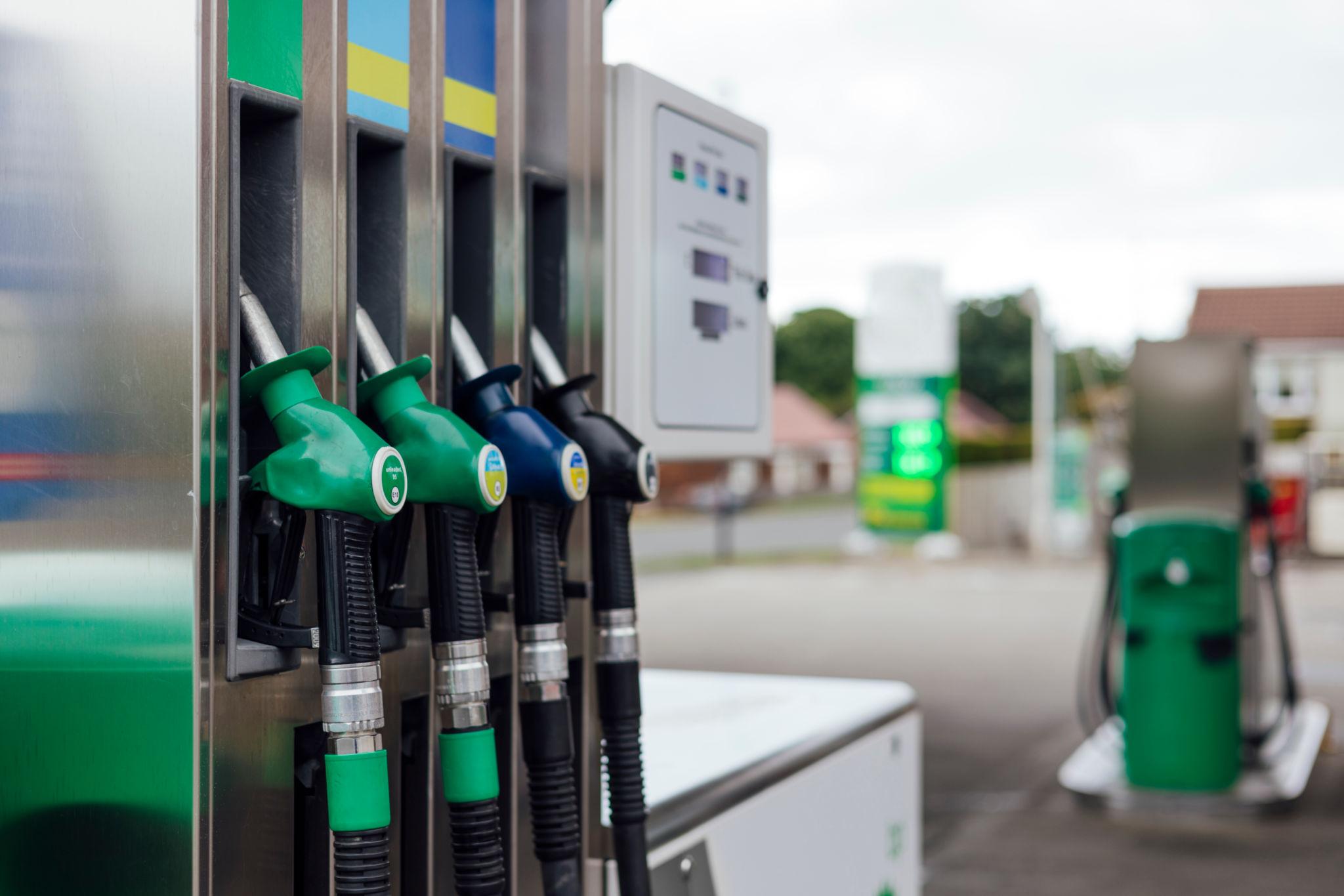
UK fuel prices are under close scrutiny after reports suggested the government may cancel a planned fuel tax increase.
Officials are reportedly concerned about inflation, household budgets, and transportation costs in 2026.
Analysts say fuel-related policies could significantly influence consumer confidence and economic activity.
LONDON, United Kingdom (Parliament Politics Magazine) UK fuel prices are once again at the center of economic and political discussions after reports suggested the British government may abandon a planned increase in fuel taxes amid growing concerns over inflation and household affordability.
According to reports circulating in British media, officials are reviewing the potential impact of higher fuel duties on consumers, transportation industries, and broader economic stability as cost-of-living pressures continue affecting households nationwide.
The possible reversal has drawn attention from financial analysts, transportation groups, and consumers who remain highly sensitive to fuel-related expenses after several years of elevated inflation and economic uncertainty.
“Fuel costs influence nearly every aspect of consumer spending and business activity,”
one UK economist said.
Cost-of-Living Pressure Continues Across Britain
The latest debate surrounding UK fuel prices reflects broader concerns about inflation and rising living costs throughout the country.
British households continue facing pressure tied to housing costs, food prices, energy bills, transportation expenses, and interest rates. Analysts say fuel costs remain particularly important because they directly affect commuting, logistics, retail pricing, and commercial transportation.
Higher petrol and diesel prices often increase costs across multiple industries because transportation remains critical to supply chain operations.
Economic experts believe maintaining stable fuel costs could help reduce additional pressure on household budgets while supporting consumer confidence during uncertain economic conditions.
Several consumer groups have also warned that higher transportation costs could reduce spending power for millions of families already managing tighter budgets.
Government Faces Economic and Political Challenges
The reported reconsideration of planned fuel duty increases highlights the political sensitivity surrounding UK fuel prices and their impact on voters.
Government officials are reportedly evaluating how higher fuel costs could affect inflation, consumer spending, and economic growth during 2026.
Political analysts note that fuel prices often become major public issues because they affect drivers across urban, suburban, and rural areas alike.
Transportation and logistics industries have also expressed concern that higher fuel taxes could increase operating costs and place additional strain on businesses still recovering from recent economic disruptions.
The UK government has not yet formally confirmed final decisions regarding future fuel tax policy, though reports surrounding the issue have already generated significant public interest.
Transportation Industry Monitors Developments Closely
The transportation sector remains one of the industries most directly affected by changes in UK fuel prices because fuel expenses represent a major operating cost.
Logistics firms, delivery companies, trucking operators, public transit providers, and independent drivers all remain sensitive to fluctuations in petrol and diesel costs.
Industry representatives argue that higher fuel expenses can increase shipping costs, reduce profit margins, and contribute to broader inflationary pressure throughout the economy.
Several transportation organizations have urged policymakers to consider the wider economic consequences tied to fuel-related taxation.
Analysts say stable transportation costs may help support supply chain reliability and business confidence during periods of slower economic growth.
“Transportation expenses influence prices across nearly every major industry,”
a logistics market analyst stated.

Inflation Remains Central Economic Concern
Inflation continues shaping economic policy discussions throughout the United Kingdom and other major economies worldwide.
The ongoing focus on UK fuel prices reflects concerns that rising transportation costs could contribute to broader inflation pressures affecting consumers and businesses.
Although inflation rates have eased compared to previous highs, many economists warn that essential living expenses remain elevated across several sectors.
Higher fuel prices can quickly affect grocery costs, delivery expenses, airline pricing, manufacturing operations, and consumer services.
Central banks and governments remain cautious about introducing policies that could worsen inflation or weaken consumer spending.
Several analysts believe policymakers are increasingly focused on balancing tax revenue needs with affordability concerns and economic stability.
Energy Markets Continue Influencing Fuel Costs
Global energy markets remain highly volatile due to geopolitical tensions, supply chain disruptions, production decisions, and international demand fluctuations.
The future direction of UK fuel prices will likely remain tied closely to global oil markets and broader energy sector developments.
Crude oil prices continue influencing petrol and diesel costs throughout Europe, while currency fluctuations and refining expenses also affect domestic pricing.
Energy analysts warn that international geopolitical events could continue creating uncertainty for transportation and fuel markets throughout 2026.
Several governments worldwide remain focused on energy security, fuel affordability, and long-term infrastructure planning as part of broader economic strategies.
Historical Cycles of Fuel Price and Tax Pressure
Fuel prices and energy-related taxes have historically influenced economic policy, inflation trends, and political sentiment across major economies.
Historical Cycles Table
| Period | Economic Event | Market Impact |
|---|---|---|
| 2008 | Global Oil Price Surge | Consumer Spending Pressure |
| 2011 | Fuel Protests in Europe | Political Backlash |
| 2020 | Pandemic Energy Collapse | Fuel Price Volatility |
| 2022–2026 | Inflation & Energy Costs | Fuel Tax Debate |
Analysts say fuel-related policy decisions often become politically important during periods of inflation and slower economic growth.
Consumers Watch Fuel Costs Carefully
For many households, UK fuel prices remain one of the most visible indicators of economic conditions and inflation pressure.
Drivers often adjust spending behavior based on transportation expenses, particularly during periods of economic uncertainty.
Retail businesses, restaurants, tourism operators, and service industries are also affected when higher fuel costs reduce discretionary consumer spending.
Economists say stable fuel prices may help support confidence within the broader economy by reducing financial stress for consumers and businesses alike.
At the same time, governments continue facing long-term challenges related to infrastructure funding, environmental policy, and energy transition initiatives.
Financial Markets React to Economic Policy Signals
Investors are also monitoring developments involving UK fuel prices because transportation costs influence inflation expectations and economic growth projections.
Fuel-related policies can affect consumer confidence, retail sales, transportation stocks, and broader market sentiment.
Several market analysts believe avoiding higher fuel taxes could provide temporary economic support by reducing additional financial pressure on households.
However, concerns surrounding inflation, energy market volatility, and slowing economic growth continue influencing investor expectations.
Financial strategists expect energy costs and inflation trends to remain central issues affecting global markets throughout 2026.
“Governments are increasingly balancing affordability concerns with economic and fiscal realities,”
another market strategist noted.

Outlook for Fuel Costs and Economic Policy
The reported decision to reconsider fuel tax increases may signal broader efforts by policymakers to reduce financial pressure on consumers and businesses.
Analysts believe UK fuel prices will remain an important issue throughout 2026 as inflation, transportation costs, and economic uncertainty continue influencing government policy decisions.
The broader challenge for policymakers involves balancing public affordability, environmental objectives, and fiscal stability while maintaining economic growth.
Consumers and investors alike are expected to continue monitoring developments closely as global energy markets remain volatile.