


London, February 16, 2026 — According to Parliament News, that UK industrial investment is accelerating as British firms intensify efforts to secure large scale acquisitions across the United States. Financial markets in London are closely watching negotiations that could reshape cross border ownership structures and deepen commercial integration between two of the world’s largest economies.
Banking sources indicate that deal pipelines have expanded notably in early 2026. While specific transaction details remain confidential, analysts describe a pattern of strategic targeting rather than opportunistic buying. The renewed activity suggests confidence in long term industrial fundamentals, particularly in sectors tied to manufacturing, infrastructure modernization, and energy systems.
Executives involved in discussions say that capital deployment strategies have shifted from defensive posturing toward disciplined expansion. That pivot has placed UK industrial investment at the center of transatlantic economic dialogue this year.
Strengthening Transatlantic Financial Ties
The economic relationship between the United Kingdom and the United States has long been characterized by deep financial integration. Investment banks, institutional funds, and private equity groups frequently collaborate across borders, supported by comparable regulatory frameworks and established legal protections.
In 2026, this collaboration appears to be intensifying. Advisory firms report an increase in cross border mandates linked to UK industrial investment, particularly in transactions involving mid to large scale industrial operators. American assets are viewed as resilient, benefiting from diversified domestic demand and strong capital markets access.
The renewed flow of capital underscores the role of London as a global financial center. Even amid shifting geopolitical dynamics, British firms continue to leverage expertise in structuring complex acquisitions that align with long term growth objectives.
Strategic Drivers Behind the Expansion Wave
Several interconnected factors explain why UK industrial investment is surging in 2026.
First is diversification. Companies are seeking to reduce exposure to regional economic fluctuations by expanding operations internationally. The United States offers scale and sector diversity that can balance domestic market risks.
Second is operational integration. Acquiring established American firms provides immediate access to supply chains, skilled labor, and customer bases. This reduces the time required to build infrastructure from scratch and enhances earnings visibility.
Third is technology collaboration. Many American industrial firms are at the forefront of automation, digital manufacturing, and advanced materials development. By participating in this ecosystem, British investors can strengthen their own competitive positioning.
These drivers collectively shape the current trajectory of UK industrial investment, positioning it as a strategic long term initiative rather than a short lived surge.
Market Conditions and Capital Environment in 2026
The global mergers and acquisitions landscape in 2026 reflects stabilization following years of volatility. Interest rates have adjusted to more predictable levels, allowing corporate boards to plan financing structures with greater clarity.
Investment bankers say that valuation gaps between buyers and sellers have narrowed compared to prior periods. This convergence has reopened conversations that were previously paused. For firms pursuing UK industrial investment, the environment now offers a blend of disciplined pricing and long term upside potential.
Currency dynamics remain an important consideration. Fluctuations between the pound and the dollar can influence final deal valuations, though hedging mechanisms help mitigate exposure. Experienced financial teams are actively structuring transactions to account for exchange variability.

Targeted Sectors Drawing British Attention
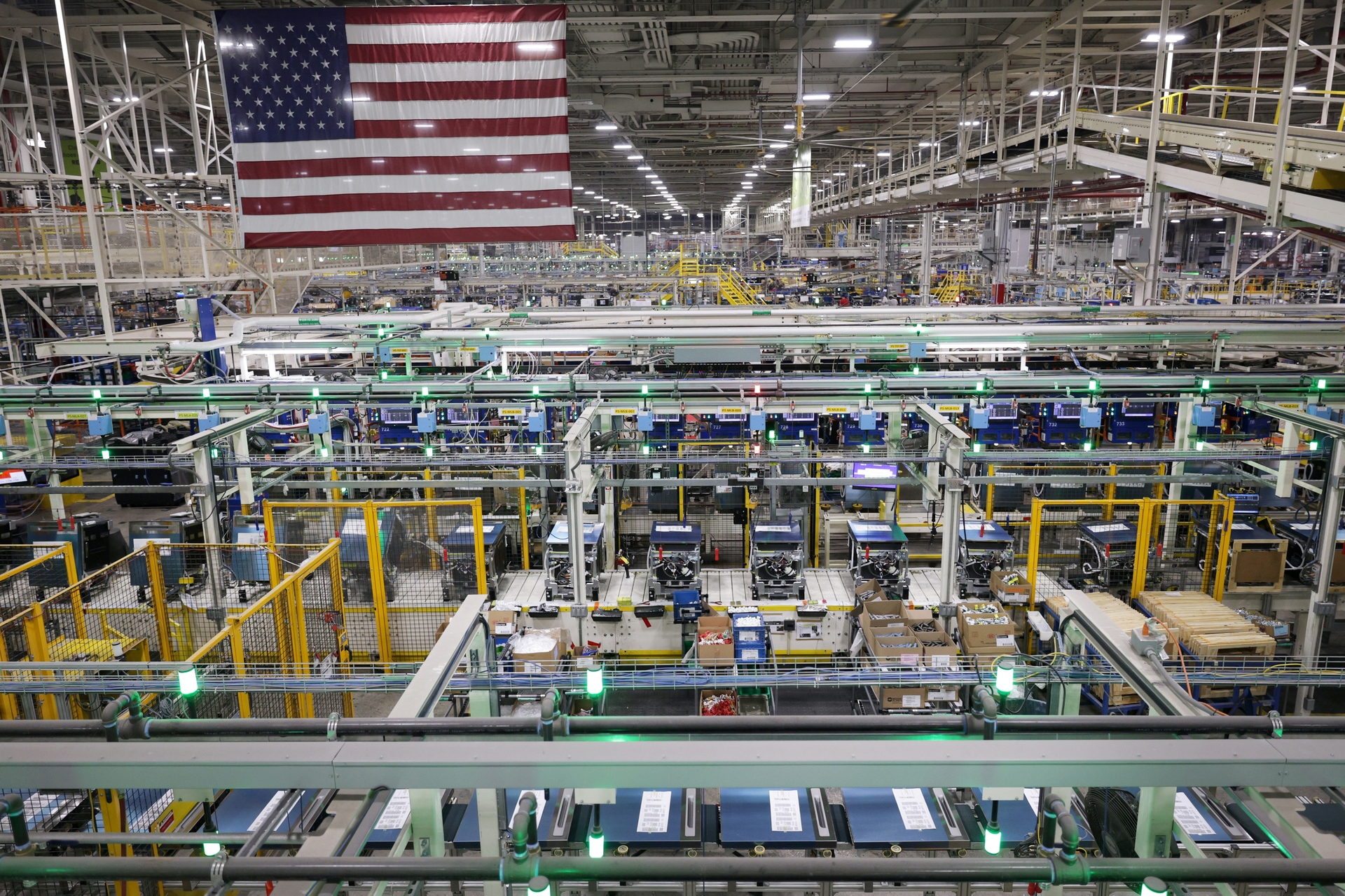
Industrial manufacturing remains a primary focus. Companies tied to advanced production, heavy equipment, and component assembly are considered attractive due to stable demand patterns.
Energy infrastructure is another sector under evaluation. Modernization initiatives across American power grids, transportation systems, and logistics hubs create opportunities for long term capital appreciation. Observers note that UK industrial investment in these areas may align with broader sustainability goals and infrastructure resilience planning.
Specialized service providers, including engineering consultancies and maintenance contractors, are also on investor radar. These firms often generate recurring revenue streams and operate under multi year contracts that provide earnings stability.
The selection of sectors will ultimately determine whether this expansion phase delivers enduring value for shareholders.
Financial Structures and Funding Strategies
Transactions approaching multi billion dollar valuations require balanced financing frameworks. Equity contributions, structured debt instruments, and co investment partnerships are all being considered.
Institutional investors appear supportive of UK industrial investment initiatives that demonstrate disciplined leverage ratios and clear integration roadmaps. Transparency in communication is essential for maintaining investor confidence, particularly when transactions involve complex cross border components.
Corporate boards are emphasizing due diligence processes that evaluate operational efficiency, workforce alignment, and regulatory compliance. Such preparation reduces the likelihood of unexpected post acquisition disruptions.
Regulatory Landscape and Compliance Review
Cross border acquisitions typically require approvals from regulatory authorities in both jurisdictions. While most industrial transactions proceed without significant obstacles, comprehensive compliance preparation remains critical.
Legal advisors emphasize that UK industrial investment transactions must address antitrust considerations, labor regulations, and environmental standards. Thorough documentation and proactive engagement with oversight bodies can streamline approval timelines.
Policy stability in 2026 has contributed to renewed investor confidence. Clear regulatory frameworks allow buyers to model financial projections with greater certainty.
Economic Ripple Effects Across Markets
Large acquisitions can generate substantial economic impact. When new capital enters established industrial operations, facilities often undergo modernization and capacity expansion. This can create employment opportunities and strengthen supplier networks.
In the United Kingdom, successful cross border expansion reinforces the nation’s role as a capital exporter and strategic investor. Meanwhile, American communities may benefit from enhanced infrastructure and operational upgrades.
Economists tracking UK industrial investment trends suggest that sustained collaboration between the two economies supports innovation and productivity gains.
Investor Sentiment and Market Reactions
Equity analysts are closely monitoring announcements tied to UK industrial investment. Markets typically reward transactions that enhance earnings potential and expand geographic reach.
One London based analyst remarked,
“Strategic overseas expansion signals confidence in long term industrial growth and disciplined capital management.”
This sentiment reflects cautious optimism among institutional investors who value transparency and operational rigor.
Historic Comparison
Cross border expansion is not new. In the late twentieth century, British firms pursued similar acquisition strategies in North America during periods of economic realignment. Those earlier waves of investment reshaped ownership structures in sectors ranging from automotive manufacturing to utilities.
Compared to past cycles, the current phase of UK industrial investment appears more data driven and technologically focused. Modern due diligence processes incorporate digital analytics, environmental impact modeling, and advanced financial forecasting tools. This evolution reflects broader changes in how global capital is deployed.
Risks and Integration Challenges
Despite positive indicators, risks remain inherent in large scale acquisitions. Cultural alignment, leadership continuity, and operational integration require careful management.
Supply chain disruptions or policy shifts could influence projected outcomes. Executives involved in UK industrial investment planning emphasize phased integration to minimize disruption.
Currency volatility is another factor. Although hedging strategies reduce exposure, sustained exchange rate fluctuations can affect profitability metrics.
Long Term Strategic Outlook
If current negotiations culminate in finalized agreements, UK industrial investment could establish a stronger operational footprint across key American sectors. This may enhance revenue diversification and global brand visibility for participating firms.
Corporate boards are expected to maintain disciplined evaluation standards. Shareholders increasingly demand clear integration milestones and measurable performance benchmarks.
Analysts anticipate continued monitoring of transaction announcements throughout 2026, as market participants assess the broader implications of sustained capital flows.

Structural Shifts in Global Industry
Beyond individual transactions, the broader trend signals structural shifts in industrial ownership patterns. Mature economies are leveraging capital strength to acquire complementary assets abroad.
The momentum surrounding UK industrial investment reflects confidence in industrial fundamentals and long term productivity growth. Strategic acquisitions can facilitate technology transfer, workforce training enhancements, and supply chain optimization.
These developments may contribute to stronger bilateral economic resilience.
Future Outlook Beyond 2026
Looking ahead, observers expect the pace of UK industrial investment to depend on macroeconomic stability and regulatory predictability. Continued clarity in policy frameworks will likely encourage additional cross border initiatives.
Should economic conditions remain supportive, British firms may explore deeper integration into American industrial ecosystems. This could include partnerships in research and development, joint ventures, and infrastructure modernization projects.
While uncertainties remain, the overarching narrative in 2026 is one of calculated expansion rather than speculative risk taking.
A Defining Chapter in Transatlantic Industry
The resurgence of UK industrial investment in 2026 marks a defining chapter in the evolving relationship between British capital and American enterprise. Through disciplined strategy, regulatory compliance, and operational foresight, British firms are positioning themselves for sustained global relevance.
As negotiations progress and announcements emerge, markets will gain clearer insight into the long term impact of this expansion wave. For now, the direction is evident. British industrial capital is once again looking westward with ambition grounded in strategic planning and economic opportunity.