

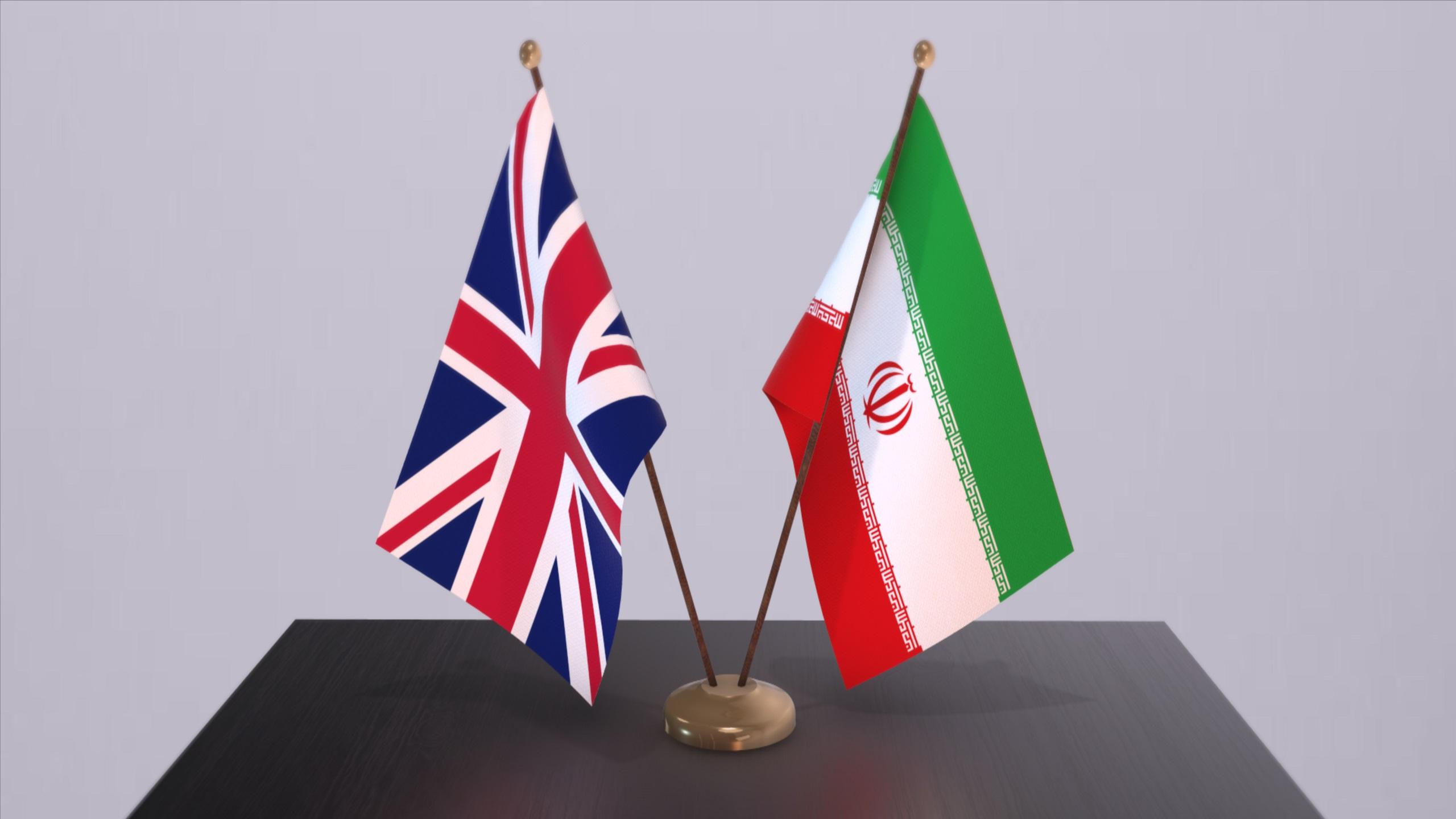
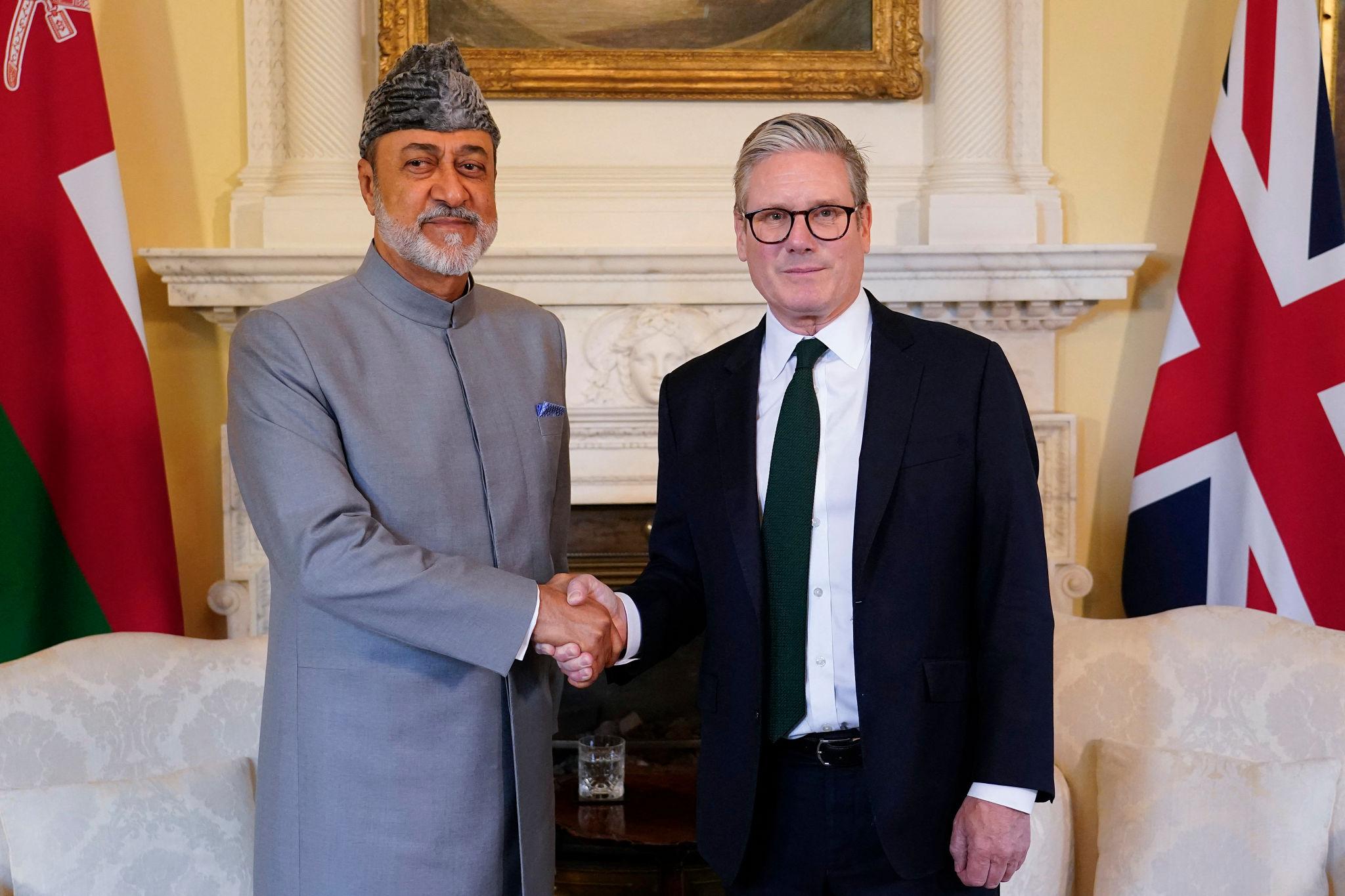
London, United Kingdom / Muscat, Oman, April 12, 2026 (Parliament Politics Magazine) UK Iran diplomacy efforts are accelerating as Prime Minister Keir Starmer and Sultan Haitham bin Tarik jointly urged the United States and Iran to avoid further escalation. The call reflects growing concern among global leaders that rising tensions could spiral into a broader regional crisis.
According to official discussions, both leaders emphasized the importance of maintaining the current ceasefire and ensuring all parties pursue dialogue rather than confrontation.
A senior diplomatic source said,
“The priority is clear—reduce tensions, rebuild trust, and prevent a wider conflict that could destabilize the region.”
Diplomatic coordination to prevent escalation
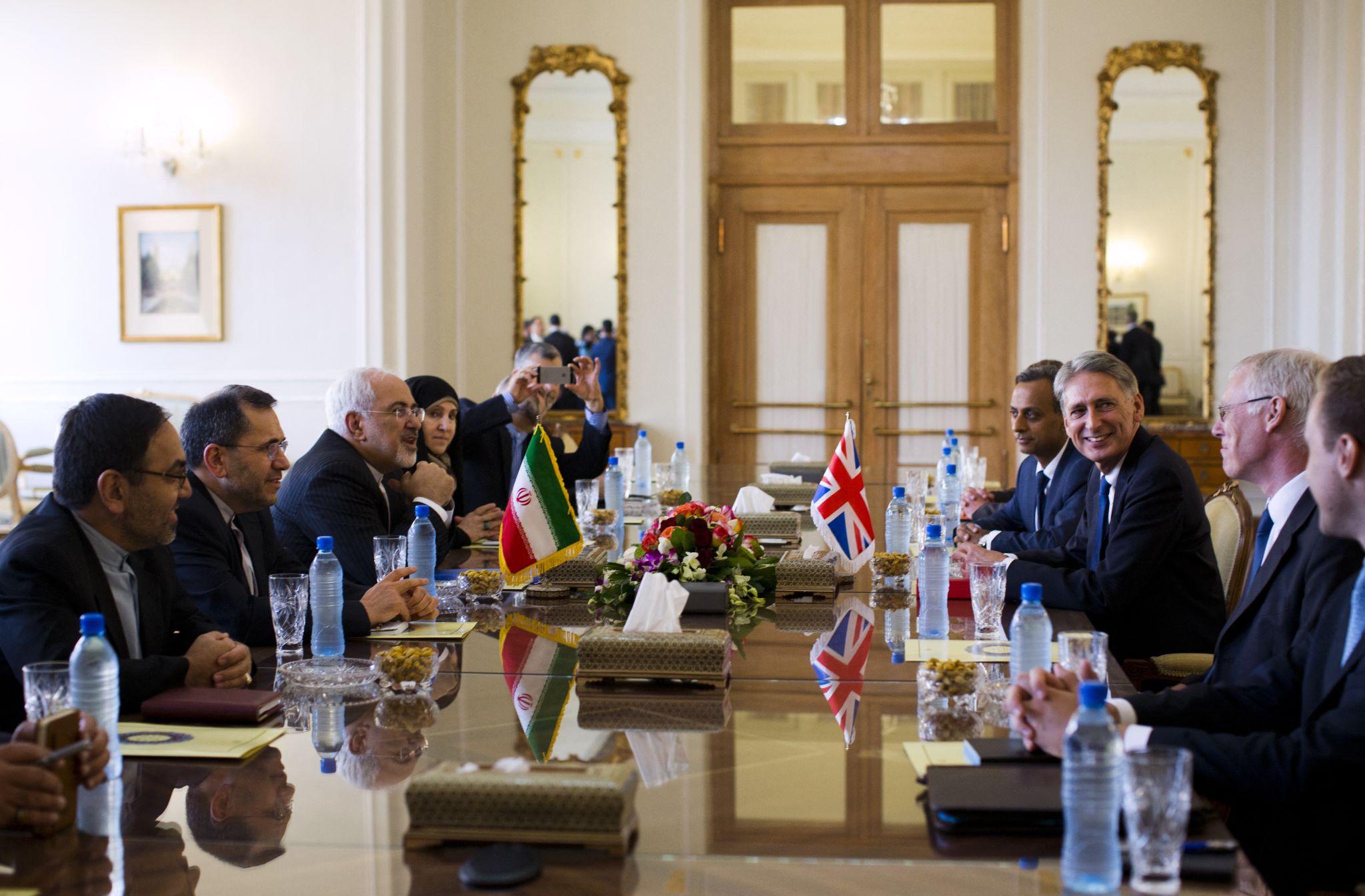
The expanding UK Iran diplomacy efforts come at a critical moment, as global stakeholders push for coordinated action to prevent further deterioration in relations. The UK has taken a leading role in advocating restraint, emphasizing diplomacy over military engagement.
Recent high-level conversations between London and regional leaders highlight a shared commitment to avoiding escalation. These discussions are part of a broader international push to maintain stability and ensure continued dialogue.
Analysts note that the UK’s diplomatic approach reflects a shift toward long-term conflict management rather than immediate military responses.
Oman’s role as a key mediator
The growing focus on UK Iran diplomacy efforts also underscores the importance of Oman’s involvement. Historically, Oman has played a quiet but effective role in facilitating dialogue between opposing sides.
Its ability to maintain open channels with multiple actors makes it a valuable partner in efforts to de-escalate tensions. Oman’s leadership has been actively engaged in supporting peace discussions and ensuring communication remains open.
Experts suggest that Oman’s mediation could prove critical in sustaining momentum toward a negotiated solution.
A fragile ceasefire under pressure
The current situation surrounding UK Iran diplomacy efforts is shaped by a fragile ceasefire that remains under significant strain. While the ceasefire has provided temporary relief, concerns persist about its long-term viability.
Leaders have stressed that maintaining this pause in hostilities is essential for creating space for negotiations. However, ongoing tensions and isolated incidents continue to challenge stability.
Recent developments show that diplomatic engagement is essential to prevent the ceasefire from collapsing.
Global implications of rising tensions
The urgency behind UK Iran diplomacy efforts is driven by the broader implications of potential escalation. A conflict involving major powers in the region could disrupt global trade, energy supplies, and international security.
The Strait of Hormuz, a critical route for global oil shipments, remains a focal point of concern. Disruptions in this region could have far-reaching economic consequences.
Experts warn that even limited escalation could trigger widespread instability, making diplomatic solutions increasingly important.
UK strategy focuses on restraint and stability
Prime Minister Keir Starmer has consistently emphasized restraint as a cornerstone of the UK’s foreign policy approach. The UK Iran diplomacy efforts reflect a deliberate decision to prioritize dialogue over direct military involvement.
This approach has drawn both support and criticism, but it aligns with broader international calls for de-escalation. The UK’s strategy focuses on maintaining stability while working with allies to address underlying tensions.
A policy analyst stated,
“Diplomacy is the only sustainable path forward. The risks of escalation are simply too high.”
Challenges facing diplomatic efforts
Despite progress, UK Iran diplomacy efforts face significant challenges. Deep-rooted mistrust between parties, competing geopolitical interests, and ongoing regional instability all complicate negotiations.
Maintaining momentum in diplomatic talks requires sustained engagement and a willingness to compromise. However, achieving consensus remains difficult in an environment marked by uncertainty.
Observers note that any breakdown in communication could quickly reverse recent progress.
What happens next?
Looking ahead, UK Iran diplomacy efforts are expected to intensify as leaders seek to build on existing progress. Continued engagement, backchannel negotiations, and coordinated international efforts will be key to sustaining momentum.
The coming weeks will likely determine whether diplomatic initiatives can prevent further escalation or if tensions will continue to rise.
Global attention remains focused on the region as stakeholders work to navigate a complex and evolving situation.
Key facts and impact
The UK Iran diplomacy efforts highlight the critical importance of dialogue in preventing further escalation. With tensions high and risks significant, the role of diplomacy has never been more essential.
Joint efforts by the UK and Oman demonstrate a commitment to maintaining stability and rebuilding trust. However, the challenges remain substantial, with the potential for rapid changes in the situation.
As the global community watches closely, the success of these diplomatic efforts could shape the future of regional and international security.
