

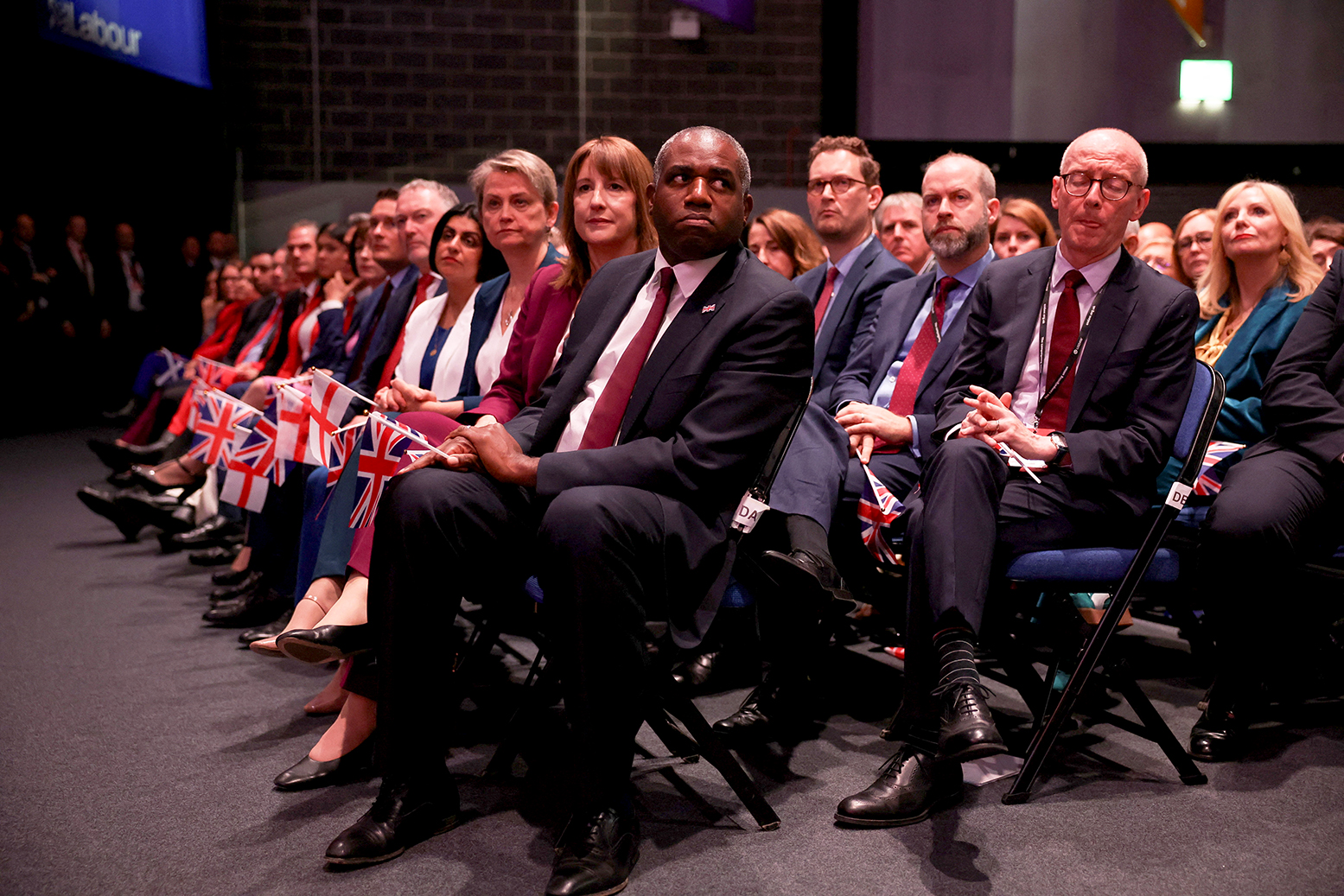
London, United Kingdom, Feruary 10, 2026 — Political debate inside Britain’s main opposition party has intensified, according to coverage by Parliament News, placing the UK Labour leadership under sustained scrutiny as senior figures weigh unity against internal concern. The developments come at a sensitive moment for Labour as it seeks to project readiness for government while managing visible disagreement within its ranks.
The situation reflects accumulated tensions rather than a single trigger, with regional voices national figures and grassroots members increasingly shaping the public conversation.
Internal Dynamics Reshape Party Debate
Labour’s internal structure has entered a period of visible strain. Senior members acknowledge that disagreement has long existed, but the current phase is marked by unusually open expression. Analysts say the UK Labour leadership must now navigate criticism in a way that preserves authority without silencing debate.
Party strategists argue that how leadership manages dissent will influence public trust more than the disagreements themselves.
Role of the Party Leader in Maintaining Cohesion
Leadership responsibility has come sharply into focus as expectations grow. Supporters of Keir Starmer emphasize stability and discipline, while critics argue that stronger engagement with internal concerns is necessary. These contrasting views have shaped commentary surrounding the UK Labour leadership and its capacity to unify a broad political coalition.
One senior Labour figure said,
“Leadership is tested not when support is easy, but when disagreement must be managed without division.”
Regional Leadership Voices Influence the Narrative
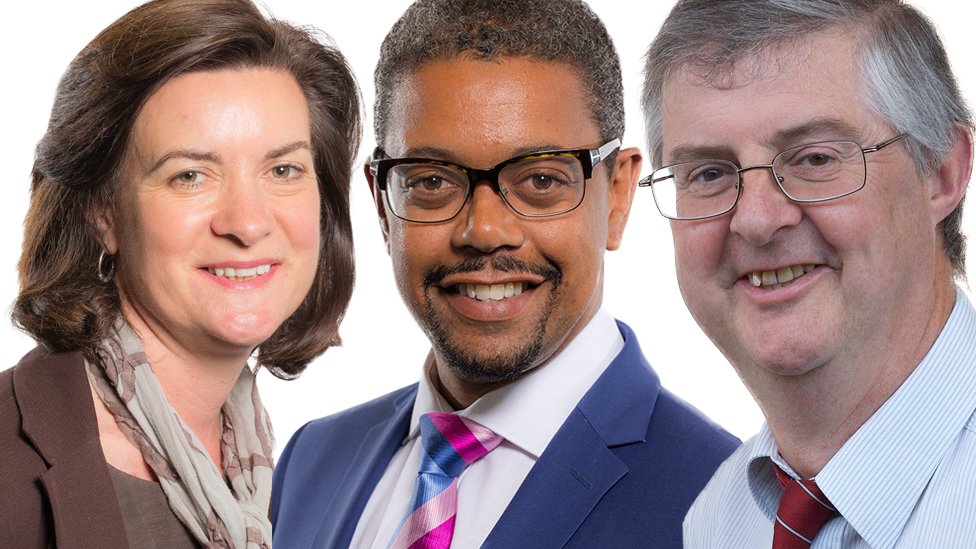
Labour’s devolved power structure has amplified regional influence. Statements from Wales and Scotland have resonated nationally, highlighting how regional leaders shape perceptions of the UK Labour leadership. Observers note that these interventions reflect both confidence in devolved governance and frustration with central decision-making.
This dynamic has added complexity to efforts aimed at maintaining a coherent national message.
Party Unity Versus Open Debate
Balancing unity with transparency has become a central challenge. While party officials stress the importance of collective discipline, many members argue that openness strengthens credibility. This tension has placed the UK Labour leadership at the center of an ongoing debate about how modern political parties should function.
Communications experts warn that unresolved tension risks being interpreted externally as instability.
Strategic Timing and Electoral Calculations
With future elections on the horizon, strategic clarity is increasingly urgent. Analysts suggest that uncertainty surrounding the UK Labour leadership could distract from policy messaging if prolonged. Conversely, decisive engagement with internal issues could reinforce Labour’s appeal to undecided voters.
Timing remains critical, as prolonged internal debate risks overshadowing external political challenges.
Media Scrutiny and Public Perception
Media coverage has intensified as internal discussions unfold. Public audiences often equate leadership debate with weakness, regardless of context. This reality has heightened pressure on the UK Labour leadership to demonstrate coherence and control.
Political commentators stress that narrative management is now a core leadership responsibility.
Policy Direction and Ideological Alignment
Beyond personalities, policy clarity remains central. Members have raised questions about economic priorities social policy and electoral positioning. These debates intersect directly with confidence in the UK Labour leadership, as clarity of direction often reinforces authority.
Labour officials insist policy development continues through internal forums designed to build consensus.
Managing Dissent Without Fragmentation
Successful leadership depends on integrating dissent without allowing fragmentation. Analysts argue that the UK Labour leadership must show that disagreement can coexist with unity. Failure to do so could entrench factions and prolong uncertainty.
Party veterans note that previous periods of tension often preceded significant realignment.
How Past Divisions Shaped the Party
Labour’s history includes multiple moments of internal challenge, from ideological splits to leadership transitions. These episodes have shaped party identity and electoral fortunes. The current pressure places the UK Labour leadership within a familiar historical pattern where debate signals transformation rather than collapse.
Historians argue outcomes depend on whether leadership channels disagreement into renewal.
Comparison With Other Opposition Movements
Across Europe opposition parties frequently experience internal debate during periods of strategic reassessment. Comparative analysis shows that parties which successfully manage such moments often emerge stronger. In this context, the UK Labour leadership is being evaluated against international benchmarks of party cohesion.
Consistency and clarity are cited as decisive factors.

Influence of Grassroots and Membership Expectations
Labour’s membership base remains highly engaged. Grassroots activists have voiced expectations for greater inclusion in decision-making. Analysts note that responding to these demands could strengthen legitimacy for the UK Labour leadership, provided engagement leads to clear outcomes.
Failure to meet expectations risks deepening dissatisfaction.
Institutional Discipline and Party Structures
Formal party structures are designed to mediate disagreement. Committees and conferences provide mechanisms for debate, yet critics argue they are under strain. Strengthening these processes may be essential for restoring confidence in the UK Labour leadership.
Organizational reform has emerged as a recurring theme in internal discussions.
External Political Pressure and National Context
External pressures have compounded internal challenges. A volatile political climate and shifting voter expectations have increased scrutiny of opposition readiness. As a result, the UK Labour leadership is assessed not only internally but by a broader electorate evaluating competence and unity.
Analysts emphasize that opposition parties are judged most harshly during moments of visible uncertainty.
Voices Calling for Stability and Focus
Amid debate, senior figures continue to urge stability. One party veteran remarked,
“Voters expect us to focus on their concerns, not our internal disagreements.”
Such calls reflect awareness that prolonged debate risks alienating key constituencies.
Maintaining focus remains a central objective for the UK Labour leadership.
Prospects for Internal Resolution
Efforts to address concerns are underway through dialogue and consultation. Party officials stress that engagement will continue, aiming to transform debate into strategic alignment. The credibility of the UK Labour leadership may hinge on how quickly consensus emerges.
Observers suggest that visible progress could shift public perception.
Implications for Labour’s National Image
Labour’s national image depends heavily on perceived unity. As debate continues, the UK Labour leadership must reassure voters that internal discussion strengthens rather than weakens the party’s governing ambition.
Public confidence, analysts warn, is sensitive to leadership signals.

The Road Ahead for Opposition Politics
Looking forward, the coming months will be decisive. The UK Labour leadership faces the challenge of consolidating authority while demonstrating openness. Success may redefine Labour’s image as a disciplined yet responsive opposition.
Failure could prolong uncertainty at a critical political juncture.
A Defining Chapter for Labour’s Future
As Britain’s political landscape evolves, Labour’s internal debate represents more than a leadership challenge. It is a test of how modern parties reconcile unity with diversity of thought. For the UK Labour leadership, the outcome will shape both immediate strategy and long-term identity.