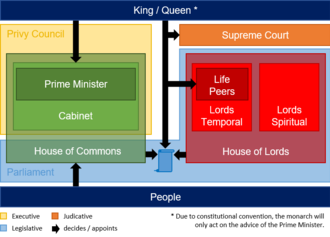
London | Janaury 2026 — According to parliament news that the UK political right is entering one of the most consequential periods in modern British history, marked by fragmentation, ideological tension, and shifting voter loyalties that are reshaping the country’s political balance. Once dominated by a single broad church conservative movement, the right now finds itself divided across parties, personalities, and competing visions of Britain’s future. In Westminster and beyond, these changes are no longer viewed as temporary turbulence but as signs of a structural realignment.
Political analysts observing the UK political right note that the challenges extend far beyond electoral cycles. Questions of leadership credibility, policy direction, and political identity have converged, creating uncertainty about how the right can regain coherence in a rapidly changing political environment.
A Tradition Under Strain
For decades, conservatism in Britain drew strength from unity despite internal debate. That tradition is now under strain. The UK political right has seen its historical advantage of discipline and organizational stability erode under the pressure of ideological disagreement and leadership turnover.
Veteran political figures acknowledge that familiar assumptions about voter loyalty no longer hold. The right’s traditional coalition of social conservatives, economic liberals, and pragmatic centrists is fracturing, making consensus increasingly elusive.
Fragmentation and the Rise of Alternatives
One of the defining features of the current moment is the emergence of alternatives challenging the traditional conservative establishment. Reform-oriented movements and smaller right-leaning parties have gained traction by appealing to voters disillusioned with mainstream leadership.
As a result, the UK political right is no longer organized around a single dominant party. Instead, it resembles a competitive ecosystem where influence is contested and alliances remain unstable.
Leadership Challenges at the Top
Leadership instability has compounded these divisions. Successive leadership changes have weakened authority and blurred long-term strategy. Within the UK political right, leaders face the difficult task of reconciling ideological clarity with electoral pragmatism.
Critics argue that failure to articulate a coherent vision has allowed rival voices to fill the vacuum, further diluting collective identity.
Parliamentary Dynamics and Internal Conflict
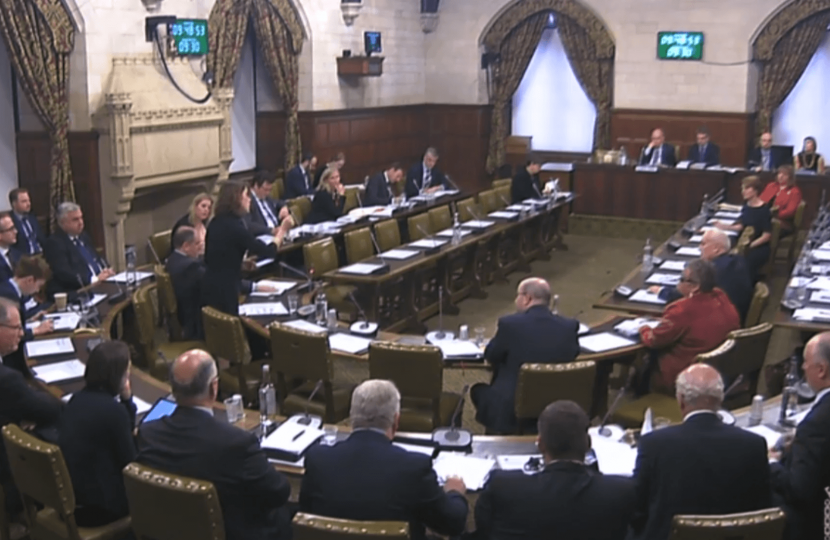
Debate within the House of Commons reflects the broader struggle. Parliamentary exchanges have grown sharper, with internal criticism increasingly aired in public. For the UK political right, this openness signals both transparency and vulnerability.
Backbench dissent, once managed internally, now frequently shapes headlines, reinforcing perceptions of instability among voters.
The Role of Reform Movements
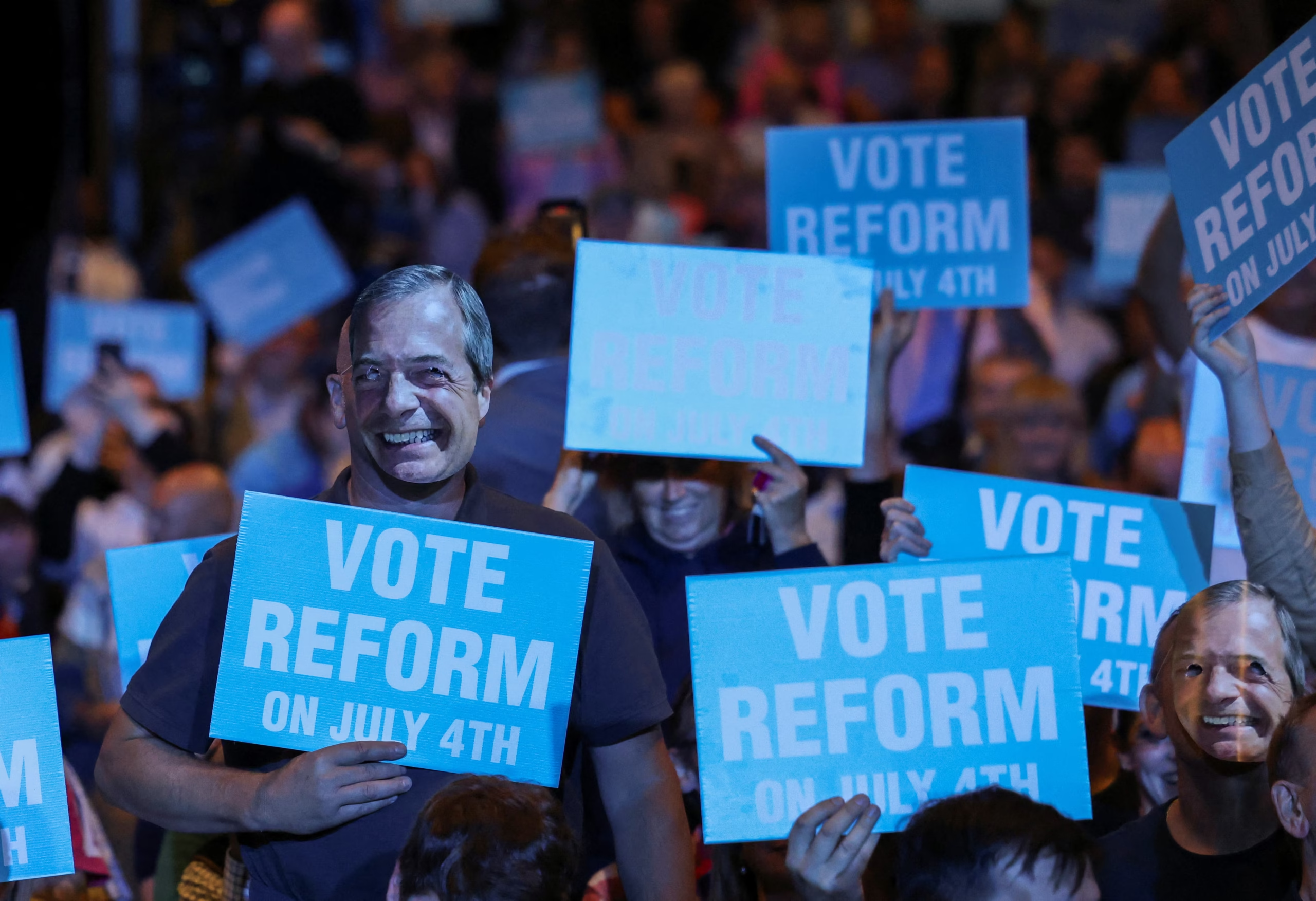
Reform-focused parties have capitalized on dissatisfaction, positioning themselves as vehicles for ideological purity. Their rise has forced the UK political right to confront uncomfortable questions about compromise, governance, and electoral strategy.
Supporters see reform movements as necessary correctives. Critics warn they risk entrenching division rather than delivering power.
Influence of Nigel Farage
No discussion of the current right-wing landscape is complete without considering the influence of Nigel Farage. His continued prominence has shaped debate and energized segments of the electorate.
For the UK political right, Farage represents both an opportunity and a challenge—capable of mobilizing disaffected voters while also polarizing broader public opinion.
Voter Volatility and Changing Loyalties
Traditional voting patterns have weakened. Many voters now move between parties or abstain entirely. This volatility has complicated campaign planning and message discipline across the UK political right.
Polling data suggests that identity and authenticity increasingly outweigh party loyalty, forcing right-leaning parties to rethink engagement strategies.
Media Narratives and Public Perception
Media coverage has amplified internal divisions, often framing developments as evidence of decline. Headlines emphasizing chaos and rivalry shape how the public views the UK political right, sometimes overshadowing policy substance.
Communication strategists argue that controlling narrative has become as important as policy formulation.
Economic Policy and Ideological Disputes
Economic philosophy remains a fault line. Debates over taxation, public spending, and market regulation expose deep ideological rifts. Within the UK political right, consensus on economic priorities has become harder to achieve.
These disputes complicate efforts to present a unified alternative to competing political visions.
Cultural Issues and Identity Politics
Cultural debates now play a central role. Questions of national identity, free speech, and social values generate strong emotions and divergent responses. The UK political right must navigate these issues carefully to avoid alienating key voter groups.
Balancing tradition with inclusivity remains a persistent challenge.
Foreign Policy and National Standing
International engagement also influences domestic credibility. Positions on defense, alliances, and diplomacy are scrutinized for consistency and realism. For the UK political right, foreign policy coherence is tied to perceptions of leadership strength.
Disagreement on international priorities further exposes internal divisions.
Youth Engagement and Generational Shift
Younger voters increasingly shape political outcomes. Their priorities often differ from older demographics, emphasizing climate policy, economic opportunity, and social justice.
The UK political right faces the challenge of remaining relevant to younger audiences without abandoning its core supporters.
Regional Politics and Devolution
Regional identity continues to reshape national politics. Scotland, Wales, and Northern Ireland present distinct political landscapes. Managing these relationships tests the adaptability of the UK political right.
Calls for greater autonomy and reform challenge centralized approaches.
Institutional Trust and Democratic Fatigue
Public trust in institutions remains fragile. Scandals and policy reversals have fueled skepticism. Restoring confidence is a major task for the UK political right, which historically emphasized stability and order.
Transparency and accountability are now central demands from the electorate.
One Voice From the Right
One senior conservative figure captured the moment by stating:
“The right must decide whether it wants purity or power, because the country expects direction, not division.”
This remark reflects the core dilemma facing the UK political right in 2026.
Electoral Strategy in a Fragmented Landscape
Campaigning in a divided environment requires precision. Vote splitting poses significant risk, particularly in marginal constituencies.
For the UK political right, electoral success increasingly depends on coordination rather than competition among ideologically similar parties.
The Role of Think Tanks and Ideological Influence
Think tanks and advocacy groups exert growing influence, shaping policy debate and public messaging. These institutions play a key role in defining future direction for the UK political right.
Their ideas often bridge the gap between ideology and governance.
Technology and Political Mobilization
Digital platforms have transformed activism and campaigning. Social media enables rapid mobilization but also amplifies internal conflict.
Managing online discourse is now a strategic priority for the UK political right.
Comparisons With Past Realignments
Historians draw parallels with previous periods of upheaval. Past realignments reshaped party systems and voter coalitions.
The current evolution of the UK political right may similarly redefine Britain’s political structure for a generation.
Policy Depth Versus Protest Politics
Critics argue that protest-driven movements lack policy depth. Supporters counter that disruption is necessary to force reform.
This tension lies at the heart of debate within the UK political right about long-term viability.
International Comparisons and Lessons
Observers compare Britain’s experience with right-wing movements abroad. Similar patterns of fragmentation and populism appear across democracies.
Lessons from international counterparts influence strategic thinking within the UK political right.
Institutional Reform and Future Governance
Calls for institutional reform extend beyond party politics. Electoral reform, constitutional change, and decentralization are increasingly discussed.
The UK political right must decide whether to lead or resist such reforms.
Looking Toward the Next Election Cycle
Attention is already turning to upcoming elections. Candidate selection, alliances, and messaging will determine outcomes.
For the UK political right, the next electoral test will reveal whether fragmentation can be overcome.
A Political Culture in Transition
Cultural change influences political norms. Expectations of representation, accountability, and inclusion continue to evolve.
Adapting to these shifts is essential for the UK political right to remain relevant.
Beyond Party Labels Toward Renewal
Ultimately, renewal may require moving beyond rigid party labels. Cooperation, innovation, and humility could redefine conservative politics.
The UK political right stands at a crossroads between renewal and continued division.
A Defining Chapter for Britain
In 2026, Britain faces a defining chapter. The choices made by leaders and voters alike will shape the country’s direction.
The future of the UK political right will influence not only opposition politics but the broader health of British democracy in the years ahead.