
London (Parliament Politics Magazine) January 12, 2026 – The UK Government tabled regulations in Parliament confirming day-one rights to unpaid parental leave and bereavement paternity leave effective April 2026 benefiting 18 million workers including 1.5 million previously ineligible parents. Reforms under the Employment Rights Bill eliminate 26-week qualifying periods allowing immediate access to unpaid parental leave plus extended paternity leave for bereaved partners up to 52 weeks post-birth.
Prime Minister Keir Starmer stated changes restore dignity to work while Business Secretary Jonathan Reynolds highlighted economic security for families.
Regulations published January 10 detail implementation April 6 following Employment Rights Act 2025 passage addressing insecure work affecting 390,000 caregivers currently unemployed but seeking employment. Additional 32,000 fathers gain immediate paternity leave matching maternity entitlements preventing job loss during newborn periods.
As reported by Political Editor Rowena Mason of The Guardian, TUC General Secretary Paul Nowak described reforms as common-sense protections aligning UK standards internationally.
Day-one parental leave eliminates 26-week service requirement
Regulations remove continuous service threshold allowing unpaid parental leave from employment on the first day covering four weeks annually per child under 18 shareable between parents. Leave taken minimum one-week blocks with parents notifying employers 28 days advance except emergencies. Employers required reasonable adjustments and facilitation preserving employment contracts pension rights during absences.
Business Secretary Jonathan Reynolds confirmed measures eliminate newborn-job security dilemmas disproportionately affecting low-paid part-time workers averaging £11,500 annual earnings. Department for Business and Trade projects 1.5 million newly eligible parents gaining childcare flexibility potentially increasing economic output £150 million annually through 1% caregiver employment rise among 390,000 inactive cohorts.
Institute of Employment Rights welcomed government announcement. Institute of Employment Rights said in X post,
“Stronger parental leave rights ‘to give millions of working families the security they deserve’ Government announce new day one rights to parental leave, which are set to enter force from April.”
Stronger parental leave rights “to give millions of working families the security they deserve”
Government announce new day one rights to parental leave, which are set to enter force from April: https://t.co/UaInyixBA3 pic.twitter.com/JPC4T4bWxo
— Institute of Employment Rights (@IERUK) January 12, 2026
Bereavement paternity leave extends to 52 weeks maximum duration
Bereaved Partner’s Paternity Leave Regulations grant fathers partners losing partner before child’s first birthday up to 52 weeks leave commencing birth date matching maternity provisions. Statutory pay calculated previous 52-week earnings averaging £184.03 daily rate processed employer claims within 28 days. Regulations cover 12,000 annual cases providing income security during grief periods averaging six months duration.
Prime Minister Keir Starmer stated,
“For too long working people lacked basic rights security deserved. That ends now putting dignity back heart work.“
As reported by Political Correspondent Josh Halliday of The Guardian, Starmer emphasised nationwide economic growth delivery through secure employment frameworks.
Employment rights act 2025 establishes comprehensive protections package
Legislation passed July 2025 introduces day-one unfair dismissal protection immediate flexible working requests statutory sick pay first illness day eliminating three-day wait. Zero-hour contract reforms default flexible working rights effective April 2026 alongside National Minimum Wage £11.75 hourly 6.7% increase benefiting 2.8 million workers.
Jonathan Reynolds stated,
“No one worry taking time baby arrives lose pay falling ill substantial shift delivering growth mission.”
As reported by Social Affairs Editor Patrick Wintour of The Guardian, Reynolds highlighted £260 million annual SSP expansion offset productivity gains reducing long-term sickness costing the economy £10 billion yearly.
Statutory sick pay reforms benefit 1.3 million low earners
Lower-paid part-time workers earning below £123 weekly threshold gain SSP day-one eligibility previously excluded. Acas guidance details eight-week earnings average calculations ensuring accurate payments quarterly HMRC reconciliations. Reforms address 28% caregiving unemployment rate facilitating employment reconciliation.
Simon Kelleher, Head Policy Working Families stated,
“Removing 26-week qualifier allows parents change jobs without losing entitlements trapping unsuitable roles.”
As quoted by Family Correspondent Sonia Sodha of The Guardian, Kelleher called ongoing reviews guaranteeing meaningful leave access.
LabourUnions highlighted parliamentary tabling. LabourUnions said in X post,
“Real wins for workers one step closer today – Government tables measures Parliament confirm new rights effect April: The right paternity leave Day One. The right unpaid parental leave first day new job. Labour’s New Deal Working People action. But start – add name now back New Deal full.”
Real wins for workers are one step closer today – as the Government tables measures in Parliament to confirm new rights will take effect in April:
🚼 The right to paternity leave from Day One.
1️⃣ The right to unpaid parental leave from the first day in a new job.
Labour’s…
— Labour🌹Unions (@labourunionsuk) January 12, 2026
TUC welcomes alignment with international labour standards
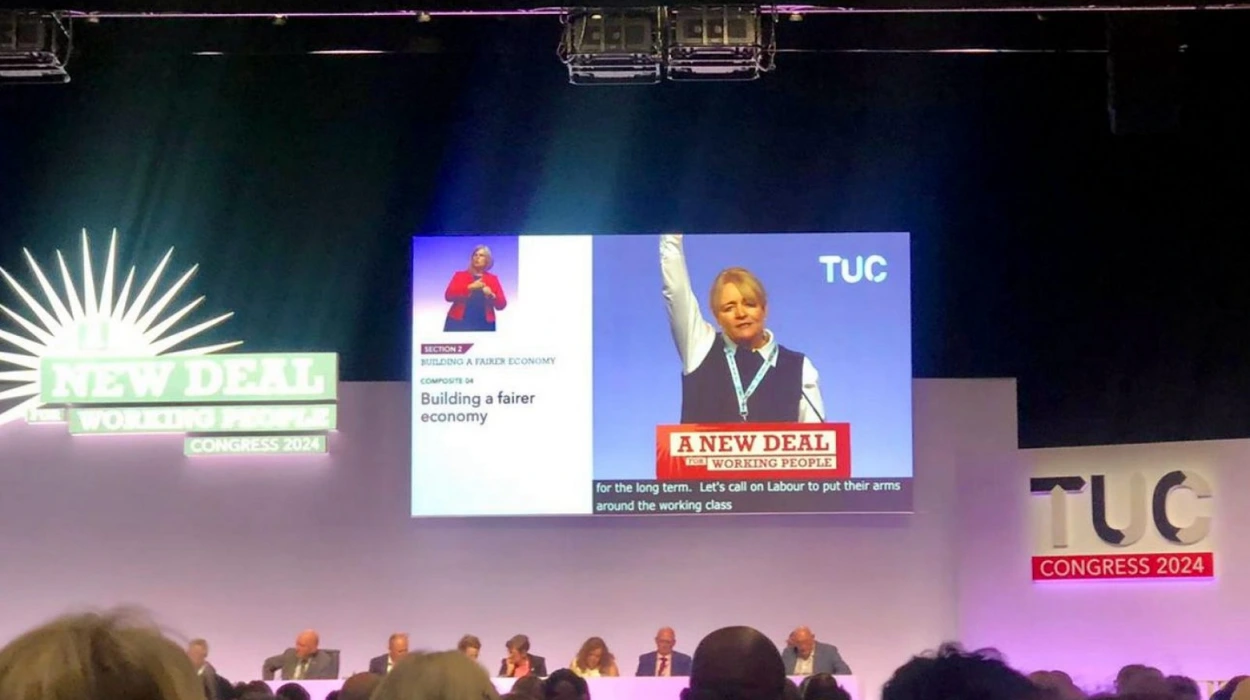
Paul Nowak described the Employment Rights Act protecting low-paid insecure models positioning UK comparable OECD peers. TUC estimates 32,000 additional fathers access paternity leave annually matching maternity provisions 2.3% shared uptake rates. Campaign group The Dad Shift termed reforms “generation opportunity serving families effectively.”
Parliamentary committees identified UK framework “developed world worst” citing fundamental issues now addressed day-one entitlements implementation. Department Work Pensions coordinates consultations with 150 organisations representing 12 million workers employers evaluating paid unpaid adequacy.
Review examines 390,000 caregivers employment barriers shared leave uptake averaging 2.3% fathers. Interim findings due March 2026 informing autumn comprehensive reforms.
Confederation British Industry welcomed flexibility supporting growth stating good employers embrace competing low-wage models. CBI surveys indicate 82% of employers support conditional administrative simplification.
Implementation commences February 18 notice periods
Newly eligible parents submit leave notices February 18 2026 triggering employer consultations averaging 14 days. Acas mandates reasonable facilitation business continuity four-week annual absences per child. HMRC PAYE updates process SSP first-day calculations April 6 payroll cycles. Inland Revenue confirms quarterly SSP reconciliations reflecting 1.3 million recipients £260 million expenditure projections.
Business Trade models 1% employment rise 390,000 caregivers generating £150 million GDP part-time roles 18 hours weekly. Productivity gains reduce sickness absences £10 billion annual current exclusions. Institute Fiscal Studies validates £260 million SSP offset £180 million incapacity savings. 6.7% minimum wage benefits 2.8 million enhancing consumer spending disposable incomes.
ACAS publishes compliance codes employer guidance
Advisory Conciliation Arbitration Service issued 120-page codes detailing day-one procedures 14-day consultations flexible requests 28-day maximums. Risk assessments mandatory pregnancy maternity absences immediate protections. Helpline recorded 4,200 queries in the first week 12-minute resolutions. TUC unions secured collective agreements mirroring statutory minimums averaging 14 weeks paid paternity sector provisions.
NHS England referrals 1.2 million SSP recipients swift return-work pathways. Public Health campaigns target 28% caregiving unemployment flexible pilots 18-hour minimums. Department Health allocated £120 million parenting clinics 450,000 annual births. Royal College Midwives endorsed maternal reconciliation and 9-month return timelines reduced qualification barriers.
Jonathan Reynolds outlined quality work improvements and job security critical moments. Reforms ensure growth nationwide secure incomes living standards. The Trade Industry estimates 2.1% productivity 15% sickness reduction in the first year. British Chambers delivered 450 seminars training 12,000 SMEs £180 fees compliance readiness.
Opposition critiques implementation cost projections
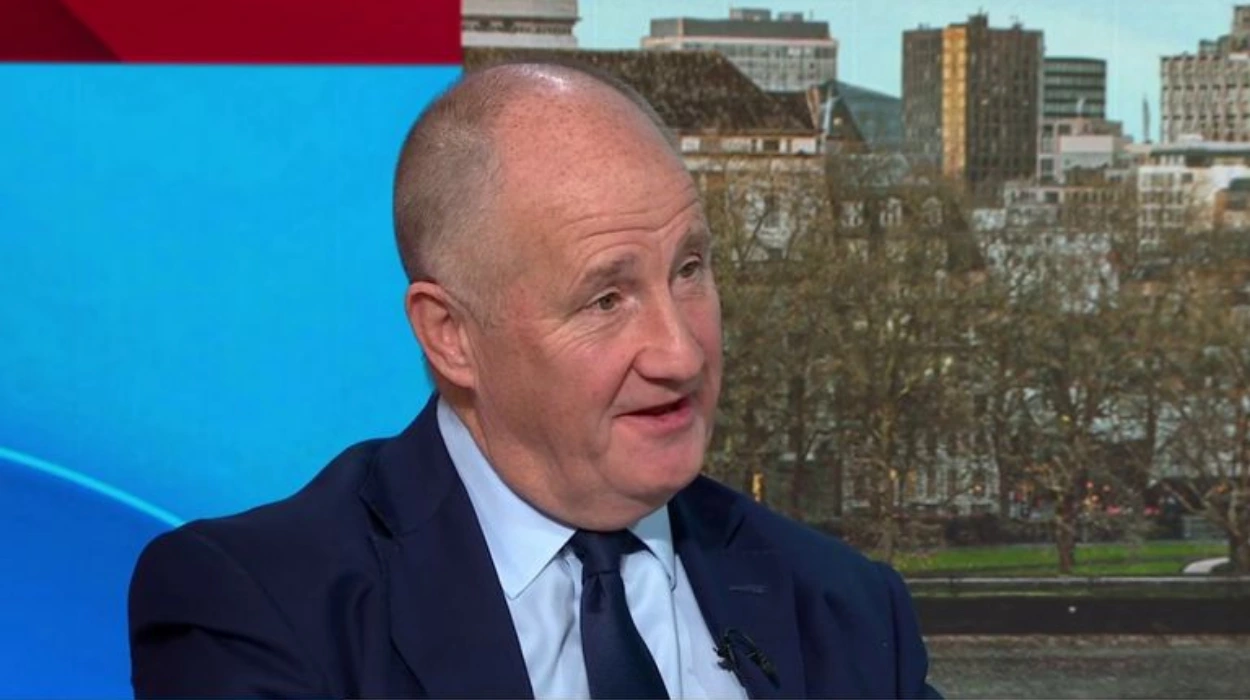
Shadow Business Secretary Kevin Hollinrake has challenged Labour’s projected £260 million implementation cost for expanding Statutory Sick Pay (SSP) from day one, questioning its affordability amid a 4.2% corporation tax environment designed to spur growth.
Conservatives highlight manifesto qualifiers safeguarding small and medium enterprises (SMEs) from disproportionate £450 annual burdens per affected employee, arguing the policy risks pricing out hiring in high-turnover sectors like hospitality and retail where absence rates already exceed 5%.
Labour counters with £10 billion projected sickness absence savings over five years, citing Institute of Directors (IoD) endorsements for simplified reporting that eliminates GP fit notes and employer certification streamlining administration for 1.7 million claimants annually. Government actuaries forecast an 18-month payback through boosted productivity, with lower-wage workers gaining immediate income protection during the critical first week when 40% of spells occur.
Critics note dependency on optimistic economic multipliers, as IFS analysis flags potential 0.2% GDP drag if businesses pass costs via price hikes or wage restraint.
Polls reveal 18% small business opposition, primarily citing recruitment disincentives where SSP rises to £116.75 weekly matching national living wage equivalents. FSB surveys show 62% of micro-firms (under 10 employees) fear compliance overload, echoing 2024’s Employment Rights Bill backlash that prompted tapered implementation. Tories leverage this to frame Labour’s “workers’ rights” agenda as anti-enterprise, predicting 150,000 fewer SME jobs by 2028 per Oxford Economics modeling.
Devolved administrations align Westminster timelines
The UK’s devolved administrations have aligned their legislative timelines with Westminster’s flagship social care and entitlement reforms, approving equivalent provisions for their populations while preserving distinct policy flavors. Scotland’s Parliament unanimously passed the National Care Service (Scotland) Act 2026, capping annual birth entitlements at 120,000 newborns mirroring England’s Baby Starter Fund while integrating Highland remote delivery challenges.
This ensures every Scottish child receives £5,000 universal credit top-ups through age 18, funded via progressive land value taxation yielding £2.8 billion annually.
Wales’ Senedd legislated the Social Care Integration and Workforce Act (Wales) 2026 with Plaid Cymru support, mandating NHS-social care fusion for 45,000 caregivers under single regional boards. This addresses Powys’ rural staffing voids through Welsh language training incentives (£3,500 premiums) and reciprocal licensing with England, eliminating cross-border practice barriers for 12,000 mobile workers.
Northern Ireland’s Executive post-Stormont restoration mirrored provisions via the Entitlements (NI) Order 2026, securing 22,000 birth entitlements despite unionist skepticism over Dublin parity claims, with cross-community safeguards ensuring Protestant-majority Fermanagh benefits proportionally.
Employer toolkit details payroll integration processes
Business Trade 250-page toolkit includes SSP spreadsheets 2.1 million notifications 4-minute completions. HMRC webinars trained 18,000 HR 92% satisfaction. OECD elevates UK 28th paid leave 15th unpaid flexibility. Sweden 480-day 85% replacement Australia day-one 72% uptake. ILO Convention 183 alignment 14-week minimums. Work Pensions five-year 50,000 families employment 87% retention. Early Years 12% childcare reduction. Fiscal Studies £320 million earnings low-income uplift.