


Ministerial accountability is one of the foundations for democracy within the British Constitution. It guarantees ministers of government are responsible for their actions and inactions in their decisions and policies.
Without ministerial accountability, there is scope for abuse of power, and the bond between government and the electorate is diminished. We will now discuss what ministerial accountability is, why it is important, and how it works in the British Constitution.
What Is Ministerial Accountability?
Ministerial accountability states that ministers are accountable to Parliament and, through Parliament, accountable to the people. Ministerial accountability means that ministers are responsible for their statements and must provide an explanation as to their actions. If the minister made a mistake, they can be questioned, criticized, and forced to resign from their position.
Ministerial accountability is essential in promoting transparency. It provides the necessary safeguards that ensure that the government does not act without scrutiny and promotes public confidence in elected officials and the political system.
Ministerial Accountability in the British Constitution
Ministerial accountability under the British Constitution is a constitutional convention and a rule of law. This means it is partly a legal obligation and partly an established political obligation. There are two types of ministerial accountability:
- Individual Ministerial Responsibility: This means that ministers are responsible for their own sections of the bureaucracy, so it is impossible for them to escape all accountability for their actions (or lack thereof).
- Collective Ministerial Responsibility: This means that each minister supports Cabinet decisions in public statements to the public.
Both types of ministerial accountability ensure that ministers cannot escape responsibility.
Individual Ministerial Responsibility
Individual ministerial responsibility means that any minister must take responsibility for everything in their departments, including the work of their civil servants, and get it right or wrong.
For example, if a mistake is made in a department of the government, a minister must explain that mistake in Parliament. In serious cases, a minister will resign and publicly take full responsibility for getting it wrong.
The devil is in the details, because it may be easier for an MP to justify an answer for a civil servant to do the same, because civil servants and their actions are rarely reviewed by Parliament. For example, it is impossible for a minister to publicly discredit their own civil servants with their political clout/existence/reputation/identity as an MP. The system is designed so that MPs, and not civil servants, are accountable for political mischief and blunders by the bureaucracy.
Collective Ministerial Responsibility
Collective responsibility means that ministers must all publicly support Cabinet decisions. It does not matter that ministers internally disagreed in discussions. Once a decision is made in the Cabinet, each must be capable of stating that they support the full force of that decision to the public.
If any minister cannot accept a Cabinet decision, the convention is to resign. This norm demands full unity in government, unity in action, and a clarity of position to the public.
It also helps to clarify where the government stands.
Parliamentary Questions and Accountability
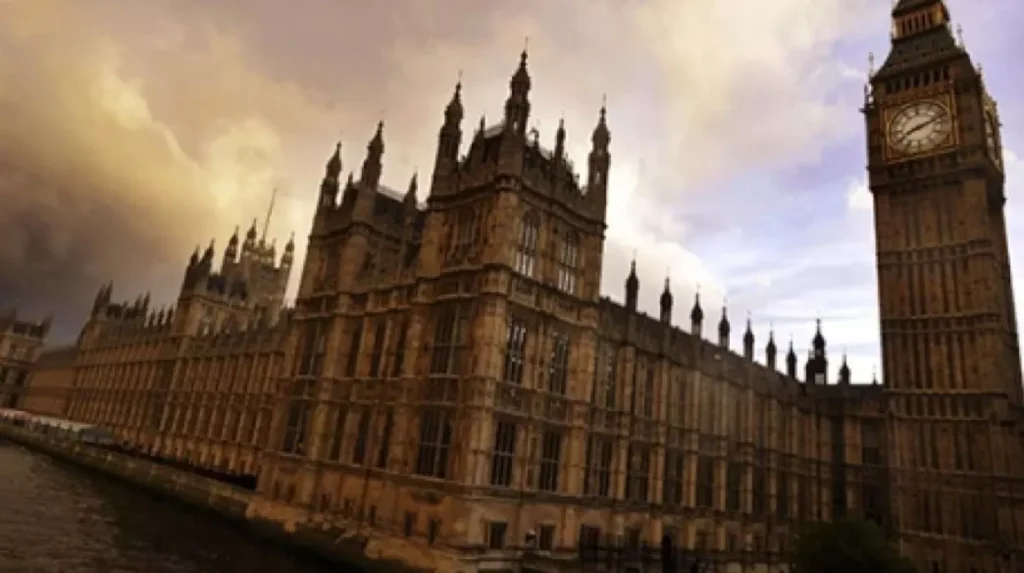
Parliament has a central role in ministerial accountability in the British Constitution. Ministers must respond to questions from members of parliament (MPs) on a regular basis. These sessions will allow MPs to scrutinize government policy and challenge decisions.
The Prime Minister’s Questions (PMQs), weekly on Wednesday, is a prime example of this. It offers MPs the opportunity to directly hold the Prime Minister accountable. Other ministers are questioned throughout the week as well.
Committees and inquiries
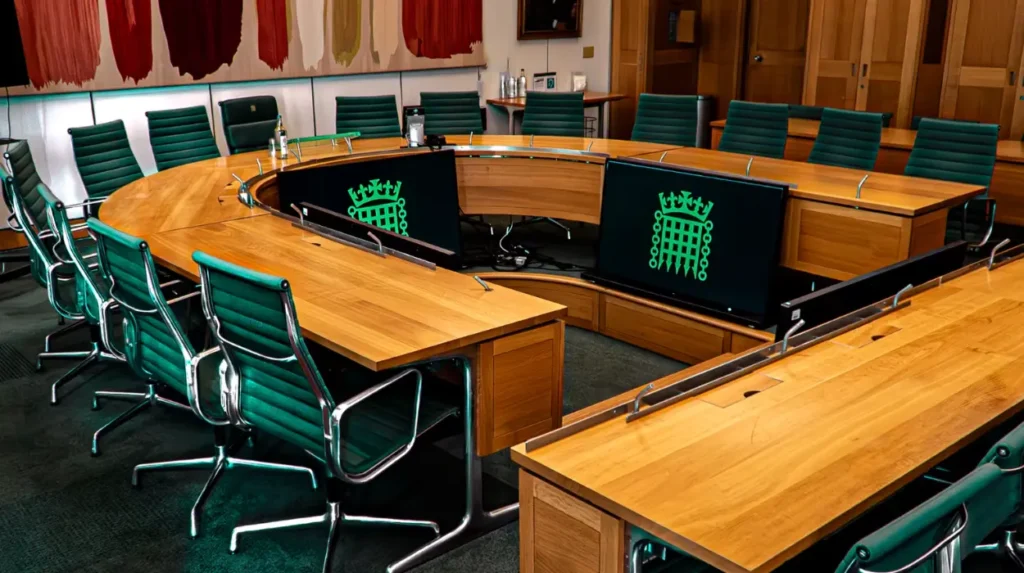
Select committees are also part of accountability. Investigating government departments and questioning ministers in detail. They can ask for documents, reports, and explanations.
In this regard, ministers must demonstrate that they are operating in responsible and honest ways. The more public the inquiry, the more scrutiny and the more trust from the public in their politicians it makes.
Public Trust, Ministerial Accountability
Trust in government is tied closely to ministerial accountability. When ministers accept their responsibilities and their actions are transparently public, people feel a level of confidence that their leaders are acting in their best interest.
The avoidance of accountability by ministers has a negative effect on trust. Citizens may believe that the government is hiding the truth and is unwilling to acknowledge wrongdoing. The principle of accountability is paramount in maintaining the relationship between the government and the public.
Historical Examples of Ministerial Accountability
Over the years, there have been many instances of ministers resigning under pressure related to accountability. These examples illustrate how the principle is enacted.
In the 1950s, Sir Thomas Dugdale resigned during the Crichel Down Affair. He was not personally culpable. In more recent times, ministers have resigned over a variety of issues ranging from bad management to ethical breaches to misconduct.
These examples show that accountability is not just a notion; it has tangible consequences in British political life.
Ministerial Codes of Conduct
The Ministerial Code is another important aspect of accountability. It is a set of rules to which ministers must adhere. It deals with things such as honesty, integrity, and respect for Parliament.
If a minister breaches the code, there are potential ways to investigate, discipline, discontinue, or resign. The code reinforces the principle that ministers are here to serve the people and must be responsible.
Limits of Ministerial Accountability
The principle is strong; it is not without limitations. In some situations, ministers deflect responsibility to avoid being specifically blamed by Parliament. In other situations, political pressure makes full accountability challenging.
For example, collective responsibility produces tensions when ministers feel very strongly about the government’s policy, but they must publicly support the policy. Individual responsibility can also be blurred when mistakes are made not by the minister but by civil servants or an outside event. In those situations, the principle still has a grounding force within British politics.
Ministerial Accountability and democracy
In terms of the British Constitution, ministerial accountability acts as a reinforcement of democracy. It reinforces that ministers show accountability to Parliament and the people.
Without it, the government is free to act without restraint, eroding the very root of democratic oversight. Parliament acts to ensure that democracy is present and meaningful by asking, challenging, and investigating ministers.
Modern issues of ministerial accountability
In the last few years, newly modern media opportunities coupled with technology and public expectations have created new opportunities and challenges in terms of accountability.
Ministers are currently scrutinized at all times, not just in Parliament in the formal accountability standards, but also through media, including social media.
This immediacy and expectation of accountability are heightened. Ministers have a greater responsibility to follow their words and actions all the time because a mistake can rapidly become a public issue.
