Beijing, China, April 15, 2026 (Parliament Politics Magazine) US China trade tensions are intensifying as Beijing considers restricting exports of key solar manufacturing equipment to the United States, according to sources familiar with the discussions. The potential move could disrupt global supply chains and deepen the economic rivalry between the world’s two largest economies.
China’s dominance in solar manufacturing makes any policy shift highly consequential. Analysts warn that the decision could slow renewable energy expansion and increase production costs across multiple markets.
“This development shows how US China trade tensions are now directly influencing the global energy transition,”
a market analyst said.
Proposed Export Restrictions Under Review
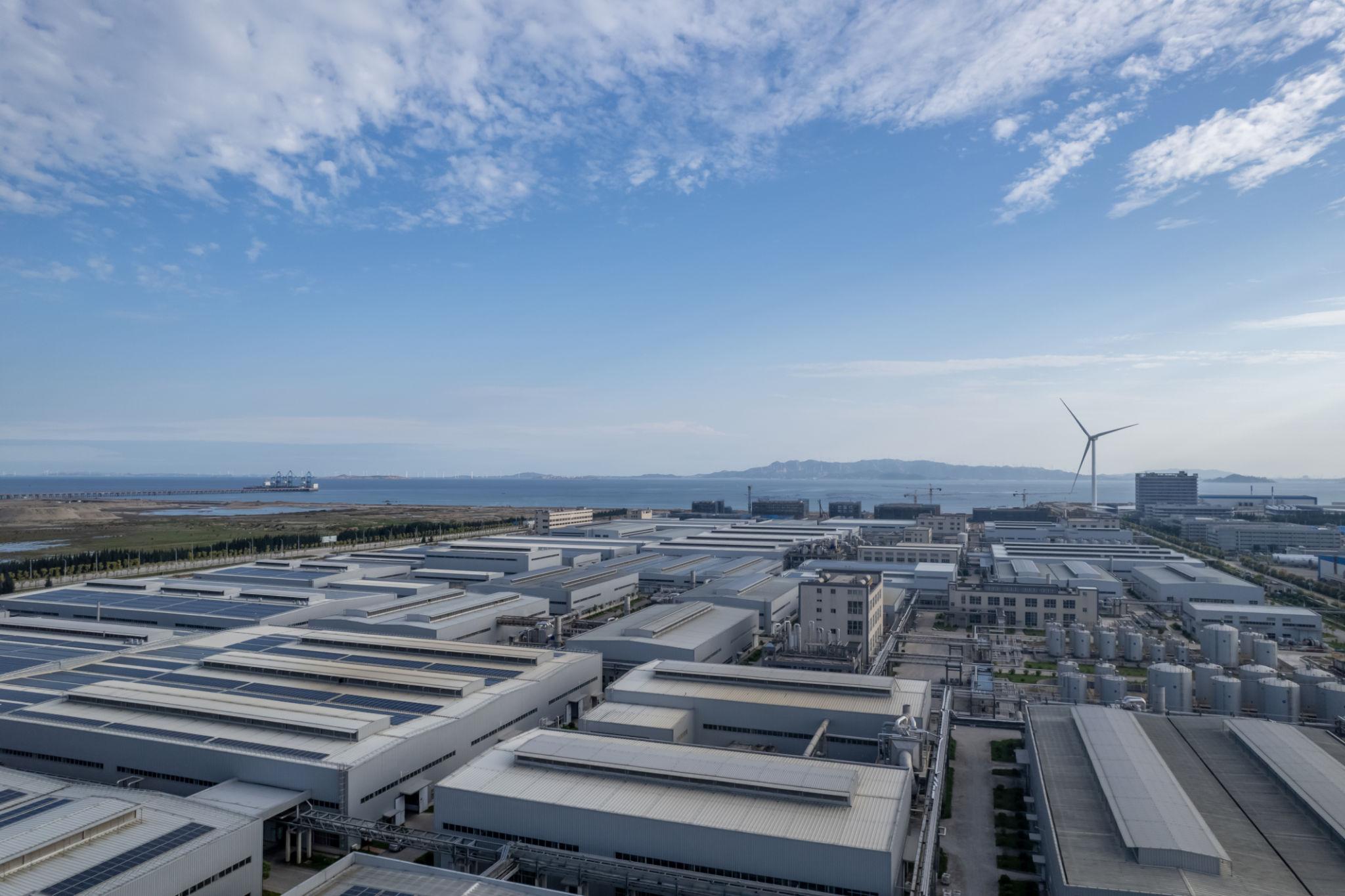
At the center of the latest US China trade tensions is Beijing’s consideration of limits on exporting advanced solar manufacturing equipment. These tools are essential for producing high-efficiency solar panels and scaling renewable energy capacity.
While the proposal has not been finalized, it reflects a broader strategic approach to managing trade and technological advantages. Observers suggest the move could be a response to ongoing policy measures from Washington.
The restrictions could target specialized machinery critical to solar production, creating bottlenecks in manufacturing.
China’s Strategic Position in Solar Supply Chains
The impact of US China trade tensions is amplified by China’s leading role in the solar industry. The country supplies a significant portion of global solar components, including equipment, materials, and technology.
This position gives China considerable leverage in shaping market dynamics. By controlling exports, Beijing can influence production capacity and pricing worldwide.
“Supply chain control has become a central element of economic strategy,”
a trade expert noted.
Implications for the United States
The potential escalation of US China trade tensions could pose challenges for the United States, particularly in its efforts to expand domestic solar manufacturing. American companies rely on imported equipment to build and upgrade facilities.
Restrictions could delay projects, increase costs, and complicate long-term planning. This comes at a critical time when the US is investing heavily in renewable energy infrastructure.
Industry leaders are closely monitoring developments, as the stakes are high for both economic and environmental goals.

Global Ripple Effects on Energy Markets
Beyond bilateral relations, US China trade tensions could have far-reaching effects on global energy markets. Many countries depend on Chinese equipment to support their renewable energy initiatives.
A reduction in exports could lead to supply shortages, increased competition, and higher prices. This could slow the global transition to clean energy and impact climate goals.
Experts emphasize that the interconnected nature of supply chains makes disruptions particularly challenging to manage.
Trade Policy as a Strategic Tool
The latest developments highlight how US China trade tensions are increasingly shaping global economic strategies. Trade policies are no longer limited to tariffs—they now include restrictions on technology and critical resources.
Both countries are seeking to strengthen their domestic industries while reducing dependence on foreign suppliers. This shift is transforming the nature of international trade.
“Economic competition is evolving into a broader strategic contest,”
a geopolitical analyst said.
Industry and Market Reactions
The potential escalation of US China trade tensions has prompted cautious reactions from financial markets and industry stakeholders. Companies are evaluating risks and exploring alternative supply sources.
Investors are watching closely for official announcements, as policy clarity will be crucial in determining market direction. Uncertainty is already influencing decision-making within the solar sector.
Renewable Energy Transition at Stake
One of the most significant implications of US China trade tensions is its impact on the renewable energy transition. Solar power is a key component of global efforts to reduce carbon emissions.
Disruptions in equipment supply could delay projects and increase costs, affecting the pace of adoption. Governments and organizations may need to adjust strategies to address these challenges.
Possible US Response Measures
In response to escalating US China trade tensions, the United States may consider measures to strengthen its position, including:
- Expanding domestic manufacturing capacity
- Providing incentives for alternative suppliers
- Forming strategic partnerships with allied nations
These steps aim to enhance resilience and reduce reliance on imports.
What Comes Next?
As US China trade tensions continue to evolve, several key questions remain:
- Will China implement export restrictions?
- How will the US respond?
- What impact will this have on global markets?
The answers will shape the future of international trade and energy policy.Global Trade Shock Alert
The escalation of US China trade tensions over potential solar export curbs represents a critical moment for global supply chains. China’s consideration of restrictions could disrupt production, increase costs, and slow the transition to renewable energy.
As uncertainty grows, governments and industries are preparing for possible changes. The coming months will be decisive in determining the outcome and its global impact.