

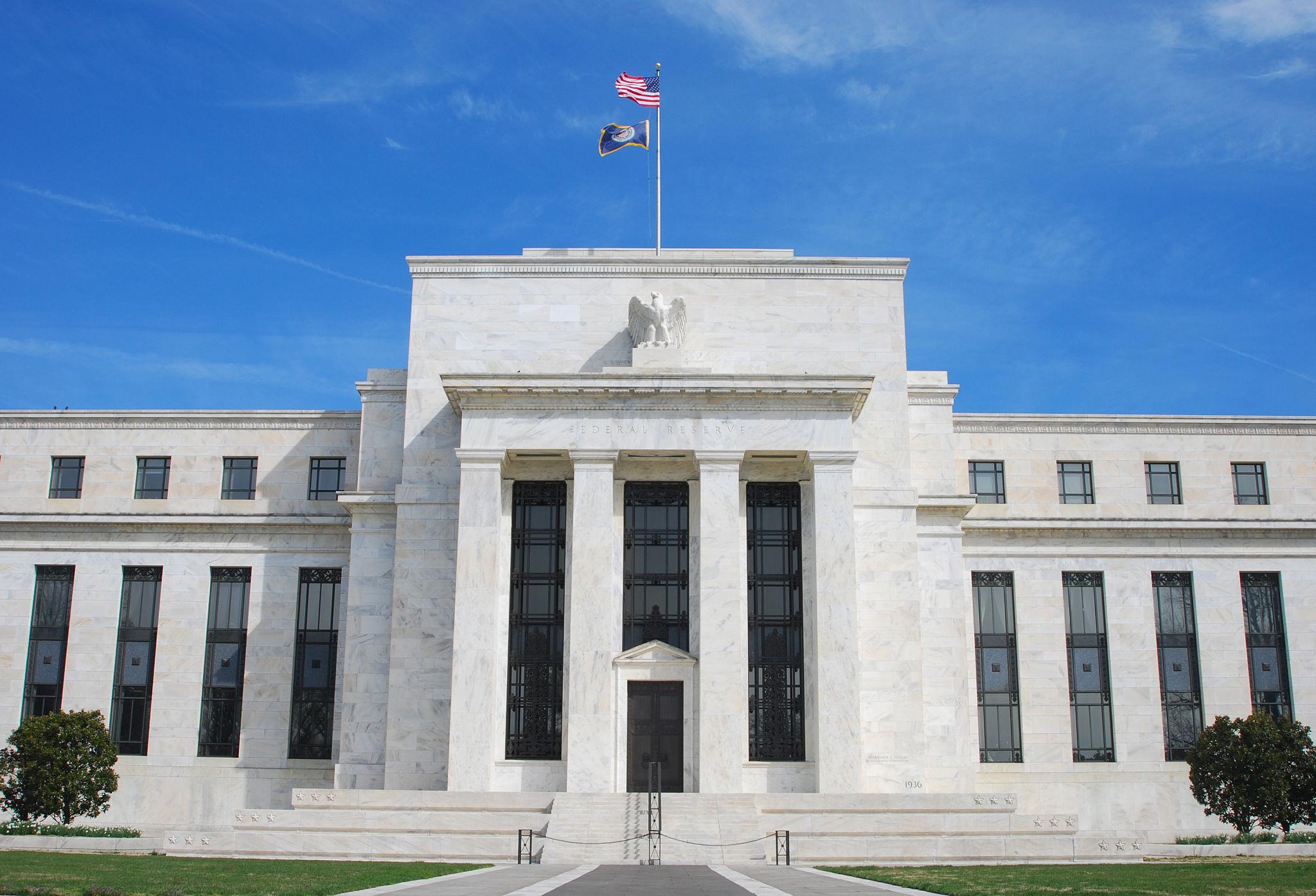
US financial oversight investigation has entered a pivotal stage in 2026, United States, (Parliament Politics Magazine) as developments surrounding the Powell probe continue to draw national attention. The direction of the inquiry now hinges on findings from the Federal Reserve’s Inspector General, whose conclusions are expected to determine whether the probe expands, concludes, or transitions into further legal action.
The investigation highlights growing scrutiny of financial governance in the United States, particularly regarding oversight, transparency, and accountability at the highest levels of economic leadership.
“Independent oversight is essential to maintaining trust in our financial system,”
a senior legal analyst stated.
Federal Oversight and Powell Probe
Region: United States
Date: 2026
Key Figure: Jeanine Pirro
Institution: Federal Reserve
Oversight Body: Office of Inspector General Federal Reserve
Focus: Powell probe direction
Category: Financial regulation, governance, accountability
Inspector General Findings Expected to Shape Next Phase
The Inspector General’s role is central to the US financial oversight investigation, providing an independent evaluation of internal practices and compliance within the Federal Reserve system.
These findings are anticipated to answer key questions:
- Were proper procedures followed?
- Did any actions warrant further investigation?
- Are policy changes necessary?
The weight of these conclusions cannot be overstated, as they will influence both the trajectory of the Powell probe and broader regulatory practices.
Background of the Powell Probe and Oversight Concerns
The Powell probe emerged amid concerns regarding decision-making processes within the Federal Reserve. While specific allegations remain limited in public disclosures, the inquiry reflects a broader push for transparency in financial institutions.
The US financial oversight investigation underscores the importance of accountability in institutions that influence national and global markets.
By focusing on oversight mechanisms, the investigation aims to ensure that financial governance aligns with established standards and public expectations.
Legal Implications of the Investigation
The US financial oversight investigation carries significant legal implications. Depending on the Inspector General’s findings, potential outcomes could include:
- Expansion of the probe
- Formal legal proceedings
- Policy recommendations
- Closure without further action
Each scenario presents different consequences for regulatory frameworks and institutional accountability.
Legal experts emphasize that the integrity of the process depends on maintaining independence and objectivity throughout the investigation.
Economic Impact and Market Sensitivity
Financial markets are closely monitoring the US financial oversight investigation, as uncertainty surrounding regulatory oversight can influence investor confidence.
Potential impacts include:
- Market volatility
- Shifts in investor sentiment
- Changes in monetary policy expectations
- Increased scrutiny of financial institutions
The Federal Reserve’s role in shaping economic policy makes any investigation into its operations particularly significant.
Role of Independent Oversight in Financial Governance
The US financial oversight investigation highlights the critical role of independent oversight bodies in maintaining accountability within federal institutions.
Inspector General offices are tasked with:
- Ensuring compliance with regulations
- Investigating potential misconduct
- Promoting transparency
- Strengthening public trust
These functions are essential in preserving the integrity of financial systems.
Challenges Facing the Investigation
Despite its importance, the US financial oversight investigation faces several challenges:
- Limited public disclosure of details
- Complexity of financial systems
- Potential political pressures
- Legal constraints on information sharing
These factors may influence both the pace and outcome of the investigation.
History of Financial Oversight in the United States
The United States has a long history of financial oversight aimed at maintaining stability and preventing systemic risk. Regulatory frameworks have evolved over time to address changing economic conditions and emerging challenges.
From early banking regulations to modern oversight mechanisms, the emphasis has consistently been on accountability and transparency.
The US financial oversight investigation reflects this ongoing evolution, highlighting the need for continuous review and adaptation in financial governance.
Industry and Expert Reactions
The US financial oversight investigation has generated significant discussion among legal and financial experts.
“The findings will likely influence how future investigations are conducted,”
noted a policy analyst.
Another expert added:
“Transparency and accountability must remain at the forefront of financial governance.”
These perspectives underscore the broader implications of the investigation beyond the immediate case.
Future Outlook for the Powell Probe
Looking ahead, the US financial oversight investigation is expected to reach a critical juncture once the Inspector General’s findings are released.
Possible next steps include:
- Expansion into additional areas of inquiry
- Implementation of policy changes
- Closure with no further action
- Referral for legal proceedings
The outcome will shape both the Powell probe and future approaches to financial oversight.
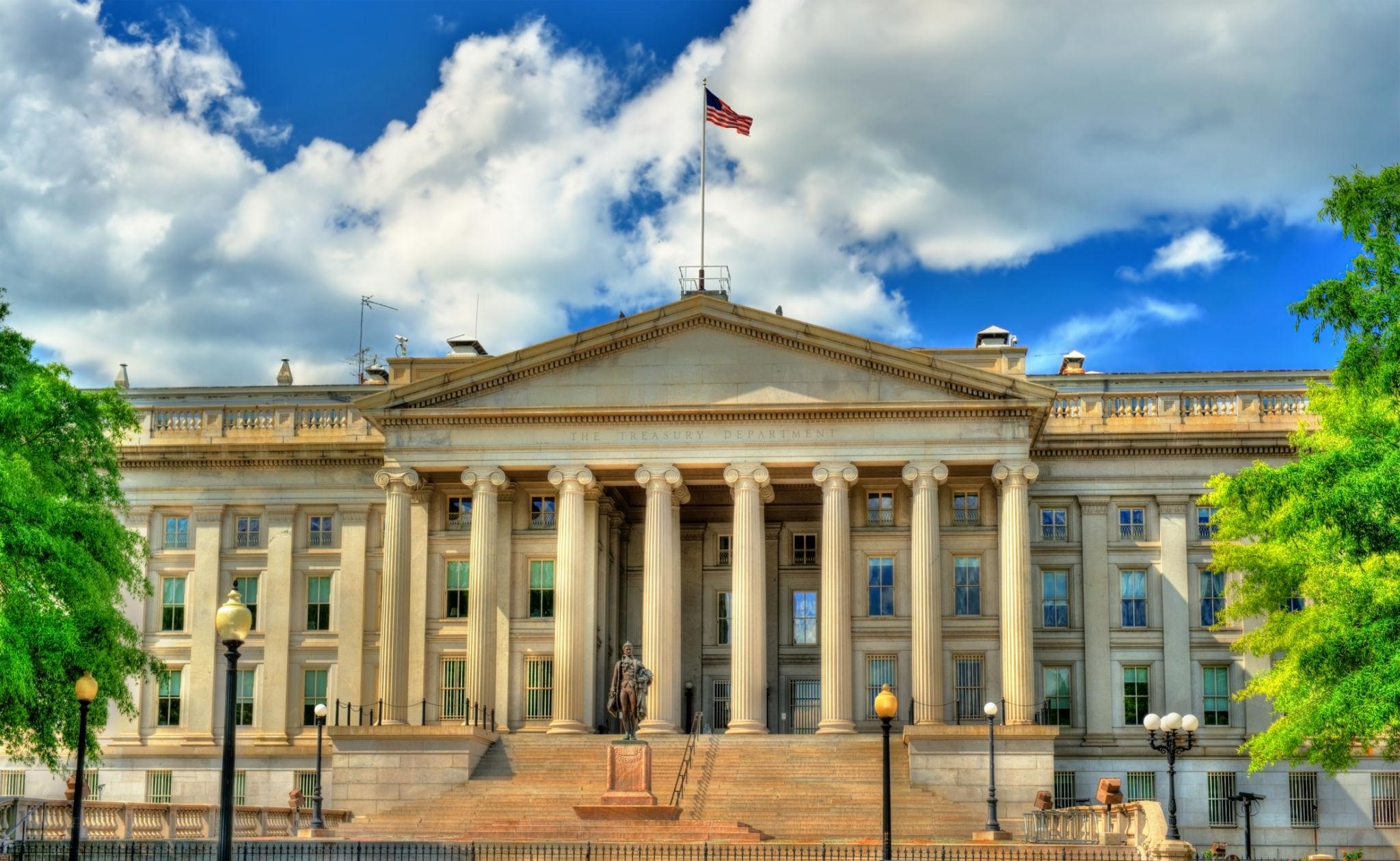
US Financial Oversight Investigation Nears Critical Decision Point
The US financial oversight investigation has become a defining issue in 2026 as the future of the Powell probe depends on Inspector General findings. The investigation highlights the importance of accountability, transparency, and independent oversight within the U.S. financial system.
As markets and policymakers await the conclusions, the outcome is expected to influence regulatory frameworks, investor confidence, and public trust. The next phase of the investigation will determine whether further action is taken or the probe concludes.