

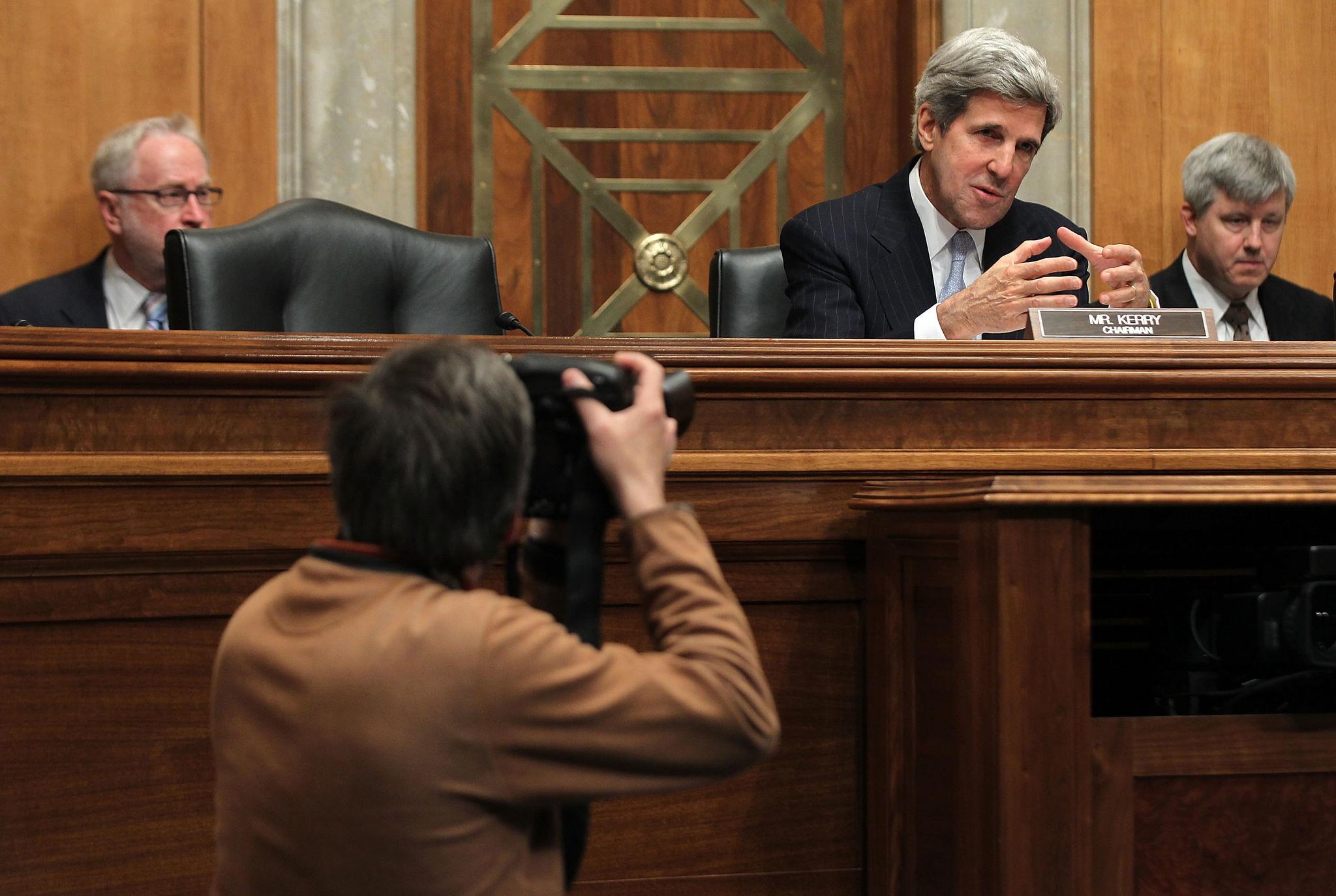
WASHINGTON, February 14, 2026 — According to Parliament News, that The trajectory of US foreign policy Iran in 2026 has become one of the most closely watched issues in global diplomacy. Lawmakers, defense officials, and international partners are evaluating shifting risks as tensions simmer across the Middle East. Economic sanctions, nuclear oversight concerns, regional proxy conflicts, and energy market volatility have all converged to create a complex policy environment.
As Washington recalibrates strategy, analysts say the decisions made this year could influence geopolitical stability for the remainder of the decade. The debate surrounding US foreign policy Iran now centers on five critical risks that policymakers must navigate carefully to avoid unintended escalation.
Renewed Nuclear Uncertainty
A central concern shaping US foreign policy Iran remains the status of Tehran’s nuclear program. International monitoring efforts have faced obstacles, with inspectors requesting expanded access to facilities amid rising enrichment levels.
Diplomatic channels have struggled to regain the momentum once seen in earlier multilateral agreements. While Western allies continue to support negotiations, confidence-building measures have slowed. The uncertainty places pressure on US foreign policy Iran planners who must balance deterrence with diplomatic engagement.
Security analysts caution that miscalculations in nuclear oversight could trigger broader regional reactions. Preventing proliferation while avoiding military confrontation remains a defining challenge.
Sanctions Strategy Under Review
Economic sanctions have long been a core pillar of US foreign policy Iran. Restrictions on energy exports, financial transactions, and technology transfers have constrained Iran’s economic reach. However, questions persist about long-term effectiveness.
Supporters argue sanctions provide leverage without direct military confrontation. Critics counter that economic isolation has not fully altered Tehran’s strategic behavior. Inflation and domestic hardship inside Iran complicate humanitarian considerations.
As Congress evaluates enforcement mechanisms, policymakers are asking whether existing frameworks align with broader national security objectives. Adjustments to sanctions architecture could significantly shape US foreign policy Iran outcomes in 2026.
Regional Proxy Conflicts
Iran’s influence in Iraq, Syria, Lebanon, and Yemen continues to affect regional security calculations. Proxy networks and militia alliances remain a persistent concern for Washington and its partners.
Military planners maintain defensive deployments in the Persian Gulf, describing the posture as preventative rather than escalatory. Nevertheless, periodic incidents at sea and cross-border exchanges sustain tension.
The evolution of US foreign policy Iran depends heavily on how these regional dynamics unfold. Any escalation involving allied nations could rapidly expand beyond localized conflict zones.
Energy Markets and Economic Stability
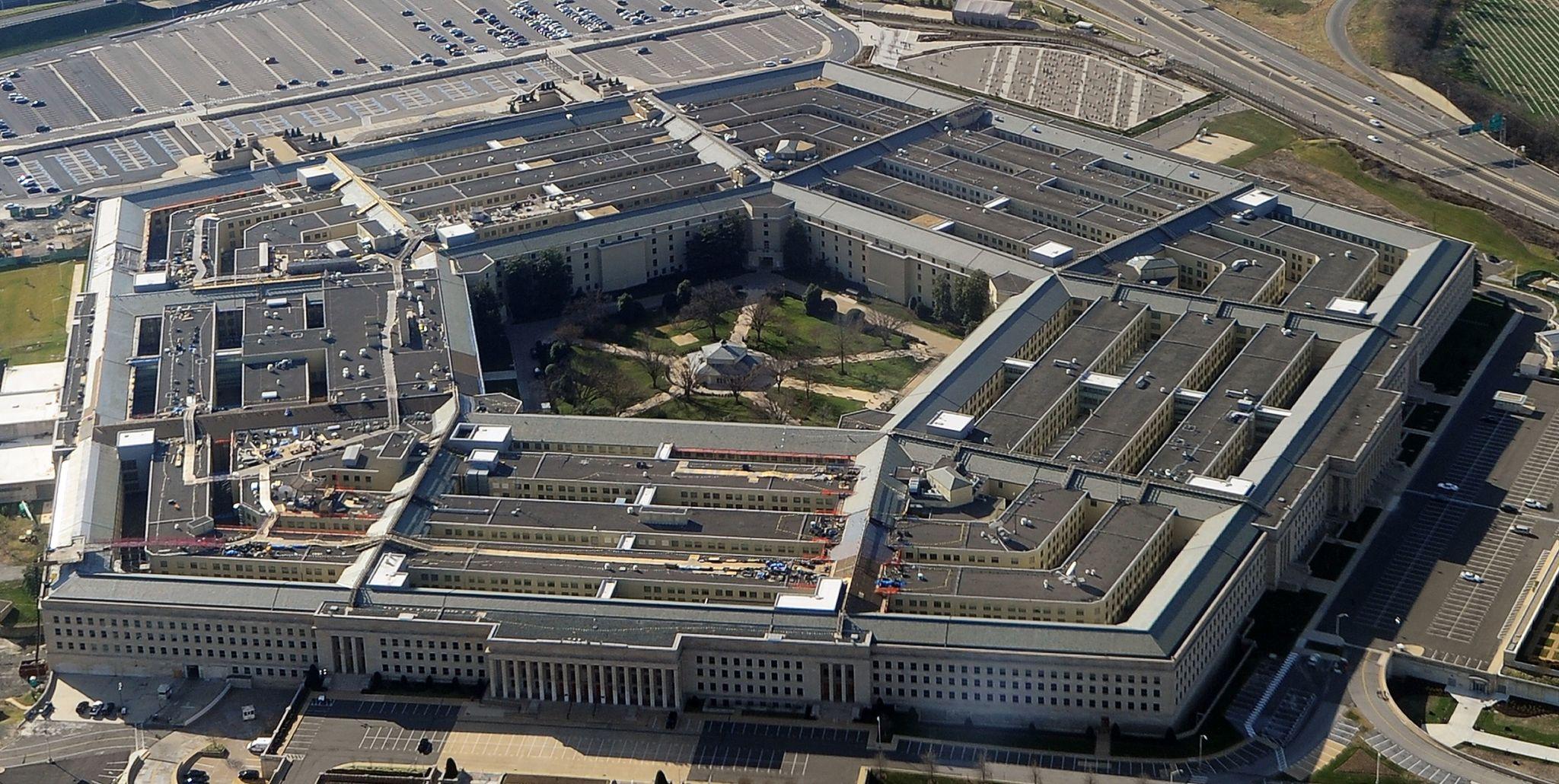
Global energy markets closely monitor developments tied to US foreign policy Iran. Iran’s position near the Strait of Hormuz underscores its strategic significance. Disruptions in shipping routes could send ripple effects across oil and gas pricing worldwide.
Economic strategists note that sanctions enforcement and diplomatic breakdowns often influence commodity volatility. In an interconnected global economy, shifts in energy supply affect inflation, consumer costs, and broader economic growth.
Balancing strategic pressure with market stability remains an ongoing test for decision-makers.
Domestic Political Divisions in Washington
Within the United States, US foreign policy Iran remains a subject of political debate. Some lawmakers advocate for stronger enforcement measures, arguing that deterrence must remain firm. Others emphasize diplomacy and de-escalation.
Election-year discourse has amplified scrutiny over national security choices. Voters express fatigue with prolonged Middle East engagements while still prioritizing security interests.
The divided domestic landscape complicates consensus-building. Policymakers must navigate public opinion, legislative oversight, and international commitments simultaneously.
Expert Warning on Escalation Risks
A senior Washington-based security analyst said,
“The direction of US foreign policy Iran in 2026 will hinge on disciplined diplomacy backed by credible deterrence,”
emphasizing that miscalculation could rapidly destabilize the region. The remark reflects growing concern among policymakers that rising tensions, nuclear uncertainty, and regional proxy dynamics require measured coordination rather than reactive escalation, as strategic balance remains central to avoiding broader conflict.
Military Posture and Strategic Readiness
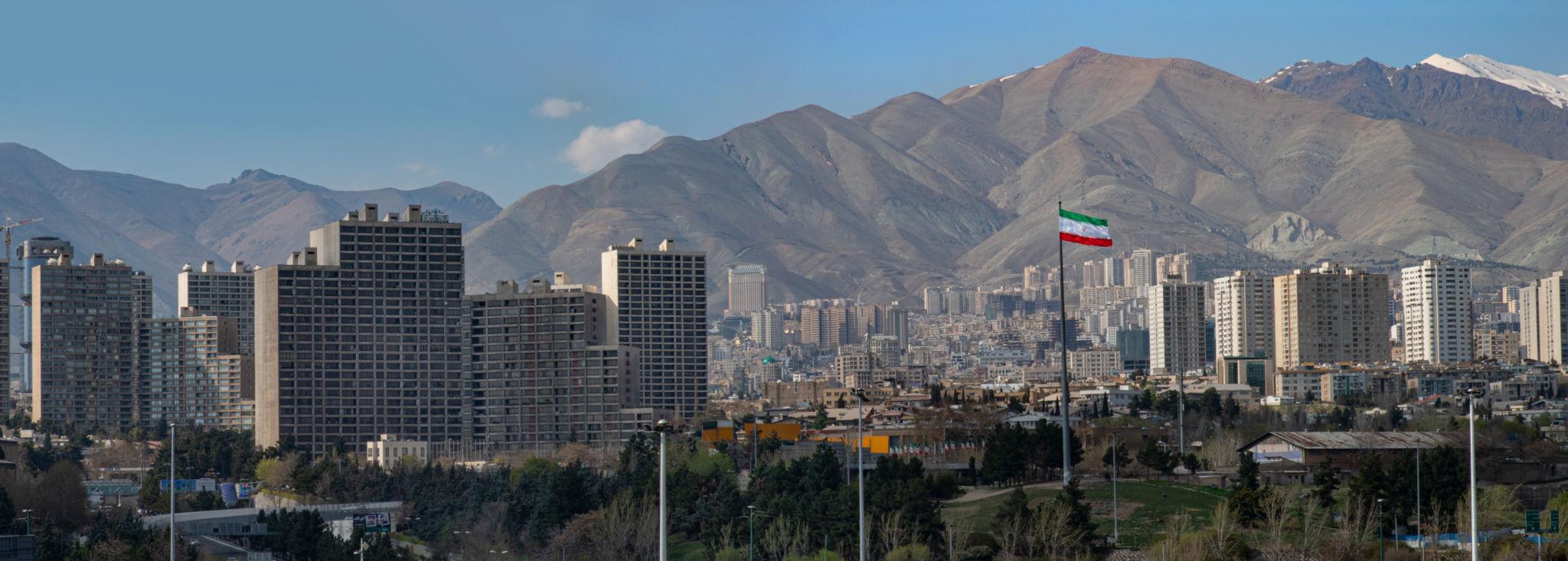
Defense officials stress that preparedness does not equal imminent intervention. Naval and air assets in the region serve as deterrence signals while preserving operational flexibility.
Strategic planners consider multiple scenarios, including accidental escalation or cyber incidents. Maintaining open communication channels reduces the risk of misinterpretation during periods of heightened alert.
The careful calibration of US foreign policy Iran requires aligning military readiness with diplomatic messaging to avoid sending mixed signals.
Cybersecurity and Hybrid Threats
Cyber capabilities increasingly shape modern conflict environments. Iranian-linked cyber operations have drawn attention from security agencies in Washington.
Protecting critical infrastructure remains a priority. Financial systems, energy grids, and communication networks are considered potential targets in broader strategic competition.
As cyber threats evolve, US foreign policy Iran must account for non-traditional arenas of confrontation. Hybrid strategies complicate traditional deterrence models.
International Alliances and Multilateral Diplomacy
European partners continue to engage Tehran diplomatically while coordinating with Washington. However, geopolitical competition involving Russia and China complicates consensus.
Multilateral cooperation remains essential for sanctions enforcement and monitoring agreements. Diverging economic interests sometimes create friction within alliances.
Effective coordination could reinforce the credibility of US foreign policy Iran. Conversely, fragmented approaches risk weakening leverage.
Human Rights and Ethical Considerations
Human rights concerns influence congressional hearings and international advocacy campaigns. Reports of political repression and restrictions on civil liberties shape public discourse.
Balancing strategic interests with ethical commitments presents a difficult calculus. Humanitarian exemptions in sanctions policy aim to mitigate civilian hardship.
Advocacy groups urge policymakers to align security objectives with universal rights principles.
Technology Transfers and Arms Proliferation
Defense analysts warn that advanced weapons transfers could alter regional power balances. Monitoring missile development and drone technology remains a focus.
Strategic export controls form part of broader containment efforts. Cooperation with allies ensures coordinated enforcement.
Technology proliferation remains a factor that shapes the trajectory of US foreign policy Iran in the coming years.
Historic Comparison
Looking back, parallels can be drawn between current tensions and earlier phases of confrontation during the 1980s tanker conflicts and the post-2003 Iraq War period. In both instances, diplomatic missteps and regional rivalries heightened instability before gradual recalibration restored equilibrium.
History suggests that sustainable outcomes often require patient diplomacy rather than abrupt escalation. The present environment echoes past crossroads where measured engagement ultimately proved more durable than forceful intervention.
Public Opinion Inside Iran
Economic strain has influenced domestic sentiment. Protests and civic activism occasionally emerge, reflecting dissatisfaction with living conditions.
Observers caution against assuming uniform perspectives within Iranian society. Diverse political viewpoints coexist, complicating external assessments.
Understanding internal dynamics remains essential for crafting informed policy approaches.
Economic Diversification and Strategic Resilience
Iran’s efforts to diversify trade partnerships have partially mitigated sanction impacts. Engagement with regional neighbors provides alternative economic channels.
However, financial constraints remain significant. Currency volatility and limited access to global banking systems continue to affect growth.
Economic resilience factors into long-term assessments of diplomatic leverage.
The Role of Regional Powers
Neighboring Gulf states maintain close security ties with Washington. Defense cooperation agreements underscore shared strategic interests.
Regional diplomatic initiatives occasionally attempt de-escalation. Dialogue channels between rival states provide limited but valuable communication pathways.
The regional context shapes broader calculations about deterrence and engagement.
Strategic Patience or Escalation?
Policy debates increasingly revolve around whether patience yields better results than intensified pressure. Gradual negotiation processes require sustained political will.
Escalation risks unintended consequences, including regional spillover or economic disruption. Policymakers weigh both paths carefully.
The balance between resolve and restraint defines the current phase of deliberation.
Media Narratives and Information Warfare
Global media coverage influences public perception and investor sentiment. Competing narratives shape international understanding of events.
Information campaigns, both domestic and international, add complexity to diplomatic strategy.
Maintaining credible communication remains vital in shaping outcomes.
Outlook for the Remainder of 2026
As the year progresses, strategic clarity may emerge through renewed diplomatic engagement or recalibrated sanctions. Market stability and regional calm depend on measured responses.
Policymakers emphasize adaptability amid uncertainty. Flexibility in negotiation frameworks may open pathways previously stalled.
A Defining Test of Strategic Balance
The coming months will test Washington’s ability to manage competing pressures without triggering escalation. Decisions tied to nuclear oversight, sanctions architecture, and alliance coordination will shape geopolitical stability.
US foreign policy Iran stands at a defining moment in 2026. The interplay of diplomacy, deterrence, economic leverage, and public sentiment will determine whether the path forward leads toward stabilization or heightened tension. Strategic patience, coordinated alliances, and transparent communication may ultimately prove decisive in navigating one of the most consequential foreign policy challenges of the decade.