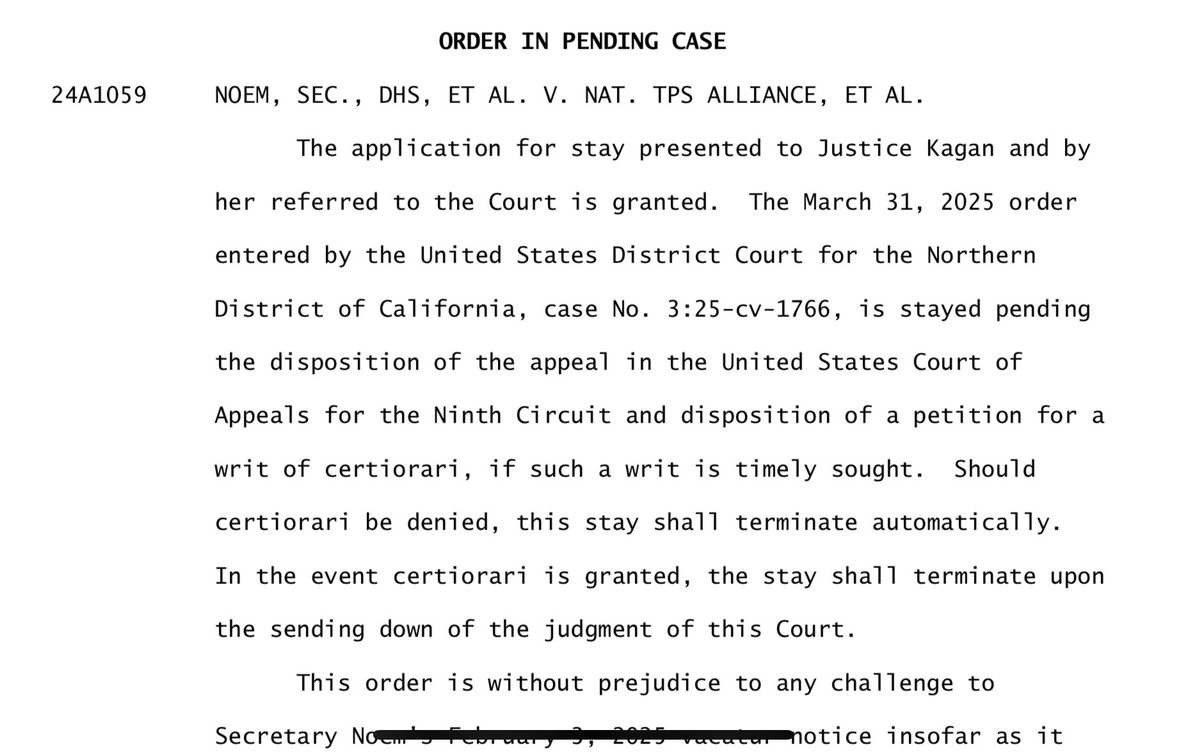
Washington, February 9, 2026, became the center of a landmark immigration development as Parliament News observed a decisive moment when the US immigration court upheld a federal move to end Temporary Protected Status for migrants from Nepal Honduras and Nicaragua. The ruling delivered in the US capital carries nationwide implications touching humanitarian policy labor markets and long settled migrant communities.
The decision arrives at a time when immigration remains one of the most debated political and legal issues in the United States. Families employers and advocacy groups are now reassessing their future as federal agencies prepare next steps following the court’s judgment.
Legal Framework Behind the Decision
At the core of the case was the legal authority granted to the executive branch to review and terminate Temporary Protected Status designations. TPS is designed as a short term humanitarian safeguard allowing eligible nationals to remain and work legally when conditions in their home countries make return unsafe.
The US immigration court determined that the administration complied with statutory requirements when reassessing country conditions. Judges emphasized that the law grants discretion to reevaluate humanitarian protections as circumstances evolve.
One judge wrote
“Temporary protection exists to respond to extraordinary circumstances not to create permanent residency.”
Policy Direction and Federal Authority
Supporters of the ruling argue it reinforces the balance of power envisioned by immigration law. The court’s interpretation confirms that humanitarian programs must align with current realities rather than historical circumstances.
Critics counter that legal authority does not erase moral responsibility. Advocacy organizations argue that policy decisions should account for years of social and economic integration by TPS holders.
The US immigration court ruling has therefore become both a legal reference point and a moral flashpoint in the broader immigration debate.
Political Influence and Leadership Role
The policy direction was closely linked to positions championed by Kristi Noem, who argued for stricter adherence to statutory limits. Her stance emphasized that humanitarian programs lose credibility if extended indefinitely without congressional approval.
In response to criticism she stated
“The law is clear and compassion must work alongside legality.”
Her comments resonated strongly with supporters while intensifying opposition among migrant rights groups.
Impact on Nepal Honduras and Nicaragua Communities
For nationals of Nepal Honduras and Nicaragua the ruling introduces a period of uncertainty. Many TPS holders have lived in the United States for more than a decade working legally and raising families.
Community leaders stress that the US immigration court decision does not mandate immediate departure but signals eventual policy change. Timelines and transitional guidance will play a crucial role in determining outcomes for affected households.
Economic Consequences Across States
TPS holders contribute significantly to industries such as healthcare construction hospitality and agriculture. Economists warn that ending protections could intensify labor shortages particularly in states already struggling to fill essential roles.
Business associations expressed concern following the US immigration court decision urging lawmakers to consider workforce stability alongside enforcement goals.
Legal Pathways After TPS
Immigration attorneys emphasize that individuals affected by the ruling may still pursue alternative legal status. Options include family based petitions employment sponsorship or other humanitarian relief depending on eligibility.
The US immigration court ruling narrows one pathway but does not eliminate all legal options. Early consultation and accurate information are critical to avoiding unlawful presence or employment disruption.
National Political Response
Lawmakers reacted swiftly following the decision. Some praised the ruling as a restoration of lawful process while others criticized it as detached from humanitarian realities.
The US immigration court once again became a focal point for congressional debate highlighting the absence of long term legislative solutions to recurring immigration challenges.
History of TPS Policy in the United States
Temporary Protected Status was established in 1990 to offer safe haven during crises such as war natural disaster or extraordinary instability. Over the decades TPS has covered nationals from more than a dozen countries.
Past attempts to end TPS have produced mixed legal outcomes often hinging on procedural compliance. What distinguishes this case is the clear affirmation of executive review authority by the US immigration court, marking a significant moment in the program’s evolution.
International and Humanitarian Perspectives
Human rights organizations expressed concern about reintegration challenges for returning migrants. Governments of the affected countries acknowledged progress but noted ongoing economic pressures.
The US immigration court ruling underscores the tension between domestic legal interpretation and international humanitarian expectations.
Implementation and Administrative Next Steps
Federal agencies are expected to issue guidance on employment authorization expiration travel restrictions and compliance timelines. Clear communication will be essential to prevent confusion and exploitation.
The US immigration court decision will guide administrative action as agencies move from legal judgment to practical enforcement.
Community Adaptation and Support Networks
Nonprofit organizations churches and local governments are expanding outreach efforts to support affected families. Legal clinics information sessions and employer coordination have increased in response to the ruling.
Community leaders stress resilience while calling for compassion and legislative clarity.
Broader Implications for Immigration Policy
Beyond TPS the ruling reinforces judicial deference to executive authority in immigration matters. Legal scholars believe the US immigration court reasoning will influence future cases involving humanitarian programs and administrative discretion.
Without congressional reform similar disputes are likely to resurface as conditions and administrations change.
A Defining Moment for US Immigration
The Washington 2026 ruling stands as a defining chapter in modern immigration law. It clarifies legal authority while exposing policy gaps that only Congress can resolve.
As families businesses and policymakers navigate the consequences the US immigration court decision will remain central to discussions shaping the future of humanitarian protection in the United States.