
United States, January 2026 — According to parliament news., the United States has entered a decisive phase in immigration governance as US immigration restrictions tighten across multiple visa categories, reshaping migration pathways and intensifying global scrutiny. Federal authorities describe the changes as necessary administrative and security measures, while advocacy groups, legal experts, and affected communities warn that the cumulative impact is altering the character of lawful immigration. The policy direction emerging in 2026 reflects a broader recalibration of border control, visa oversight, and eligibility standards that extends well beyond temporary procedural adjustments.
The renewed focus on enforcement and review has placed immigration at the center of domestic debate and international discussion, with consequences reaching families, employers, universities, and foreign governments.
How US Immigration Policy Reached This Moment
Immigration policy in the United States has long evolved through cycles of expansion and restriction. Legislative reforms, executive actions, and judicial rulings have repeatedly reshaped the system in response to economic conditions, security concerns, and political priorities. The current phase of US immigration restrictions did not emerge from a single decision but from a layered accumulation of regulatory changes, agency directives, and operational constraints.
Over time, increased screening requirements, extended background checks, and revised eligibility interpretations have gradually narrowed access to immigrant pathways, creating a system that is more cautious, slower, and less predictable.
Key Visa Categories Facing Greater Scrutiny
The tightening measures primarily affect immigrant visa categories, particularly family reunification and employment-based applications. Applicants report longer processing times, repeated document requests, and fewer opportunities for discretionary relief. While non-immigrant visas continue to be issued, uncertainty surrounding long-term status discourages applicants from making permanent plans.
For many, US immigration restrictions now represent a structural barrier rather than a temporary delay, altering expectations for those seeking lawful residence.
Impact on Families and Long-Term Separation
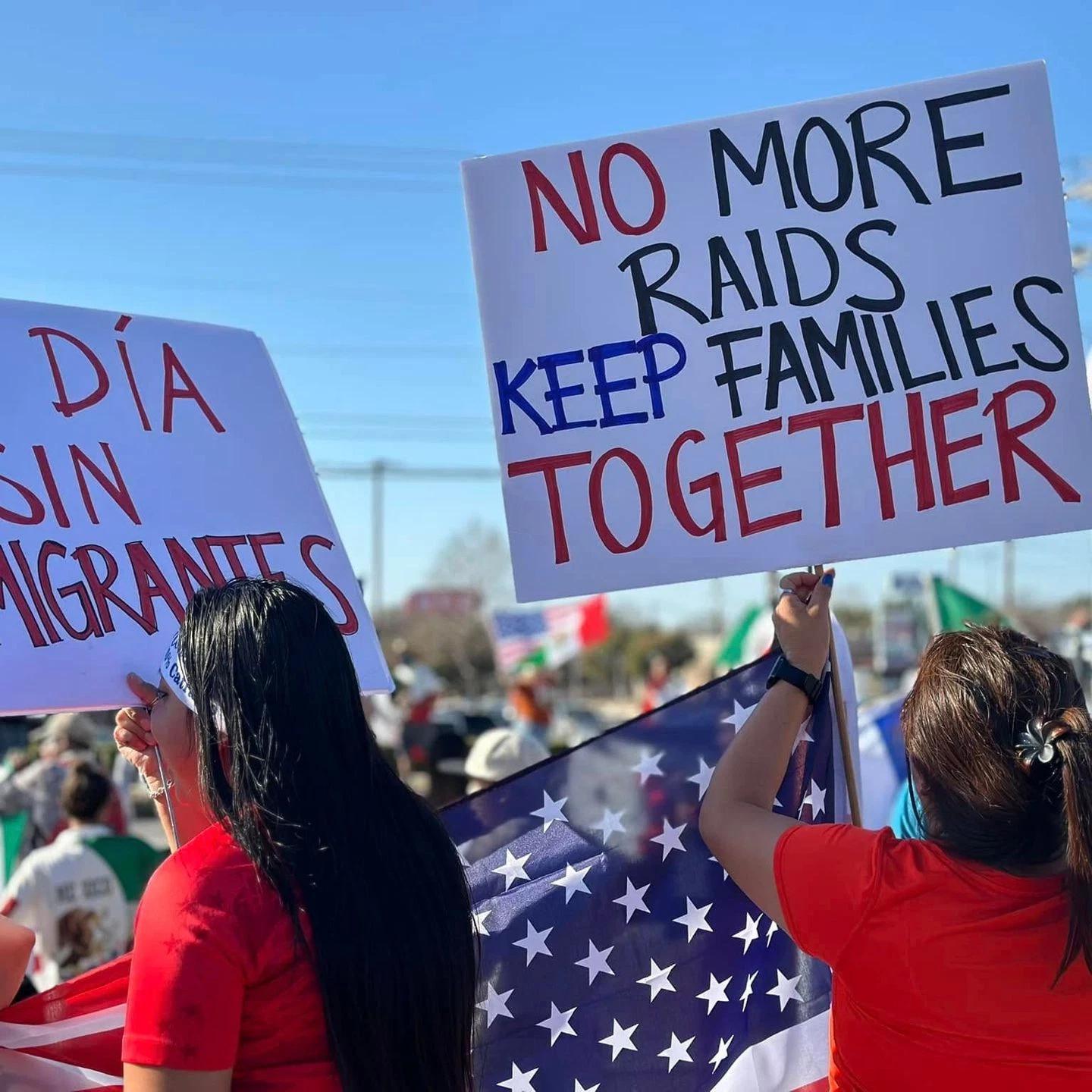
Family unity remains one of the most affected areas. Spouses, parents, and children are experiencing prolonged separation as cases remain pending without clear timelines. Community organizations report emotional strain, financial hardship, and declining trust in the immigration process.
Family-based migration has historically served as a stabilizing force within immigrant communities. As US immigration restrictions expand, that stabilizing function weakens, producing ripple effects across social networks and local economies.

Workforce Implications and Economic Pressure
Employment-based immigration plays a critical role in addressing labor shortages, particularly in healthcare, technology, engineering, and education. Employers increasingly report difficulty filling specialized roles due to delayed or uncertain visa processing.
Economists warn that sustained US immigration restrictions could reduce productivity, slow innovation, and weaken the country’s competitive position. Businesses that rely on global talent now factor immigration uncertainty into long-term planning, often redirecting investment elsewhere.
Higher Education and Talent Mobility
Universities are closely watching immigration developments. While student visas are not the primary target of current restrictions, broader immigration uncertainty affects enrollment decisions, faculty recruitment, and research collaboration.
International students and scholars contribute significantly to academic output and economic activity. Persistent perceptions of US immigration restrictions risk diminishing the country’s attractiveness as a global education hub.
Diplomatic Repercussions Beyond US Borders
Immigration policy inevitably intersects with foreign relations. Governments whose nationals face heightened scrutiny have raised concerns through diplomatic channels. Although US officials frame the measures as internal administrative decisions, affected countries interpret them as indicators of broader policy orientation.
As US immigration restrictions tighten, diplomatic engagement increasingly includes migration access as a topic of negotiation and concern.
Legal Landscape and Judicial Oversight
Immigration attorneys are monitoring the evolving framework closely. Past enforcement-heavy policies have faced legal challenges related to due process, equal treatment, and statutory authority. Similar scrutiny is expected as current measures mature.
Legal experts emphasize that transparency and consistency are essential to sustaining public trust. Without them, US immigration restrictions risk prolonged litigation and judicial intervention.

Administrative Capacity and Systemic Backlogs
One of the defining challenges of 2026 is administrative capacity. Enhanced screening without proportional staffing increases has created bottlenecks across immigration agencies. Applicants face repeated delays, while officials acknowledge operational strain.
This mismatch between policy ambition and administrative resources has amplified the practical effects of US immigration restrictions beyond their stated intent.
Public Opinion and Political Division
Immigration remains one of the most polarizing issues in American politics. Supporters of stricter controls argue that enforcement strengthens system integrity and national security. Opponents counter that broad restrictions penalize lawful applicants and undermine economic growth.
Public debate surrounding US immigration restrictions reflects deeper divisions about identity, globalization, and the role of government in regulating movement.
Information Gaps and Communication Challenges
Applicants frequently cite inconsistent information as a major source of frustration. Guidance varies across agencies, and official updates often lack specificity. The absence of predictable timelines intensifies uncertainty.
Clear communication is essential for policy legitimacy. Without it, US immigration restrictions generate confusion that affects compliance and public confidence.
Global Comparisons and Migration Competition
Other immigration-receiving countries are adjusting policies to attract skilled migrants. Streamlined processes and clearer pathways abroad contrast with growing complexity in the United States.
These global comparisons place US immigration restrictions within an international competition for talent, investment, and innovation.
Social Consequences Inside the United States
Immigration shapes demographic trends, cultural exchange, and community development. Restrictive policies alter migration patterns, affecting population growth and social cohesion.
Sociologists note that prolonged uncertainty discourages lawful migration, potentially increasing irregular pathways and undermining system objectives. In this way, US immigration restrictions carry unintended long-term consequences.
Role of Advocacy and Civil Society
Civil society organizations continue to provide legal assistance, policy analysis, and community support. Their efforts focus on safeguarding due process and humanitarian considerations while engaging policymakers in reform discussions.
Advocates argue that sustainable policy must balance enforcement with accessibility, especially as US immigration restrictions continue to evolve.
Security Framing and Policy Justification
Government officials consistently frame restrictions through a security lens, emphasizing risk assessment and system integrity. Critics argue that security justifications are often broad and insufficiently defined.
The challenge lies in ensuring that security measures are proportionate and evidence-based, rather than serving as blanket rationales for expanded restriction.
Economic Modeling and Long-Term Forecasts
Economic modeling suggests that reduced immigration flows could affect labor markets, tax revenue, and innovation over time. Analysts caution that short-term political gains may produce long-term economic costs.
As US immigration restrictions persist, policymakers face increasing pressure to reconcile enforcement goals with economic sustainability.
Future Policy Review and Adjustment
Federal authorities indicate that immigration policies remain under review. Adjustments may depend on administrative performance, legal outcomes, and political direction.
Observers stress that adaptability will determine whether US immigration restrictions become a permanent structural shift or a transitional phase.
Immigration Control Versus National Opportunity
The trajectory of immigration policy in the United States in 2026 highlights a fundamental tension between control and opportunity. As US immigration restrictions tighten, the nation faces critical choices about how it defines security, competitiveness, and openness in an interconnected world. One policy analyst summarized the moment by stating,
“A system designed only to restrict will eventually restrict itself from progress.”
How these choices unfold will shape not only migration flows, but the country’s economic vitality, global standing, and social fabric for years to come.